







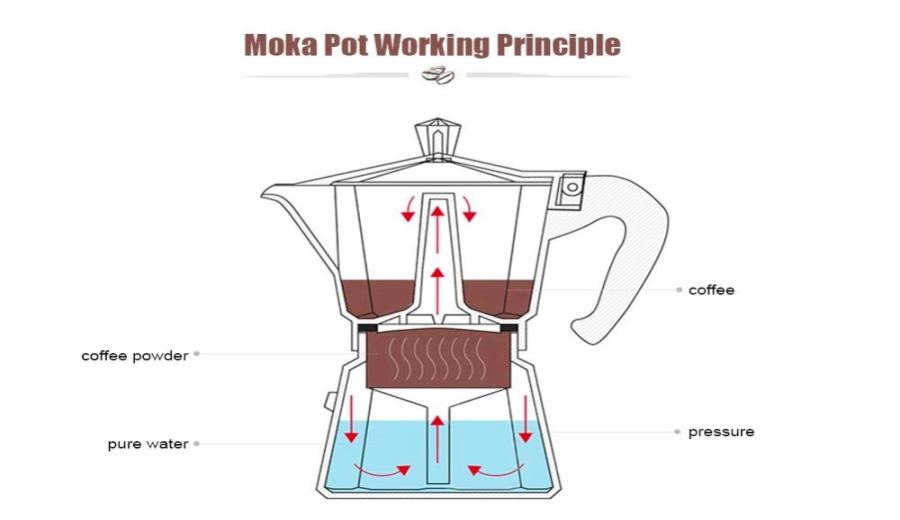
Introduction:Want to enjoy rich coffee at home but don’t have an espresso machine? A moka pot is an economical and convenient alternative. This article delves into the history and working principles of the moka pot, compares it with modern espresso machines, and details the pros and cons of moka pot extraction. It also recommends five high-value single-origin and blended coffee beans suitable for beginners using a moka pot, explaining their origin, processing method, and flavor profile to help readers find the best match for their taste preferences.
The allure of espresso is well known, but not every household has the means to own a professional espresso machine. For users with budget or space constraints, the moka pot is undoubtedly a more accessible solution. Simply add hot water and coffee grounds, place it on a heat source, and wait briefly to enjoy a cup of espresso-like coffee with an Italian flair.
The Historical Origins of the Moka PotCan be traced back to the 1930s, when it was invented by Alfonso Bialetti from Italy’s Piedmont region. Inspired by the design of household washing machines at the time and leveraging his background in metalworking, he created a simple yet functional coffee brewing device. Initially, large commercial espresso machines were difficult to bring into ordinary homes due to their size and high cost, and the advent of the moka pot perfectly filled this market gap.
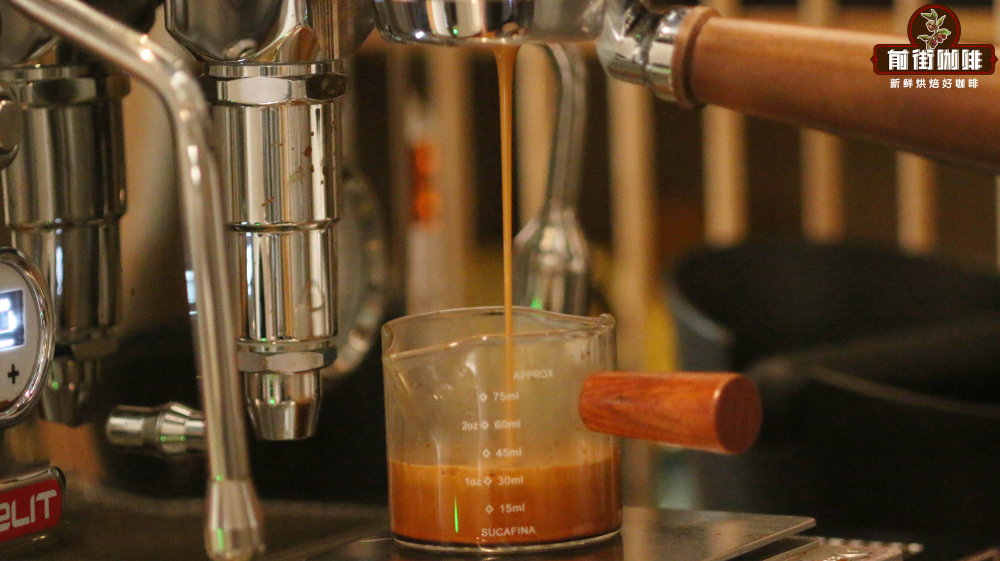
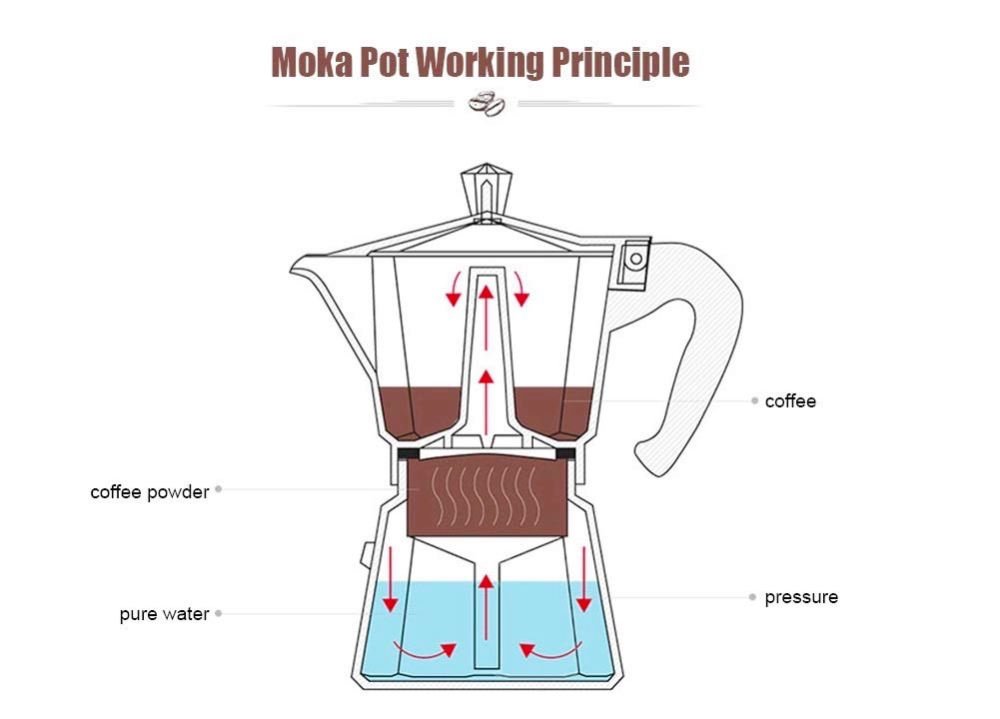
Traditional espresso machines extract rich crema and intense flavors by forcing near-boiling water through tightly packed coffee grounds under high pressure (typically around 9 bars). However, early machines relied on high-temperature steam pressure, which was not only complex to operate but also expensive, limiting their use to commercial settings or wealthy households. In contrast, the moka pot utilizes steam pressure generated by heating (around 1–1.5 bars) to push water through a middle layer of coffee grounds. Though the pressure is lower, it still manages to brew coffee with a certain level of concentration.
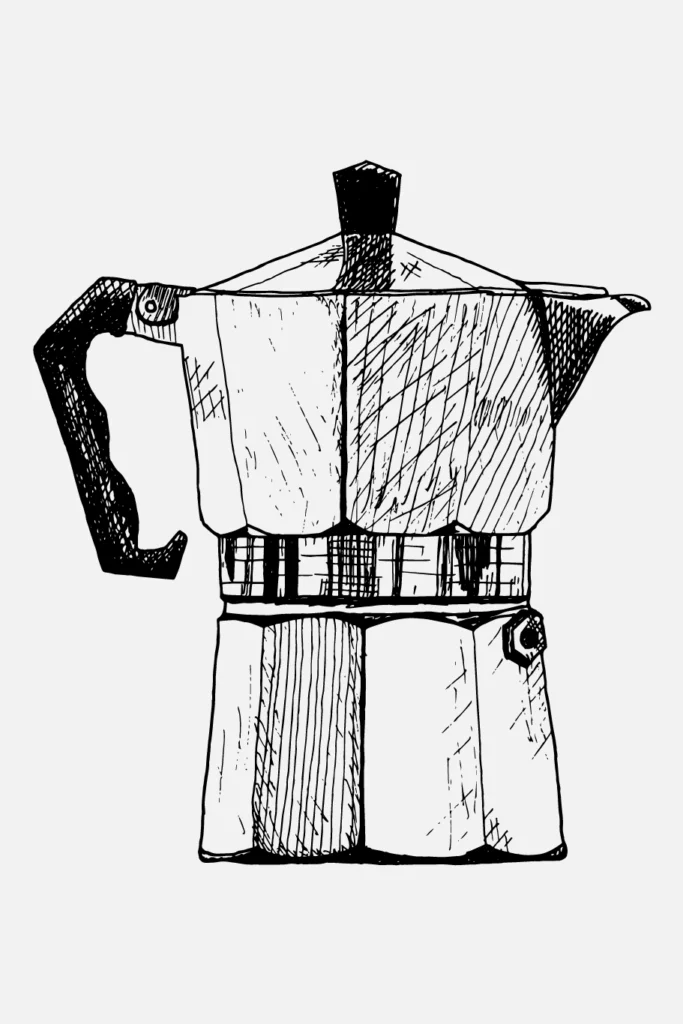
Basic Structure of the Moka PotIs quite intuitive, mainly consisting of three parts: the lower chamber holds the hot water, the middle metal filter basket is for placing the ground coffee, and the upper chamber collects the brewed coffee. The entire unit is typically made of lightweight, durable aluminum and equipped with an anti-scald handle for easy operation and pouring.
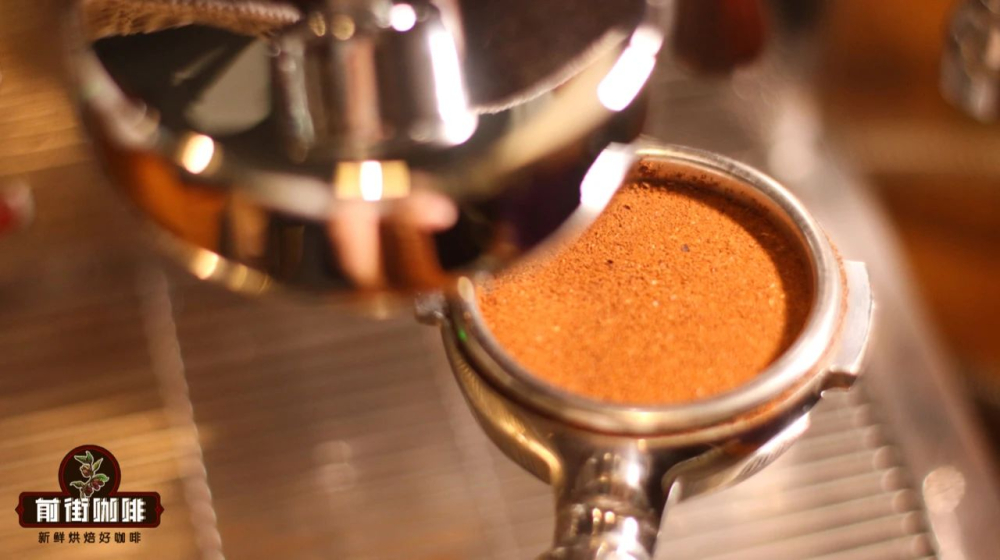
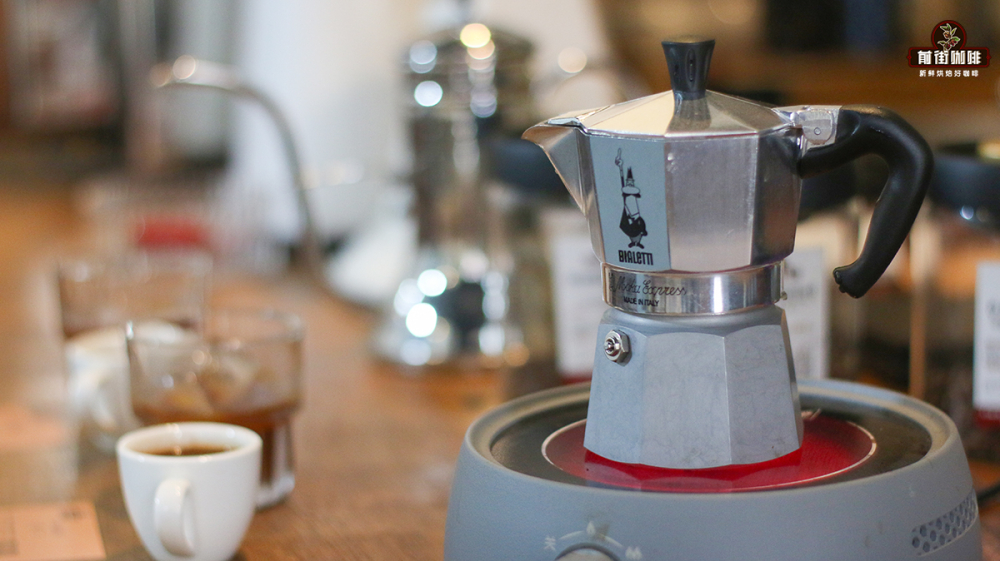
To use a moka pot, first pour an appropriate amount of hot water into the lower chamber (it’s recommended to use water at around 90–96°C to avoid over-extraction from prolonged boiling), fill the middle filter basket with finely ground coffee, level the surface gently, then assemble the upper and lower chambers, ensuring the threads are tightly sealed without leaks. Place the entire unit on a stove or electric hot plate to heat. As the water in the lower chamber heats and turns to steam, the pressure gradually increases, pushing the water through the coffee grounds, and finally dripping into the upper chamber to complete the brewing process.
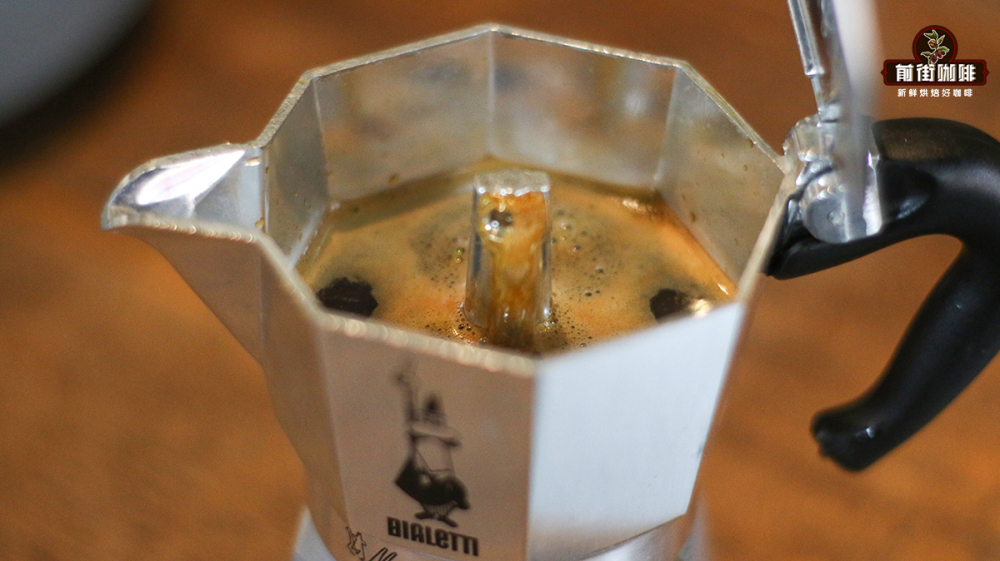
Although the moka pot can quickly produce a cup of coffee with concentrated flavor, it still differs significantly from modern espresso machines. The most notablelimitation is the insufficient extraction pressure, which prevents the formation of rich crema (the coffee's oily layer), making it slightly inferior in both appearance and taste. Additionally, due to the use of coarser coffee grounds and relatively hotter water flow, the overall extraction efficiency and substance yield are lower, resulting in less pronounced body and layering compared to high-pressure espresso.
In response to the common question “Is the moka pot suitable for coffee beginners?”, the answer is yes. As long as you master the correct grind size, coffee-to-water ratio, and heating technique, the moka pot can help users quickly experience coffee with an espresso-like flavor, making it a great entry-level choice. However, if you’re aiming for the delicate crema and rich body found in café-style coffee, it’s recommended to upgrade your equipment or adjust your brewing parameters later.
Recommended coffee beans that pair well with the moka pot are as follows:
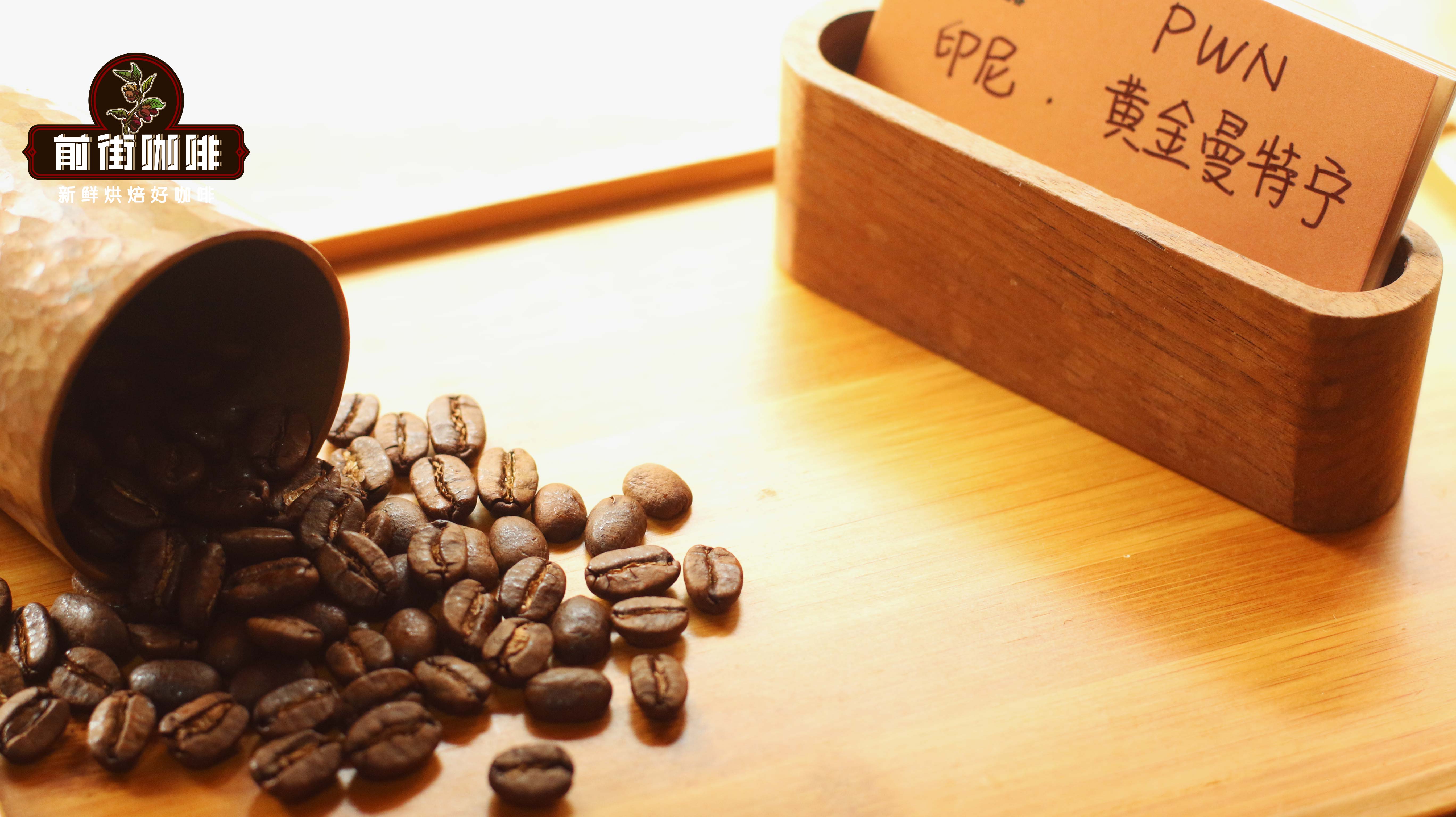
1. Indonesian PWN Golden Mandheling: Grown in the high-altitude Gayo region of Sumatra and processed using the wet-hulled method, it features distinct spicy and herbal notes. After dark roasting, it delivers a bold and full-bodied flavor, ideal for those seeking a rich mouthfeel.
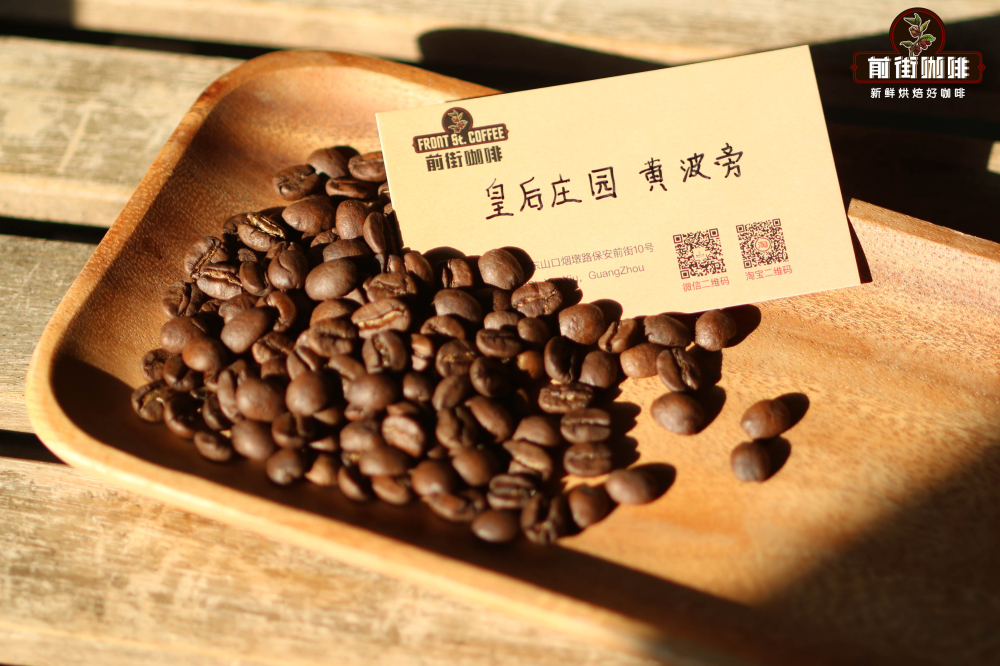
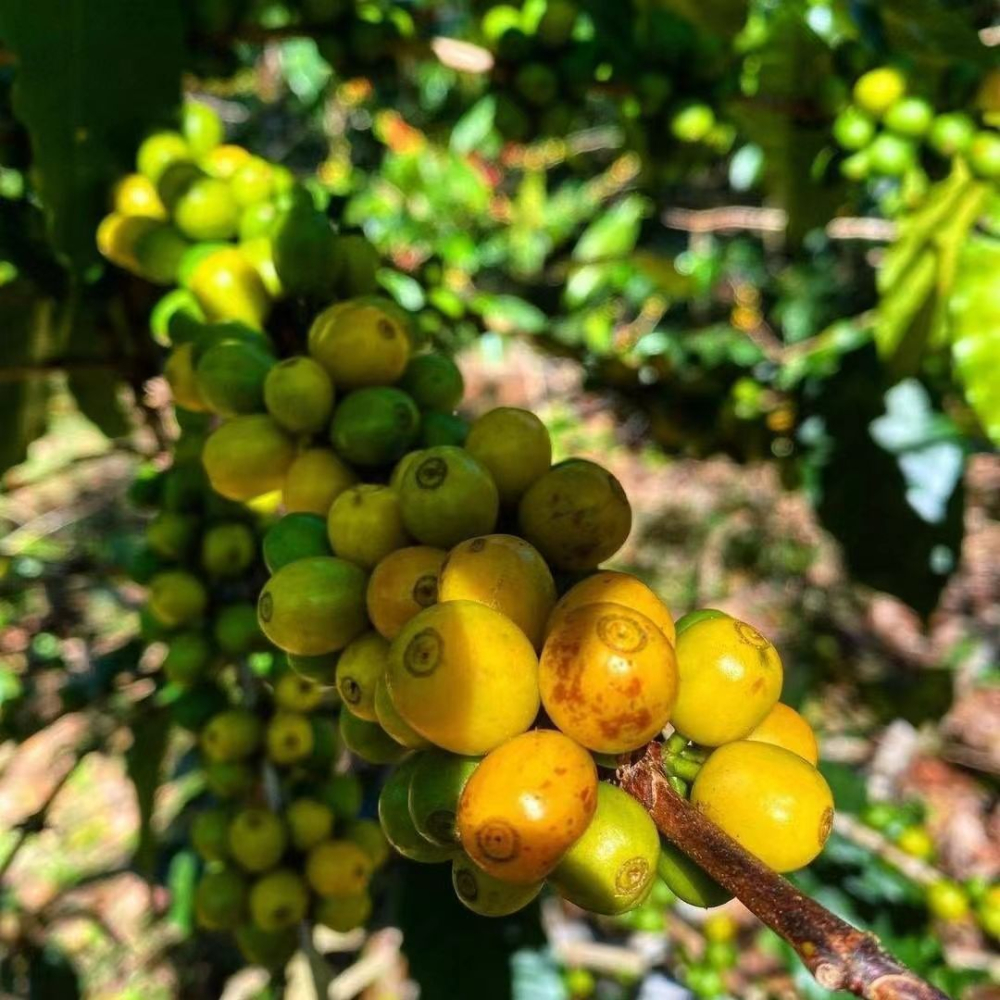
2. Brazilian Queen Estate Yellow Bourbon: Originating from Brazil’s high-altitude regions and sun-dried, it retains abundant pectin and sugars, offering a prominent sweetness. Suitable for users who prefer natural fruitiness and mild acidity.
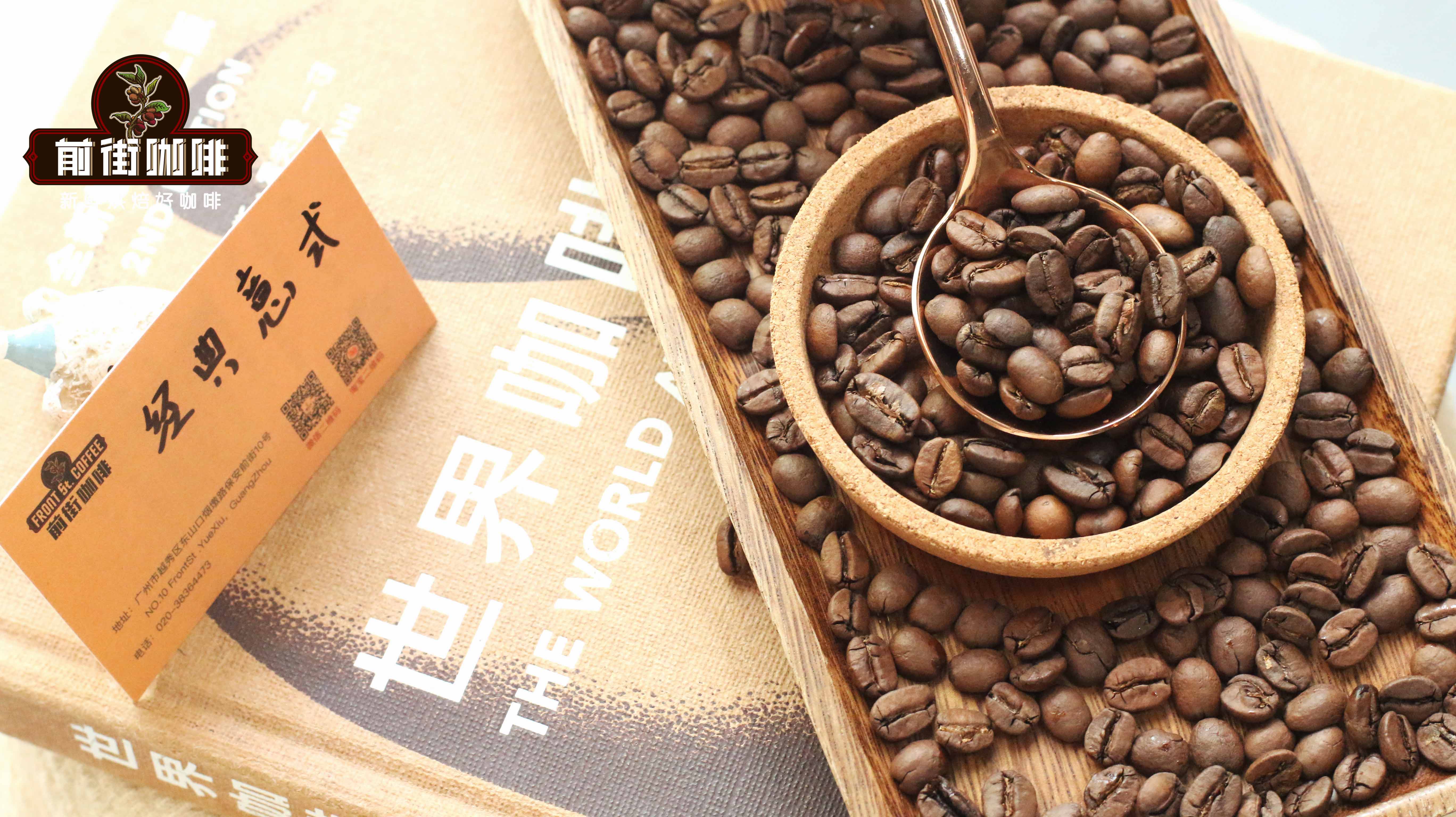
3. Classic Italian Blend (Brazil Red Bourbon + Indonesian Mandheling + Vietnamese Robusta): A blend of multiple origins and varieties, it presents aromas of caramel, dark chocolate, and nuts, with rich crema, and pairs especially well with milk—ideal for making milk-based drinks like lattes.
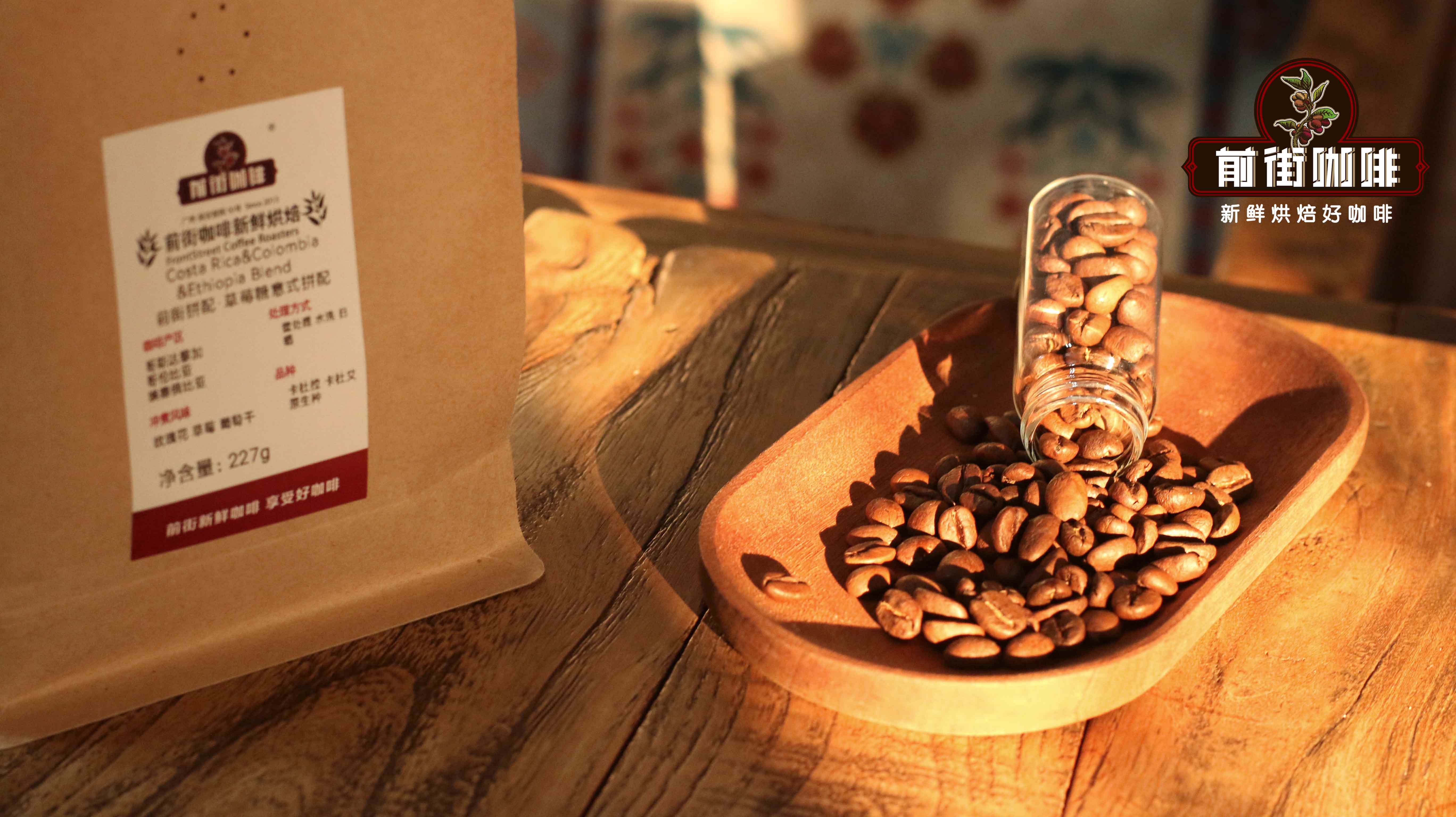
4. Strawberry Candy Italian Blend: Combines Costa Rican honey-processed beans, Ethiopian floral notes, and Colombian nutty tones, achieving a balanced sweet-and-sour profile with strawberry and rose aromas. Perfect for coffee lovers who enjoy fruity highlights.
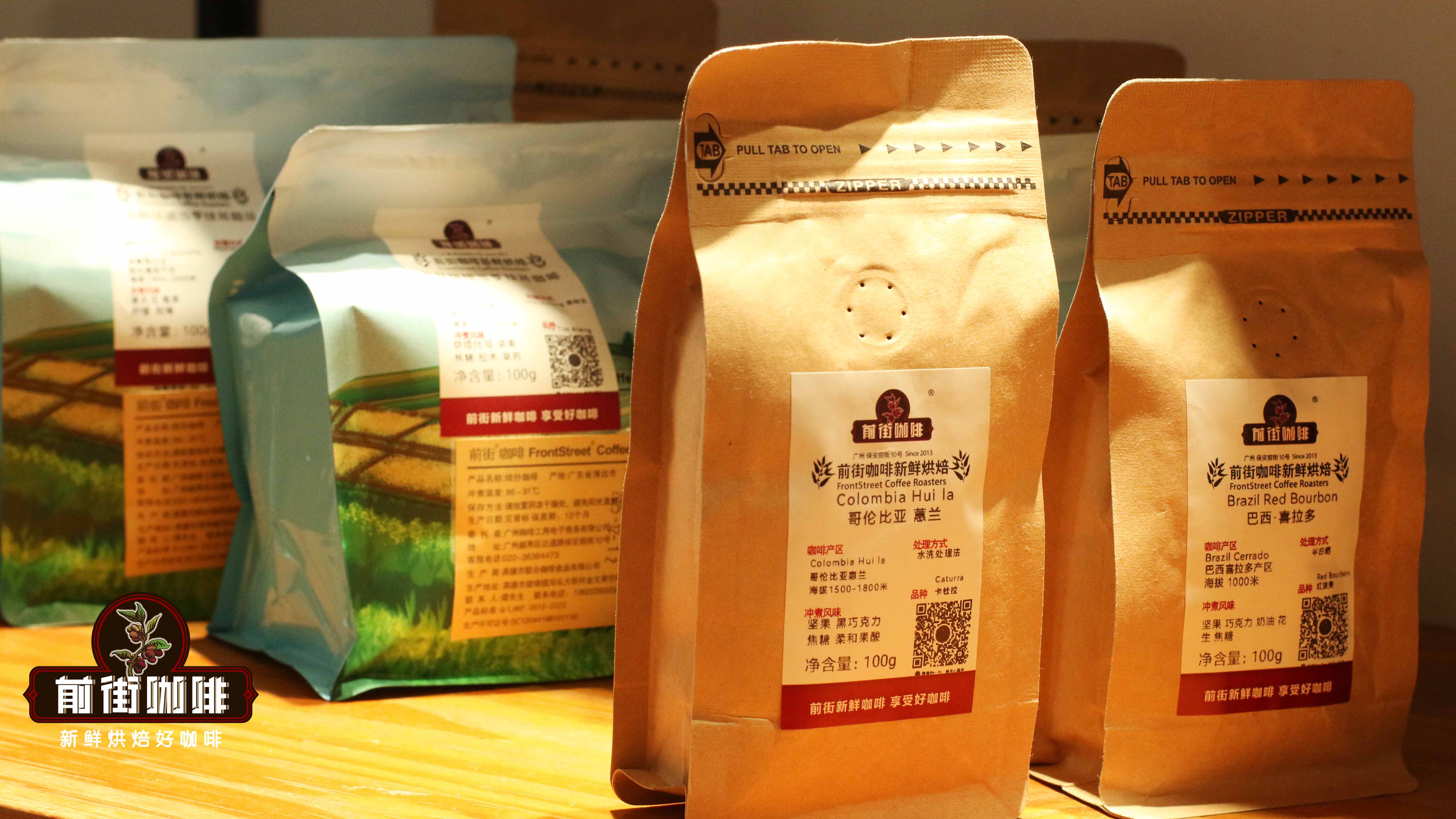
5. Colombian Huila: Offers balanced sweetness and acidity with a solid body, is affordably priced, and has a clear flavor profile, making it an excellent everyday bean that provides a stable and enjoyable drinking experience.
The above content is compiled by CoffeeHunters, a coffee news website.


