







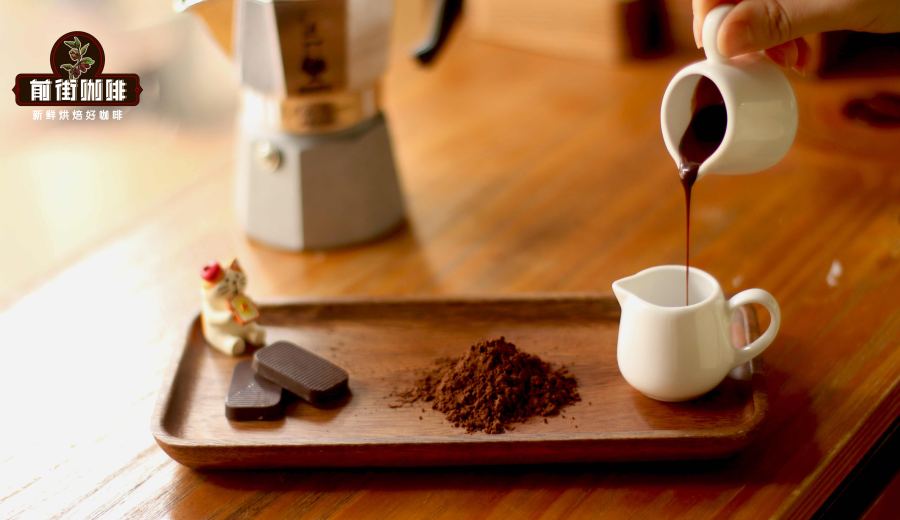
Introduction:Want to easily make a well-balanced, richly chocolatey yet not overly sweet mocha coffee at home? This article delves into the definition and characteristics of mocha coffee, offers solutions to common issues such as imbalanced sweetness or insufficient chocolate flavor, and provides detailed steps for making both hot and iced mochas at home — including ingredient selection, ratio adjustments, and practical tips — helping you craft a professional-grade mocha flavor step by step.
Nowadays, when people talk about mocha coffee, they usually refer to an espresso-based milk drink that incorporates chocolate elements, inspired by the traditional coffee from Yemen’s Mocha port, which naturally has a chocolate-like character. However, in modern drinks, mocha often recreates that intense chocolate atmosphere by adding chocolate syrup. It’s important to note that many commercial chocolate syrups contain a lot of added sugar to reduce bitterness — and this is exactly why many homemade mochas end up either lacking in chocolate flavor or overly sweet and cloying.
Understanding the nature of chocolate syrup is key.Since chocolate itself has a strong and slightly bitter flavor, most chocolate syrups are formulated with a high proportion of sugar to make the taste more palatable. But sugar and chocolate are usually already blended together, making it difficult to adjust their proportions individually. Therefore, if you find the chocolate flavor lacking and add more syrup, although it boosts the flavor, it also raises the sweetness level, leading to overall imbalance.
Therefore, if you want to make a truly delicious mocha coffee at home, in addition to chocolate syrup, it’s recommended to also use unsweetened cocoa powder.Unsweetened cocoa powder not only enhances the overall richness and depth of the chocolate flavor but also doesn’t add extra sweetness,making it an ideal choice for elevating flavor complexity. For those aiming for a more advanced profile, melted dark chocolate can also be used, but it requires relatively more preparation time and technique.
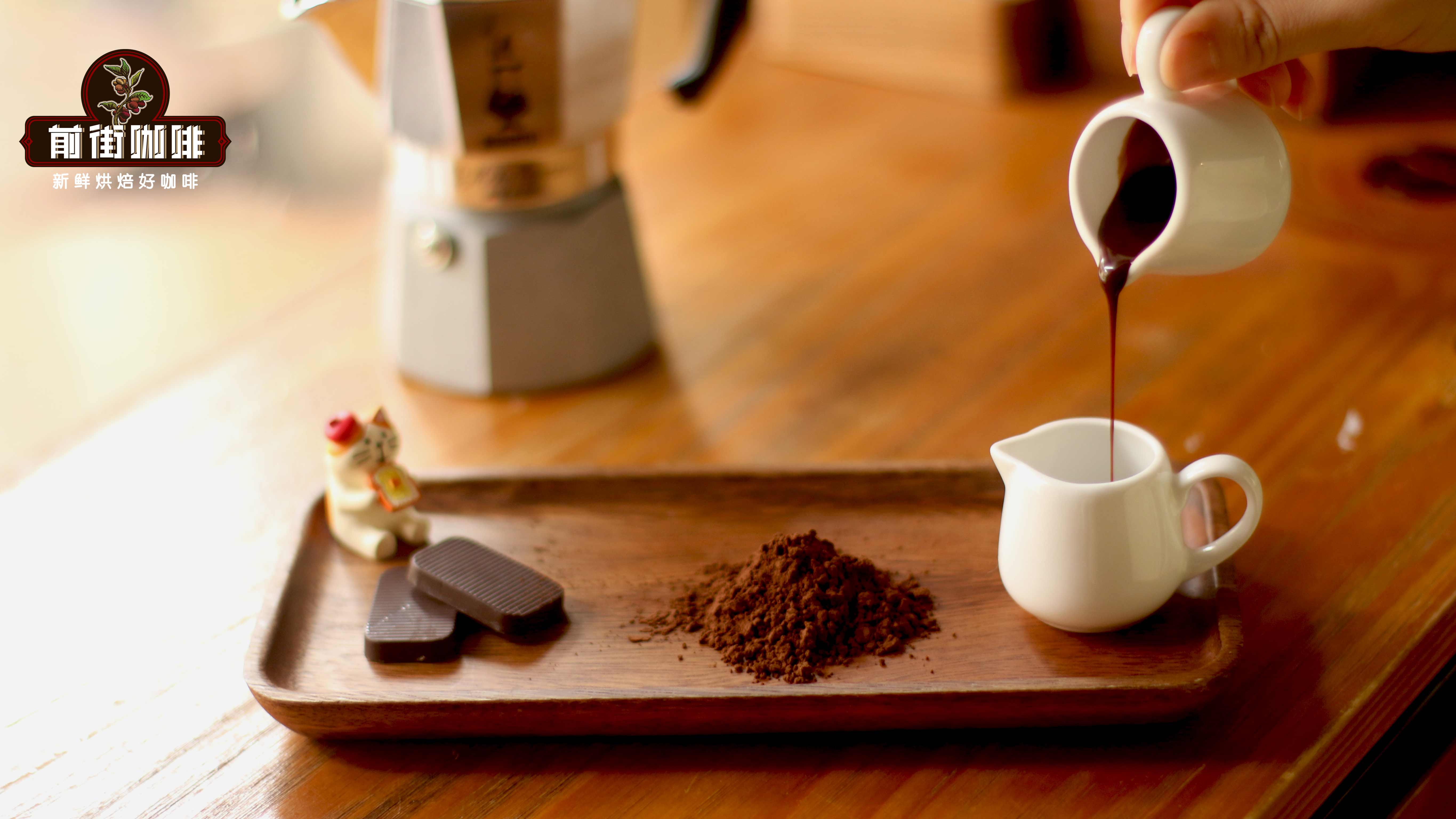
Next, we’ll introduce the specific process for making a hot mocha. The essential materials and tools include: one coffee cup, an optional mixing cup or bowl, a strainer (optional), a portion of milk, a shot of espresso, chocolate syrup, and unsweetened cocoa powder. It’s recommended to use a dark-roasted espresso blend, such as one composed of Brazilian, Indonesian, and Vietnamese beans. These beans can extract rich crema and full-bodied aromas that complement the chocolate characteristics perfectly.
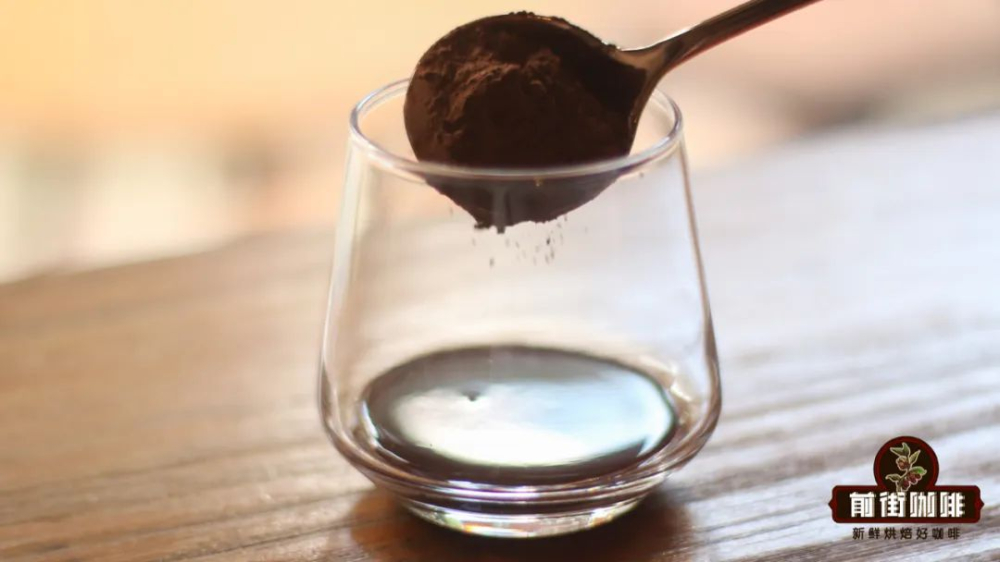
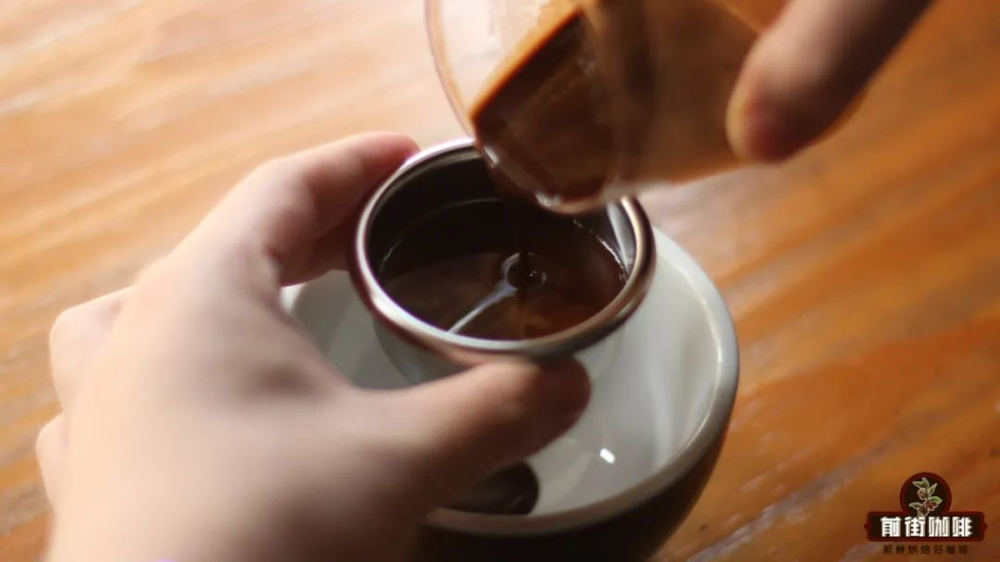
Hot Mocha Step 1: Making the Chocolate-Infused Espresso BaseFirst, place 15 ml of chocolate syrup (e.g., Da Vinci brand) and 5 g of unsweetened cocoa powder (e.g., Valrhona brand) into a mixing cup. This ratio, tested in practice, achieves a good balance between flavor and sweetness. If you prefer a sweeter taste, you can increase the chocolate syrup to 20 ml. Then add a shot of espresso, using the coffee’s high temperature and thorough stirring to evenly melt and blend the chocolate syrup and cocoa powder. The recommended extraction parameters are 19.8 g of coffee grounds, with an extraction time of about 28 seconds, yielding 38 ml of liquid.
Step 2 isfiltering any undissolved cocoa powder.When pouring the mixture into a latte cup, it’s recommended to use a strainer to avoid lumpy cocoa powder affecting the texture. Although if you don’t mind the texture, you can complete all steps directly in the latte cup, using a strainer noticeably improves the smoothness of the drink.
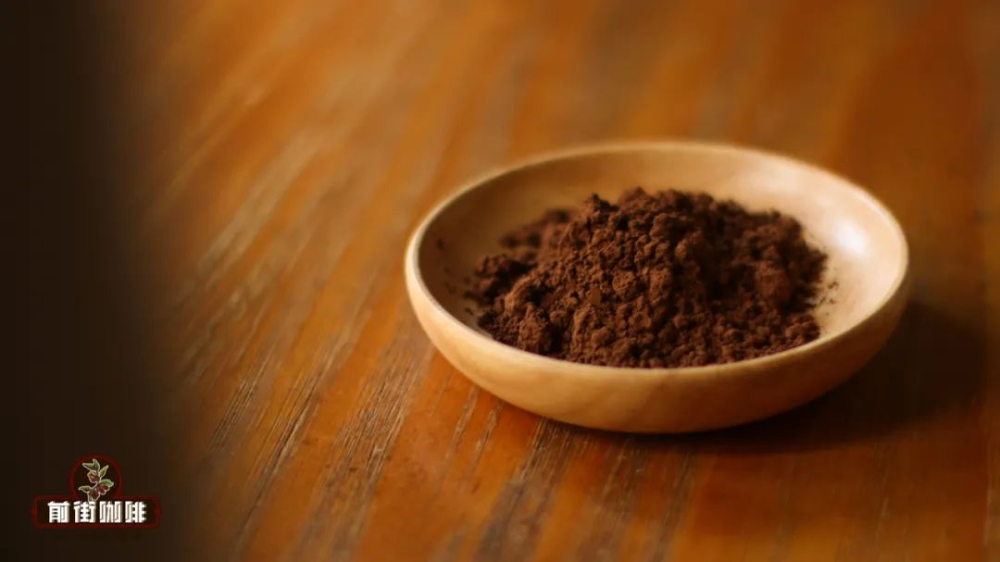
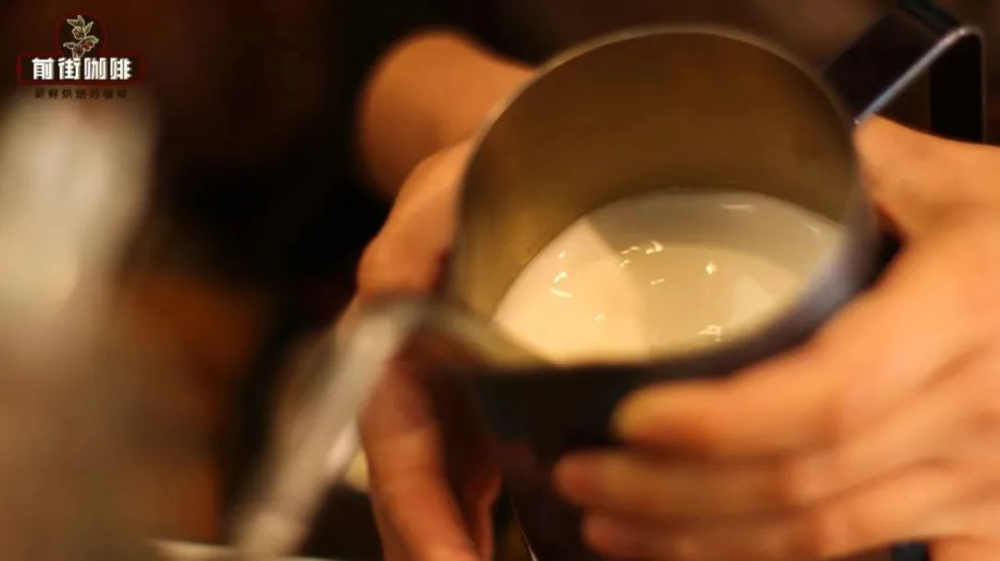
Step 3, depending on personal preference,you can sprinkle a small amount of cocoa powderon the surface of the coffee. Evenly distributing it through a sieve can further enhance the overall aroma. This step can be skipped based on your preference. Step 4 involves steaming the milk, targeting a temperature of 60–68°C, and creating fine microfoam. This step is the same as with a regular hot latte. The recommended ratio of milk to chocolate base is 1:4, meaning 50 ml of base to 200 ml of milk.
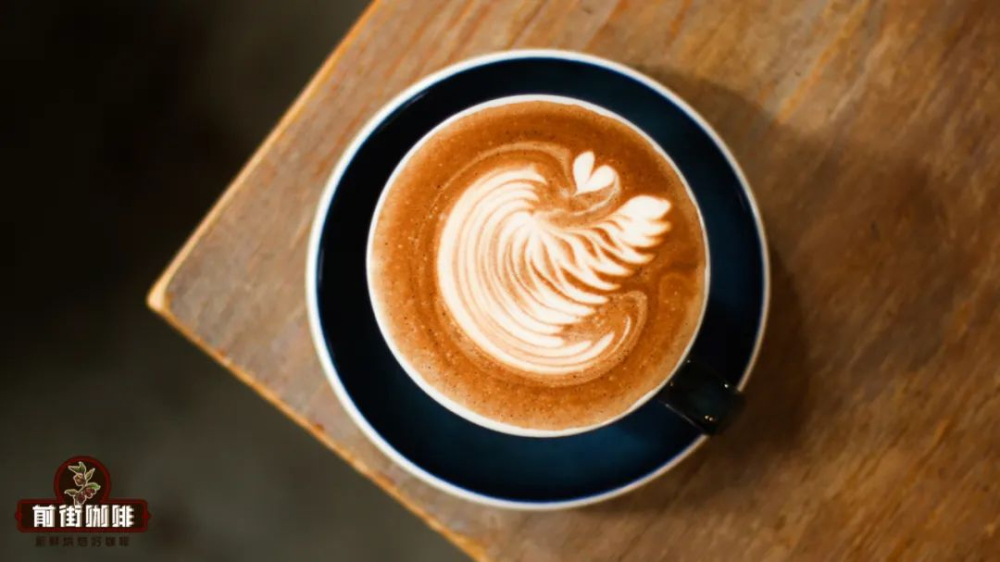
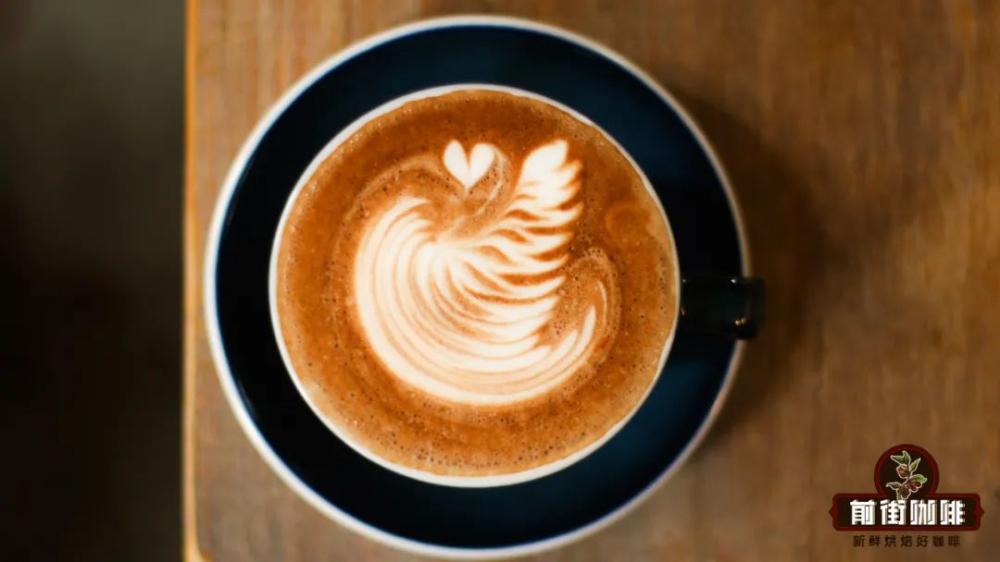
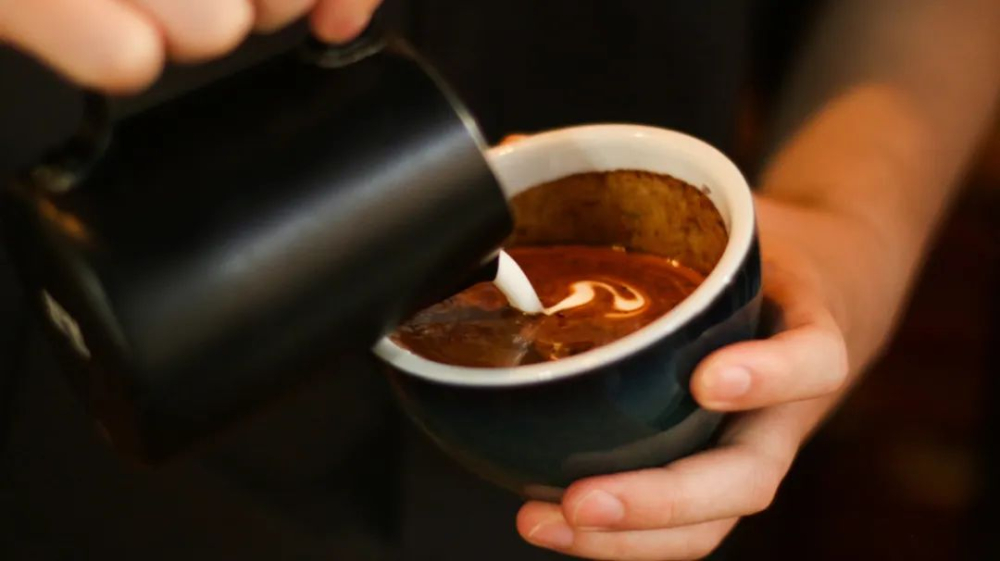
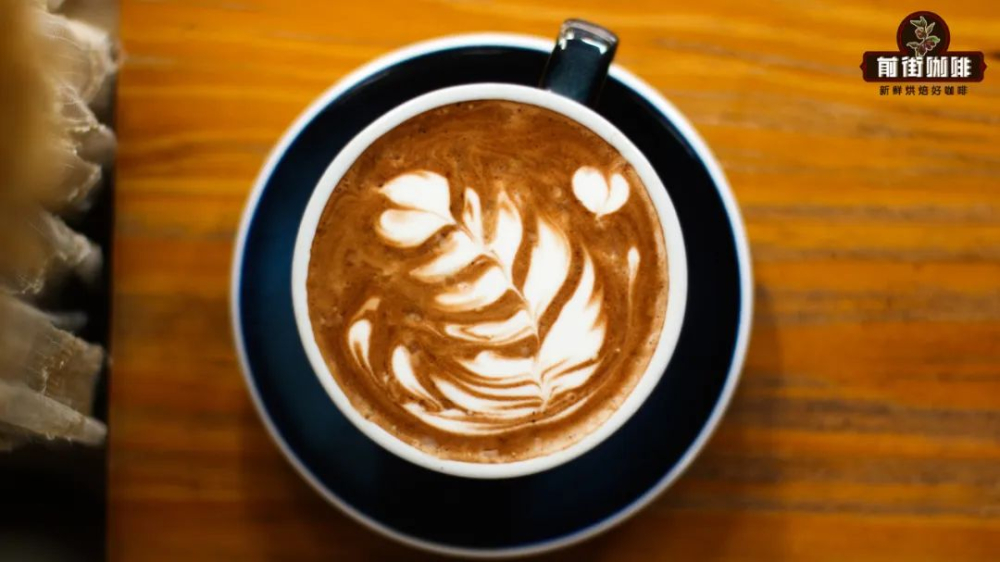
Finally, combine the two. If you plan to perform latte art, note that the base is thicker and thus less fluid, so it’s advised to use more milk to improve flow, which helps create clearer patterns. The result will be a visually appealing, aromatic, and layered hot mocha, with flavors of chocolate, whiskey-like notes, buttery cookie softness, and even a hint of berry finish.
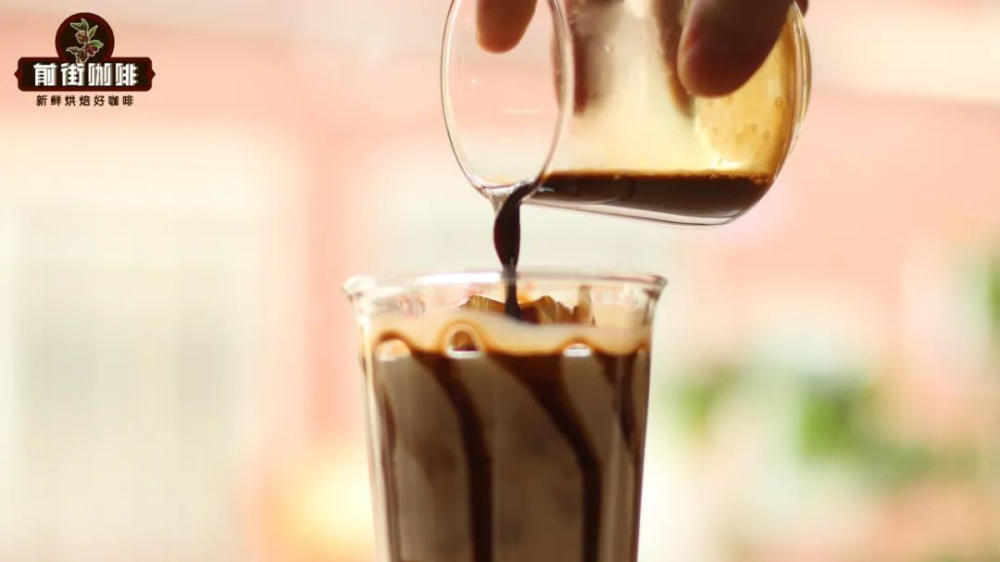
As for iced mocha, since adding ice dilutes
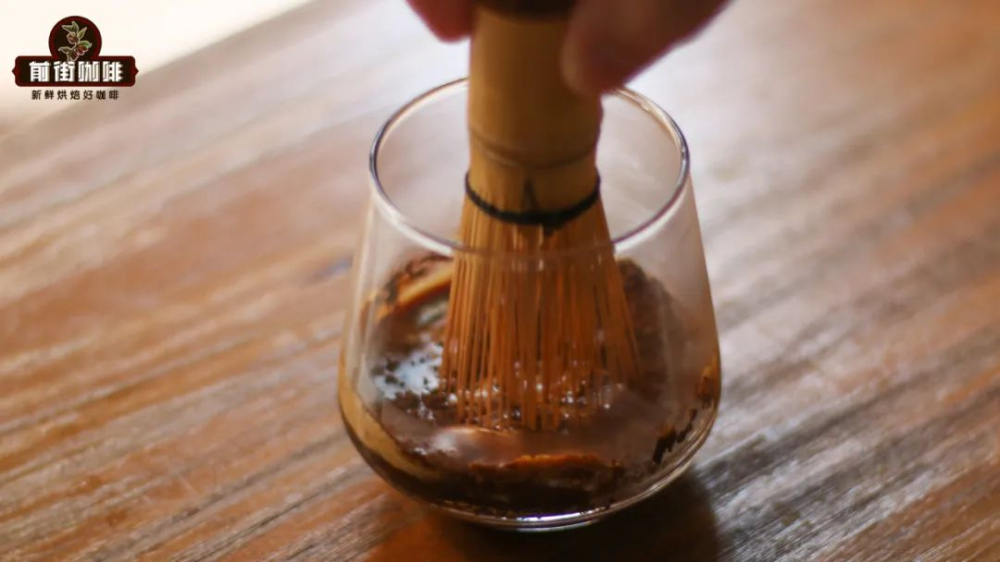
Be sure to stir thoroughly before drinking to ensure the milk and chocolate base are evenly blended. If possible, you can also top it with whipped cream or a milk cap to further enhance the texture layers, making the overall flavor richer and more diverse.
The above content is compiled by CoffeeHunters, a coffee news website.

