







Introduction:Selecting coffee beans is the first step in pour over brewing and directly impacts flavor performance. This article delves into the key factors of choosing freshly roasted coffee beans—from equipment compatibility, flavor preferences to roast date assessment—offering practical advice to help beginners avoid common pitfalls, master the skills of picking high-quality beans, and enjoy a richer extraction experience.
The aroma of coffee is its soul, while freshness is the key determinant of coffee quality. If you want to brew a cup of aromatic and delicious coffee, selecting freshly roasted beans is crucial. Here are six practical tips on buying coffee beans to help you find your ideal choice.
1. Inform the staff about your brewing method
Different pour over tools operate on varying extraction principles and will yield distinct flavor profiles. Before purchasing coffee beans, it’s best to communicate with the staff about your brewing method—such as espresso machine, drip coffee maker, pour over equipment, clever dripper, or cold brew device.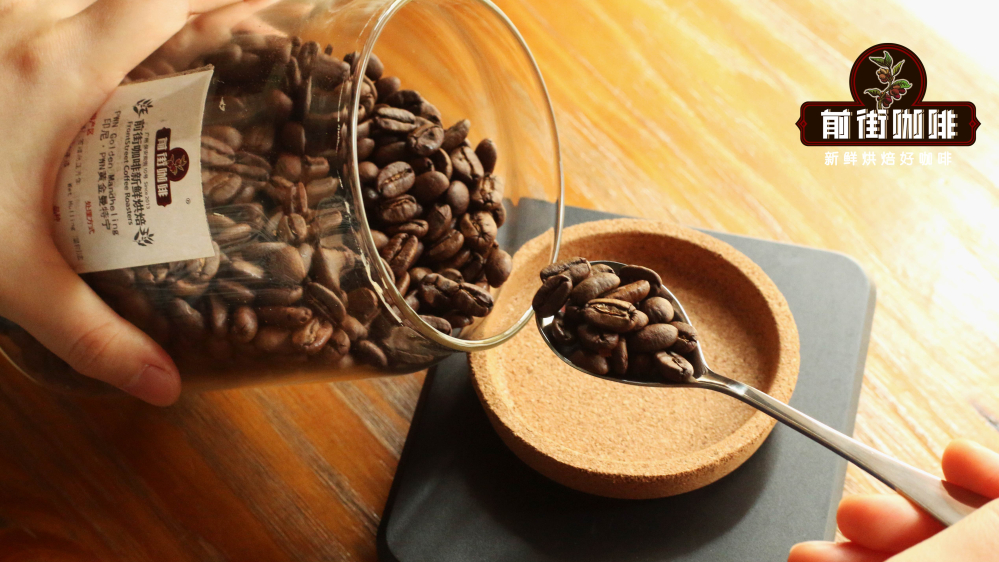 Based on this information, the staff can recommend more suitable beans for you. Additionally, you can share your usage experience—for instance, espresso machines use pressure extraction and suit medium to dark roast beans; clever drippers are immersion-style and may highlight certain beans’ flavors better; cold brew works well with beans designed for low-temperature extraction.
2. Clarify your preferred coffee flavor
Describe to the staff the flavors you enjoy in coffee—no need for overly technical terms. Simple expressions like “I prefer a bold taste” or “I like noticeable acidity” will do. Based on your preferences, they can suggest beans that align with your palate. For example, those who enjoy a bold taste might opt for dark roast beans, while those who prefer bright acidity could go for light roast options.
3. Don’t blindly trust fixed flavor descriptions of coffee beans
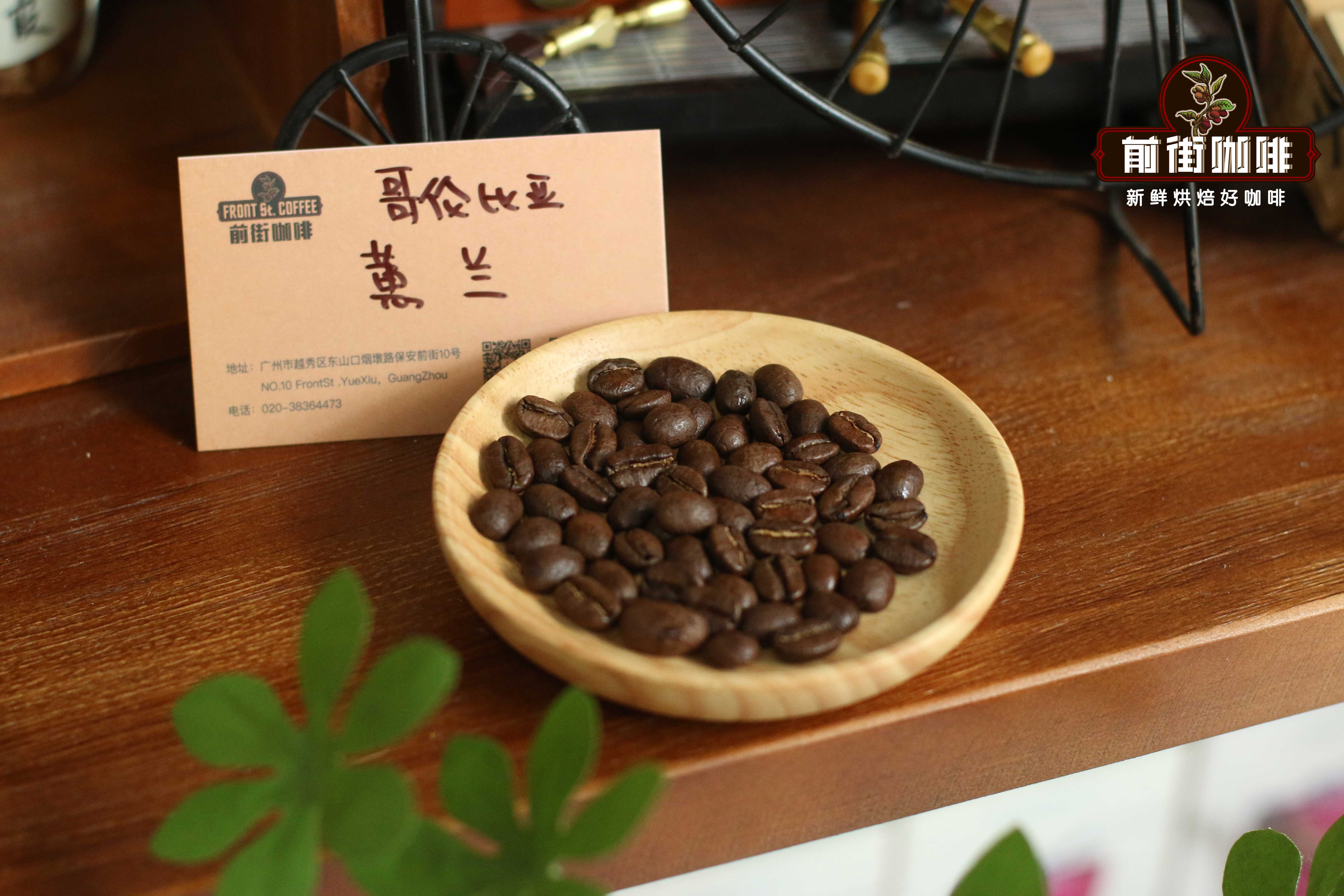
It’s common to hear beliefs like “Colombian coffee must be acidic” or “Indonesian Mandheling is inevitably bitter,” but these notions can be misleading. While green coffee beans do carry regional characteristics, the roasting process plays an equally important role in shaping final flavors. Roasters adjust roast levels based on their flavor understanding, thereby creating diverse taste profiles.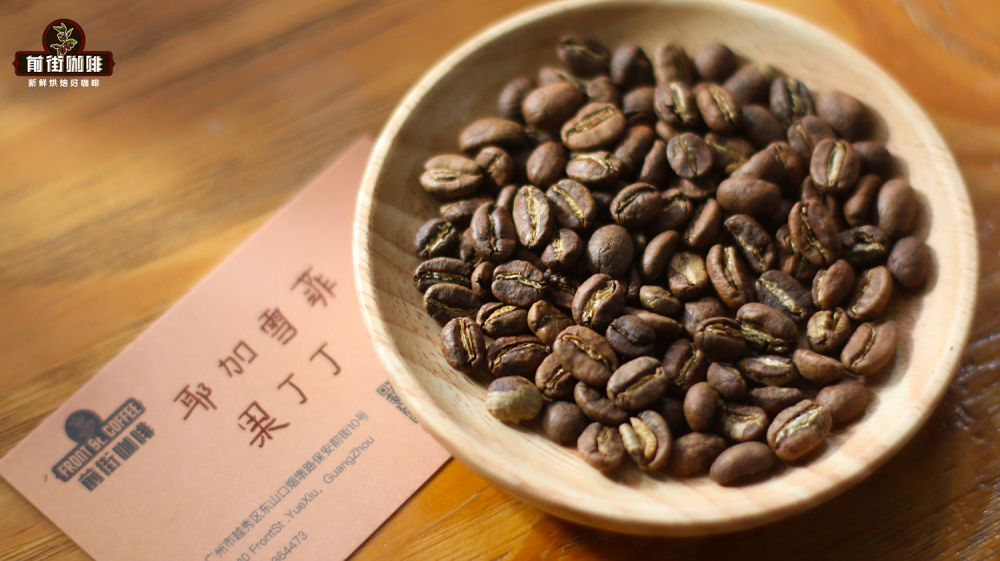 For example, to highlight the berry notes of Kenyan coffee, a medium-light roast may be used; whereas to preserve the white floral notes of 果丁丁, a light roast might be chosen.
4. Pay attention to the roast date of the coffee beans
Roasted coffee beans also have a “freshness window,” and freshness is a critical factor influencing flavor. Similar to seafood, the fresher the beans, the better the flavor. The key to assessing freshness is the “roast date.” Note that after roasting, beans release a large amount of gas, which can hinder the release of flavor compounds—so it’s recommended to let them degas for 4 to 7 days before brewing. However, over time, the beans’ flavors will gradually diminish. After about a month, sweetness fades, leaving mainly bitterness and woody notes. To ensure you get the freshest beans, choose products with a roast date within 5 days.
5. Prioritize whole bean coffee
Many shops offer grinding services, turning whole beans into coffee powder. However, the aroma of coffee mainly comes from volatile compounds, and grinding significantly weakens this aroma. Moreover, as storage time increases, the fragrance continues to dissipate. Therefore, to fully experience the complete flavor of coffee, it’s recommended to buy whole beans and pair them with a suitable grinder for fresh grinding and brewing—this yields the best flavor.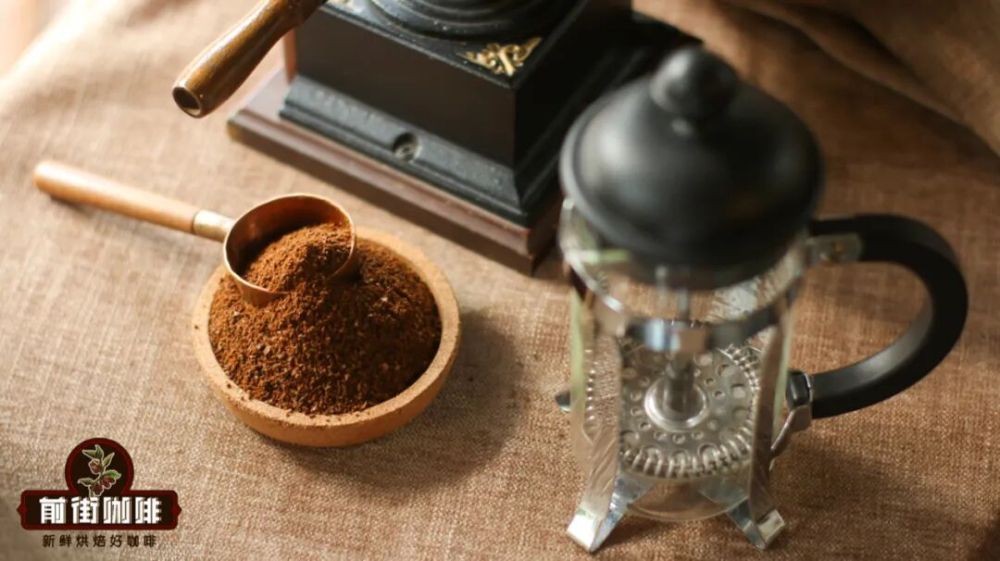
6. Buy in small quantities based on your consumption habits
As mentioned earlier, the aroma of roasted coffee beans gradually weakens after a month, so it’s advisable to consume them as soon as possible. Coffee beans are usually sold by the gram or pound, with one pound equaling approximately 454 grams. Many specialty coffee beans are packaged in half-pound (about 227 grams) sizes. Assuming you brew two cups a day, using 15 grams of coffee powder per cup, a half-pound bag can make around 15 cups—within which the beans remain fresh and deliver optimal flavor.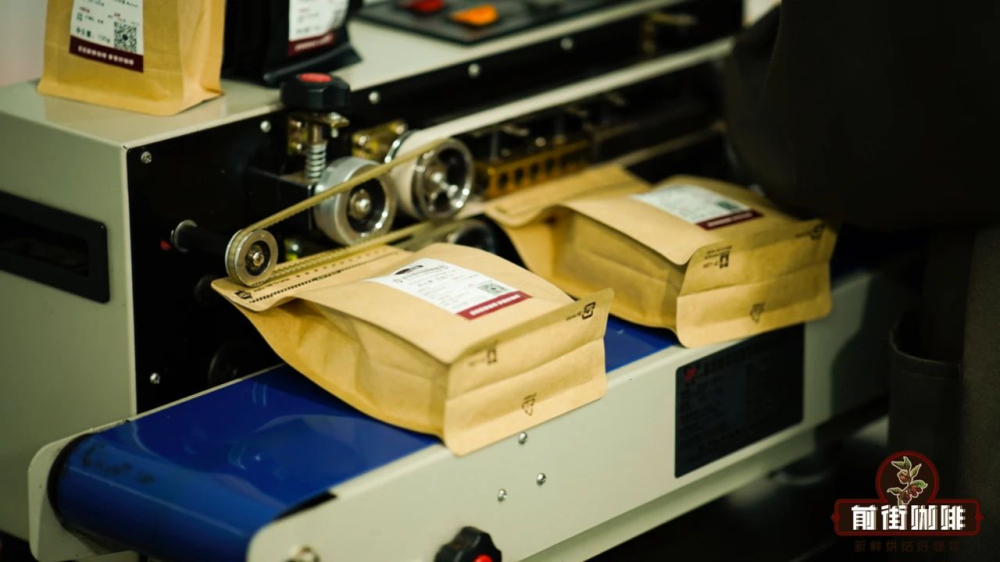
Additionally, when buying coffee beans, consider whether the shop clearly marks roast dates and provides degassing recommendations. Some shops even offer personalized resting time guidance based on beans from different regions—these details can greatly enhance your coffee experience.
The above content is compiled by CoffeeHunters, a coffee news website.

