







Introduction:Have you ever been confused by the term "Mocha"? What’s the connection between Mocha coffee beans, Mocha coffee drinks, and the Moka pot? This article will delve into the historical origins, characteristics, and common misconceptions of these three, helping you uncover the truth behind these "Mochas" and understand their unique flavors and usage tips.
MochaThis term appears frequently in the world of coffee, but what it refers to can vary greatly. Whether you're new to coffee or an experienced enthusiast, you may have been puzzled by "Mocha coffee beans," "Mocha coffee drinks," and the "Moka pot." Though they share the name "Mocha," they come from entirely different historical backgrounds and serve different purposes.

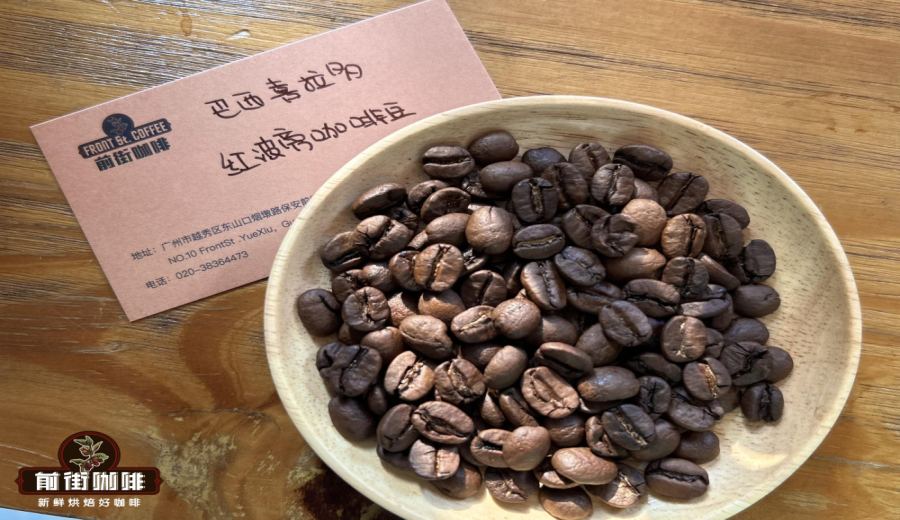
Let’s start withMocha coffee beans. Many people assume that Mocha coffee beans are a special coffee variety, but in fact, they refer to coffee exported from the port of Mocha in Yemen. From the 15th to the 18th centuries, the port of Mocha in Yemen was a major trade gateway connecting Asia and Europe, similar to today’s Shanghai Port. At that time, most coffee beans were produced in the high-altitude mountainous regions of central Yemen and then exported via the port of Mocha. Since Europeans only knew that this delicious coffee came from the "port of Mocha," over time, these beans came to be collectively known as "Mocha coffee beans."
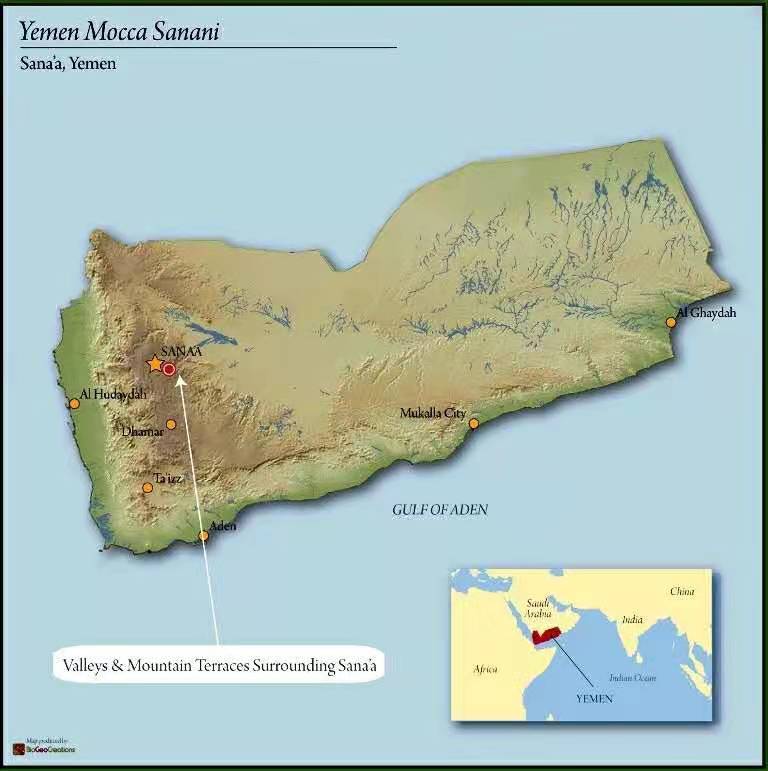
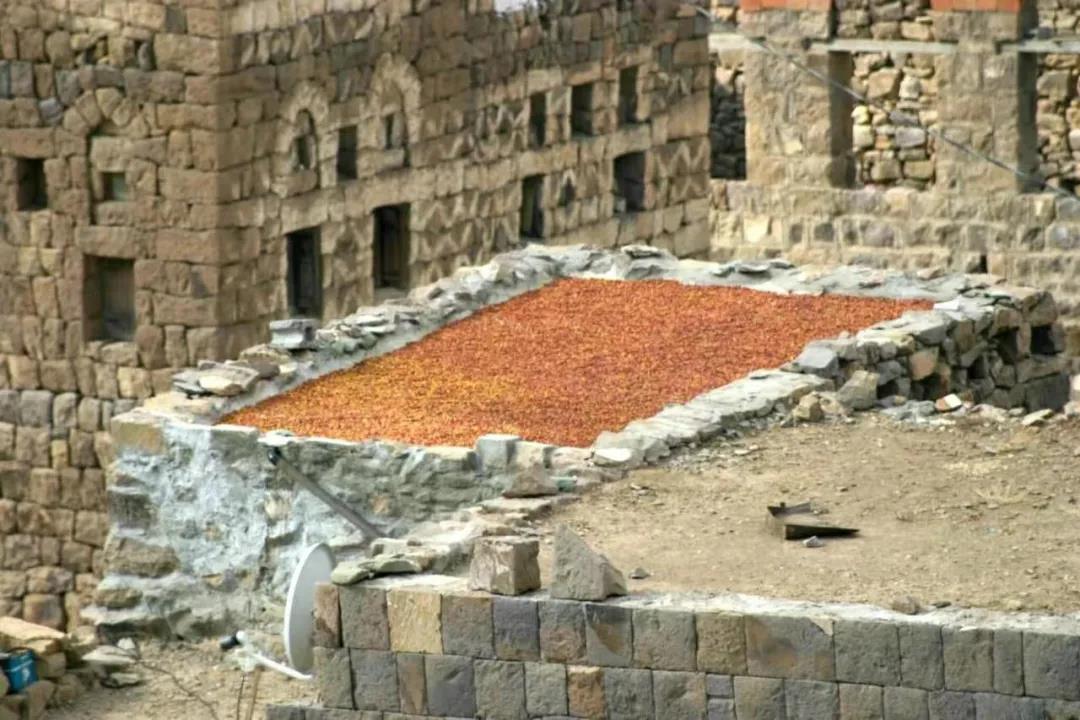
It’s worth noting that Yemeni Mocha coffee remains one of the most precious types of coffee to this day. Due to prolonged political instability in the region, coffee cultivation and exports have been greatly affected, with only small quantities of Mocha coffee being exported each year. Among them,Mokha Mattari (Mokha Mattari)is one of the well-known producing regions, originating from the Bani Mattar area of Yemen, known for its rich chocolate notes and pronounced acidity. Additionally,Sanani (Sanani)exhibits a more rugged and aromatic character. Yemeni coffee is often packed in fine-mesh fabric bags resembling flour sacks, which are quite different from the usual burlap coffee sacks.
Next is the more commonly encounteredMocha coffee (drink). This usually refers to a beverage in the espresso culture made by combining espresso, milk, and chocolate syrup (or cocoa powder). Some shops also use chocolate chunks instead of syrup, melting them into the espresso before adding steamed milk foam to create a sweet and rich coffee experience. Although this type of drink seems unrelated to Yemeni Mocha, its creation actually has an interesting history.

According to research, the Mocha coffee drink can be traced back to 18th-century Italy. At the time, due to the sharp decline in coffee supply from the port of Mocha, Italians began adding chocolate to espresso to recreate the distinct chocolate flavor of Mocha coffee beans, paired with milk, resulting in a beverage with a similar flavor—what we now know as "Mocha coffee." Therefore, this drink was likely named "Mocha" as a tribute to the rare Mocha coffee beans.
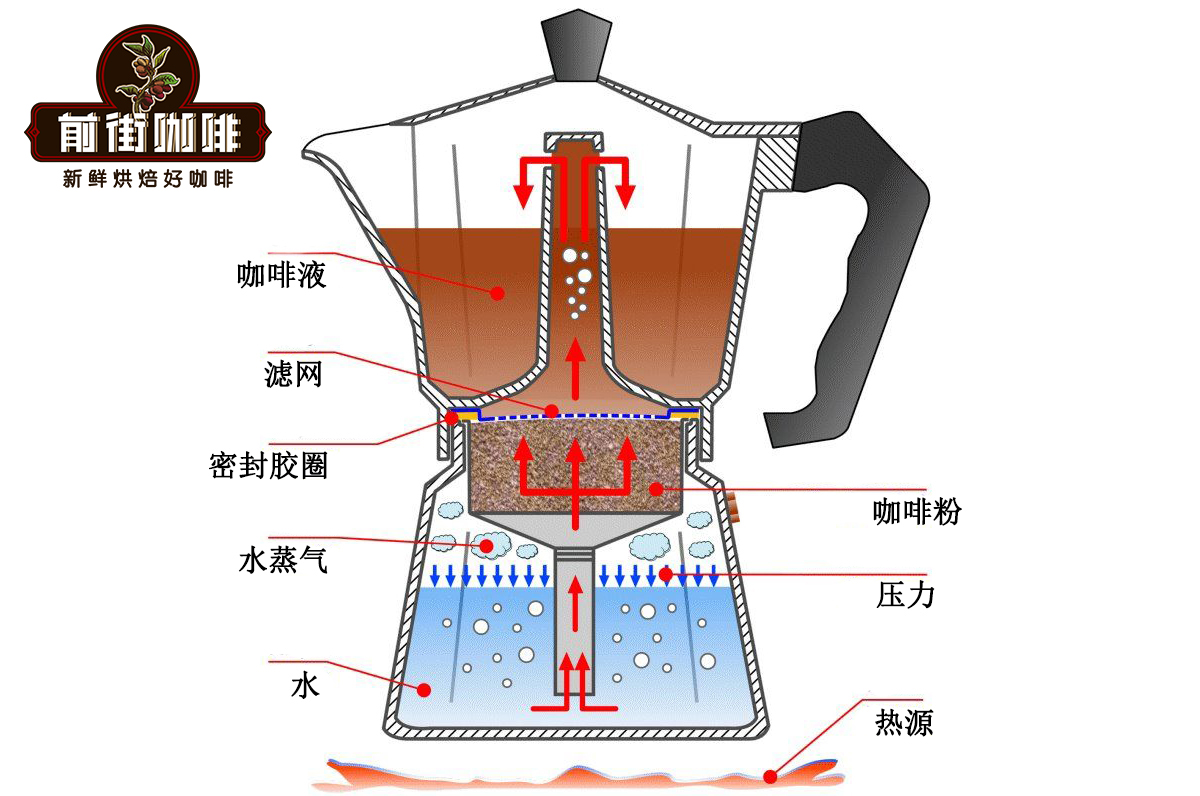
Finally, let’s discuss theMoka pot, which is often misunderstood as having a deep connection to Mocha coffee or Mocha beans. In reality, the Moka pot has almost no association with the port of Mocha. The Moka pot was invented in 1933 by the Italian Alfonso Bialetti as a simple stovetop, pressure-based coffee brewing device for home use. It mainly consists of three parts: the upper chamber, the filter basket, and the lower chamber. Water goes into the lower chamber, finely ground coffee is placed in the filter basket, and the upper chamber collects the brewed coffee.

The Moka pot works by using steam pressure generated from heating the lower chamber (approximately 1.5–2 bar) to push hot water through the coffee grounds, thereby extracting a strong coffee brew. Although the pressure is far less than the 9 bar of commercial espresso machines, it is still enough to extract coffee oils and create a rich texture. Many people mistakenly think the name "Moka pot" is related to Mocha coffee, but in Italian, "Moka" in some regions simply means "coffee," making the Moka pot an ideal tool for enjoying strong coffee easily at home.
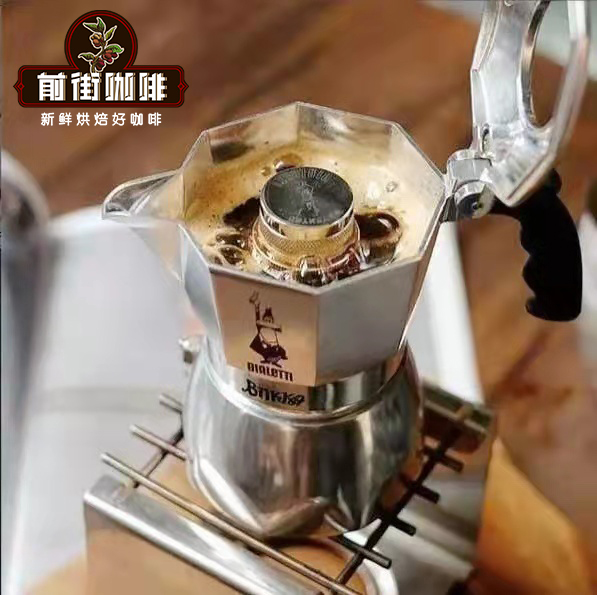
If you want to use a Moka pot to brew coffee, it’s recommended to choosemedium-roasted coffee beansfor a balanced acidity, sweetness, and aroma. If you prefer a bold and rich taste, you might try beans from regions like Brazilian Cerrado or Colombian Huila; if you enjoy fruity flavors with lower bitterness, opt for beans with prominent berry notes, such as Espresso beans with strawberry sugar flavors. In addition, when using a Moka pot, pay attention to heat control and grind size—medium-fine grind is advised, and preheating the device can improve extraction efficiency.
In summary, although Mocha coffee beans, Mocha coffee drinks, and the Moka pot all share the word "Mocha," their historical backgrounds, uses, and flavor profiles are vastly different. Understanding their origins not only helps you select and enjoy coffee more accurately, but also allows you to showcase deeper coffee knowledge when chatting with friends.
The above content is compiled by CoffeeHunters, a coffee news website.


