







Introduction:Drip bags combine the convenience of pour over brewing with the flavor of freshly ground coffee, making them a daily favorite for many coffee enthusiasts. This article delves into the flavor characteristics of drip bags, explains the principles of filter-based extraction, and provides a detailed guide on the correct brewing steps and parameters — including water temperature control, coffee-to-water ratio, and pulse pouring techniques. It also explores the unique traits of popular flavor profiles such as Yirgacheffe, helping you brew professional-level coffee at home.
With the accelerating pace of modern life, more and more coffee lovers are choosing drip bags as their everyday beverage. Compared to traditional instant coffee, drip bags preserve the original flavors of coffee beans without any artificial additives, delivering a purer coffee experience. This portable design is especially suitable for office use, travel, or at home — all you need is hot water and a cup to enjoy the rich aroma of freshly ground coffee.
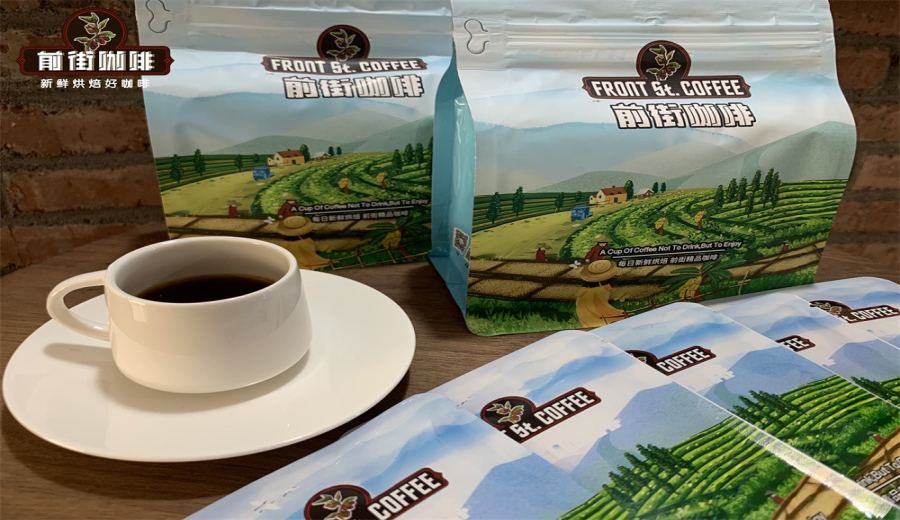
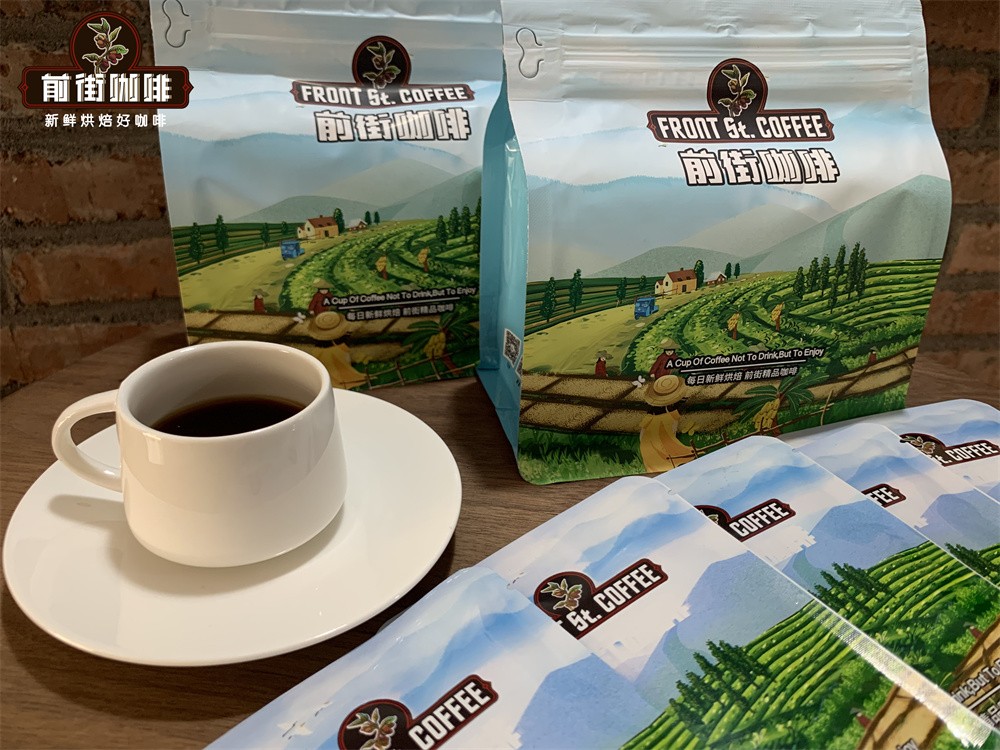
Many coffee drinkers familiar with pour over may find that the flavor profile of drip bags is slightly more mild. This is mainly because the coffee grounds have been exposed to air inside the packaging for some time, causing some volatile aromatic compounds to gradually dissipate. High-quality drip bag products typically use freshly roasted beans that are ground and portioned just before packaging.It is recommended to choose products roasted within 5 days.This ensures the best possible flavor.
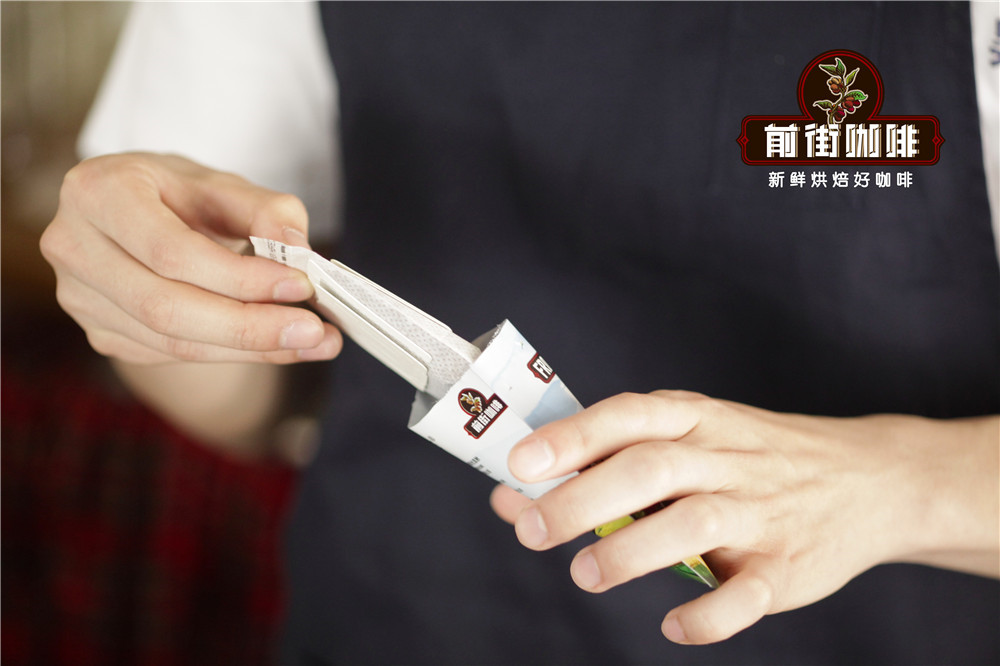
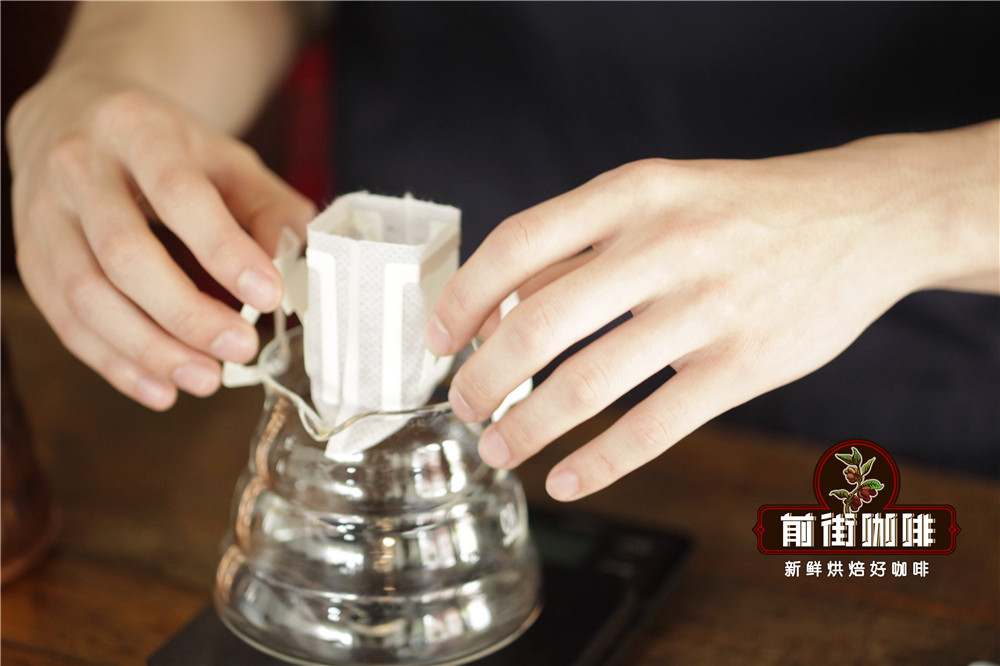
So-called drip bags are actually made by packing finely ground coffee into a filter pouch, equipped with two detachable "ears" on either side for hanging. This innovative packaging, originating from Japan, solves the problem of unstable extraction found in traditional filter packs.The patented design improved by UCC Ueshima Coffee in 2001allows the filter pouch to evenly hold hot water, achieving a complete drip filtration process. Users simply hang the filter pouch on the edge of a cup and pour in hot water to complete the extraction.
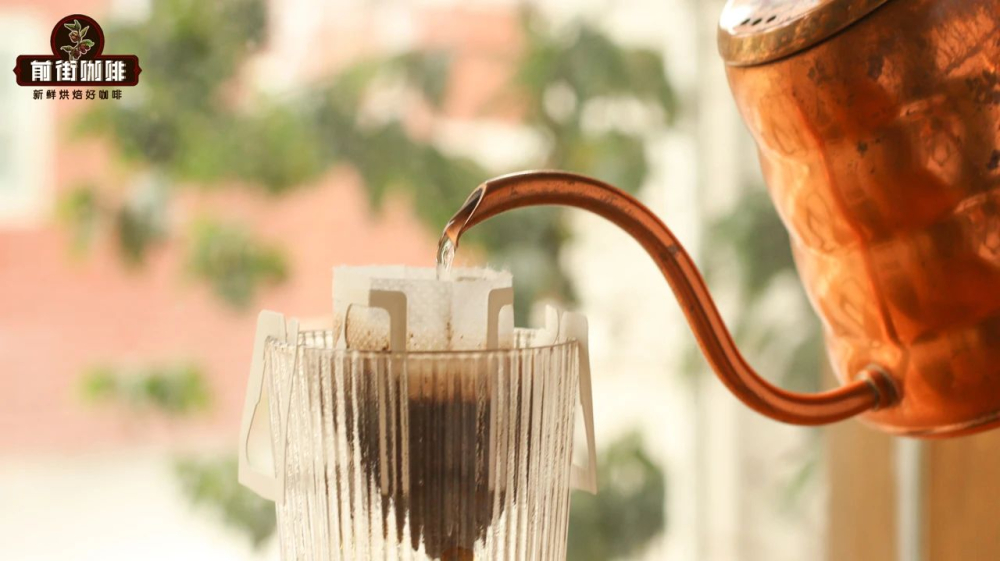
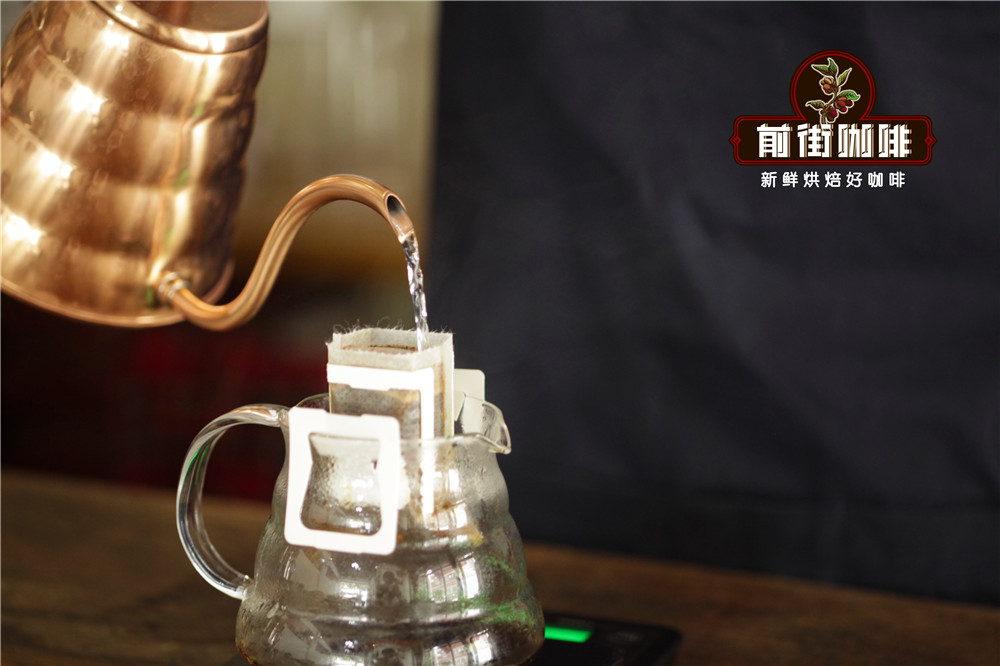
A common misconception is to soak the drip bag directly like a tea bag, which results in under-extracted flavors. The correct method is to use the drip filtration technique:The first pour focuses on blooming,using a small amount of hot water (about 20–30ml) to wet all the coffee grounds, then letting it sit for 10–20 seconds to allow carbon dioxide to escape. This step is crucial for developing a full flavor profile.
Here are the recommended parameters for actual brewing:Use 10g of coffee grounds with 150ml of hot water(a ratio of 1:15), with water temperature controlled around 90°C. Pour water in three stages up to the edge of the filter pouch, waiting for the liquid level to drop between pours. The total extraction time should be about 2–3 minutes. This segmented pouring method helps to evenly release acidity, sweetness, and body, while avoiding over-extraction that can lead to bitterness.
In terms of flavor characteristics, drip bags from different regions each have their own unique profiles. For example, beans from the Yirgacheffe region often exhibit distinct citrus notes and floral aromas, Brazilian beans showcase nutty and chocolatey finishes, while Indonesian Mandheling is known for its full body and herbal fragrance. These flavor profiles can vary slightly depending on roast level and brewing parameters — beginners are encouraged to take notes on their brewing conditions to discover personal preferences.
During the brewing process, pay attention to a few key details: let freshly boiled water sit for 1–2 minutes to cool slightly, as high temperatures can damage delicate flavors; ensure the drip bag’s ears are fully unfolded for smooth water flow; when pouring, use circular motions starting from the center and moving outward to promote even extraction.Once extraction is complete, remove the filter pouch immediatelyto prevent over-steeping, which can cause woody or papery off-flavors to emerge.
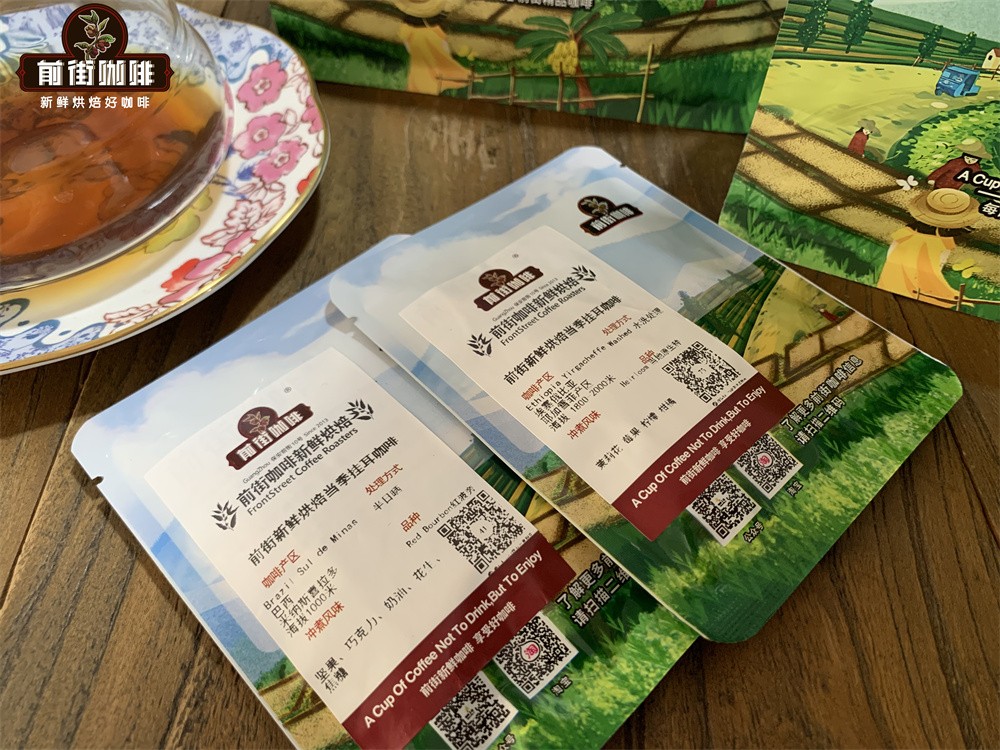
For frequent travelers, drip bags offer an ideal compromise. Compared to pour over methods that require specialized equipment, drip bags can be used with basic tools while still maintaining a high level of flavor. The grind size is usually slightly finer than for pour over, which helps to fully release flavor compounds even without pressure extraction. It is recommended to consume any unused coffee grounds promptly, as they oxidize faster when exposed to air.
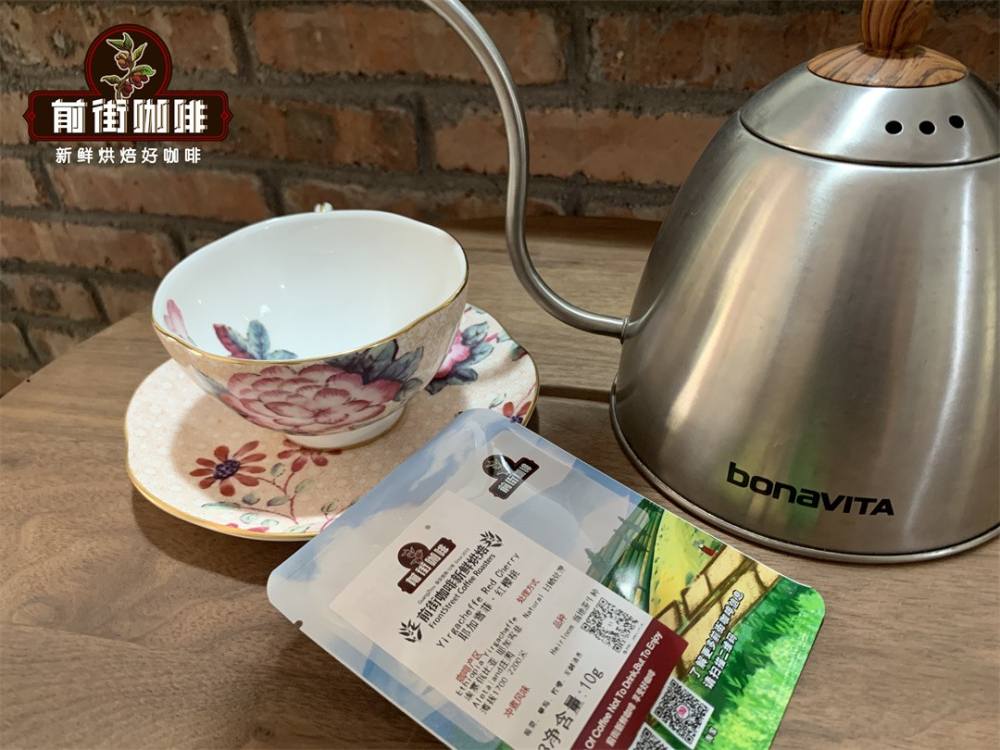
A professional tip is to observe the flow rate of the coffee liquid: ideally, it should drip steadily. If the flow is blocked or too fast, it may indicate issues with grind size or packing density. When the dripping noticeably slows down, it signals that extraction is nearing completion. At this point, you can remove the filter pouch and adjust the taste with sugar or milk according to your preference.
Once you master the correct brewing technique, drip bags can deliver surprisingly complex flavor layers — from bright citrus acidity to a caramel-like sweetness in the finish. Every brewing variable can influence the final outcome. Beginners are advised to use the same bean consistently to practice adjusting parameters, gradually developing the ability to discern different flavor profiles and uncovering their personal favorite coffee expressions.
The above content is compiled by CoffeeHunters, a coffee news website.


