







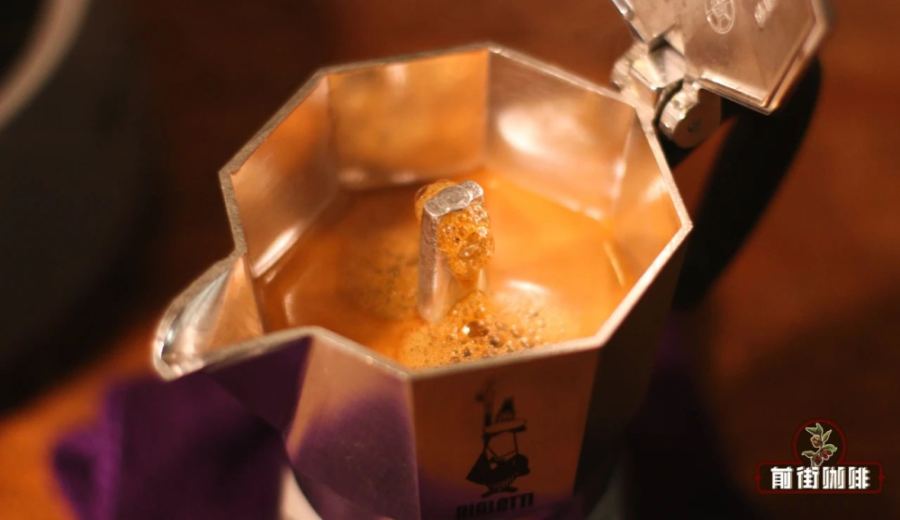
Introduction:Want to brew richly flavored espresso at home with ease? The moka pot is the go-to tool for many coffee enthusiasts. This article delves into the structure and working principles of the moka pot, explains why medium-dark roasted coffee beans are ideal for it, and offers practical advice on grind size, water temperature, and extraction time. Whether you're a beginner or a seasoned home barista, you’ll learn key techniques for adjusting flavor and avoiding common pitfalls.
Modern coffee lovers are no longer limited to pour over or takeout drinks—more and more people are challenging themselves to make various styles of espresso at home. Among them, the moka pot stands out as a top choice for beginners due to its simple operation and bold flavor. This classic Italian device quickly extracts coffee rich in crema, and while it’s not as intense as a professional espresso machine, it delivers a richer texture than pour over.
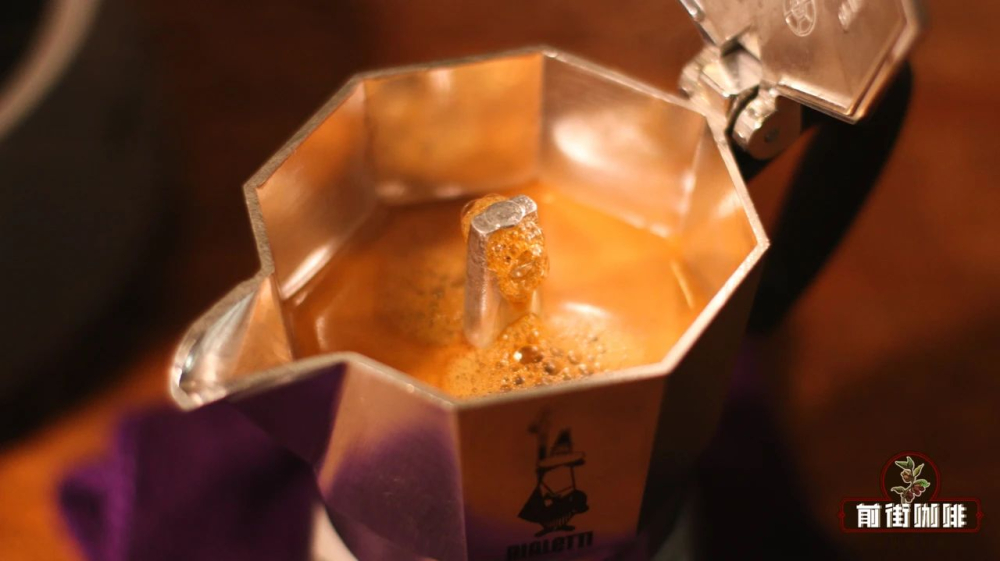
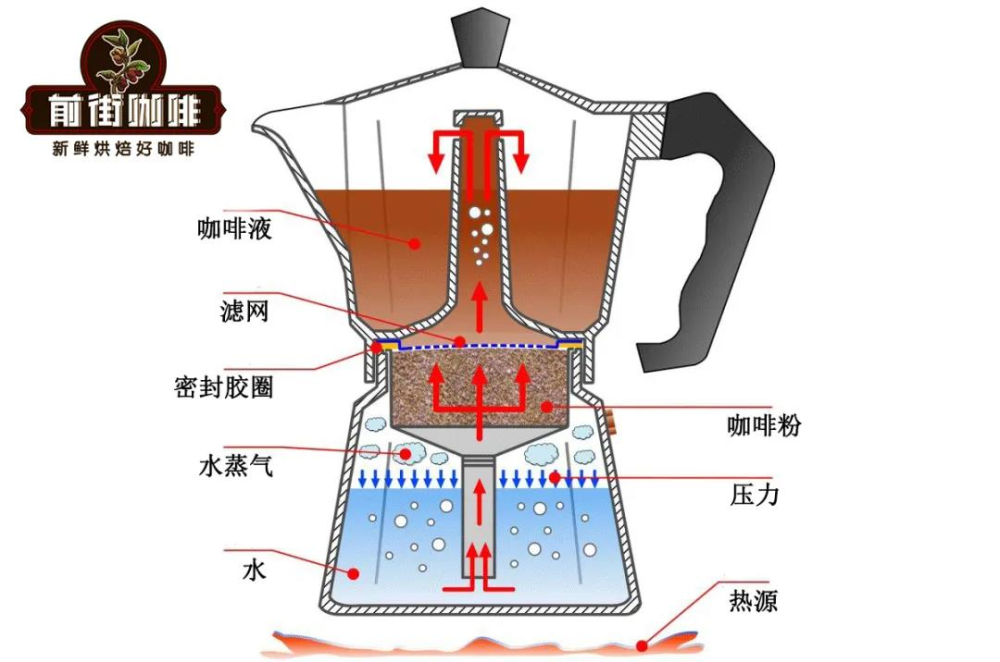
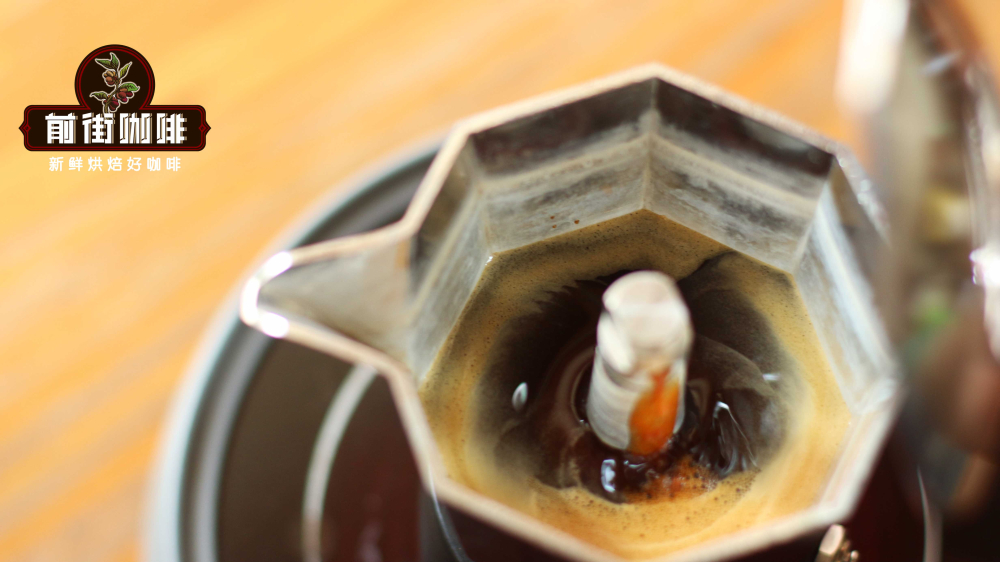
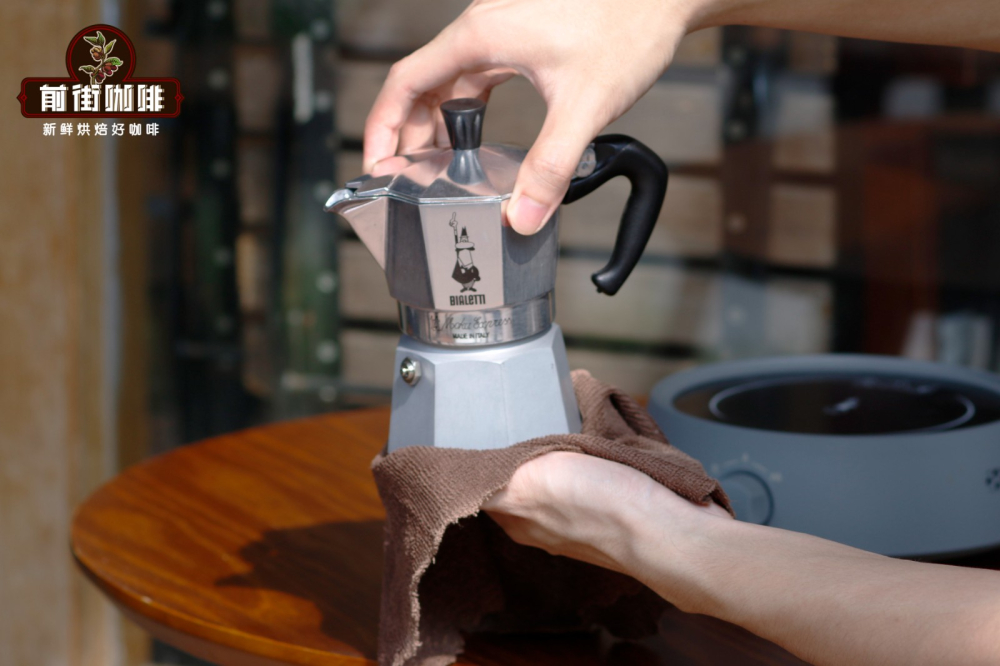
The moka pot works in a very intuitive way: heat applied to the lower chamber boils the water, generating steam pressure that forces the water upward through the coffee grounds in the middle filter basket, eventually collecting as brewed coffee in the upper chamber. The key is controlling the heat—once the coffee starts flowing, it’s recommended to reduce the flame to avoid over-extraction, which can lead to a burnt, bitter taste. This design concept is similar in principle to the Japanese siphon, both utilizing airflow to drive extraction.
Common moka pots on the market come in two types: single-valve and double-valve. The double-valve design uses an additional pressure valve to increase extraction pressure, resulting in richer coffee crema. Compared to the single-valve version, it offers a bolder and more layered flavor. The single-valve model, on the other hand, is known for stable output and is better suited for those who prefer a lighter taste. Choose based on your personal preference for crema and intensity.
When it comes to coffee bean selection, medium-dark roast is the best match for the moka pot. These beans, due to their deeper roast level, contain sufficient carbon dioxide that can release abundant crema under high pressure. Lighter roasts retain more fruity and floral acidity but often lack enough gas, resulting in less impressive crema. It’s recommended to choose beans with a clear roast level and darker color for optimal extraction.

Grind size must be precisely controlled between 0.3 to 0.55 mm, sitting between pour over and espresso machine grind levels. Too coarse will cause water to flow too fast, resulting in thin crema, while too fine can obstruct water flow and risk overheating. In practice, if the coffee sprays out like a fountain, the grind is too coarse and needs adjustment; conversely, if you hear bubbling and the flow is slow, turn off the heat immediately—this may indicate the grind is too fine.
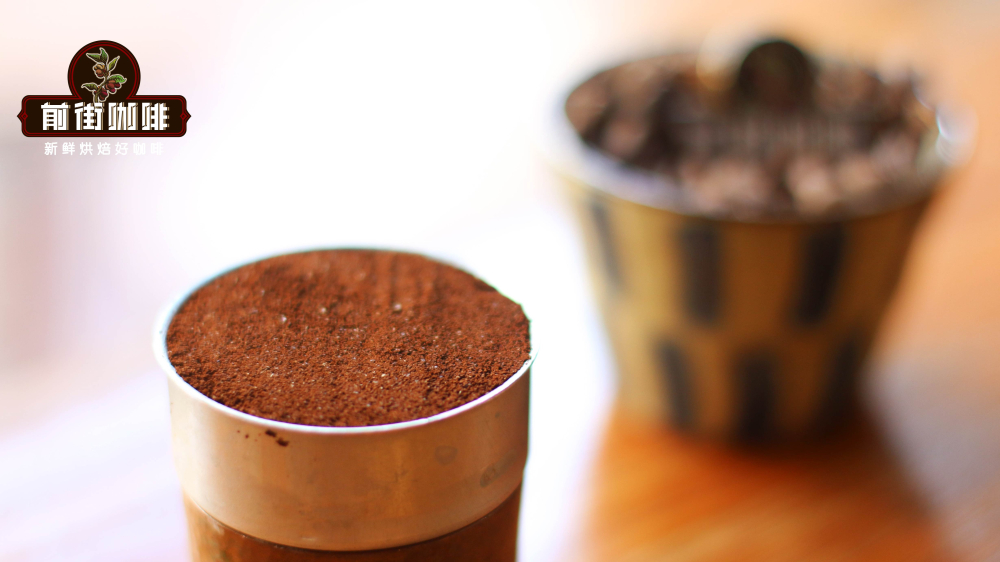
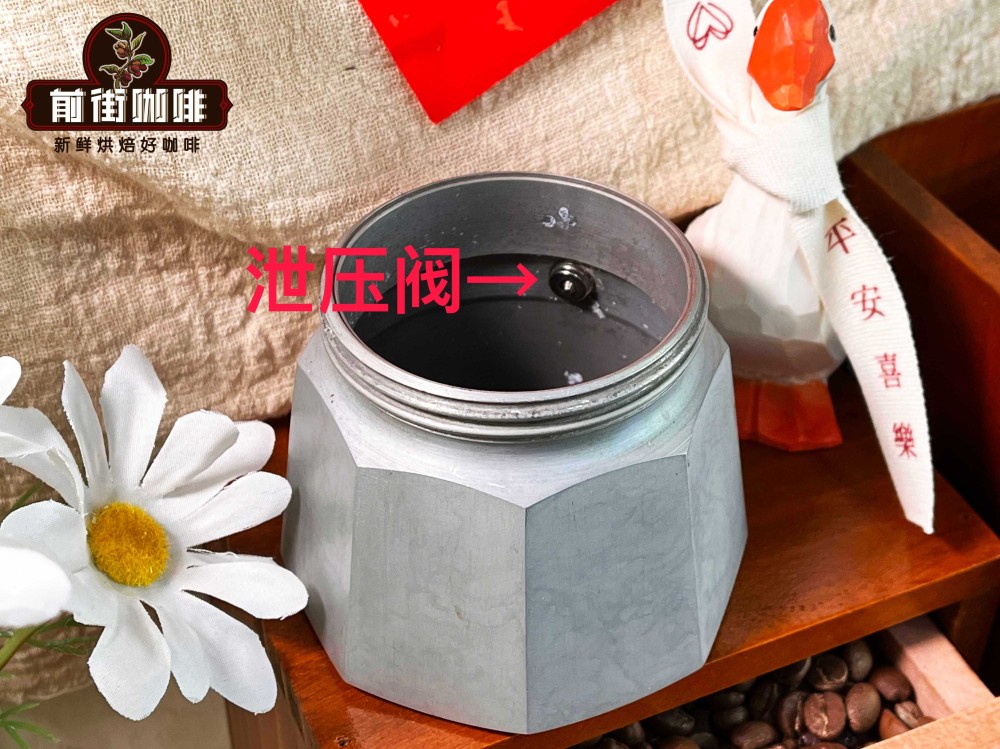
Water temperature control is equally crucial. It’s recommended to use near-boiling hot water (around 92–96°C). Using cold water directly will prolong heating time, leading to over-extraction and disrupting flavor balance. Preheat the water to just before boiling before pouring it into the lower chamber, and be sure the water level does not exceed the pressure relief valve to prevent pressure-related hazards.
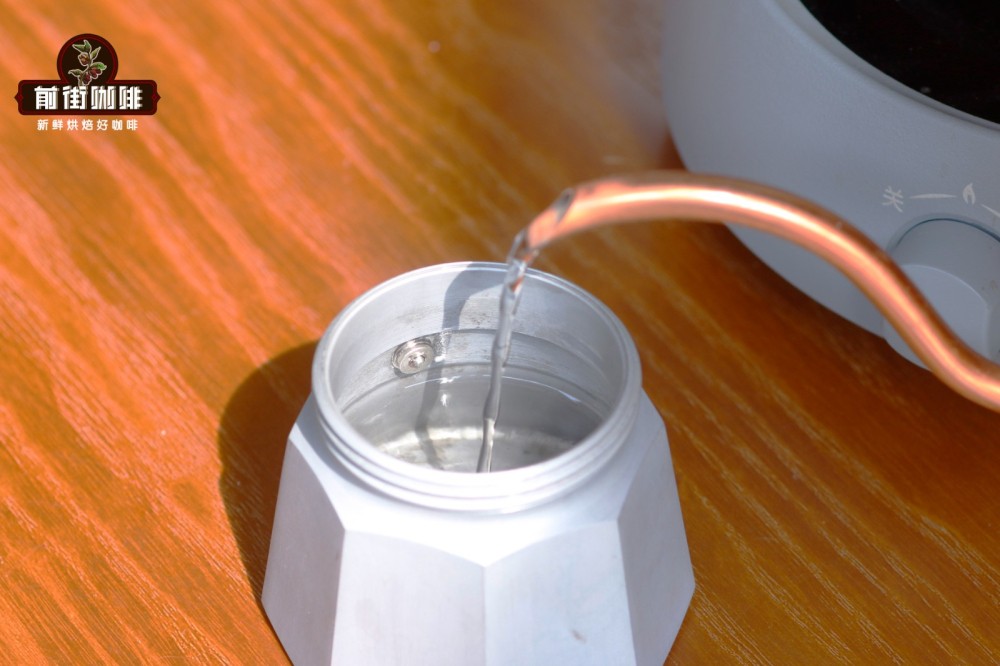
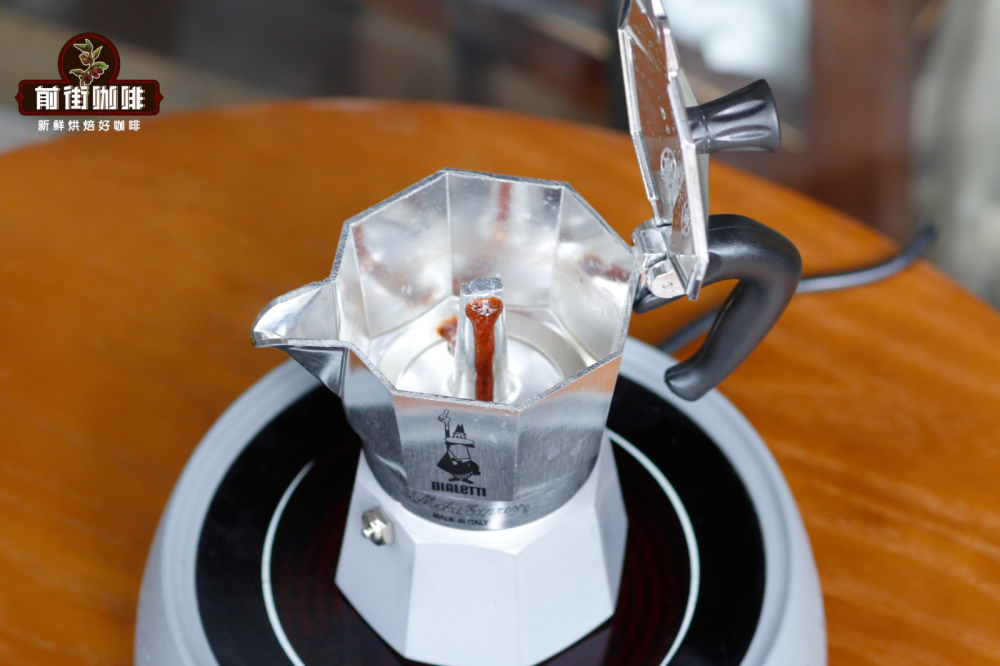
The full operation process consists of five steps: first, fill with hot water, then add the ground medium-dark roast coffee, assemble the upper and lower chambers, and heat with the lid open. Once the coffee flows steadily, quickly remove the heat source to complete the extraction. Maintain consistent heat throughout, and observe changes in flow rate to judge whether the grind and heat settings are appropriate.
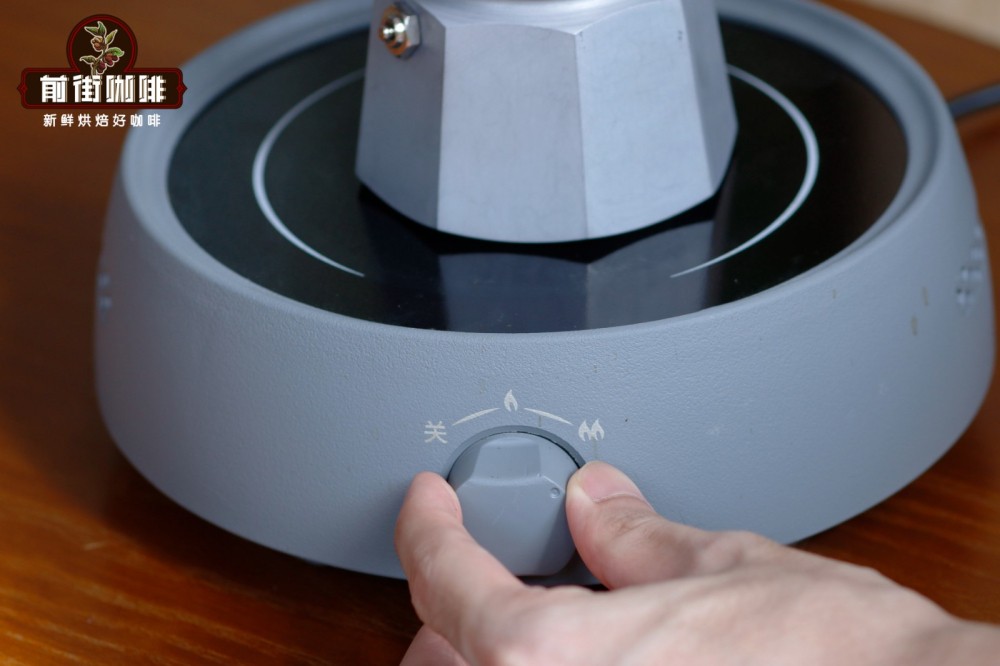
Advanced tips include adjusting the tamping level of the coffee grounds and the extraction time. For those who prefer a stronger flavor, gently press the coffee surface and consider a second light tamp if needed. When using lighter roasts, slightly extending the dwell time of the coffee in the pot can enhance flavor concentration. Additionally, combining with properly heated milk (around 70°C) allows you to make lattes or cappuccinos—note that the fineness of the milk foam greatly affects the final mouthfeel.

For cleaning and maintenance, always allow the moka pot to cool completely before disassembling and washing the filter and chamber. Never use steel brushes or abrasive cleaners to avoid scratching the metal surface. Aluminum models should not be placed in a dishwasher, and it’s recommended to rinse and thoroughly dry them afterward to prevent limescale buildup and discoloration. Regularly check the function of the pressure relief valve to ensure safe usage.

The above content is compiled by CoffeeHunters, a coffee news website.


