








Introduction:Want to learn how to brew the perfect Americano? This article starts with the fundamental coffee-to-water ratio of espresso, delves into the golden range of ratios for Americano, common brewing parameters, and the types of coffee beans suitable for making an Americano. We will also analyze the differences between hot and iced Americanos, as well as the essential distinctions between Americano and cold brew, helping coffee enthusiasts find the flavor and method that suits them best.
A classic shot of espresso can be transformed into a variety of flavorful coffee drinks through different preparation methods. Add hot water, and it becomes the familiar hot Americano; add ice, and it turns into a refreshing iced Americano. Even drinking a single shot of espresso straight can leave a deep impression of the coffee bean’s flavors. So, if you want to make a standard Americano at home or in a café, what should the coffee-to-water ratio be? How can you extract a balanced and smooth flavor? Let’s start with espresso.
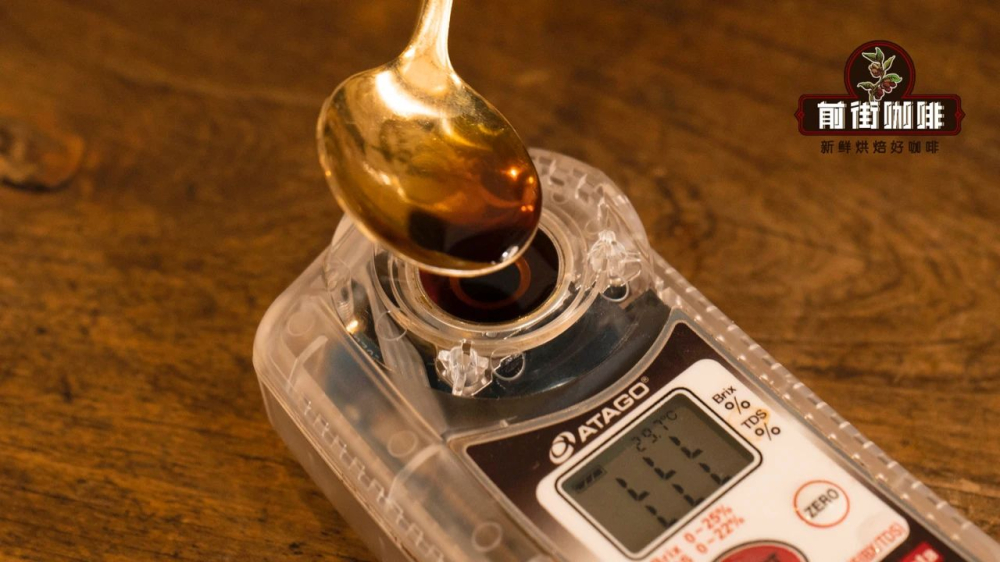
In reality, different shops set varying coffee-to-water ratios for Americano. A common practice is to use a double shot of espresso (about 30–60 ml) as the base, then dilute it with an appropriate amount of hot water. If you prefer a stronger-tasting Americano, you can reduce the water proportion; conversely, if you like it lighter, you can increase the water amount. The generally recommended coffee-to-water ratio range is around 1:4 to 1:5, which also aligns with the basic requirements of the Golden Cup Standard—namely, an extraction yield of 18%–22% and a concentration between 1.15%–1.55%.

For example, assuming you use 15 grams of coffee grounds and extract about 60 ml of espresso (commonly divided into the first, middle, and last streams to observe flavor variations at different stages) using an espresso machine, then dilute it with hot water according to the Golden Cup Standard, the final coffee liquid volume typically falls within the range of 240–300 ml. This ratio not only preserves the layered flavors of the espresso but also makes the overall taste rounder and more balanced, suiting the drinking preferences of most people.

After multiple tests and tastings, a coffee-to-water ratio widely regarded as balancing general acceptability and the coffee’s inherent flavors is 1:4.5. This ratio is particularly suitable for specific blend beans, such as a 7:3 mix of Honduran Sherry coffee and Ethiopian Yirgacheffe Natural Red Cherry, which, when diluted, showcases enchanting wine-like aromas and cocoa aftertastes. However, the characteristics of different coffee beans can also affect fine-tuning of the ideal ratio, so it’s recommended to experiment gradually based on personal preference.
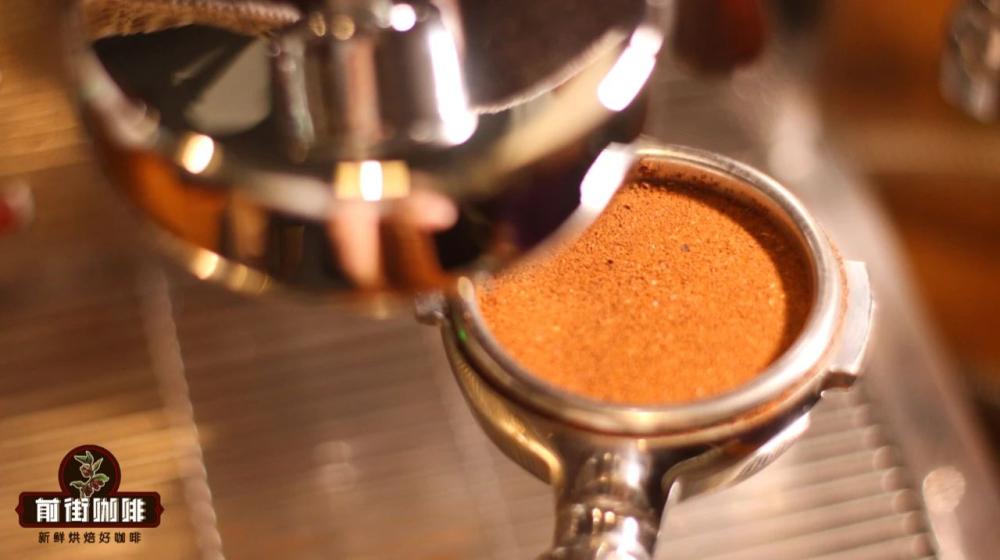
When it comes to choosing coffee beans for making Americano, most shops typically use espresso-roasted blends. These beans are generally roasted darker to ensure they can still release a rich, full-bodied flavor and ample crema under the high temperature and pressure conditions of espresso extraction. Unlike the light to medium roast beans commonly used for pour over, which emphasize floral, fruity acidity and origin characteristics, espresso beans focus more on overall balance, body, and harmony.
Espresso blends on the market can generally be divided into several flavor types: one type features a balanced profile of acidity, sweetness, and bitterness, such as a blend combining beans from Guatemala, Colombia, Brazil, and Tanzania in a ratio of about 3:3:2:1, suitable for beginners new to espresso; another type emphasizes bitterness and crema expression, such as blends that include Robusta beans, delivering richer nutty and chocolatey flavors; those who prefer acidity can opt for blends based on Yirgacheffe and Tanzania, balanced with appropriate amounts of Brazilian and Colombian beans to moderate excessive acidity.
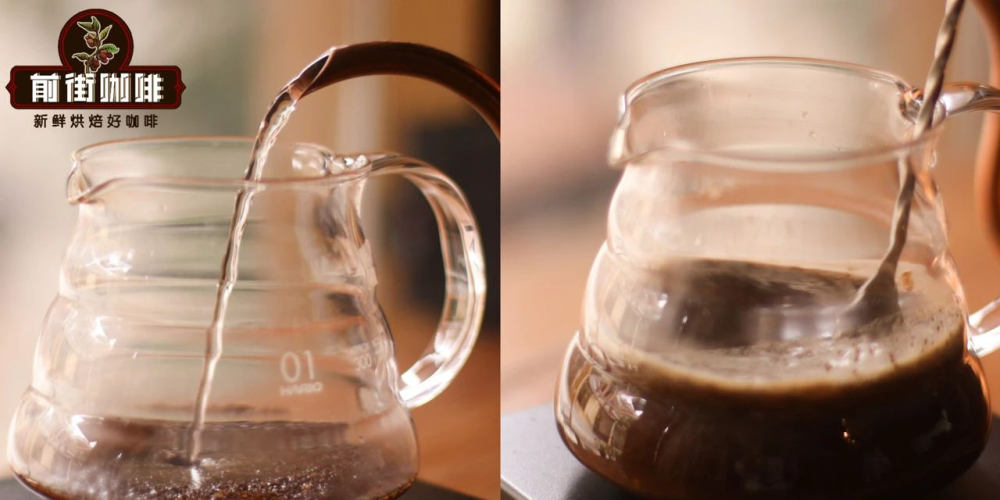
Additionally, if the weather is hot and you want to enjoy a cool iced Americano, simply mix the extracted espresso with pre-chilled cold water at a 1:1 ratio, stirring gently until uniform. The flavor presentation of iced Americano differs slightly from that of the hot version; due to the lower temperature, the acidity is more subdued, but the overall refreshment level is enhanced, making it suitable for summer consumption. It’s worth mentioning that many people often confuse iced Americano with cold brew, but in fact, the two differ fundamentally in their preparation methods.

Cold brew involves low-temperature, long-duration extraction, typically by steeping coarsely ground coffee in cold water and refrigerating it for about 12 hours before filtering and serving. This method results in coffee with lower acidity, more pronounced sweetness, and a gentler overall flavor due to the lack of heat, making it suitable for longer storage. But whether it’s hot Americano or cold brew, the key lies in selecting the right coffee beans and mastering the basic extraction or dilution parameters, in order to taste the true essence of each type of coffee.

In summary, making a delicious Americano isn’t complicated—the key is understanding the core range of coffee-to-water ratios, choosing the right type of coffee beans, and fine-tuning according to personal taste preferences. From a ratio of 1:4 to 1:5, from blends to single-origin espresso, each combination can bring a different flavor experience. We hope this article helps you find your own unique Americano flavor in the world of coffee.

The above content is compiled by CoffeeHunters, a coffee news website.


