







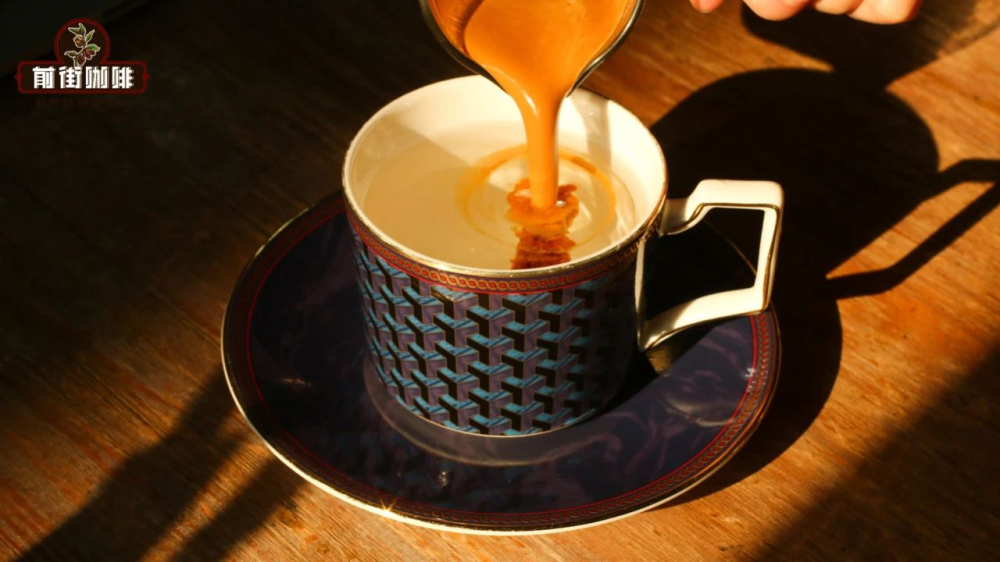
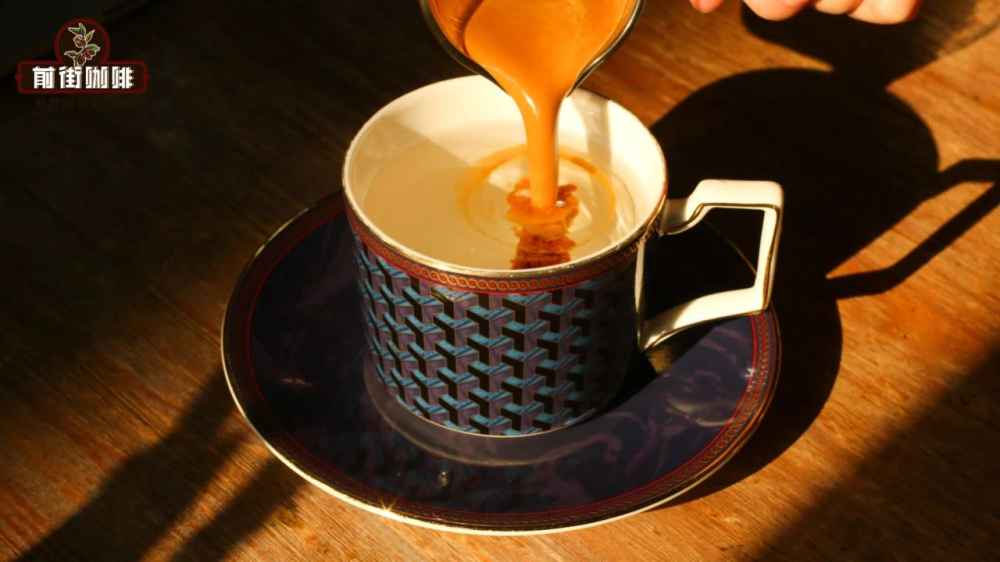
Introduction:Thanks to its refreshing taste and low-calorie nature, Americano has become the go-to daily beverage for many. This article delves into the brewing principles and flavor differences between hot and iced Americanos, guiding you through the key parameters from espresso extraction to blending. It also explores how different roast levels and bean varieties influence flavor. Whether you prefer a pure bitter taste or enjoy a slightly sweetened version, you’ll find a drinking style that suits you.
In recent years, Americano has gained widespread popularity among office workers and fitness enthusiasts for its simple flavor profile and digestive benefits. This beverage, made by diluting espresso with hot water, not only reduces fat content but also stands out as a common choice in healthy diets due to its low sugar content.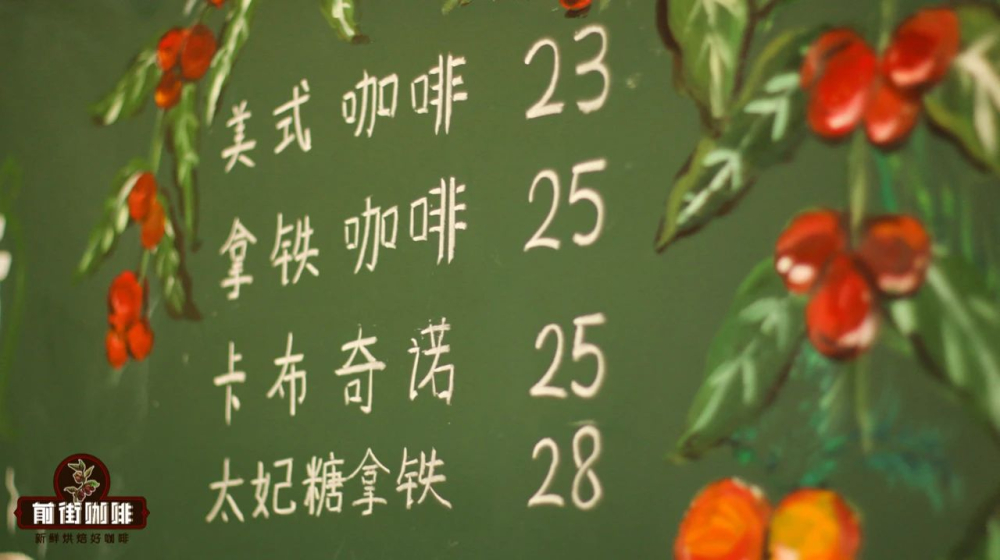
So-called Americano is actually a simple preparation method that mixes one or more shots of espresso (Espresso) with hot water at a specific ratio. Standard espresso is typically extracted at 9–10 bars of pressure, whereas Americano adjusts the concentration by adding about 1:2 to 1:5 hot water. It’s worth noting that unsweetened Americano contains a higher concentration of coffee tannic acids, so first-time drinkers may need time to adapt to its pronounced bitterness.
 The choice of coffee beans directly impacts the final flavor. Most commercially available Americanos use dark-roasted blends—these beans are processed at temperatures above 220°C, producing rich cocoa, caramel, and even smoky aromas. For example, when using a common blend ratio of Latin American beans to Southeast Asian beans at about 7:3, the acidity and body are balanced while maintaining a moderate crema layer.
For hot Americano preparation, it is recommended to use hot water at 90.5–96°C for dilution. In practice, when combining a double shot (about 40ml) with 180–200ml of hot water at a 1:4.5 coffee-to-water ratio, the best balance is achieved—under this ratio, caffeine content is approximately 150mg, suitable for situations where you need a pick-me-up without excessive stimulation.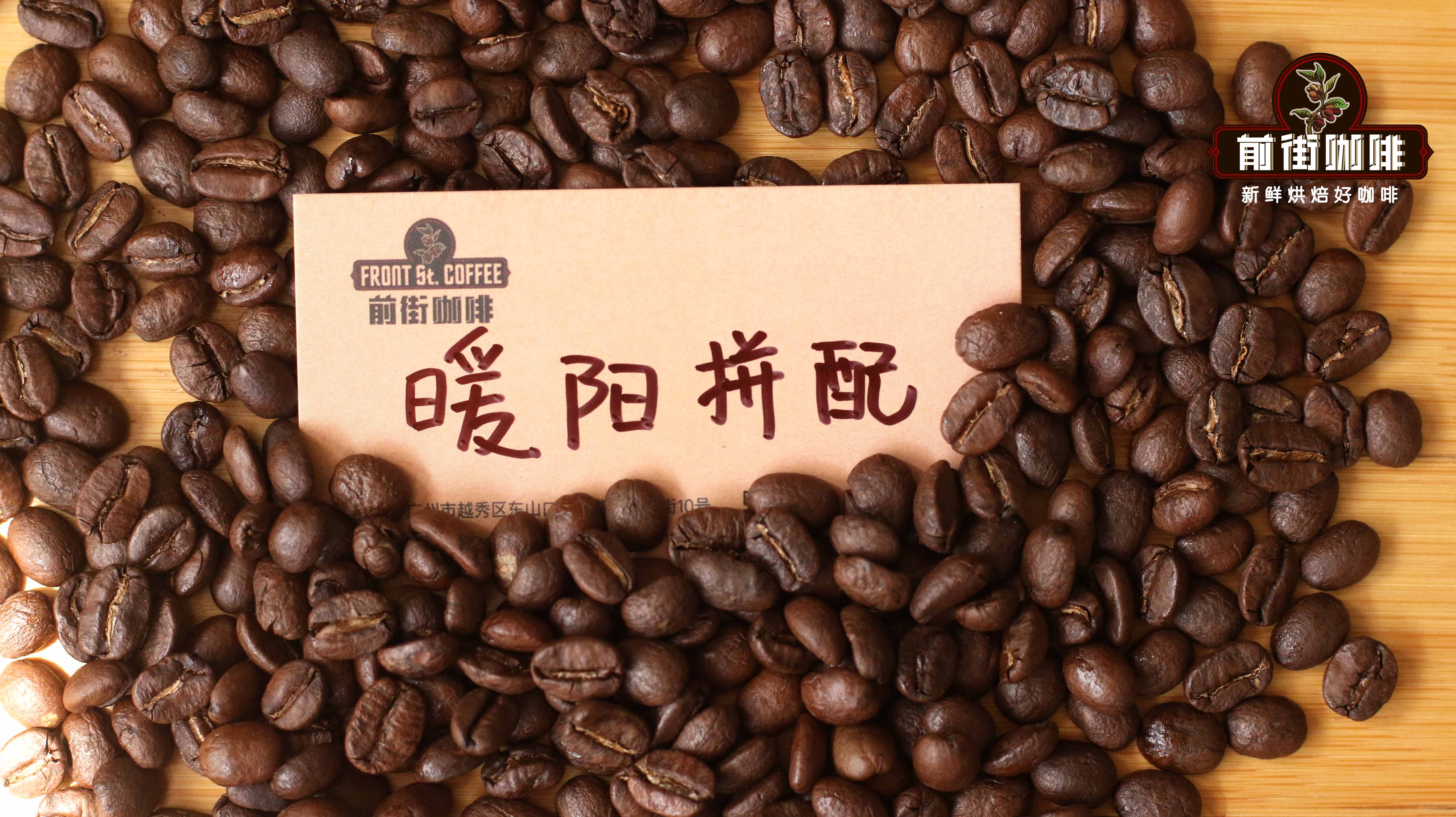
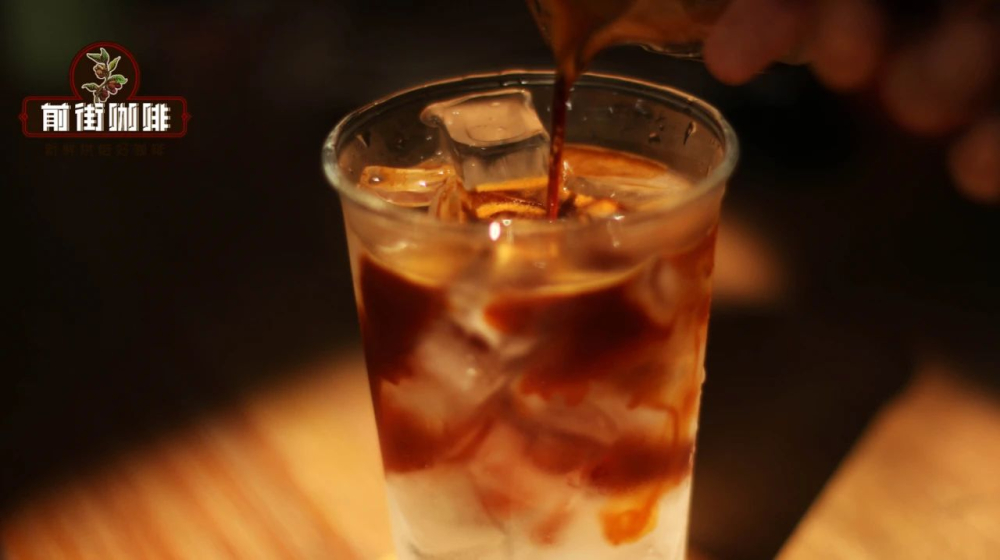
The key difference with iced Americano lies in how cooling affects flavor. When making it, fill the cup in advance with an equal proportion of ice cubes and cold water, then pour freshly extracted espresso (a 1:1 ice-water mixture is recommended as the base). Since the ice-chilling effect suppresses aroma volatility, it’s usually necessary to increase the coffee grounds by 10–15% to compensate for flavor intensity, while using a coarser grind to avoid over-extraction.
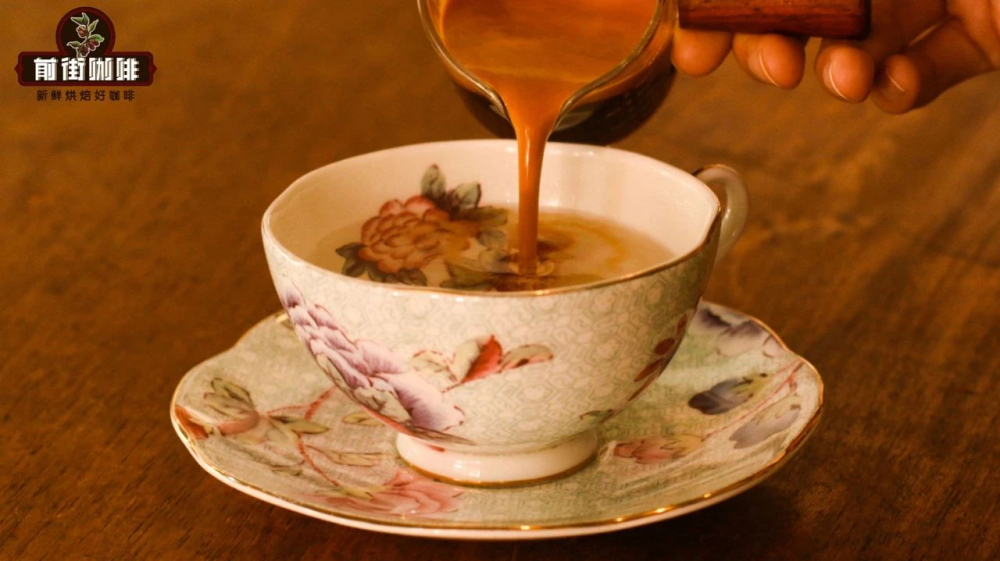
 The three major differences between hot and iced drinks include: first, color presentation—hot Americano appears as a deep brown amber due to the presence of crema, while iced Americano turns into a clear amber after dilution with ice; second, in terms of total caffeine content, iced Americano often contains about 30% more active ingredients for the same cup size because it uses a double shot; finally, in mouthfeel, hot drinks highlight caramel sweetness and wine-like aftertastes, whereas iced drinks showcase brighter citrus acidity and a refreshing finish.
Professional baristas remind us that choosing whether to add sugar or milk should consider the characteristics of the bean variety. For example, dark roasted beans paired with a small amount of salted caramel syrup can enhance sweetness and balance, while light roasted beans are better enjoyed with plant-based milk to preserve floral and fruity notes. Regarding brewing equipment, home semi-automatic machines require special attention to pre-infusion time and pressure stability, while commercial machines are advised to regularly calibrate extraction parameters to maintain flavor consistency.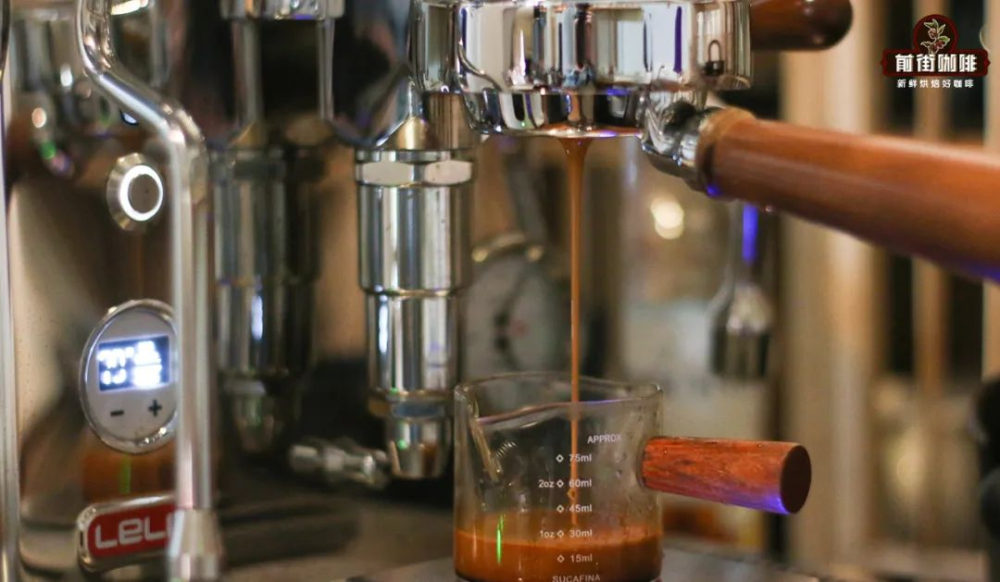
Extended knowledge: The standard espresso extraction time should be controlled within the 20–30 second range, with coffee dose varying by machine type—single shot (7–9g) or double shot (18–20g). When using mid-range machines like the Lelit V3, it is recommended to maintain a preheating temperature of 92±1°C and ensure the grind size provides moderate resistance—too fine leads to channeling, while too coarse results in under-extraction.
The above content is compiled by CoffeeHunters, a coffee news website.


