







Introduction:Are you curious about the origins of Americano coffee, or wondering whether single-origin coffee is the same as an Americano? This article delves into the background of how Americano coffee came to be, explores the historical reasons behind a common practice at a well-known global coffee chain, and provides a detailed comparison of pour-over, drip bag, and drip-style Americanos in terms of brewing methods and flavor profiles. Real coffee bean examples are also used to illustrate flavor characteristics, helping you make more informed coffee choices.
Coffee drinkers are certainly familiar with "Americano coffee." However, if you order an Americano at a well-known global coffee chain, the barista will usually make it by adding about 6 to 8 times the amount of water to a shot of espresso. But you may have heard that Italians don’t actually drink much Americano coffee—so why is there an Americano option on a menu that’s otherwise dominated by espresso-based drinks? Is the way a certain popular coffee chain makes Americano really authentic?
In fact, the so-called Americano coffee, as the name suggests, is coffee in the American style—a term coined by people outside the United States. Since Americans commonly use drip coffee makers to brew coffee, with nearly every household owning at least one and restaurants typically serving this type of drip-brewed coffee, which is simple, convenient, and made by large-scale extraction directly into cups without much emphasis on origin, the taste tends to be light. Over time, other countries began referring to this popular style of black coffee in the U.S. as "American coffee" or "Americano."
How did coffee become popular in the United States? Starting in 1607, European immigrants brought coffee and tea to North America. At the time, Puritans fleeing England advocated replacing alcohol with tea and coffee, making both everyday beverages. The "Boston Tea Party" of 1773 deepened American resentment toward Britain, leading to a shift toward drinking coffee. The Continental Congress even designated coffee as the official national beverage of the United States.
So why do Americans prefer drip coffee? As a nation of immigrants, the U.S. lacks a deeply rooted traditional coffee culture. The public leans toward a free-spirited and casual lifestyle, so the convenient and low-skill drip coffee method fits their habits perfectly. Drip coffee makers became common household appliances, which also contributed to the popularity of American-style black coffee.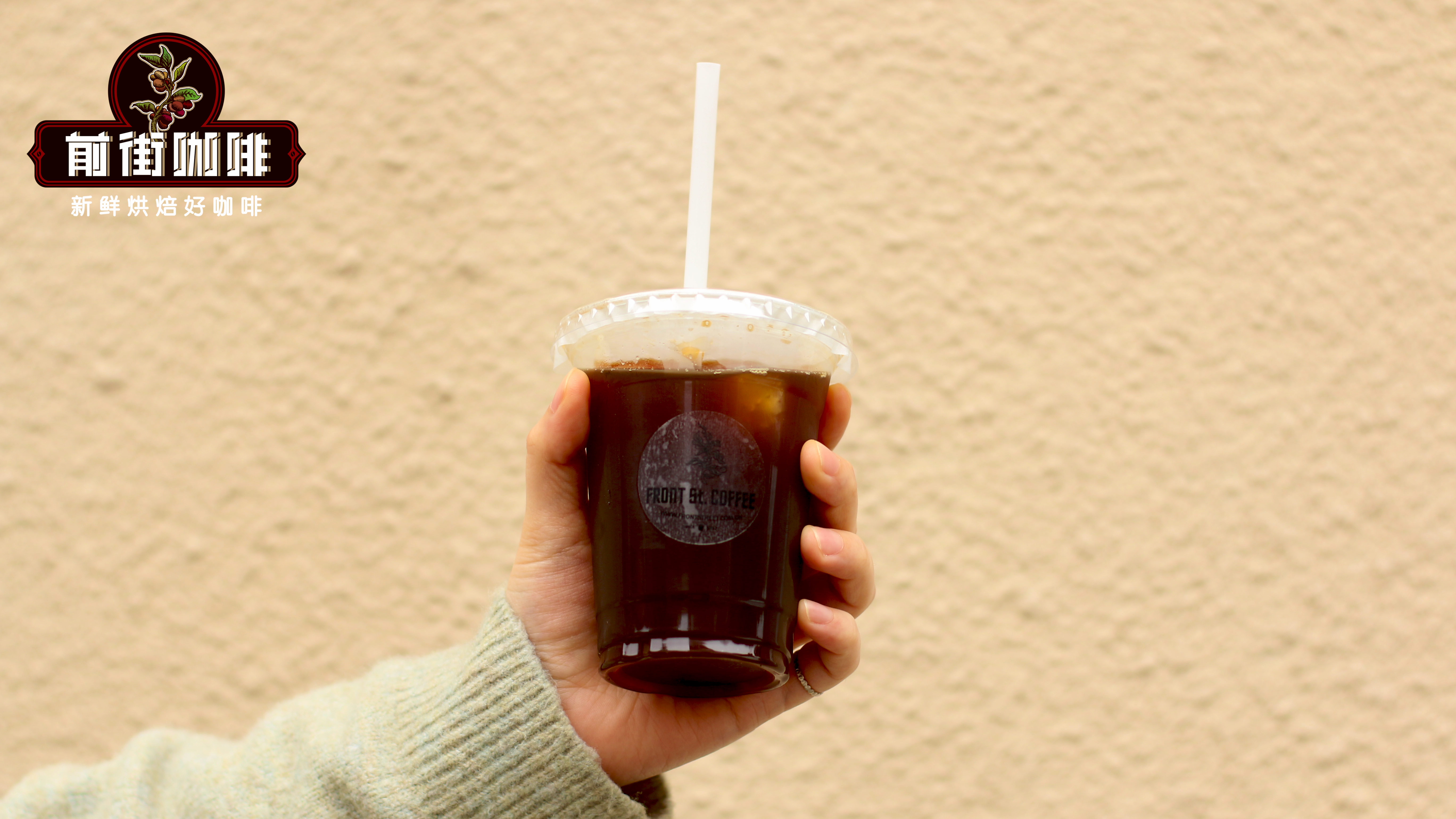
But going back to the original question—why does a certain well-known coffee chain make Americano by adding water to espresso? This method actually dates back to World War II when American soldiers stationed in Italy found the local espresso too strong, so they diluted it with water themselves, prompting locals to mock it as being “like dishwater.” Later, this diluted style came to be called "Americano," which is what most coffee shops now serve as Americano. In the early days, American coffee was criticized by the French for tasting like sock water due to poor quality and brewing techniques. It wasn’t until Ms. Nesbitt introduced the concept of "specialty coffee" that it helped spark the third wave of coffee, with related standards later established by the Specialty Coffee Association of America (SCAA).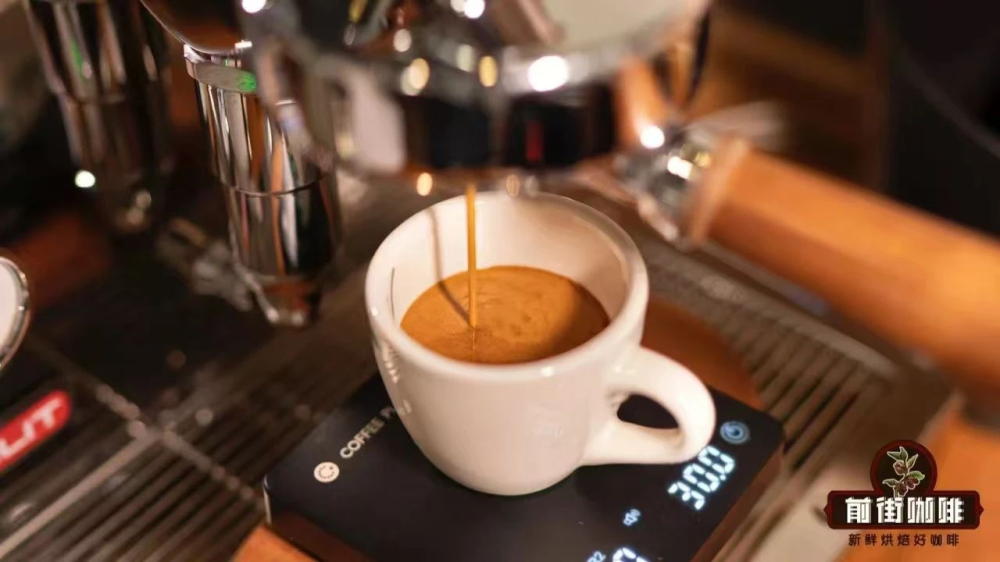
People often ask: Is single-origin coffee considered Americano coffee? In reality, American drip coffee and hand-poured single-origin coffee are both filtered extraction methods—similar in principle but with differences. The original definition of Americano coffee is concentrated coffee diluted with water. Modern Americano is mostly directly brewed using a drip coffee machine without going through the concentration step, though it’s still called Americano because of the machine name. Hand-poured single-origin is black coffee, and so is Americano coffee—the difference lies in the brewing method. Additionally, drip bags are a convenient version of hand-pouring, with pre-packaged coffee powder in filter bags, ideal for brewing on the go. For those who enjoy floral notes, Panamanian Geisha is a good choice; for a preference for bright acidity, try Huagu. For balanced flavor, Brazilian beans are recommended, while those who prefer bold flavors can opt for rich Golden Mandheling.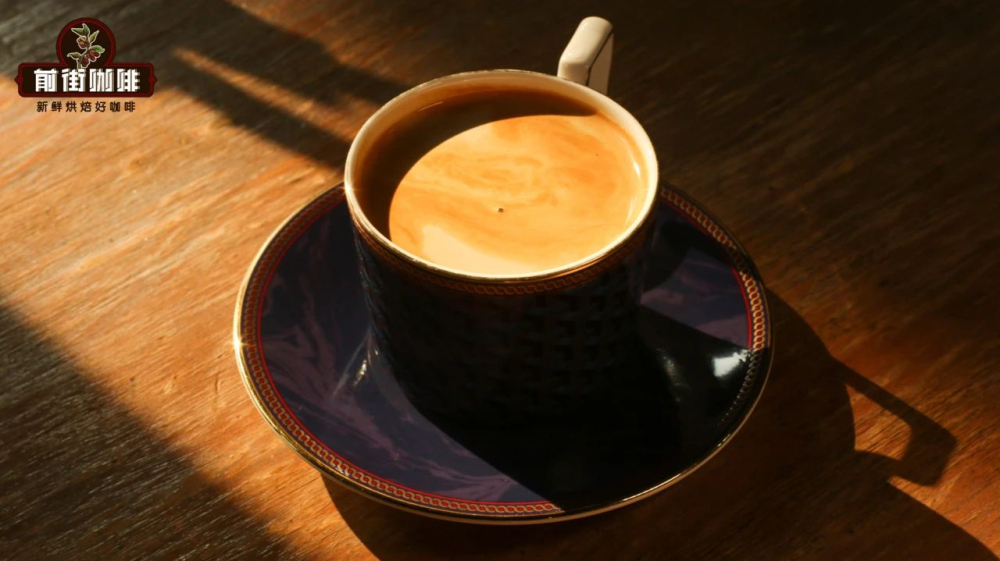
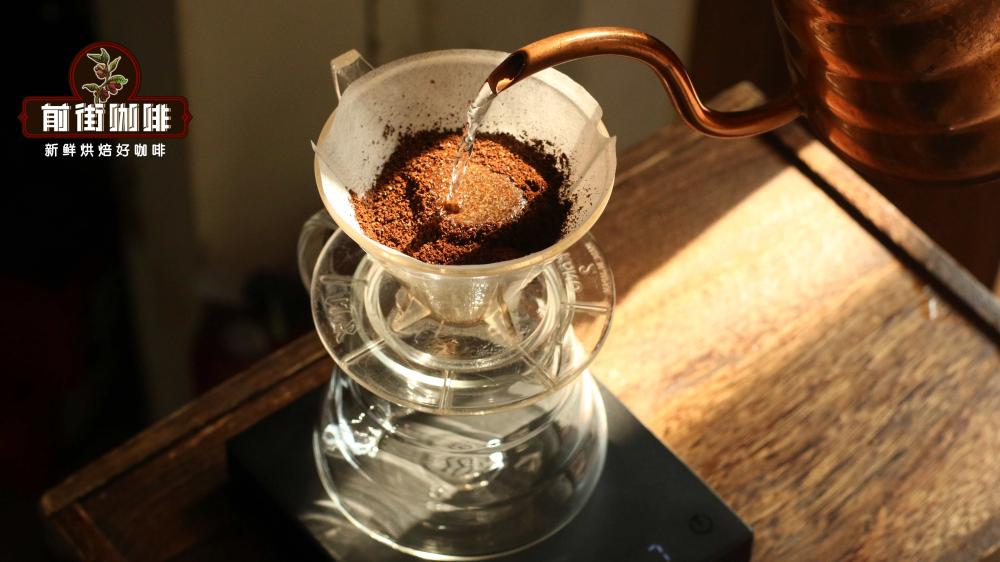
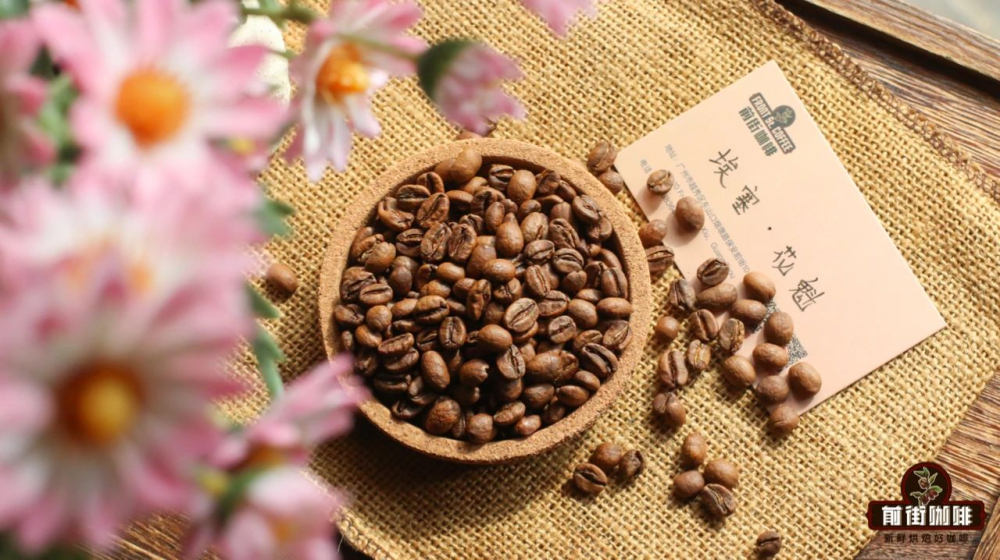
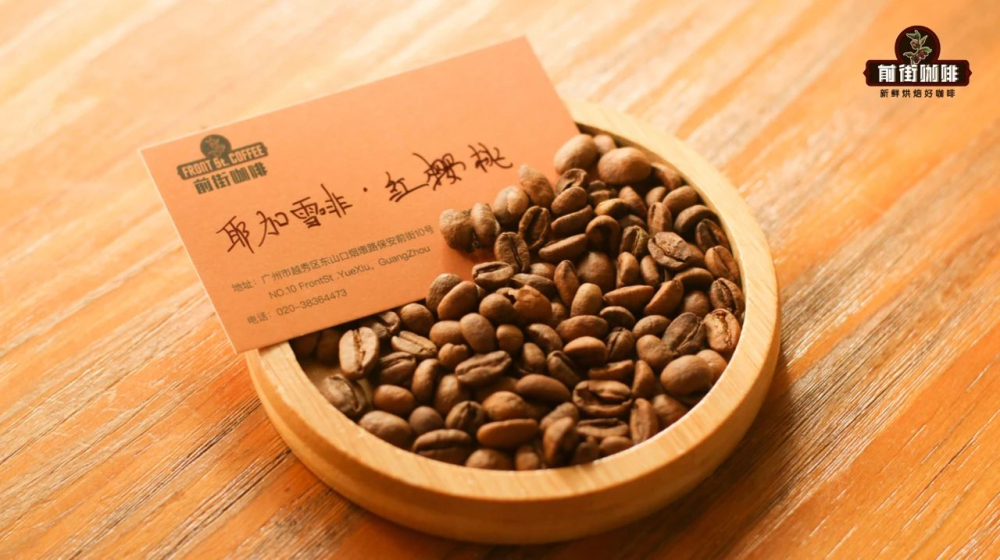
So, how do the flavors of Americano and hand-poured coffee differ? Let’s take the bean "Yirgacheffe · Red Cherry" as an example: grown in Yirgacheffe at altitudes of 1700 to 2200 meters, processed using the natural (sun-dried) method, with native variety beans. Hand-pouring recommendation: 20 grams of coffee, 40 grams of yield, 26-second brew time. Flavor profile includes citrus, berries, fermentation aromas, bright acidity, and medium bitterness. If the same beans are brewed as an Americano (concentrate to water ratio 1:7, i.e., 40ml concentrate + 280ml hot water), the flavor becomes softer fruity acidity, distinct cane sugar sweetness, with a tea-like finish.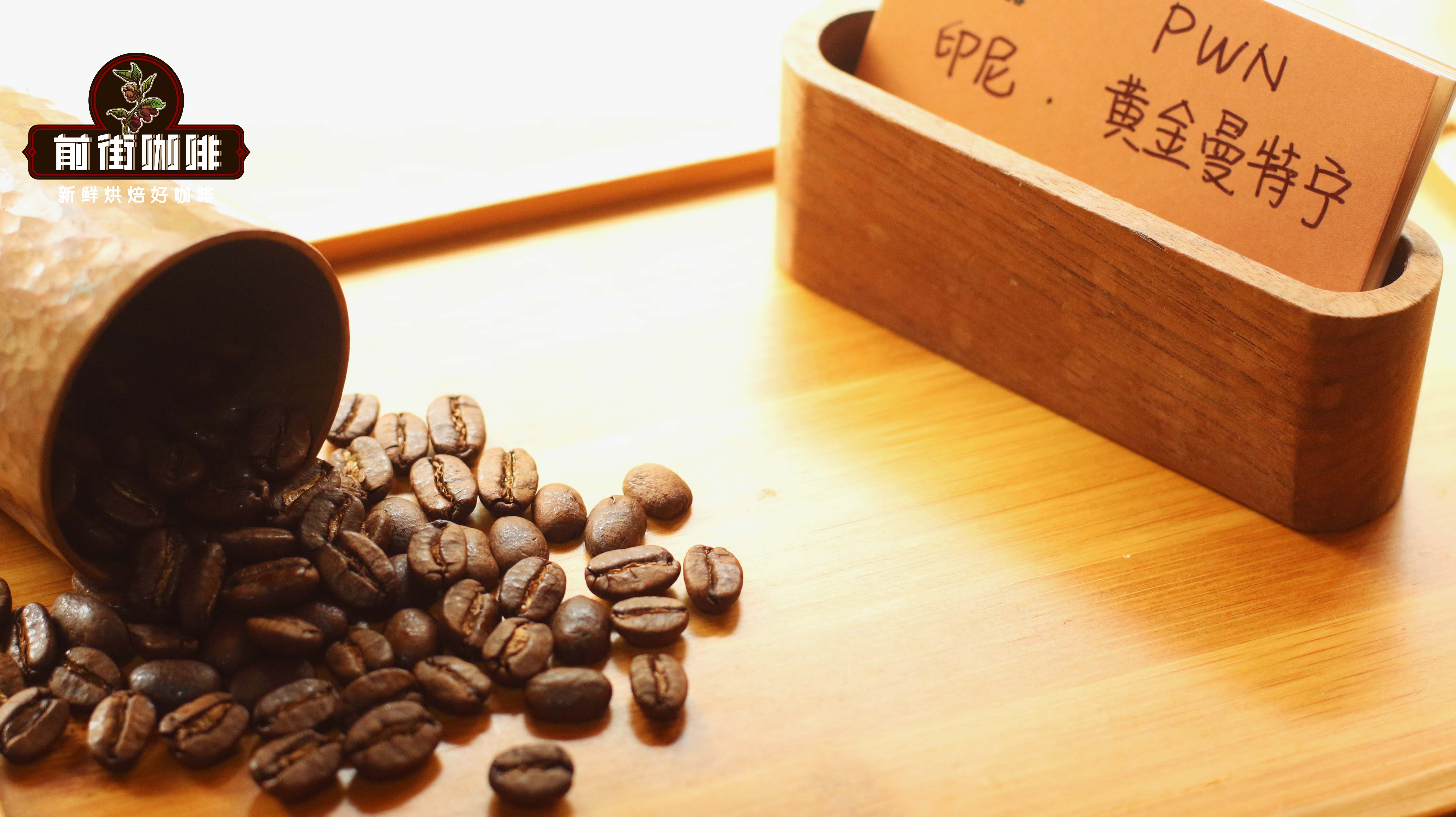
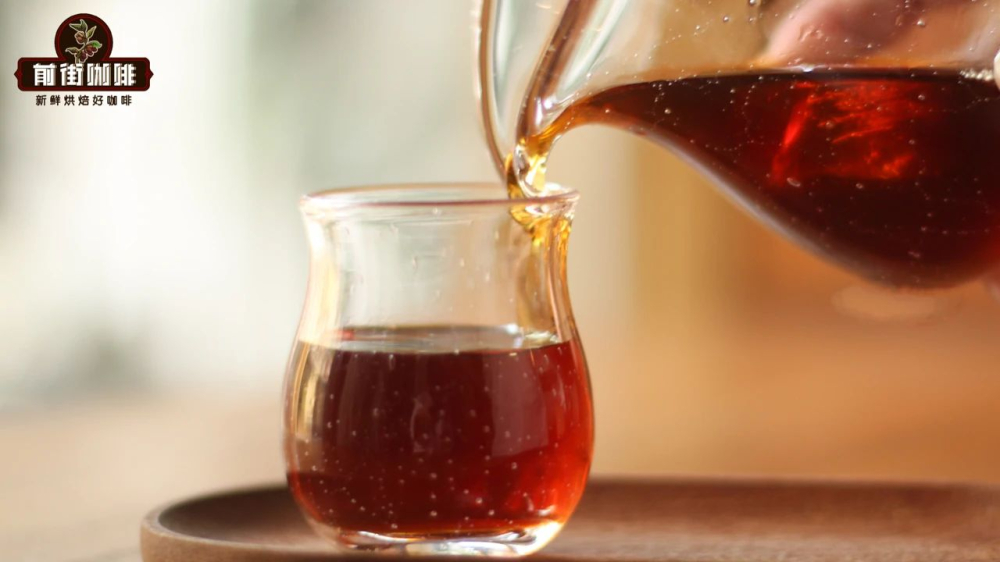
For hand-pouring, it is recommended to use a Hario V60 dripper, water temperature at 90–91°C, coffee-to-water ratio of 1:15, grind size similar to granulated sugar. Brewing steps: bloom with 30 grams of water for 30 seconds, then pour in a small circular motion up to 125 grams for the first pour, and when the water level is about to expose the coffee bed, continue pouring up to 225 grams. Total brew time is approximately 2 minutes. The resulting flavor showcases rich fermented fruit aromas and jasmine notes, with strawberry and berry acidity upon entry, mid-palate hints of almond and creaminess, and an aftertaste reminiscent of oolong tea.
In summary, the same beans brewed as SOE Americano exhibit enhanced sweetness, with an overall more balanced flavor but a thinner body and fewer layers. The hand-poured version, on the other hand, has a distinctive character, with rich variations in acidity and sweetness, a relatively fuller body, more diverse layers, and is ideal for those who wish to deeply explore the nuances of coffee flavor.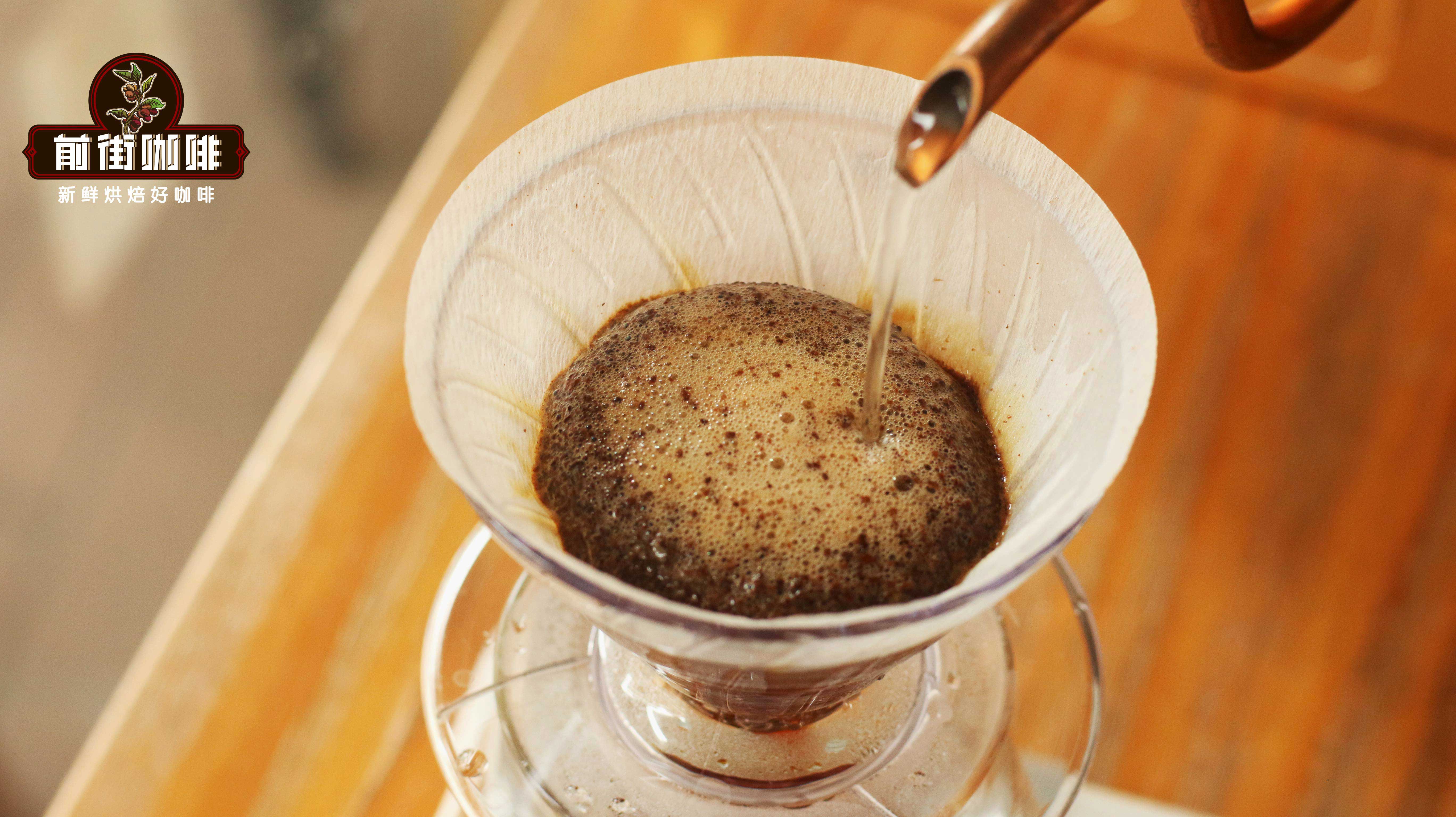
The above content is compiled by CoffeeHunters, a coffee news website.


