








Introduction:Want to understand what brew ratio should be used for the base of a latte and americano—espresso? And which coffee beans should you choose to extract the ideal flavor? Based on practical testing, this article takes an in-depth look at how different brew ratios (1:1, 1:1.5, 1:2) affect espresso, lattes, and americanos, and explores the best bean choices for making espresso to help you adjust for a smoother, more layered coffee experience.
Many coffee enthusiasts often wonder: if using the same coffee beans, the same grind size, and the same dose, do you need to adjust the brew ratio when making milk coffee, americano, and espresso? To answer this question, we conducted an experiment using the same blend, with a fixed grind size and dose, extracting espresso at three different brew ratios—1:1, 1:1.5, and 1:2—and then further made them into lattes and americanos to observe the differences in flavor expression.
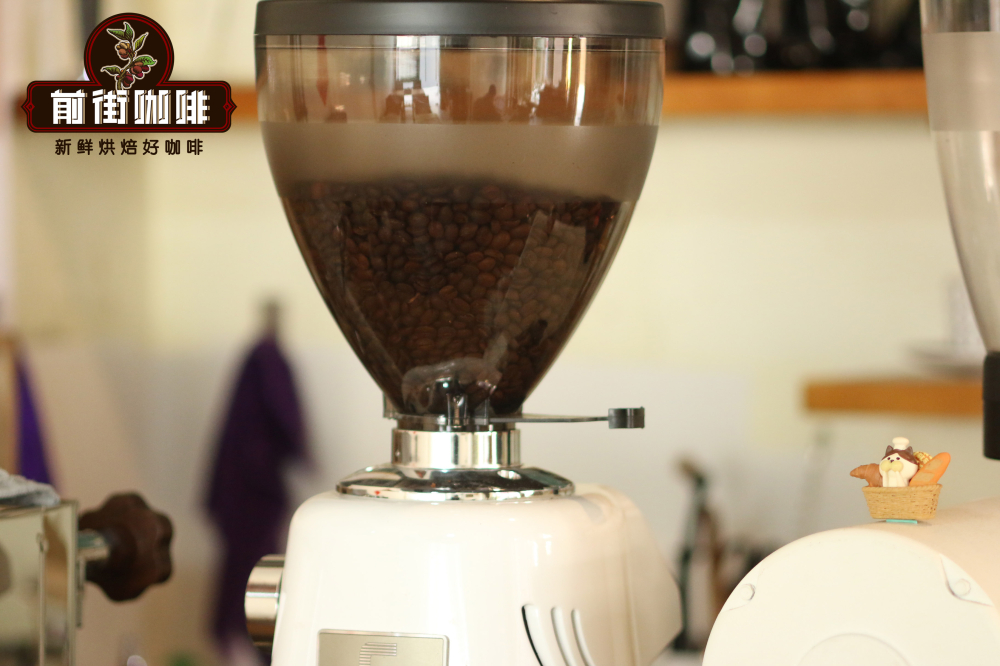
The experiment used a standard latte cup with a capacity of about 300 milliliters. The coffee beans were a blend of Colombian and Brazilian origins, with the grind setting adjusted to 1.9 on the Pegasus 900N machine, using a single spout portafilter with a consistent dose of 20 grams. Next, we extracted espresso at three different brew ratios, observing their performance in espresso, latte, and americano.
First, let’s look atbrew ratio 1:1, where 20 grams of coffee yielded 20 grams of espresso, with an extraction time of about 19 seconds. At this ratio, the espresso had a smooth mouthfeel but was slightly acidic, with flavors of cream, nuts, and a long-lasting sugary sweetness in the aftertaste. The latte made from this espresso had a pronounced nutty aroma, with notes of nuts, chocolate, and cream, plus a hint of buttery cookie flavor, and the milk’s sweetness was clearly distinguishable. The corresponding americano had a caramel aroma, a soft and smooth mouthfeel, and a subtle red berry note in the aftertaste.


Next isbrew ratio 1:1.5, where 20 grams of coffee yielded 30 grams of espresso, with an extraction time of about 27 seconds. This ratio produced an espresso with a slight berry-like acidity in the beginning, followed by notes of chocolate and hazelnut in the mid-palate, and a distinct and lingering sweetness. The latte made with it had a caramel-like aroma, a balanced flavor profile, with a blend of cream, milk chocolate, and subtle nuttiness, and the ratio of milk to coffee was just right. The corresponding americano had a mild berry acidity and a more pronounced sugary sweetness in the aftertaste.
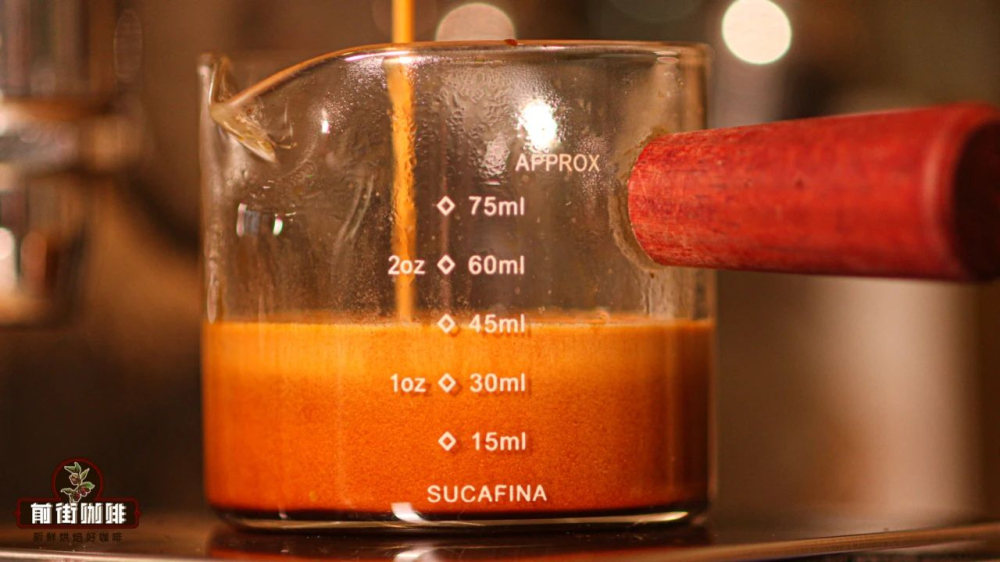
Finally, there’sbrew ratio 1:2, where 20 grams of coffee yielded 40 grams of espresso, with an extraction time of about 34 seconds. This espresso had a more delicate flavor upfront, but with a clear sweetness resembling rock sugar, and a noticeable smoky note in the aftertaste. The latte made from it was relatively light overall, but had a toffee-like sweetness, with the aftertaste shifting to cinnamon and woody tones. The corresponding americano had a woody character, with prominent cocoa and wood notes upon entry.
Summarizing the experimental results, we found thatthe smaller the brew ratio (such as 1:1), the more pronounced the acidity of the espresso, but the sweetness becomes amplified when milk is added, and the resulting americano also has a softer, smoother quality. This is because the shorter extraction time primarily draws out the earlier-stage compounds, reducing the risk of over-extraction, and the higher proportion of milk enhances the overall sweetness. On the other hand,the larger the brew ratio (such as 1:2), the better the initial sweetness of the espresso, but it is more prone to over-extraction, bringing out woody and smoky off-flavors that not only affect the espresso itself but are also directly reflected in the latte and americano.
Meanwhile,brew ratio 1:1.5 is considered the most balanced overall, whether in terms of the flavor complexity of the espresso itself or the latte when paired with milk, offering a more harmonious taste without any single flavor dominating excessively.

From the experiment, we can also draw an adjustment suggestion: if you want a latte with a more pronounced sweetness or prefer a smoother americano, you can choose an espresso with a 1:1 brew ratio as the base; whereas if you’re seeking a richer layering or a more balanced coffee-to-milk flavor in your latte, then a 1:1.5 brew ratio would be more suitable.
As for what kind of coffee beans should be chosen for espresso? Generally speaking, to ensure that the extracted espresso has a rich and full-bodied flavor, a good crema, and stable performance when paired with milk or water, it is recommended to use a dark roasted blend. For example, a classic Italian blend composed of Brazilian, Indonesian, and Vietnamese beans. These beans, when dark roasted, can bring out intense caramel, chocolate, and nut aromas, making them very suitable for use as an espresso base, whether for milk-based lattes or water-based americanos, both of which can showcase good flavor.
The advantage of blends is that they can balance the flavor fluctuations of single-origin beans caused by climate changes each year, ensuring that each batch of coffee maintains relatively consistent performance. This is also why many coffee shops prefer to use blends as the base for their espresso.

In summary, adjusting the brew ratio is one of the key factors influencing the performance of espresso, as well as milk coffee and americano. Whether you're a coffee beginner or already an experienced enthusiast, you can find the coffee flavor combination that best suits your taste by fine-tuning the brew ratio.

The image locations used in the experiment have been retained so that readers can compare the visual and flavor differences under different brew ratios, further understanding how extraction parameters affect the final performance of the coffee.

The above content is compiled by CoffeeHunters, a coffee news website.


