







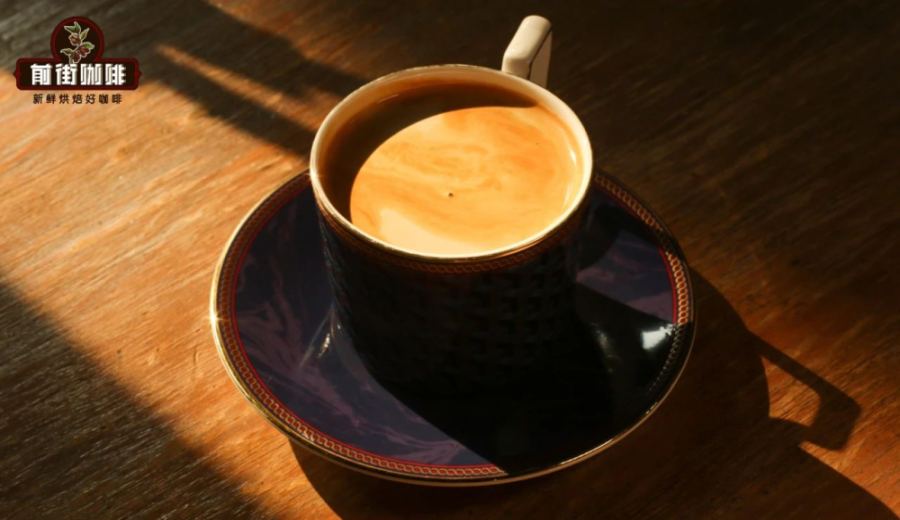
Introduction:Want to brew café-quality Americano at home, but always find it bitter and hard to drink? This article dives deep into the brewing principles of Americano, explores the causes of bitterness, and introduces the characteristics of different roast levels of espresso blends. From the golden ratios of hot and iced Americanos, extraction parameter adjustments, to three recommended low-acid, smooth blends perfect for home use — we’ll answer all your questions about black American coffee in one go.
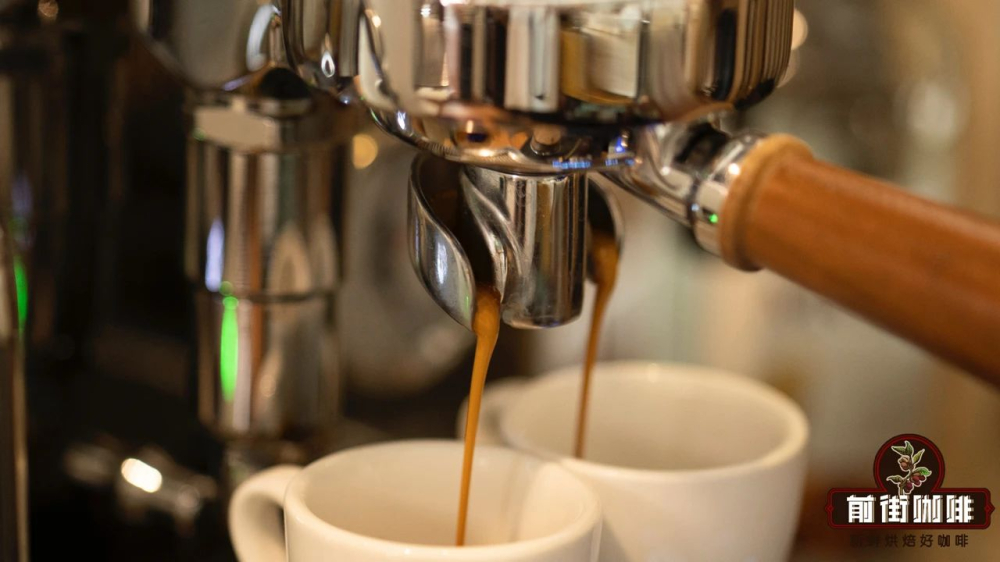
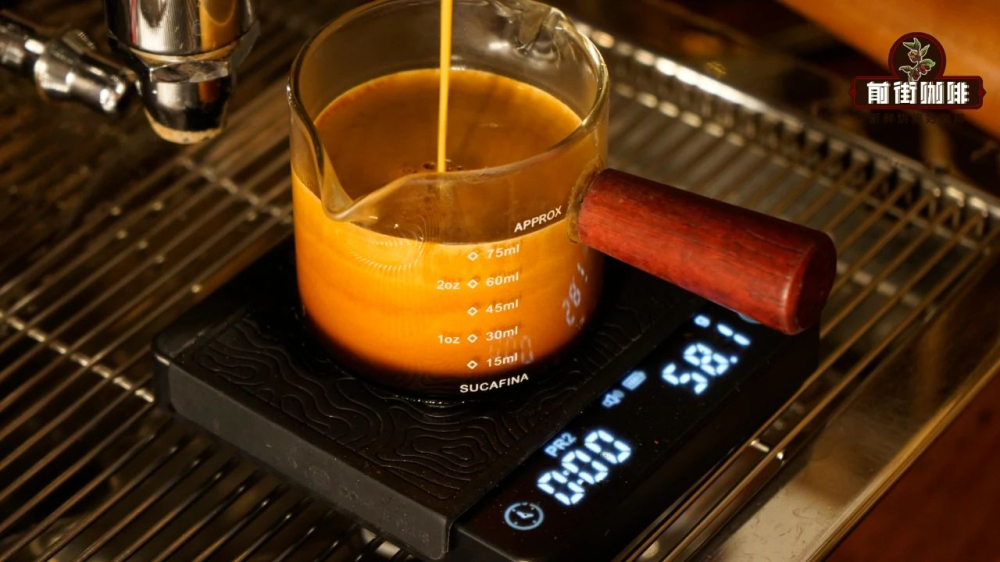
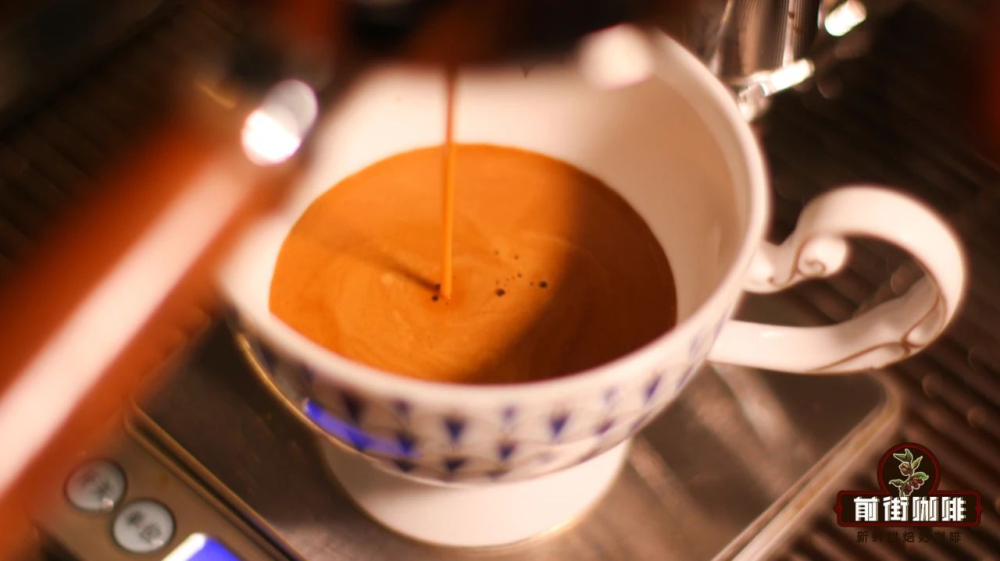
So-called espresso refers to the concentrated coffee liquid extracted under high pressure by an espresso machine, with a standard ratio of 1:2. It has an extremely high concentration and intense flavor, and is less commonly consumed directly in daily life. When this concentrated base is mixed with hot water, it becomes the familiar Americano; when combined with varying proportions of milk or milk foam, it gives rise to milk-based coffee types such as latte and cappuccino. It’s worth noting that although pour over and Americano are both black coffees, the former doesn’t require an espresso machine or a dilution step, and the way their flavors are presented differs greatly.
The principle behind making Americano is extremely simple — it only requires two key elements: espresso and water (ice for iced Americano), but precisely because the process is straightforward, it places even greater demands on the barista’s control over the espresso extraction. It’s recommended to preheat the cup (with hot water for hot Americano, ice for iced Americano). For hot drinks, it’s suggested to maintain a ratio of espresso to water between 1:4 and 1:6 — for example, 40 grams of coffee liquid paired with 200 grams of hot water. If you prefer a stronger taste, you can adjust it to 1:5. For iced Americano, due to the volume taken up by ice, a ratio of 1:7 is advised (e.g., 40 grams of coffee liquid + 180 grams of ice + 100 grams of water) to avoid over-dilution that affects the flavor layers.
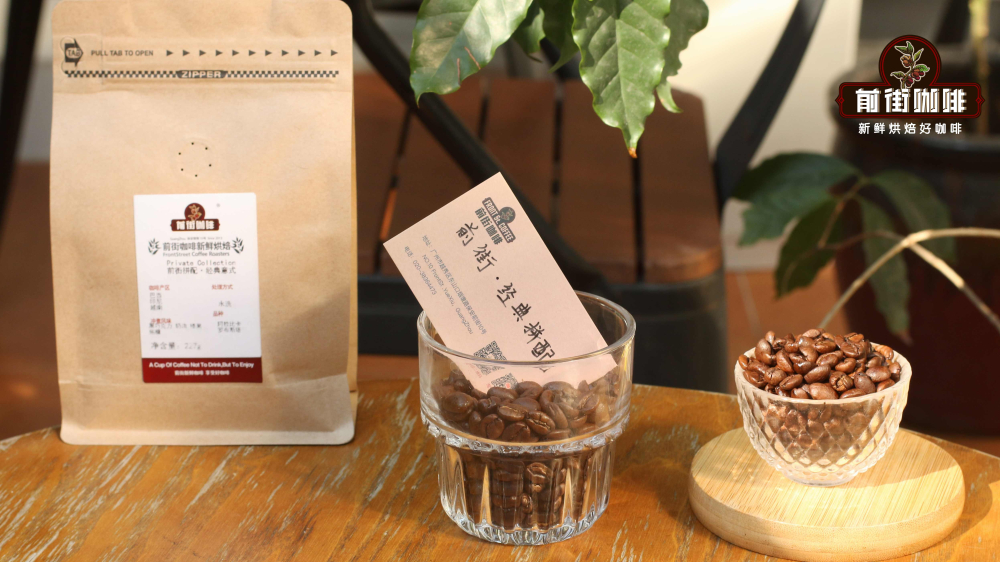
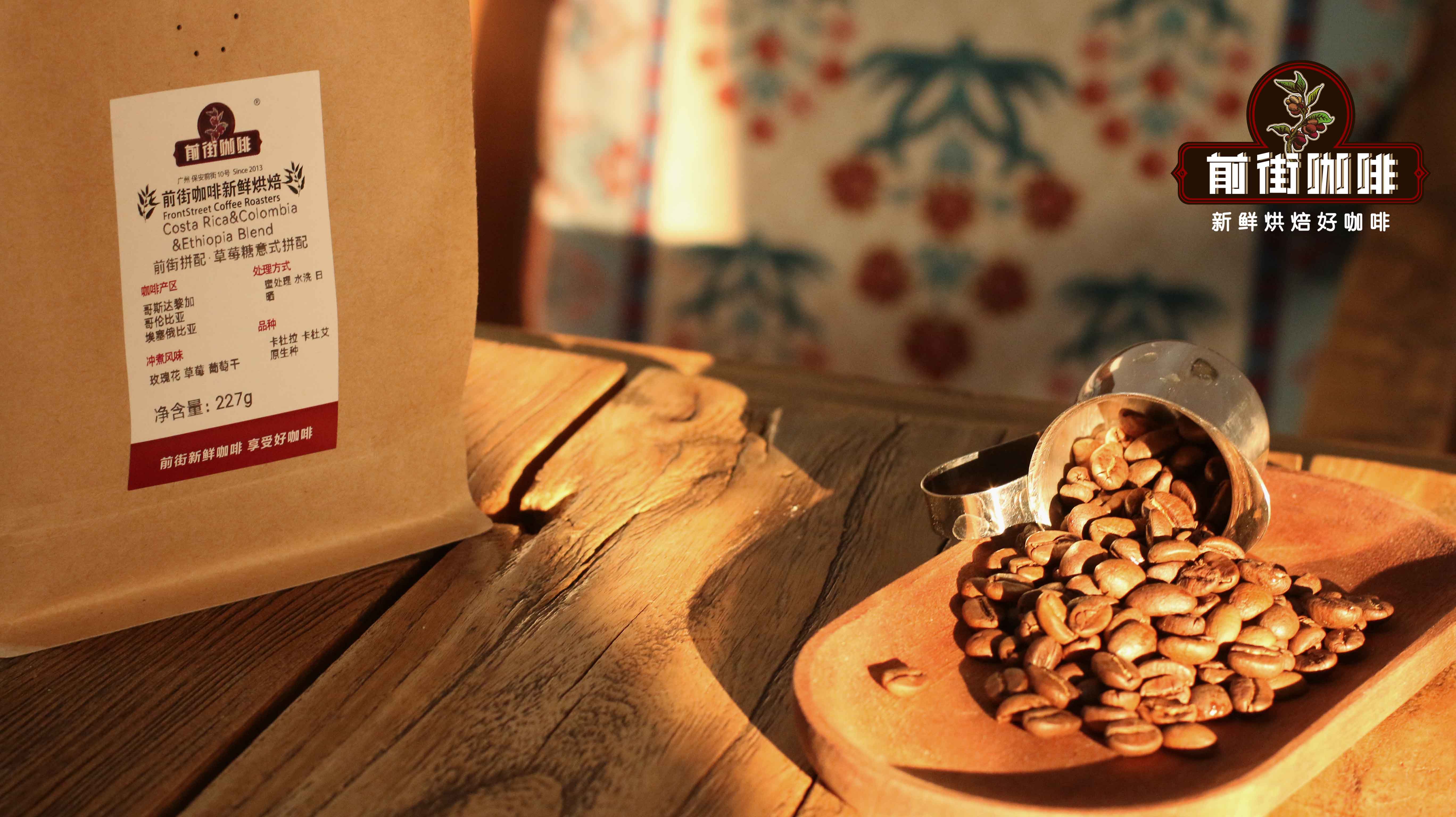
Many consumers report that Americano is overly bitter and astringent. In fact, the sources of bitterness can be attributed to two main reasons. The primary factor lies in the inherent flavor profile of the coffee beans: dark-roasted espresso blends often carry intense roasted aromas and chocolatey notes. Such beans, due to their high roast level and lower acidity, tend to amplify the perception of bitterness. For example, a classic medium-dark blend that combines the nutty richness of Brazilian beans with the spicy character of Mandheling, along with a small amount of Robusta to boost crema, achieves good balance but still belongs to the more intense flavor category. In contrast, if you prefer a milder taste, you might opt for a medium-roast Strawberry Sugar blend, which combines beans from Costa Rica, Ethiopia, and Colombia, showcasing rose floral notes, grape fruitiness, and an almond finish — its sweet and tangy profile makes it more suitable for beginners.

Another common cause of bitterness stems from extraction errors, including grinding too fine leading to over-extraction, or uneven water flow causing channeling (where some coffee grounds are over-extracted while others are under-extracted). Professional baristas need to fine-tune parameters daily before opening based on bean freshness. For instance, adjusting the usual setting of extracting 40 grams of liquid (in 25 seconds) from 20 grams of coffee grounds to extracting only 35 grams of liquid (in the same time) helps reduce bitter and off-flavors in the final sip by shortening the extraction time or reducing the coffee dose, thus maintaining overall flavor balance.
When it comes to the soul of Americano, the choice of espresso beans cannot be overlooked — after all, the base flavor of drinks like latte and Americano depends over 70% on the characteristics of the blend. A quality espresso blend should balance stability with flavor expression. It’s recommended to consider three main types: First, balanced blends, which primarily feature Brazilian and Colombian beans — the former provides nutty aroma and a full-bodied mouthfeel, while the latter adds dark cocoa and caramel notes, suitable for those seeking a black chocolate flavor profile. Second, high-value options, such as blends combining Brazilian and Yunnan beans in a 7:3 ratio, ensuring a solid mouthfeel and rich crema while keeping costs down. Lastly, commercial-grade recipes that incorporate a small amount of Robusta to enhance intensity and crema volume, especially suited for cafés needing stable latte art performance. Though not 100% Arabica, they significantly boost aroma performance.
For the home market, we recommend three practical blend solutions. First up is the classic two-country blend, using washed Colombian beans and Brazilian beans. The former contributes soft fruity acidity and dark cocoa notes, while the latter reinforces a rich, roasted-nut base. The resulting brew showcases distinct black chocolate flavors and nutty aftertastes, performing excellently whether enjoyed black or with milk.
If you’re on a budget but still want to maintain quality, consider a high-value blend consisting of 70% Brazilian beans and 30% Yunnan beans. Both have nutty profiles, with the Brazilian beans further enhancing mouthfeel solidity and crema richness, making it ideal for daily consumption and for users with strict cost control.
Lastly, there’s the commercial-grade blend designed specifically for cafés, based on Colombian and Brazilian beans with an added touch of Robusta. This boosts aroma intensity and crema performance while significantly reducing acidity interference, making it especially suitable for scenarios requiring stable latte art and bold flavor. Though not 100% Arabica, it remains a practical choice for commercial applications.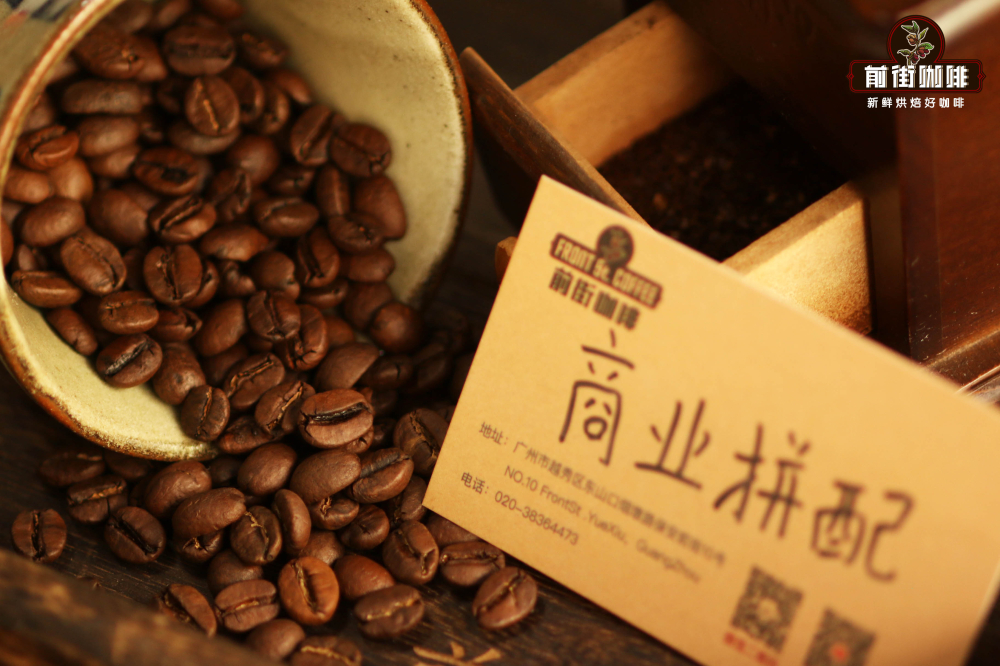


The above content is compiled by CoffeeHunters, a coffee news website.


