







Introduction:For coffee enthusiasts who crave a bold and intense flavor, Ristretto offers a more concentrated and richer drinking experience compared to traditional espresso. This article delves into the core differences between Ristretto and espresso, exploring how to create a fragrant, low-acidity Ristretto using freshly roasted beans, appropriate roast levels, and correct brewing techniques. It also recommends several high-quality espresso blends and single-origin beans ideal for making Ristretto, helping you progress from beginner to expert.
As coffee drinkers gain more experience, many move beyond basic drip coffee or Americano, seeking a more intense and layered espresso experience. Among these, Ristretto stands out with its concentrated aroma and rich body, becoming a top choice for many. But what exactly is Ristretto? How does it differ from the common espresso? And how can you brew a professional-level Ristretto at home? This article will guide you through it all.
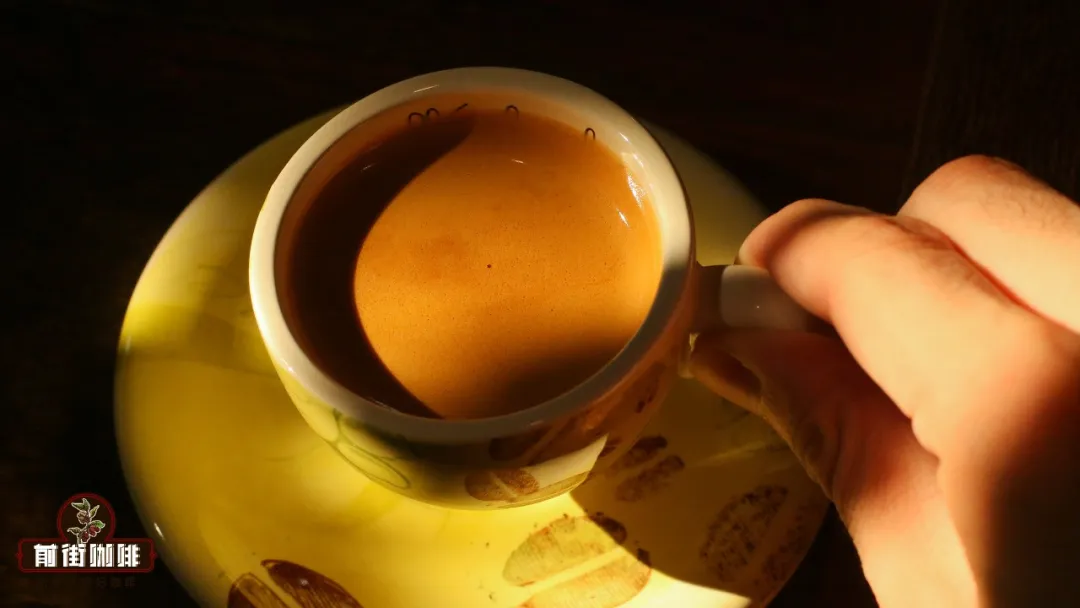
To brew an aromatic and intense espresso, the foremost requirement is using freshly roasted coffee beans. The flavors of coffee beans peak within the first few weeks after roasting, especially during the 5 to 10 days prior to extraction, when their aroma and vibrancy are at their most active. If the beans are roasted more than 50 days ago, their aroma will noticeably diminish, and the resulting coffee may taste blandly bitter, lacking complexity. Therefore, selecting beans with a recent roast date is the first step toward making a successful Ristretto.
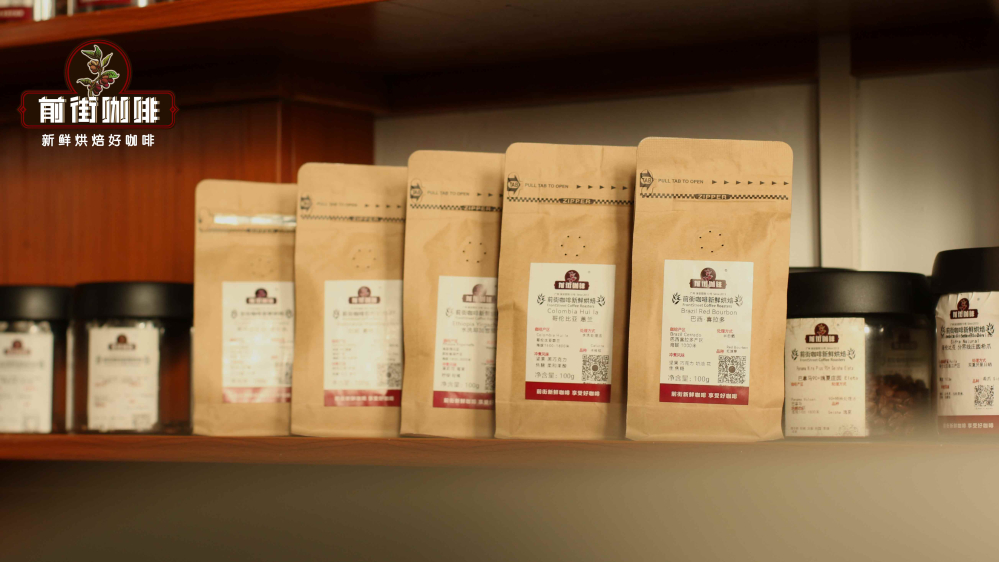
Roast level is another crucial factor influencing coffee flavor. Generally, the darker the roast, the richer the released oils, and the more intense, bold, and even slightly charred or sweet-bitter the flavor becomes. Lighter roasts, on the other hand, often emphasize fruity acidity and a refreshing taste, with relatively less oil expression. If your goal is to brew a rich yet low-acid Ristretto, medium-dark to dark roast beans are the better choice, delivering a fuller body and deeper aroma.
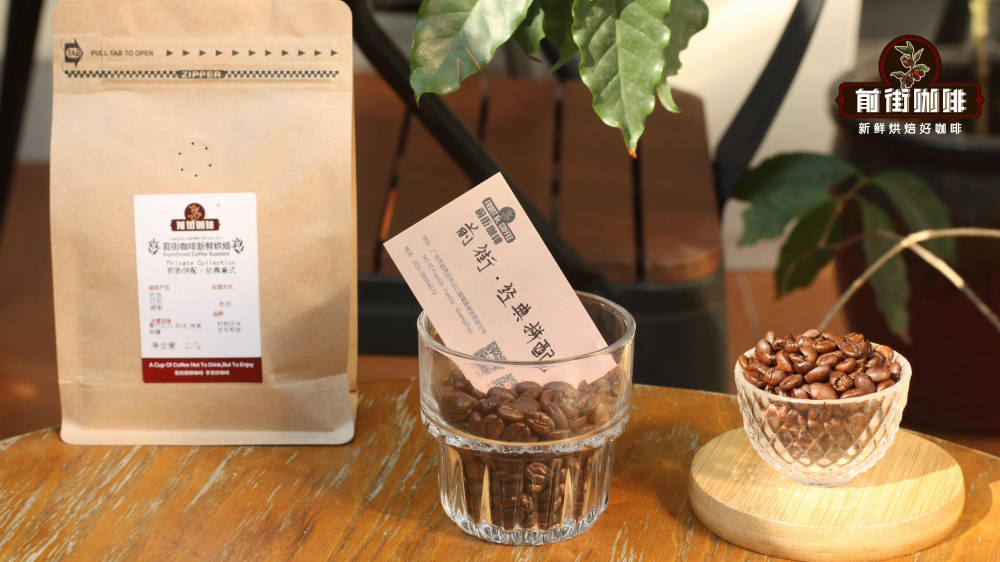
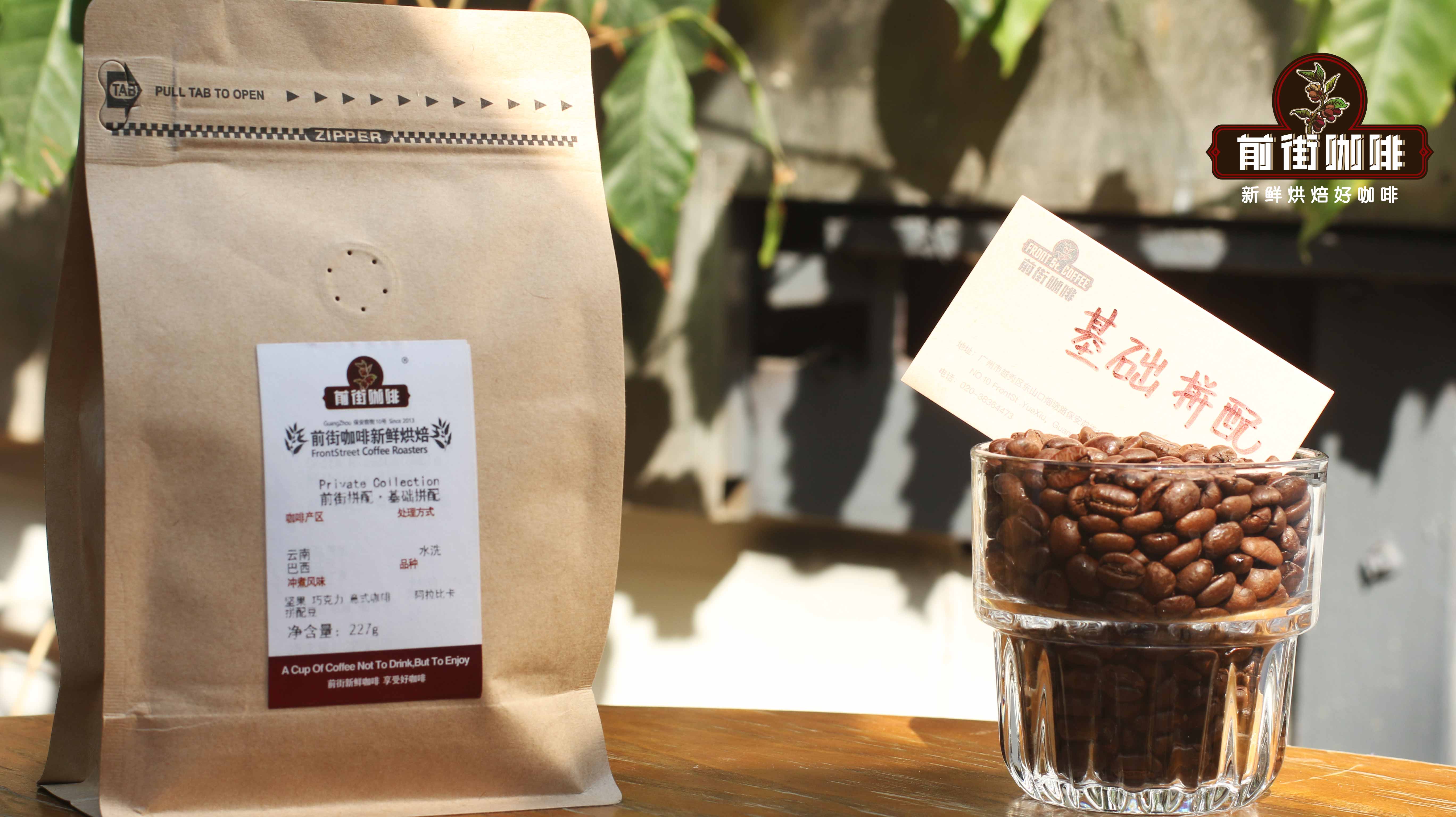
When selecting blends, a combination of Arabica and Robusta can provide intense chocolate and nutty aromas while enhancing overall crema. For example, a classic blend of Mandheling and Brazilian beans, supplemented with a small amount of Vietnamese Robusta, not only intensifies the thick texture of espresso but also showcases a rich dark chocolate flavor in lattes, paired with a creamy smoothness. Such blends are great for beginners and also serve as everyday house blends.
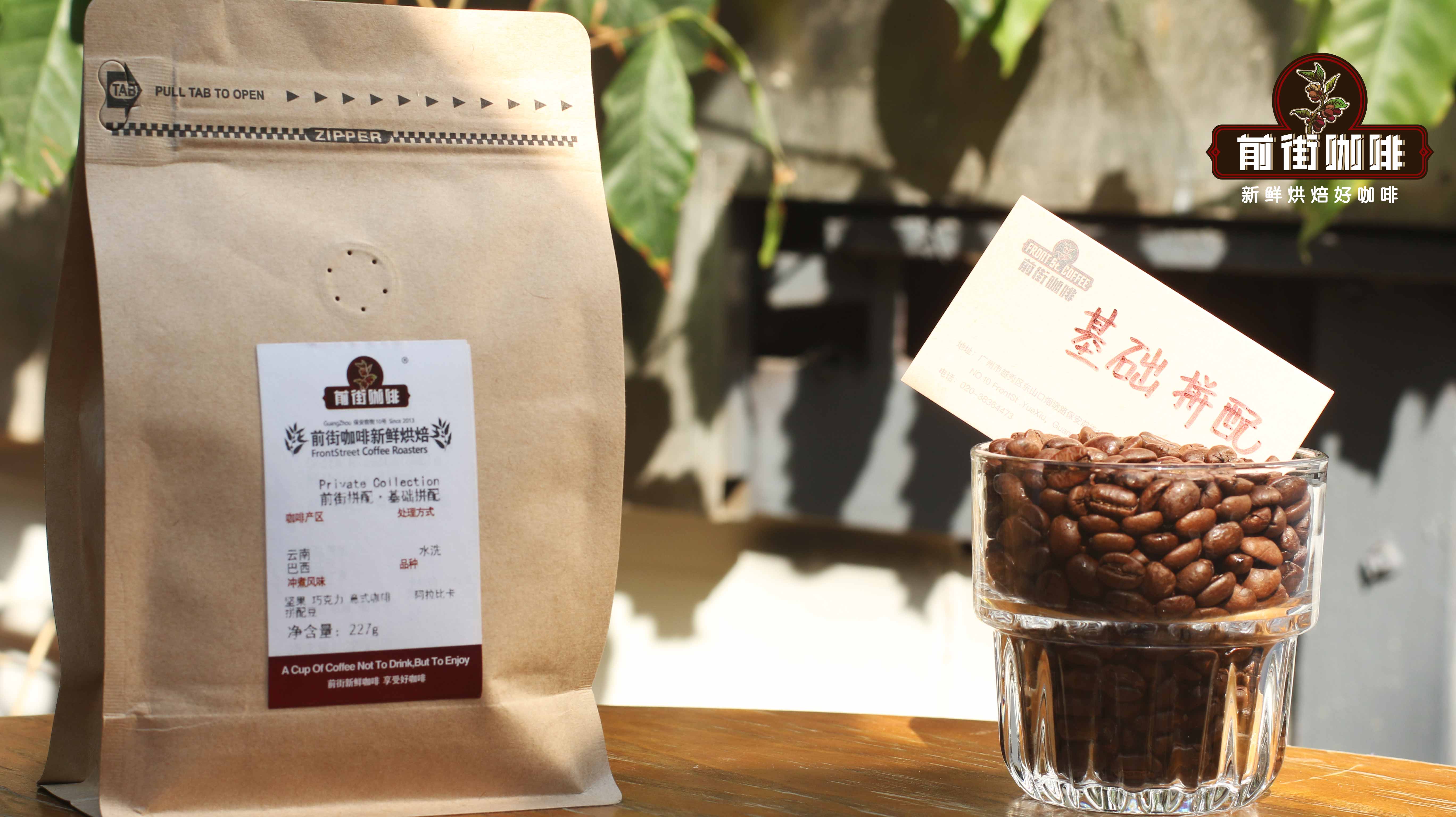
Another common and cost-effective combination is the pairing of American and Asian beans. For instance, a blend of Yunnan small-seed variety and Brazilian Red Bourbon, roasted to a medium-dark level, retains some fruitiness while enhancing caramel and nutty notes. These blends are suitable for making bright Americanos and, when used in lattes, can highlight the natural sweetness of milk—perfect for home users seeking good flavor while managing costs.
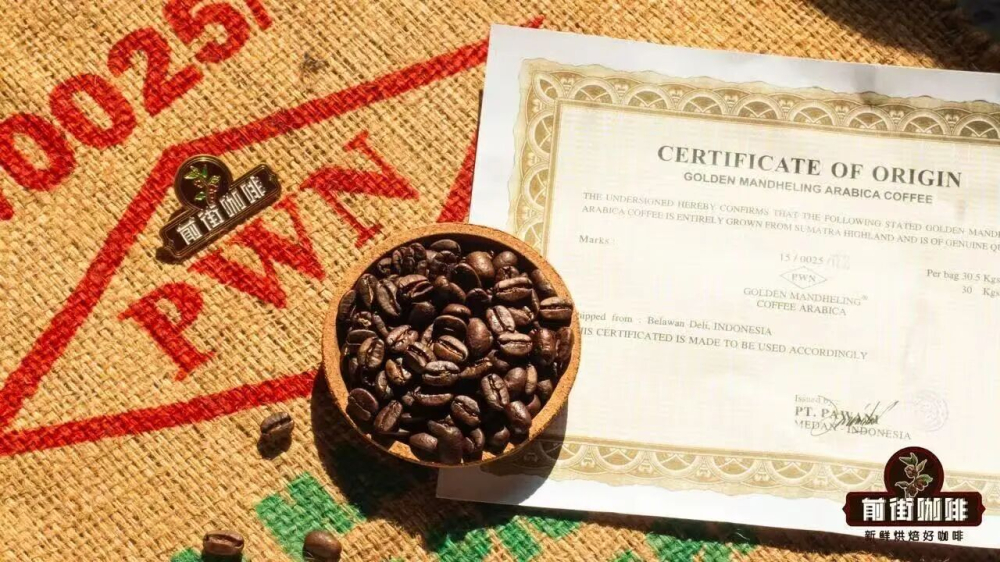
If you prefer the distinct characteristics of a single origin, Single Origin Espresso (SOE) is a better option. Take Indonesia’s Golden Mandheling, for example—it undergoes multiple hand selections and exhibits distinct spicy, herbal, and dark chocolate tones. Ideal for Ristretto or espresso, it delivers a richly layered profile and works well with various brewing methods such as pour over or moka pot. Its bold aftertaste offers coffee lovers a deeply satisfying taste experience.
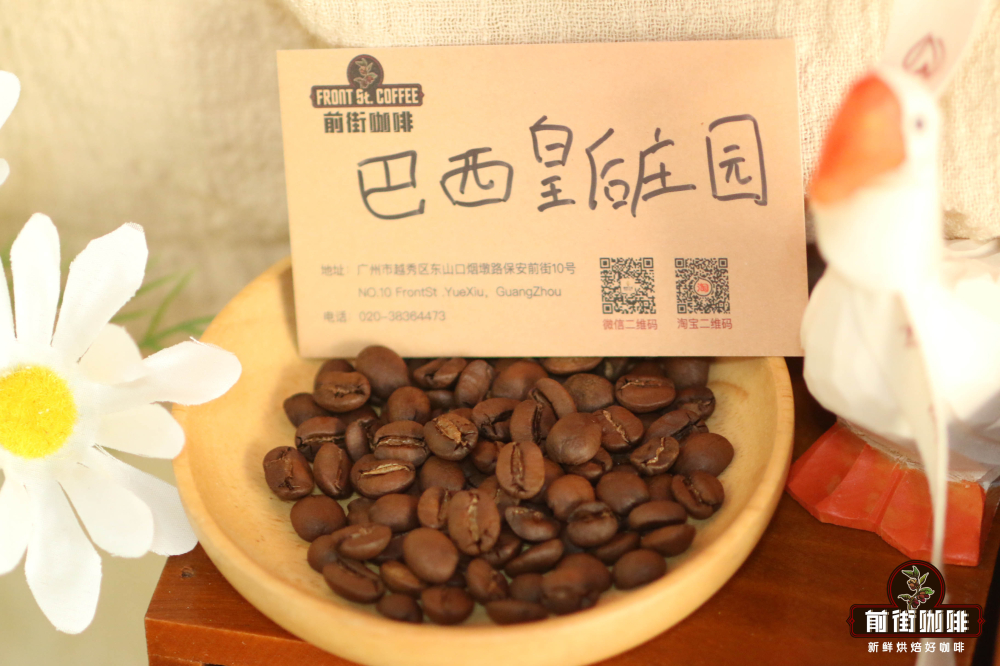
Additionally, single-origin beans from Brazil are another noteworthy option. Their common creamy and nutty aromas, when used as an SOE, present a mild and sweet flavor—especially when paired with milk, creating a cocoa-like smoothness. The lingering peanut-like aftertaste is one of its standout features, adding a familiar warmth to the overall drink.

In actual Ristretto extraction, the biggest difference from traditional espresso lies in controlling the extraction time and the volume of coffee liquid. A standard espresso typically uses 20 grams of coffee grounds, extracts for about 30 seconds, and yields 40 milliliters of coffee. In contrast, Ristretto extracts only the first half of the shot, using the same amount of coffee grounds but only for 23–28 seconds, producing around 28 milliliters of liquid. This method results in a more concentrated aroma, a richer yet lower-acid taste, making it a must-try for those who love bold coffee flavors.
The above content is compiled by CoffeeHunters, a coffee news website.


