








Introduction:There are many types of Italian-style milk coffee, from the classic cappuccino to the chocolate-flavored mocha. Each has its unique flavor and preparation ratio. This article details the differences between common Italian milk coffees such as macchiato, latte, cappuccino, and mocha, including their respective coffee-to-milk ratios, milk foam thickness, and also supplements practical extraction and milk frothing techniques to help you better understand the characteristics and preparation tips of these classic drinks.
When walking into a coffee shop and facing a dazzling coffee menu, options like latte, cappuccino, mocha, and macchiato—Italian-style milk coffees—often cause confusion. Although these drinks all use espresso as their base, they present distinctly different textures and layers of flavor through varying ratios of milk, milk foam, and additional ingredients.
Espresso is the starting point of all this. It is made by extracting a strong and concentrated coffee liquid under high pressure. Due to its intense flavor, coffee lovers around the world use it as a base and add milk or other ingredients to create a variety of variations. Understanding the differences among these milk coffees allows you to more accurately choose or make a drink that suits your taste.

The first step in making these coffees is to prepare an espresso machine equipped with a steam wand and select a medium to dark roasted blend coffee bean. These beans are usually specifically designed to pair with espresso and can showcase a rich texture and aroma. The final performance of the coffee is closely related to the choice of beans and the degree of roasting.
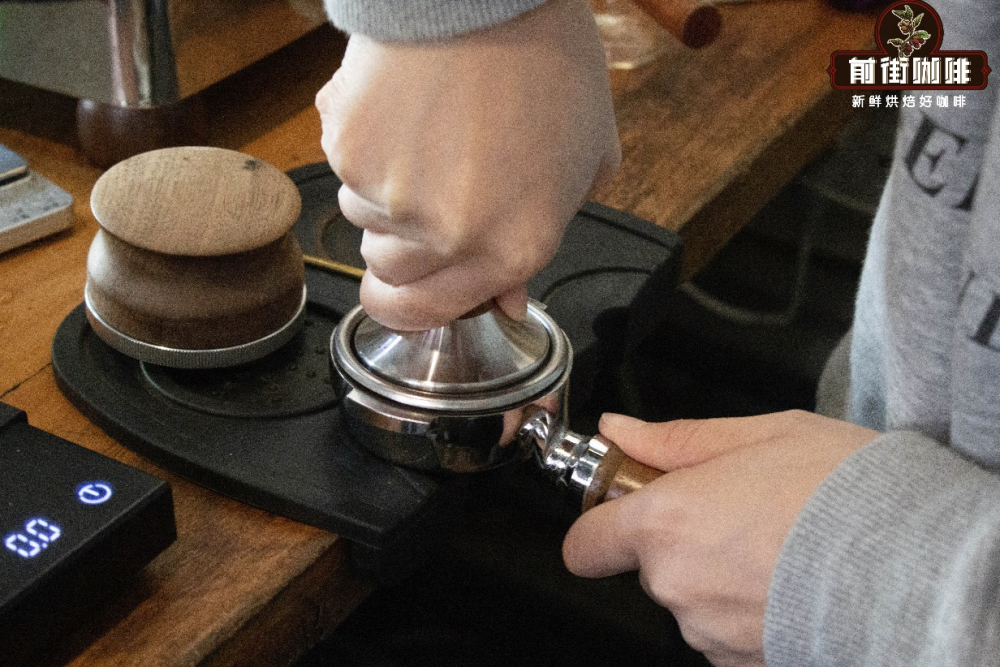
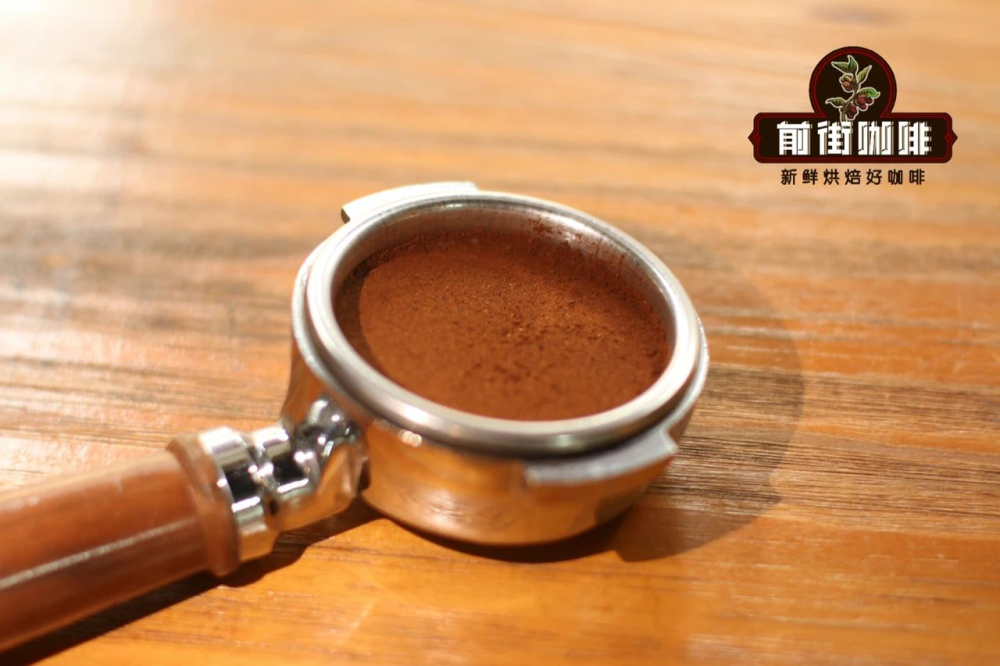
When grinding the coffee beans, adjust to an extremely fine level and evenly fill them into the portafilter basket. Tamp them with a tamper before extraction. It is generally recommended to use 10 grams of coffee grounds to extract 20 grams of coffee liquid, or 20 grams of grounds to extract 40 grams, with the extraction time controlled between 25 to 30 seconds. This extraction duration ensures a balanced concentration and flavor of the coffee. In actual operation, you can slightly adjust the grind size according to personal taste.

Next comes the treatment of milk. Using the steam wand to heat and froth the milk into fine milk foam is a key step in making milk coffee. The texture and thickness of the milk foam directly affect the taste and appearance of the drink, so the frothing level should be adjusted according to the type of coffee.
Latte is one of the most widely known Italian-style milk coffees. Its standard ratio is 20 grams of espresso paired with 160 milliliters of milk, plus about 1 centimeter of milk foam. The total volume is approximately 200 milliliters, and it is recommended to serve it in a bowl-shaped latte cup, allowing the coffee and milk to fully integrate and present a smooth and balanced taste. This coffee is suitable for those who enjoy a balanced combination of milk aroma and coffee.

Mocha, on the other hand, adds a chocolate element on top of the latte. Its ratio consists of 20 grams of espresso, 10 grams of chocolate syrup, 150 milliliters of milk, and 1 centimeter of milk foam. If you prefer a sweeter flavor, you can additionally add marshmallows. Mocha is typically served in a 200 to 300 milliliter bowl-shaped cup, combining the complex layers of coffee, chocolate, and milk aroma, making it a favorite among many chocolate lovers.
Cappuccino is characterized by its stronger coffee flavor and dense milk foam. The ratio is 40 grams of espresso, 120 milliliters of milk, and 1.5 centimeters of milk foam, with a total volume of about 200 milliliters. It is recommended to use a straight or tulip-shaped coffee cup, which can better hold the thick layer of foam. The first sip of this coffee often carries a marshmallow-like density, making it suitable for those who prefer a stronger coffee flavor.
Macchiato is the simplest yet most intense among these milk coffees. It uses only 20 grams of espresso and a small amount of milk foam. Though it may appear smaller in portion, its flavor is highly concentrated. It is recommended to serve it in a dedicated espresso cup to fully experience its bold taste. The milk foam in macchiato serves merely as a decoration and does not affect the expression of the coffee’s inherent flavor.
No matter which Italian-style milk coffee you choose, understanding its ratio and preparation details can help you better appreciate the uniqueness of each drink. From the thickness of the milk foam to the proportion of coffee to milk, these details all influence the final flavor experience. The next time you walk into a coffee shop, you might as well use this knowledge to pick the cup of coffee that best suits your taste.




The above content is compiled by CoffeeHunters, a coffee news website.


