







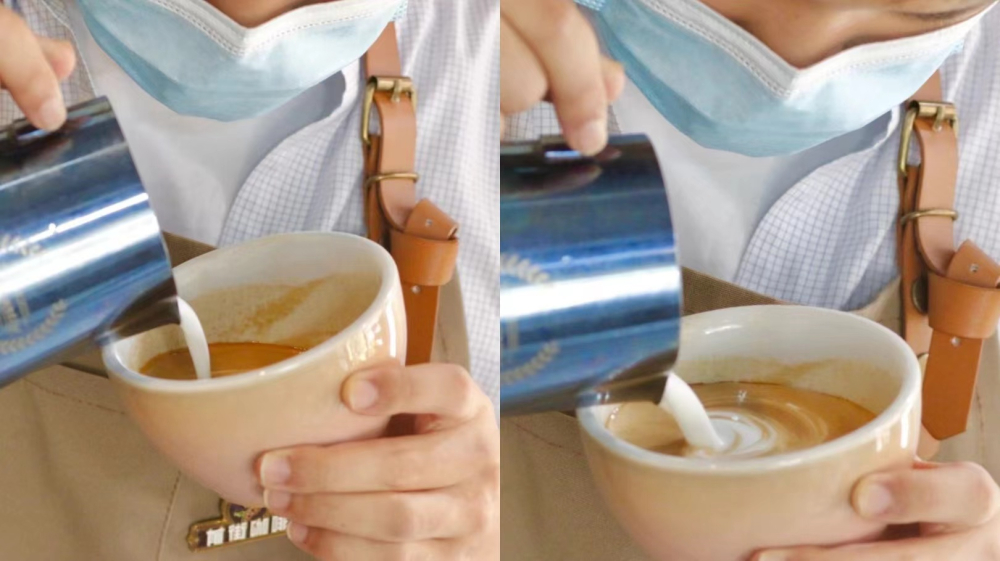
Introduction:Want to understand the difference between a Flat White and a Latte Macchiato, and how to pull the perfect milk foam? This article delves into the origins of the Flat White, the golden ratio of espresso to milk, and provides step-by-step guidance on steaming techniques and ideal temperature control. It helps coffee beginners master the making of this classic espresso-based drink, so you can easily recreate professional-grade flavor at home.
Making an authentic Flat White, also known as a Latte Macchiato, is not simply about pouring milk into espresso — it requires precise control over the ratio, milk foam thickness, and layers of coffee flavor. Although often confused with a latte, the Flat White actually features a stronger coffee aroma by using less milk and thinner foam.
About the Origins of Flat WhiteIt is widely believed to have originated in either Australia or New Zealand, but the preparation methods differ slightly between the two. The New Zealand version typically uses a double ristretto as the base, while Australian baristas prefer a single shot of espresso. Additionally, the Australian style of Flat White is almost exclusively served hot, as adding ice can dilute the intensity of the espresso and affect the crema, thus losing the soul of the drink.
In terms of preparation, the key to a Flat White lies incontrolling the ratio of milk to espresso, as well as the fineness of the milk foam. Compared to a latte, a Flat White generally uses about 100 milliliters less milk, and the foam is only around 5 millimeters thick, allowing each sip to combine the coffee’s crema with the delicate foam.

From a professional perspective, a standard Flat White is recommended to use 40 milliliters of espresso paired with 140 milliliters of whole fresh milk. This ratio ensures that the strong flavor of the coffee is not masked by excessive milkiness, while the right amount of milk softens the taste. The foam thickness, controlled at around 5 millimeters, is one of the key differentiators between a Flat White, a latte, and a cappuccino.

Steaming milk is one of the core techniques for making a great Flat White. It is recommended to use whole fresh milk, which has higher fat and protein content, enabling the production of finer and more stable foam. When steaming, heat the milk to between 50 and 60 degrees Celsius. This temperature range fully brings out the sweetness of lactose without overheating and damaging the protein structure, which could result in rough foam or a grainy texture.

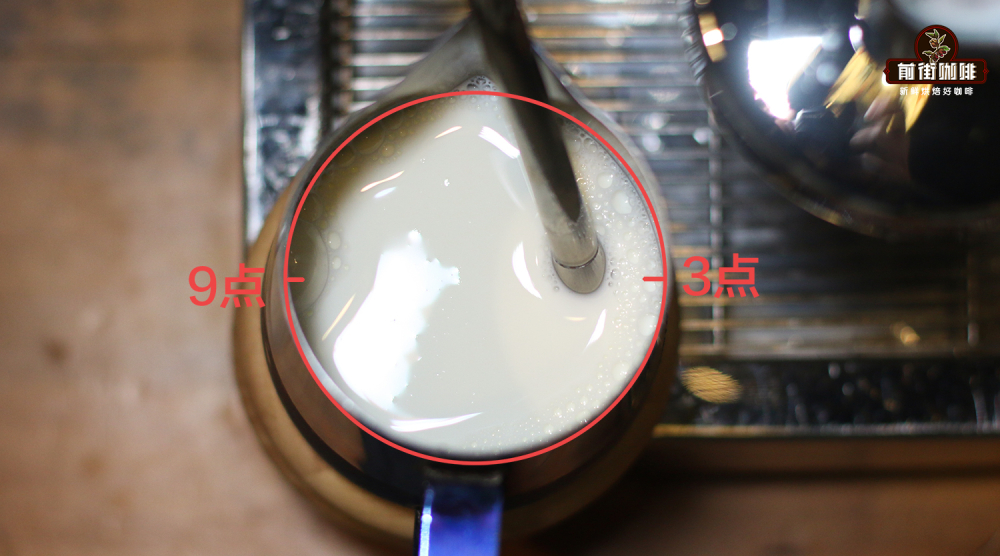
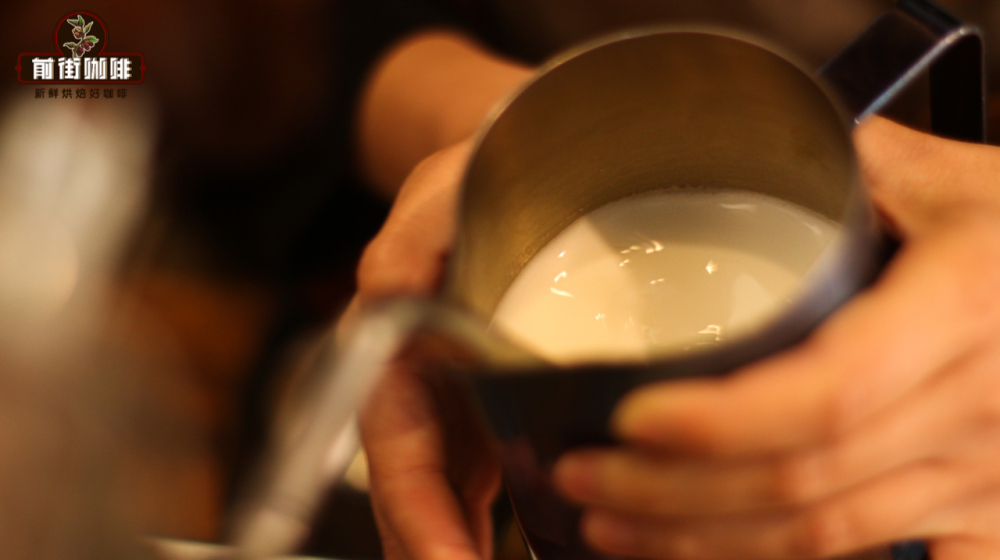
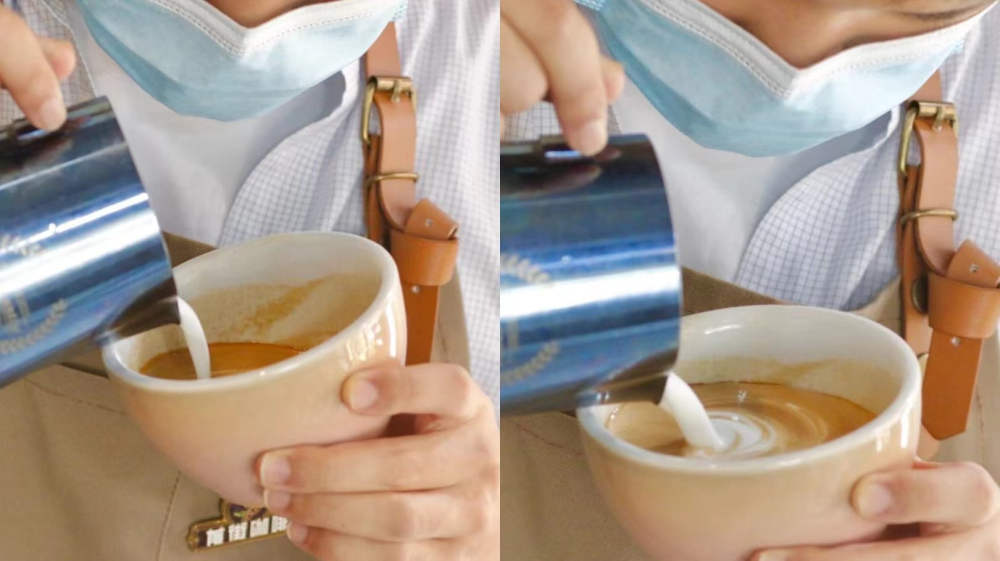
In practice, it is recommended to use the steam wand of an espresso machine to steam the milk. Start by purging the steam wand to release any internal condensation, then insert the steam tip just below the surface of the milk and use a vortex motion to incorporate air and create fine microfoam. Advanced techniques include two phases: “stretching” and “texturing.” The latter involves submerging the steam wand about 1 centimeter into the foam layer and rotating in one direction to further refine the coarse foam, ensuring a smooth surface free of large bubbles and with good fluidity.

Common mistakes include steaming milk at too high a temperature, which can not only cause the foam to break down quickly but may also overly denature the milk proteins, affecting the taste. The ideal milk foam temperature should be maintained between 55 and 65 degrees Celsius, preserving sweetness while maintaining stability and fineness.
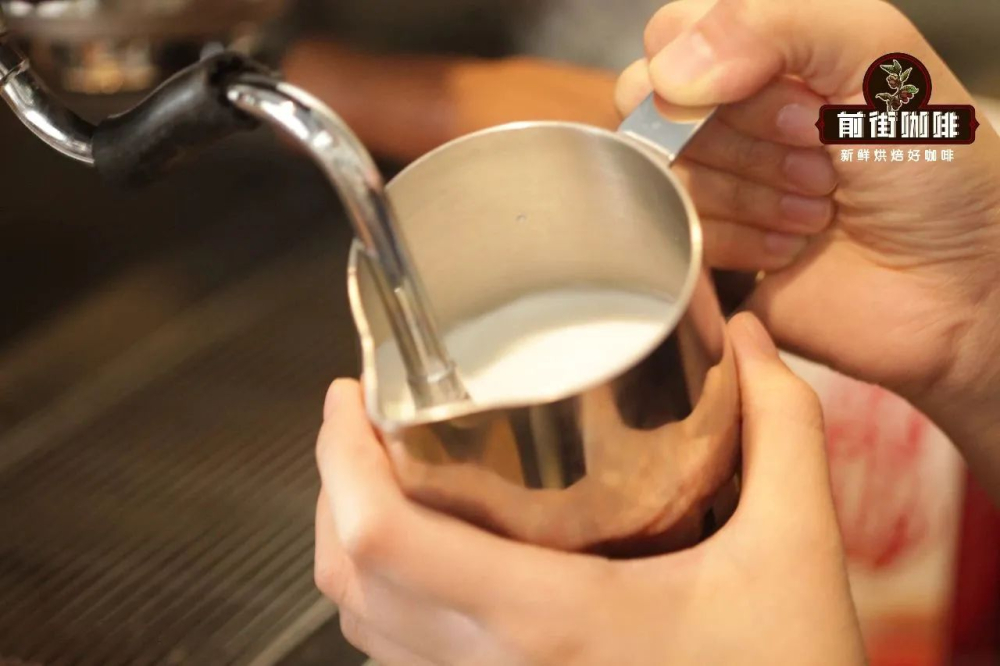
As for milk selection, although whole milk is the first choice, low-fat or skim milk can also be used to make a Flat White. However, these types are more prone to creating large bubbles during steaming and require more skill to control the foam texture. For the best flavor and texture, it is recommended to prioritize whole fresh milk with high foamability and balanced fat and protein content.

In summary, making a standard Flat White requires mastering three key elements: an accurate espresso-to-milk ratio, fine and uniform milk foam thickness, and appropriate temperature control and steaming techniques. Once you’re familiar with these basic principles, even coffee beginners can easily recreate a professional-grade Flat White at home, enjoying the perfect balance of rich coffee and smooth foam.

The above content is compiled by CoffeeHunters, a coffee news website.


