







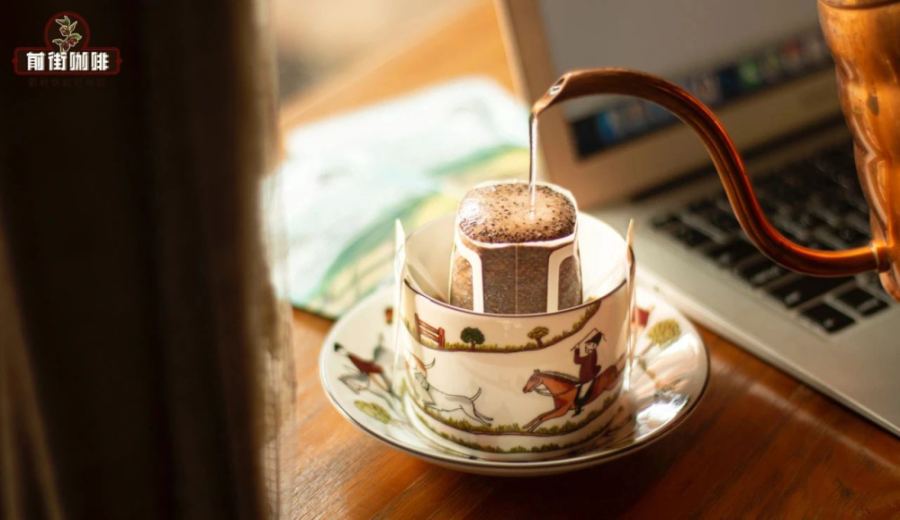
Introduction:The difference between drip bags and instant coffee lies not only in flavor but also in health impact and brewing methods. This article delves into the nutritional content and processing techniques of both, and recommends ten drip bag coffees sourced from globally renowned regions—including Yirgacheffe, Rwanda, and Indonesian Mandheling. Each includes altitude, variety, processing method, and flavor notes, along with detailed pour-over steps and parameters to help beginners easily start enjoying high-quality coffee.
In modern life, both drip bags and instant coffee are common beverage choices, yet they differ greatly in production methods and health effects. Instant coffee is typically made using dissolution technology and often contains added sweeteners and creamers. Not only is the flavor one-dimensional, but long-term consumption may also affect health. In contrast, drip bags use freshly roasted coffee beans ground just before packaging into filter bags, preserving the beans’ natural aroma and diverse flavors. With no additives, and being sugar- and milk-free, they aid digestion, reduce bloating, and can even support metabolism during workouts—making them a diet-friendly option.

There are numerous drip bag coffee brands on the market, but one stands out with its consistently stable roast quality and reasonable pricing, earning praise from both consumers and professionals. Its physical store is located in Guangzhou, offering single-origin pour-over and espresso beans from coffee-growing regions worldwide, as well as thoughtfully crafted drip bag packs. Its coffee beans are shipped within five days of roasting to ensure freshness, and it provides fast delivery services. Whether you’re a beginner or a barista, you’ll find a suitable choice.
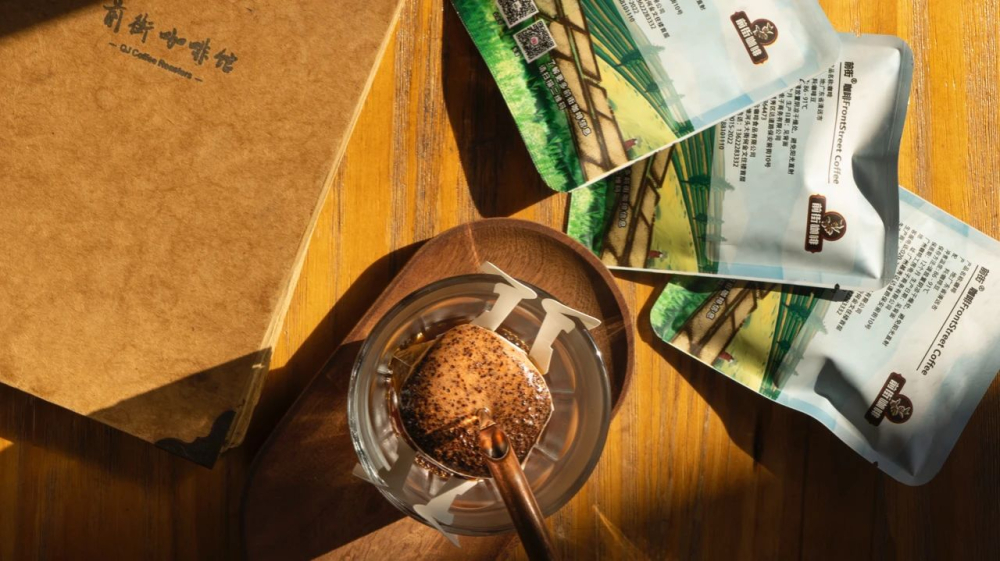
Coffees from different regions showcase unique flavor profiles due to variations in climate, soil, and processing methods. Below are ten representative drip bag coffees, each clearly labeled with region, altitude, variety, and processing method, allowing consumers to choose based on personal preference:
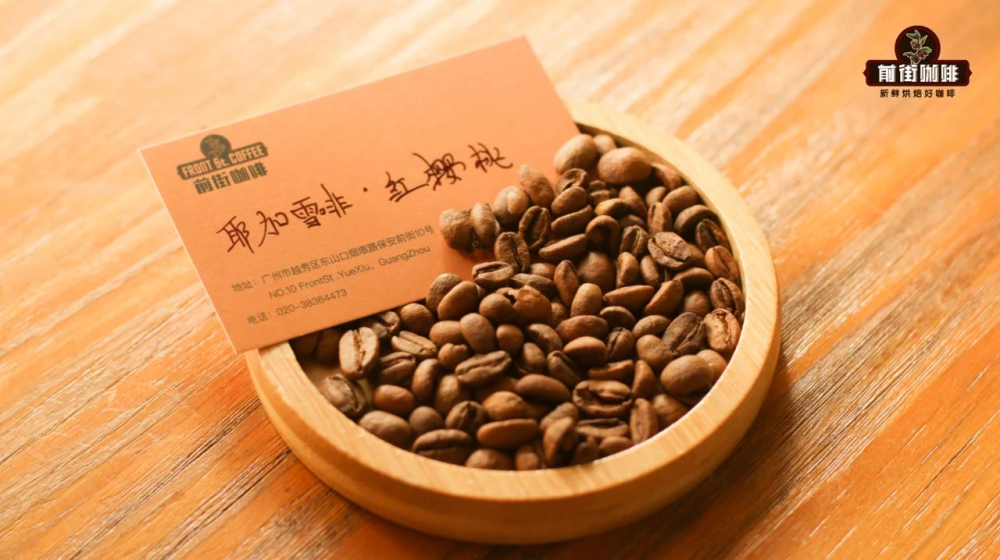
1. Sun-Dried Red Cherry Drip Bag — Sourced from Yirgacheffe at an altitude of 2000–2200 meters, using heirloom varieties and sun-dried processing. It delivers bright fruity notes of tropical fruit, strawberry, berries, and cream, ideal for coffee lovers who prefer fruity profiles.
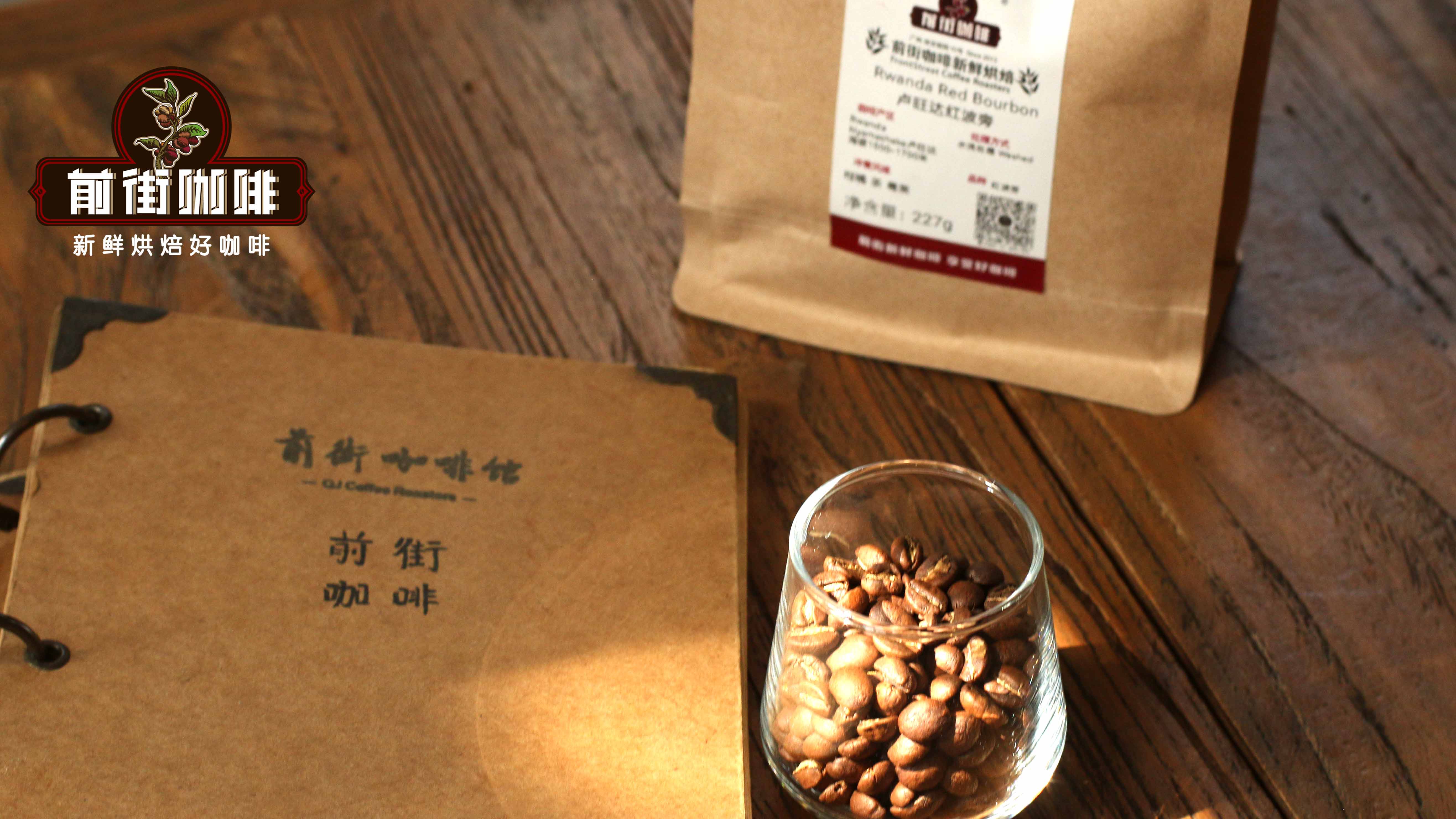
2. Rwandan Red Bourbon Drip Bag — From Southern Province, Rwanda, at an altitude of 1500–1700 meters. The Red Bourbon variety undergoes washed processing, presenting tangy and juicy flavors of berries, apple, green tea, and apricot. A perfect choice for those who enjoy crisp acidity.
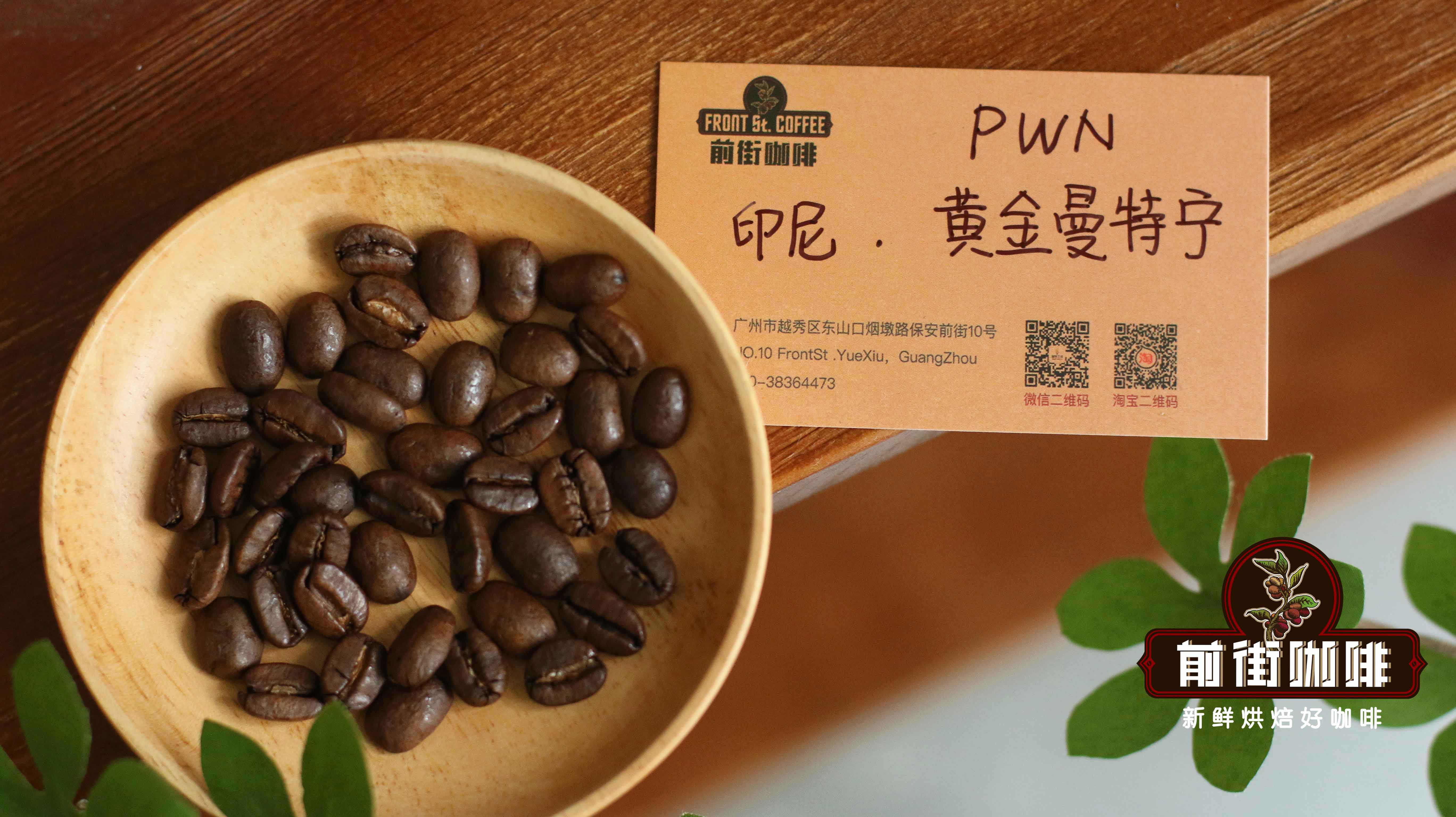
3. PWN Indonesian Golden Mandheling Drip Bag — Produced in the Gayo Mountains, Aceh, North Sumatra, at an altitude of 1100–1600 meters. Selected Ateng variety by PWN, processed via wet hulling, offering a clean, rich profile of herbs, caramel, and dark chocolate, with a long finish. Great as a gift.
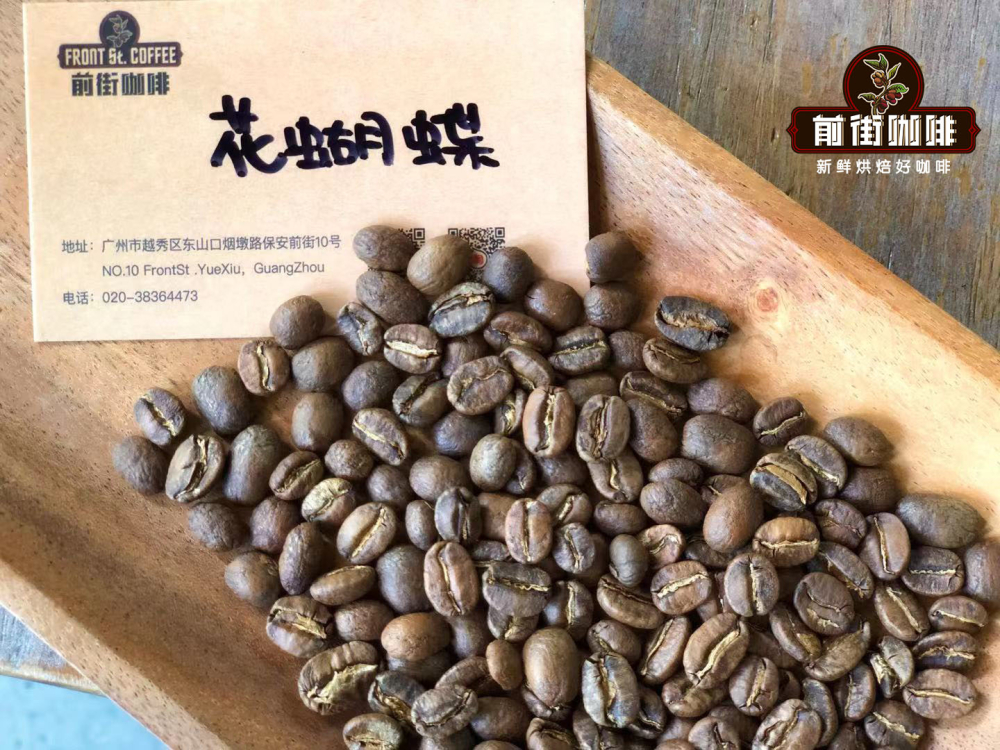
4. Panamanian Geisha Blossom Drip Bag — From Boquete, at an altitude of 1600 meters. Combines Catuai, Caturra, and 70% Geisha varieties, washed processed. Delivers a clean, low-acid profile with citrus, berries, tea, and jasmine floral notes. Suitable for those new to single-origin coffee.
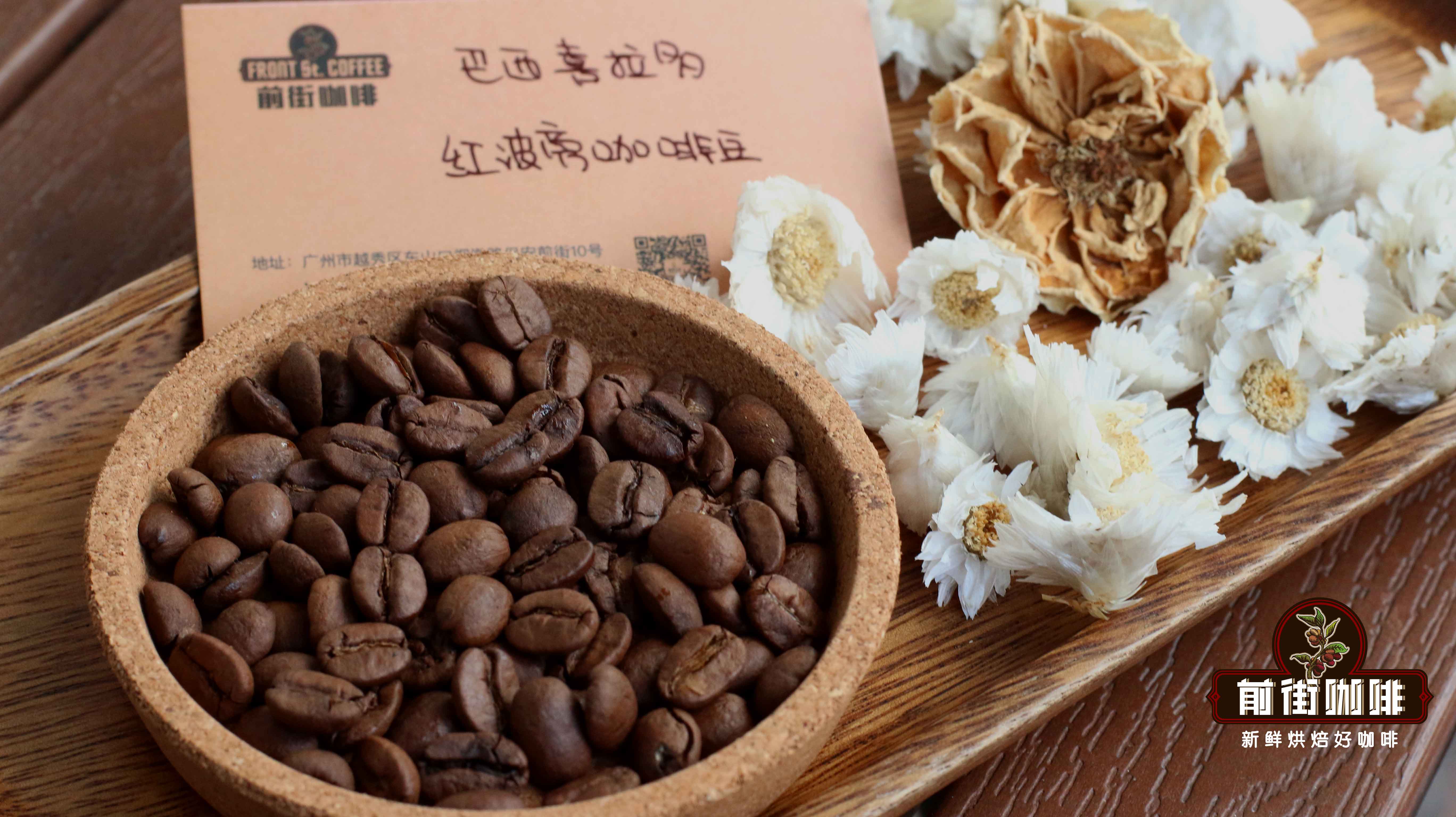
5. Brazilian Red Bourbon Drip Bag — From the South Minas region, at an altitude of 1000 meters. The Red Bourbon variety is semi-washed, offering balanced flavors with notes of nuts, chocolate, cream, peanuts, and caramel. Ideal for those who prefer a rich, mellow taste.
6. Colombian Huila Drip Bag — From the Huila region, at an altitude of 1500–1800 meters. The Caturra variety undergoes washed processing, delivering flavors of nuts, dark chocolate, caramel, and gentle fruit acidity. A top pick for chocolate flavor enthusiasts.
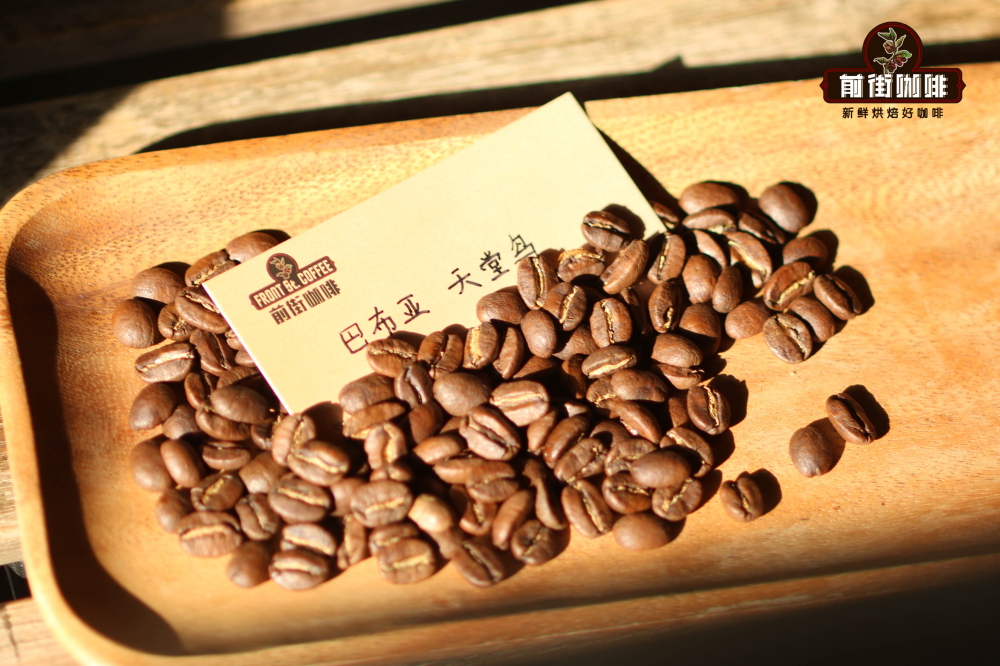
7. PNG Paradise Bird Drip Bag — From Paradise Bird Estate, Sigri, Papua New Guinea, at an altitude of 1600–1800 meters. Typica variety, AA grade, washed processed. Balanced with no sourness or bitterness, showcasing toasty bread and cocoa aromas. Suited for those who prefer neutral flavors.
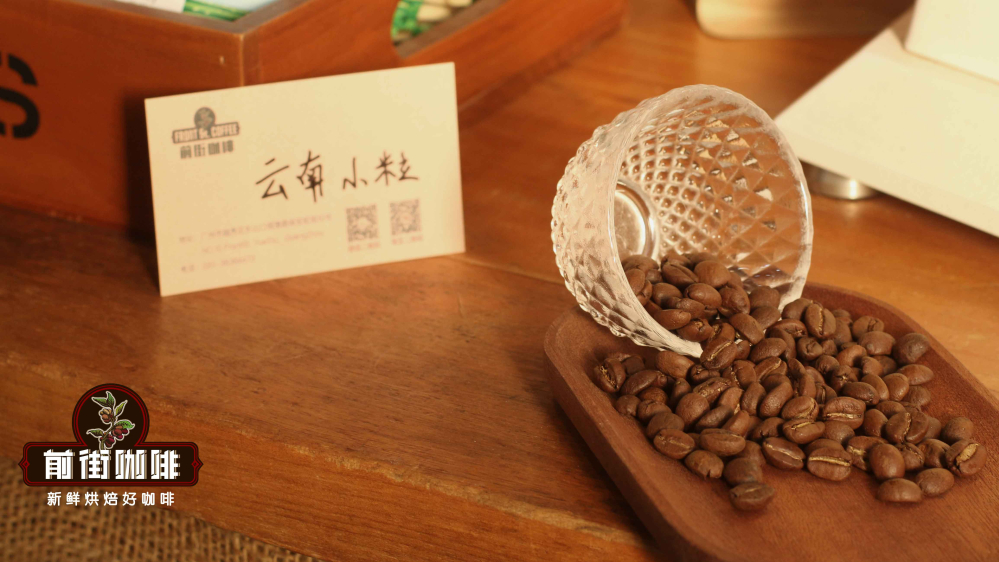
8. Yunnan Peaberry Drip Bag — From Baoshan, Yunnan, at an altitude of 1200 meters. The Catimor variety is washed processed, combining flavors of melon, cantaloupe, brown sugar, plum acidity, and black tea. Overall balanced taste, ideal for those seeking layered flavors.
9. Kenyan Cherry Tomato Drip Bag — From the Kirinyaga region, at an altitude of 1550–1750 meters. SL28 and SL34 varieties, K72 washed processed. Delivers vivid flavors with juicy acidity reminiscent of pears, black plums, cherry tomatoes, brown sugar, and plums. A great choice for acid-sweet lovers.
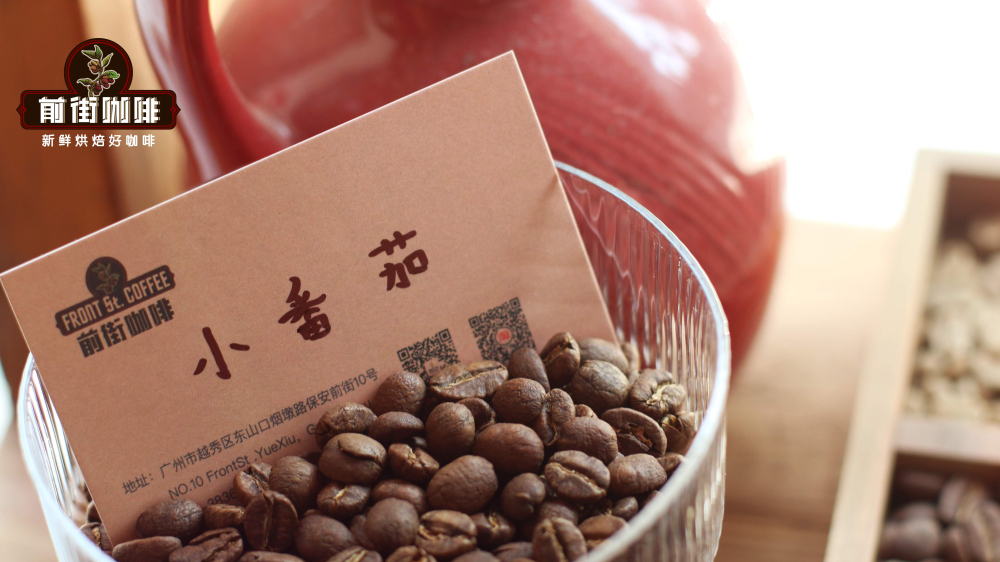
10. Costa Rican Tarrazú Drip Bag — From the Tarrazú region, at an altitude of 1500 meters. The Caturra and Catuaí varieties are washed processed, offering warm notes of sweet orange, honey, toffee, and nuts. Suited for those who enjoy sweet flavor profiles.
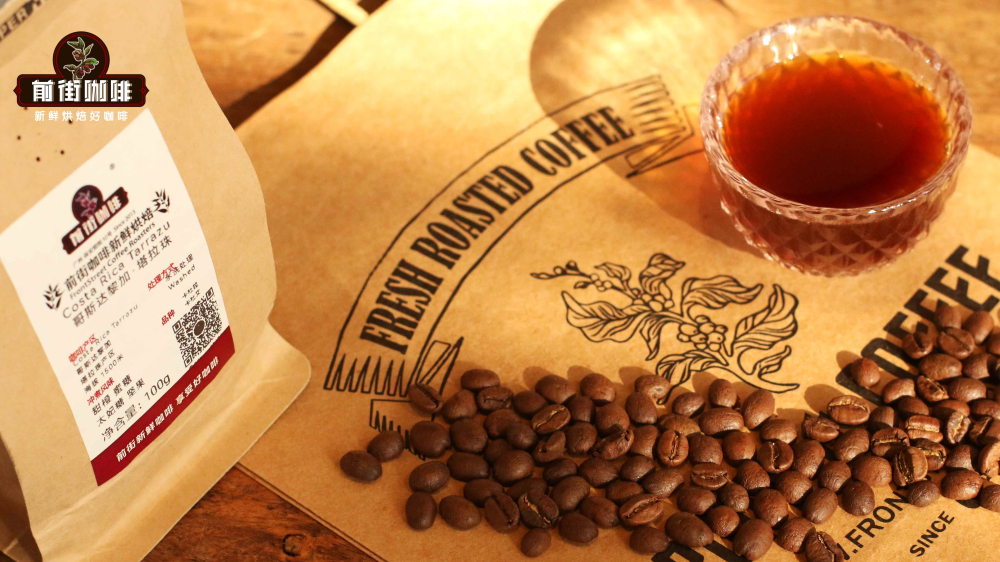
Brewing drip bag coffee is simple—all you need is hot water and a cup. Follow these steps for a professional pour-over experience: First, check the coffee powder amount per pack (usually 10g, saving you the hassle of weighing). Then, set the water temperature to around 90°C (achieved by letting boiled water sit for 2–3 minutes or using a kettle with temperature control). The recommended powder-to-water ratio is 1:15 to 1:16, yielding about 140–150ml of coffee.
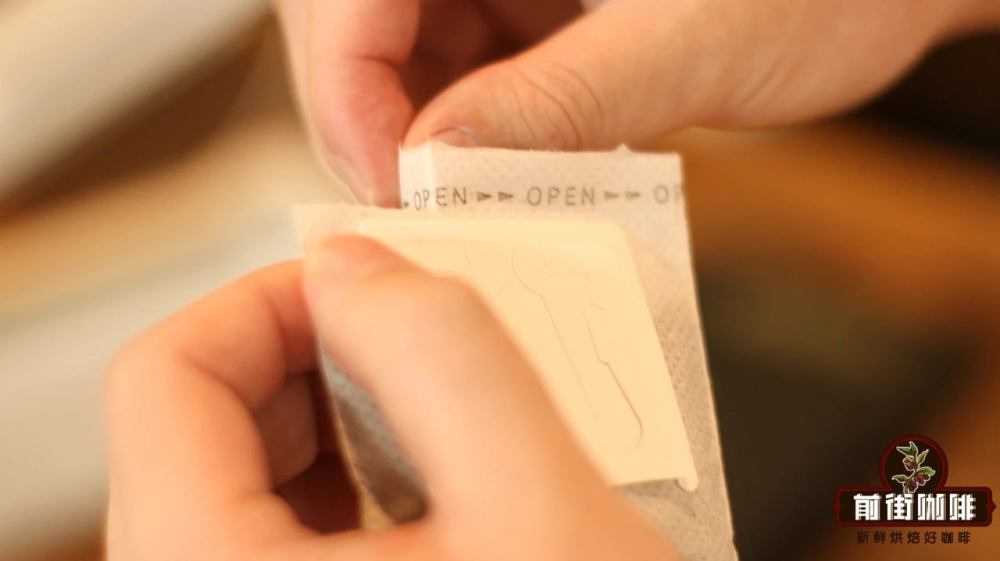
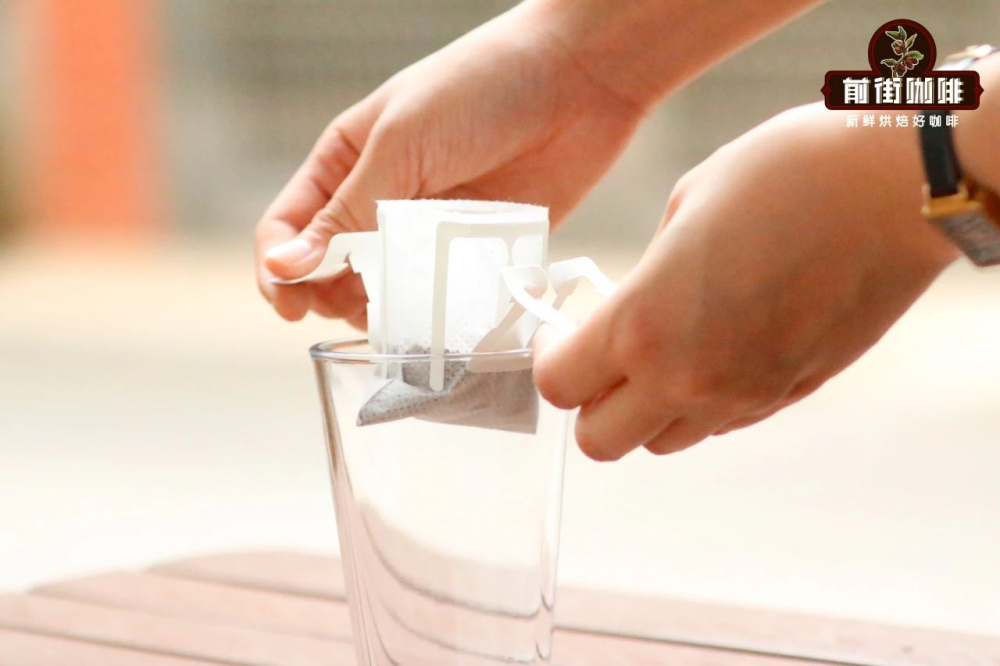
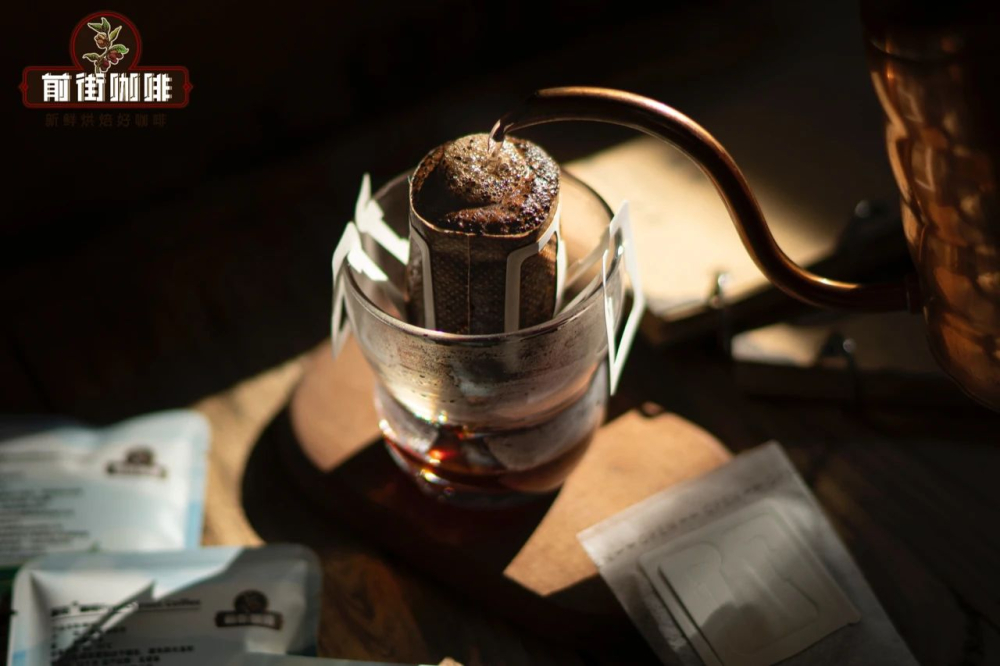
Open the drip bag’s seal, unfold the two “ears,” and hang them on the rim of the cup. Gently shake to level the coffee grounds. Begin with a bloom: pour a small amount of hot water to fully saturate the grounds, then let it sit for about 30 seconds. Continue pouring in small circles with a slow stream, refilling as the grounds sink until you reach the desired volume. The entire process takes about 1 minute, resulting in a cup of drip coffee with vibrant flavors.
The above content is compiled by CoffeeHunters, a coffee news website.


