







Introduction:Drip bag coffee is a convenient and delicious brewing method, perfect for the office or outdoor settings. But do you know the correct brewing parameters? This article explains everything about drip bag coffee — including the number of brews, water temperature control, coffee-to-water ratio, brewing time, and common misconceptions — to help you achieve a flavor close to pour over using just a simple tool.
Filter-style drip bag coffee is a brewing method that combines convenience with great flavor expression. All you need is hot water and a cup to easily enjoy your coffee. Many people who are new to it have questions about how to brew it, whether it can be reused, or what the best coffee-to-water ratio is. Understanding the proper brewing process not only helps avoid waste but also fully showcases the regional characteristics of the coffee beans and the flavors brought out by their processing methods.
As for whether drip bag coffee can be brewed multiple times, the answer is no.After roasting, coffee beans have only about 30% of their soluble substances that can be extracted.The rest is mostly fiber. Even if you add water multiple times, the subsequent brews often contain only woody flavors and impurities, resulting in a taste that is both weak and bitter. Therefore, it’s generally recommended to brew only once to get the best flavor experience.
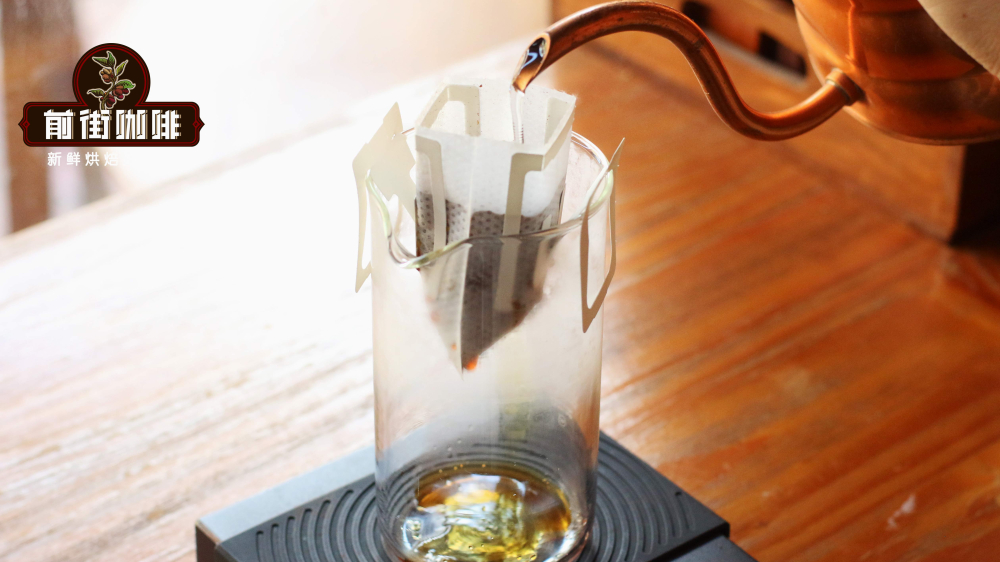
For the proper brewing of drip bag coffee, it is recommended to use10 grams of coffee grounds,with a coffee-to-water ratio of 1:15 to 1:16, which means the total extracted liquid should be about 140 to 150 milliliters. The water temperature should be adjusted according to the roast level:around 90°C for medium to light roasts, and about 88°C for medium to dark roasts.If you don’t have a thermometer, you can boil the water, then turn off the heat and let it sit for 2–3 minutes to allow the temperature to naturally drop to the appropriate range, which works especially well at room temperatures around 28°C.
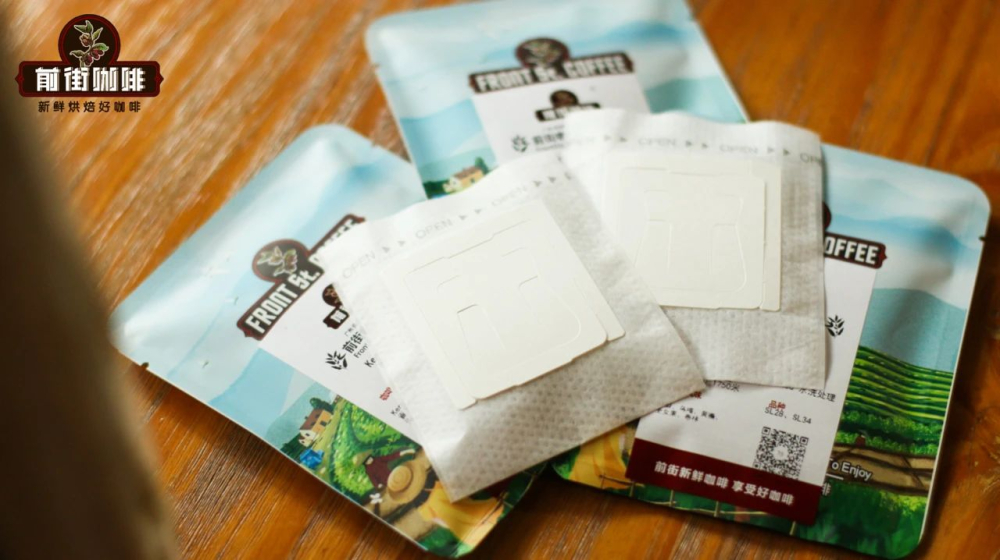
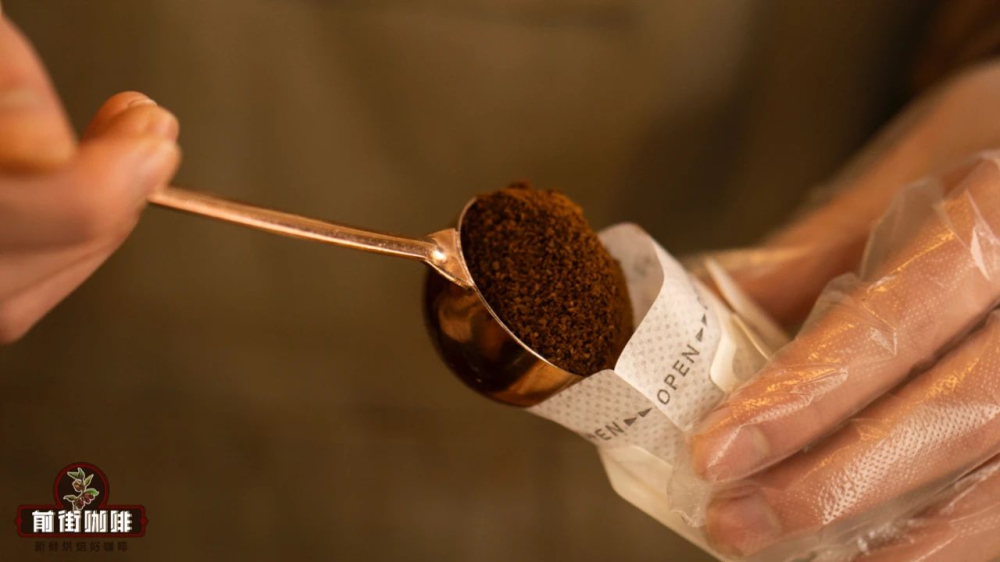
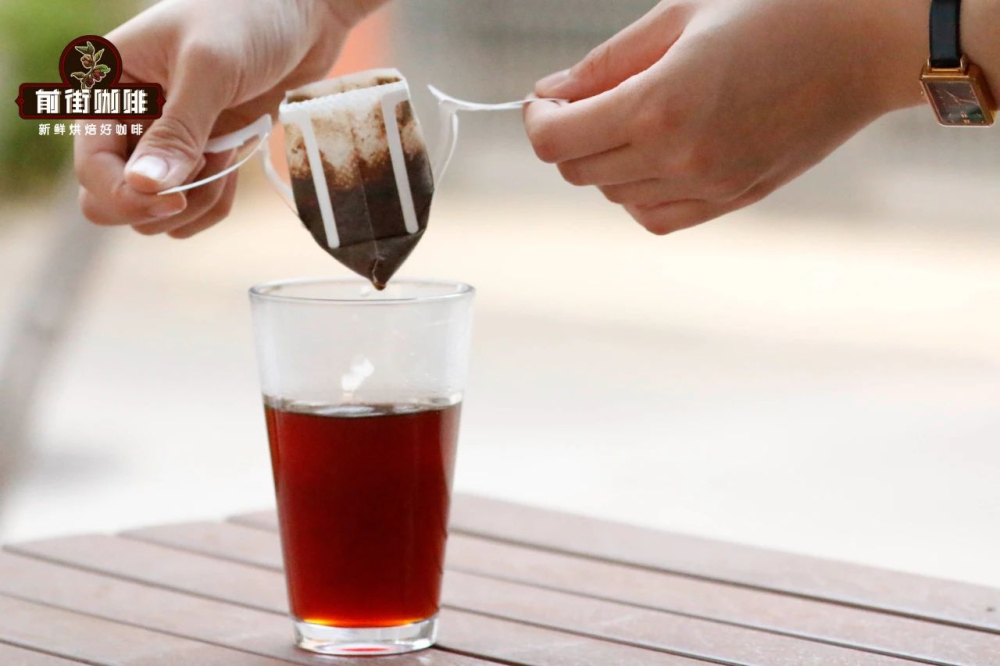
During the preparation stage, it’s recommended to preheat your cup to help maintain the coffee’s temperature. Then, tear open the drip bag’s sealed opening, unfold the filter paper pouch, and securely hang it on the rim of the cup, ensuring the coffee layer is flat. The first step is blooming: pour 20–30 grams of hot water and let it sit for about 30 seconds. This step is crucial for flavor release and is similar to the initial pour in pour over brewing.
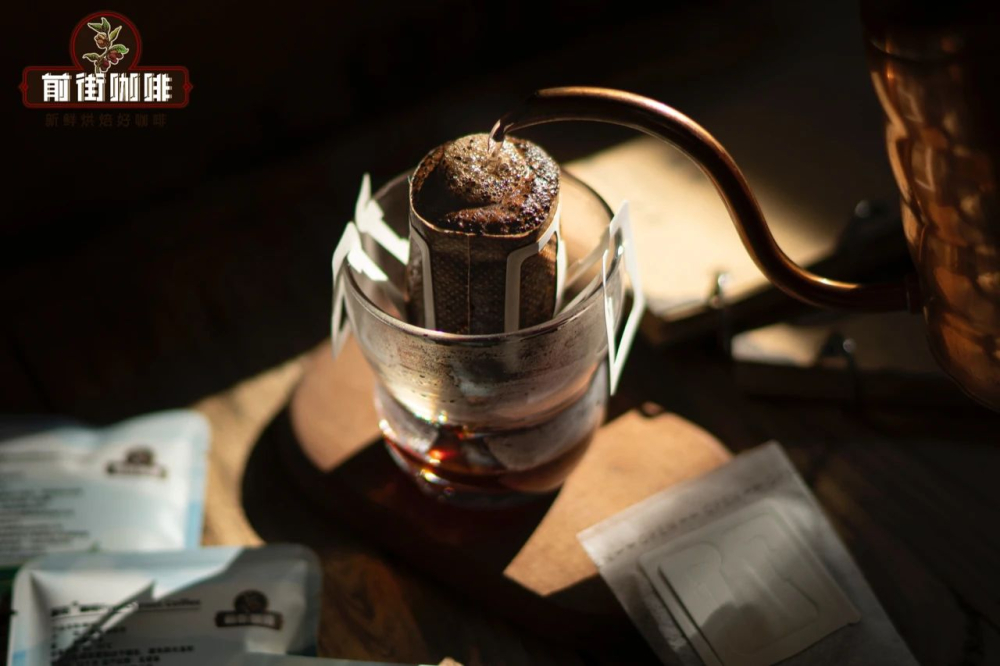
After blooming, switch to a small stream of water and pour in a circular motion. Once the coffee layer has slightly settled, continue pouring until the total volume reaches 140–150 milliliters, then remove the drip bag.
Since drip bags use pre-ground coffee, which loses its flavor more quickly compared to whole beans, it is recommended to consume them soon after opening to fully appreciate their distinct regional characteristics and processing details. If not consumed all at once, store them properly in an airtight container and try to keep them away from air and sunlight.
Here are some common brewing mistakes to avoid: Many people mistakenly believe that drip bags can be re-brewed multiple times like tea, but in reality, later infusions often yield tasteless or even bitter compounds. Additionally, using water that is too hot (close to 100°C), can bring out burnt and bitter notes in the coffee, especially affecting light roast beans more severely. Improper coffee-to-water ratios—either too strong or too weak—will also directly impact the overall balance of the cup.
By mastering these key points, even beginners can use the simplest equipment to brew a cup of drip coffee with clear flavors and distinct layers. Whether at the office, on a trip, or during a relaxing moment at home, you can enjoy a moment of coffee ritual.
The above content is compiled by CoffeeHunters, a coffee news website.


