







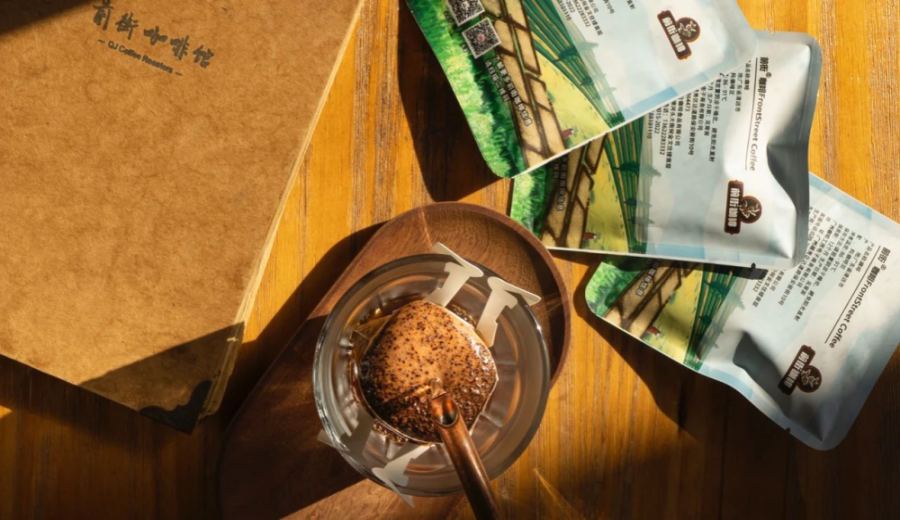
Introduction:Drip bags combine the flavor of pour over coffee with the convenience of instant coffee, making them an ideal choice for busy modern lifestyles. This article provides a detailed guide to the correct brewing method for drip bags, including optimal water temperature, coffee-to-water ratio, and pouring techniques. It also explores whether drip bags can be reused and how to achieve their best flavor. Readers will learn how to brew professional-level drip bag coffee with simple tools, and understand the flavor characteristics of different origins—such as the bright fruity acidity of Ethiopian Yirgacheffe.
The Origin and Convenience of Drip Bags
In the fast-paced modern life, many coffee enthusiasts crave the refined flavors of pour over coffee but are hindered by the complexity of equipment and technical barriers.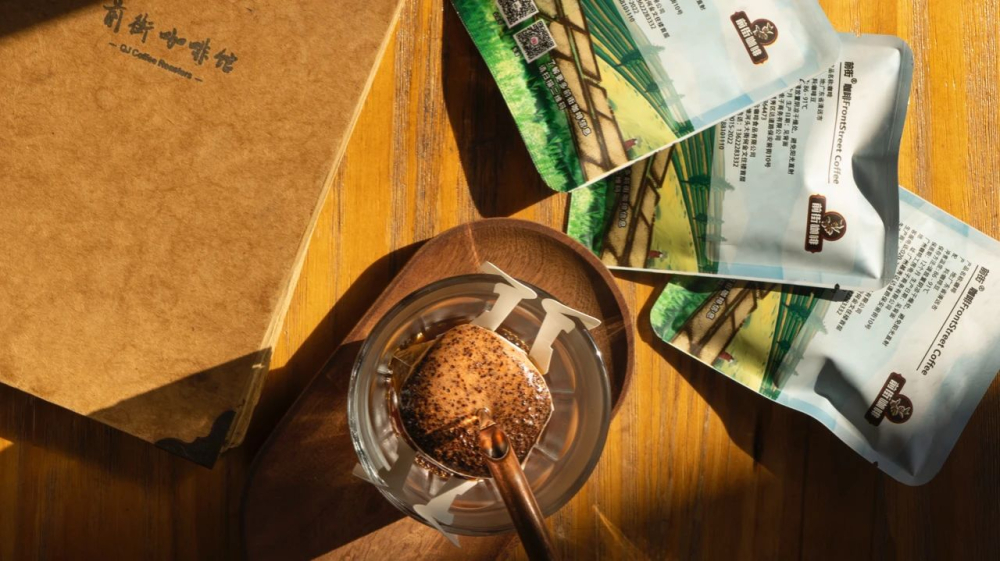 As an innovative solution, drip bags package pre-ground coffee in filter bags equipped with convenient ear-style handles. All you need is hot water and a cup to brew easily. This design is especially suitable for office, commuting, or travel scenarios, allowing you to enjoy freshly ground coffee anytime, anywhere.
The Basic Principle of Drip Bag Coffee
Drip bags are essentially a portable version of the pour over system, with the filter bag structure integrating both filter paper and a filter cone.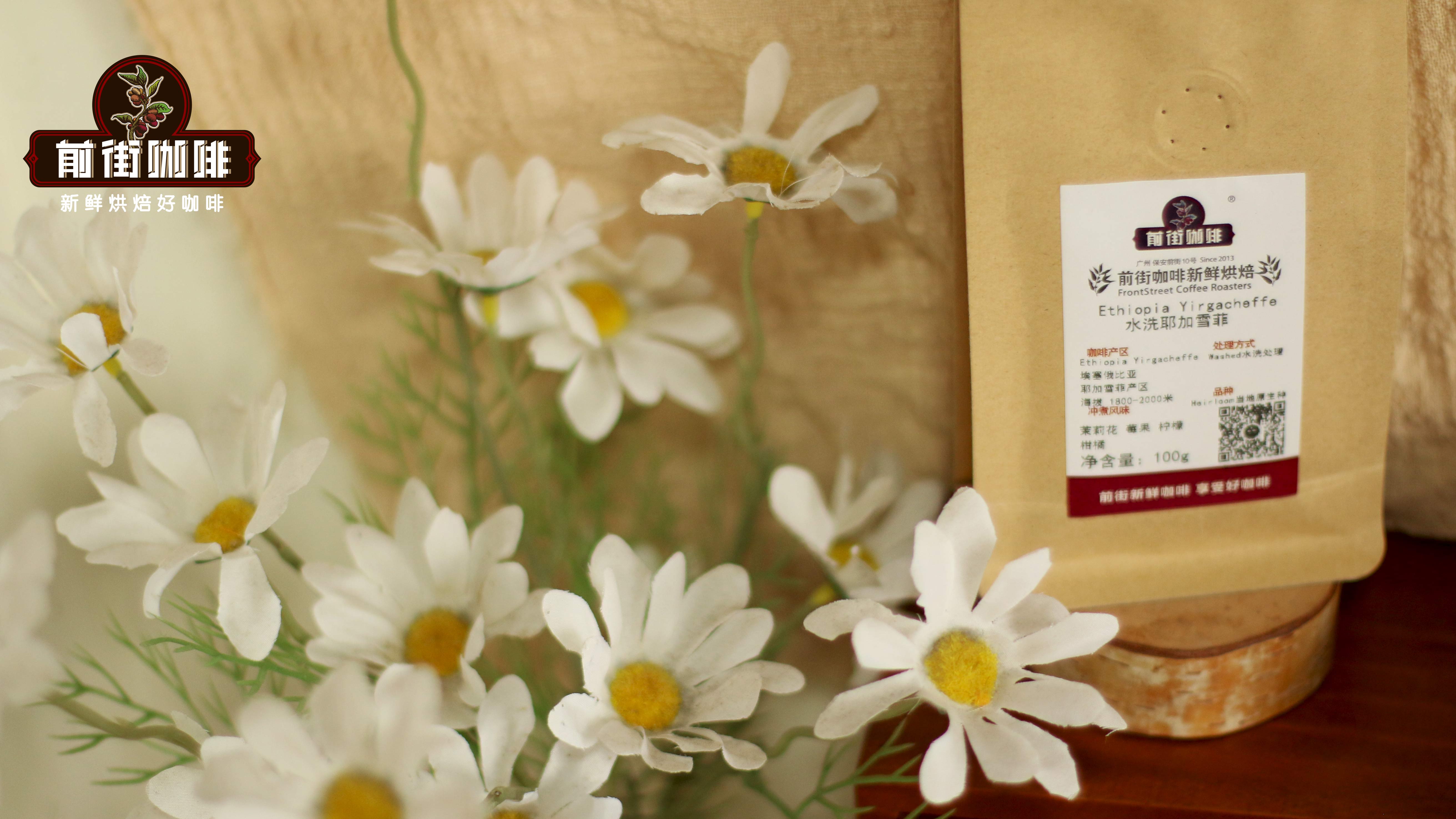 During brewing, hot water passes through the coffee grounds to extract soluble flavor compounds, while the filter bag effectively blocks coffee grounds. This brewing method shares the same principles as professional pour over, but eliminates the need for specialized equipment such as grinders and thermometers, significantly lowering the barrier to entry.
Step-by-Step Guide to Correct Brewing
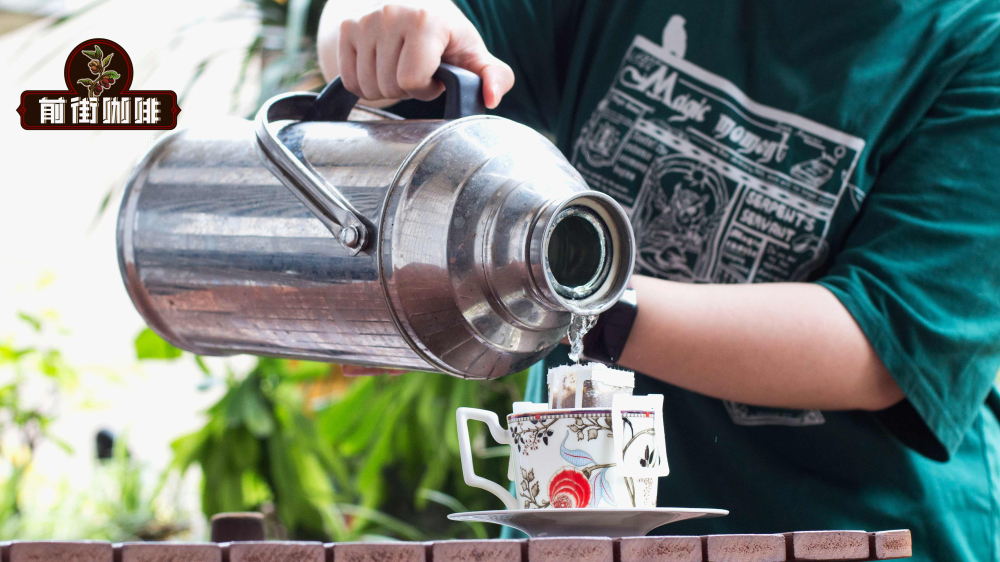
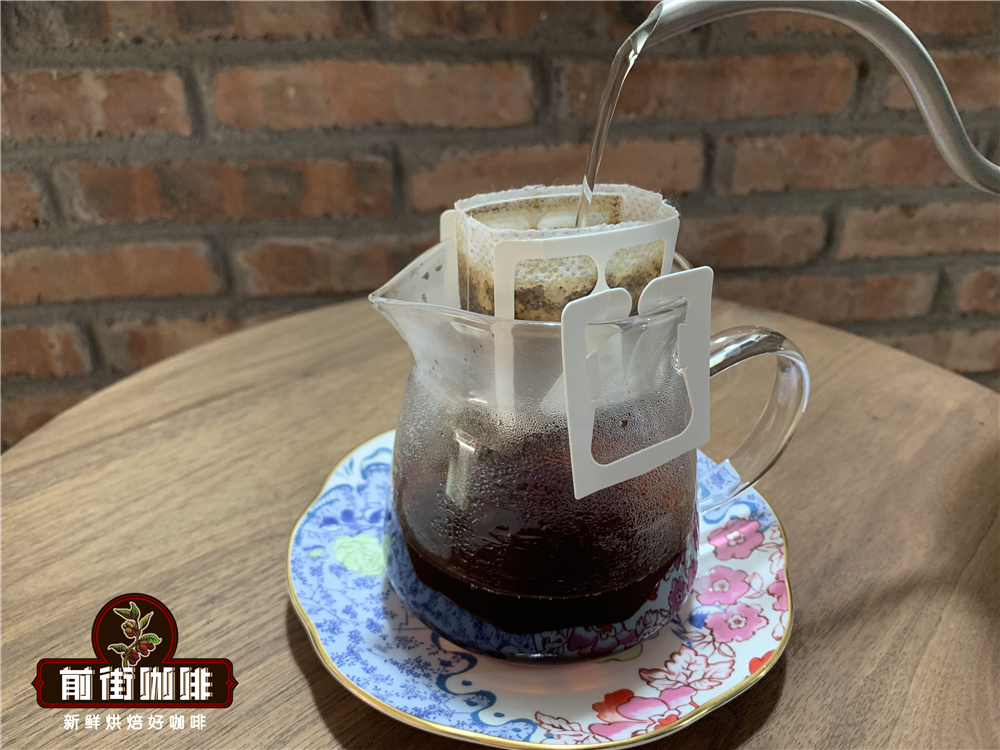
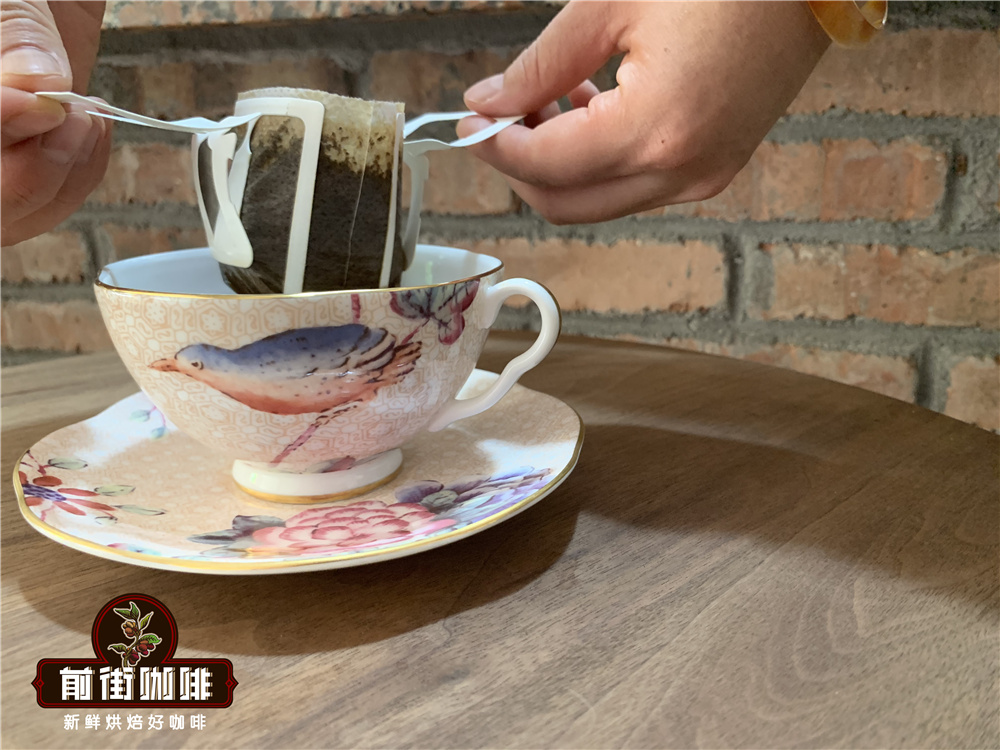
Brewing drip bag coffee requires only three basic elements: the drip bag, 90-96°C hot water, and a drinking vessel.First, tear open the outer packaging and take out the filter bag. Open the pre-cut line of the filter bag, then securely place the two "ears" over the rim of your cup. A recommended golden coffee-to-water ratio is 1:15 (for example, 10 grams of coffee grounds to 150 milliliters of water). Brew in three stages: start with a small amount of hot water for a 10-20 second bloom to initiate extraction, then pour in stages until the desired water level is reached, and finally allow the coffee to fully drip through.
Reuse and Concentration Control
Drip bags are designed for single use. Rebrewing can lead to flavor loss and over-extraction.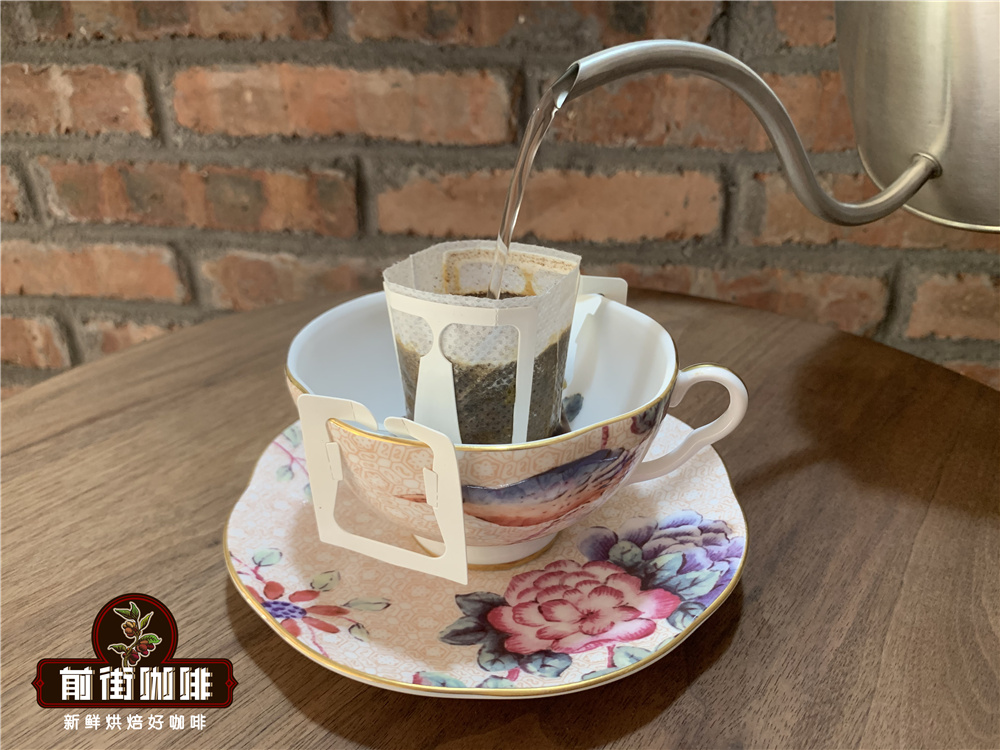 Professionals recommend keeping the total water volume per brew within 150-200 milliliters. Excessive pouring not only dilutes the flavor but may also release undesirable impurities due to over-extraction. The ideal concentration should stay within the professional parameter range of 1:14 to 1:18, which equates to about 140-160 milliliters of brewed coffee in a 200-milliliter cup.
Flavor Selection and Storage Tips
High-quality drip bag coffee should be a fresh product roasted within two months, and you should pay attention to the origin, processing method, and roast level indicated on the packaging.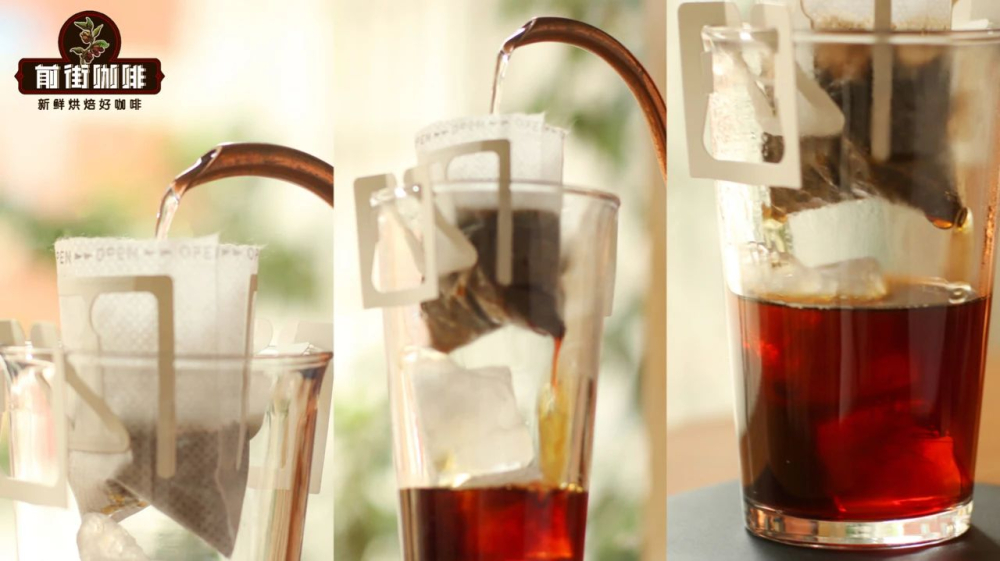 Taking the popular Ethiopian Yirgacheffe as an example, its bright citrus acidity and blueberry notes can only be fully expressed within the freshness window. Store in a light-proof, sealed container in a cool environment to extend flavor shelf life.
Common Mistakes and Professional Advice
Avoid placing the drip bag directly into your cup for brewing, as this may cause insufficient extraction due to heat loss.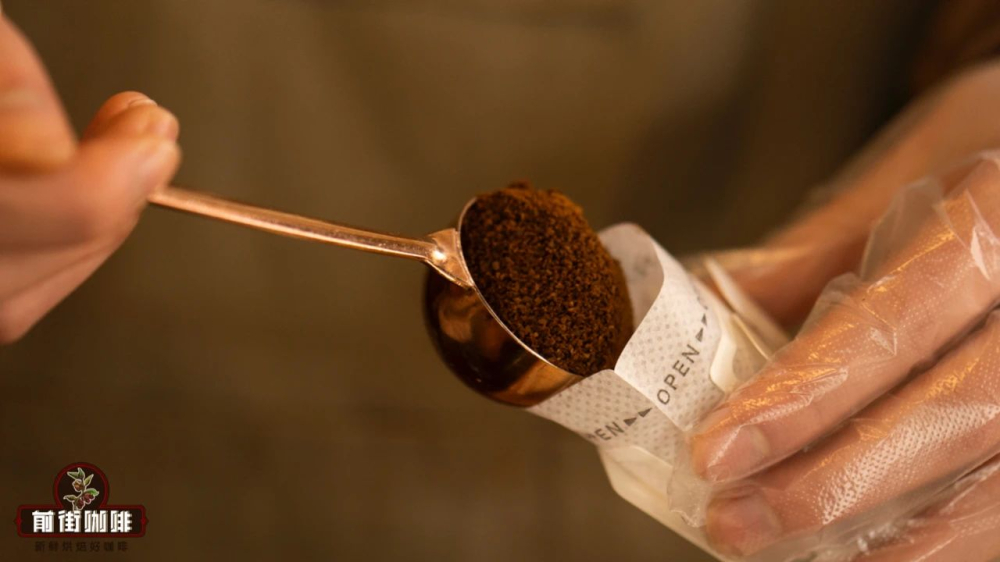 Similarly, extending steeping time may increase concentration, but it will also release excessive tannins and caffeine, resulting in a bitter taste experience. It is recommended to use a narrow-spout kettle for steady pouring, maintain water temperature above 90°C, and ensure the bloom stage adequately activates the coffee.
Equipment Alternatives
If you don’t have a dedicated drip bag cup, you can use a regular coffee cup with a stable setup.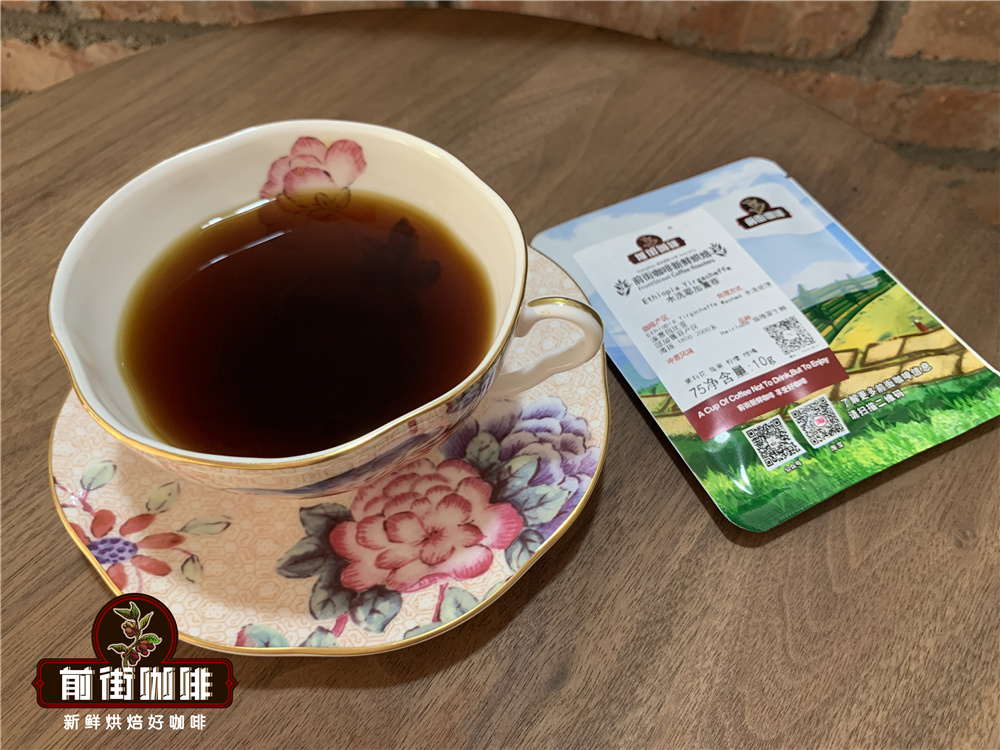 Advanced users can experiment with adjusting pour speed and stage ratios—for example, increasing the bloom water volume or extending total brewing time—to fine-tune extraction parameters based on personal taste. Remember to keep the filter bag in stable contact with the cup rim to ensure even water flow through the coffee grounds.
The above content is compiled by CoffeeHunters, a coffee news website.


