







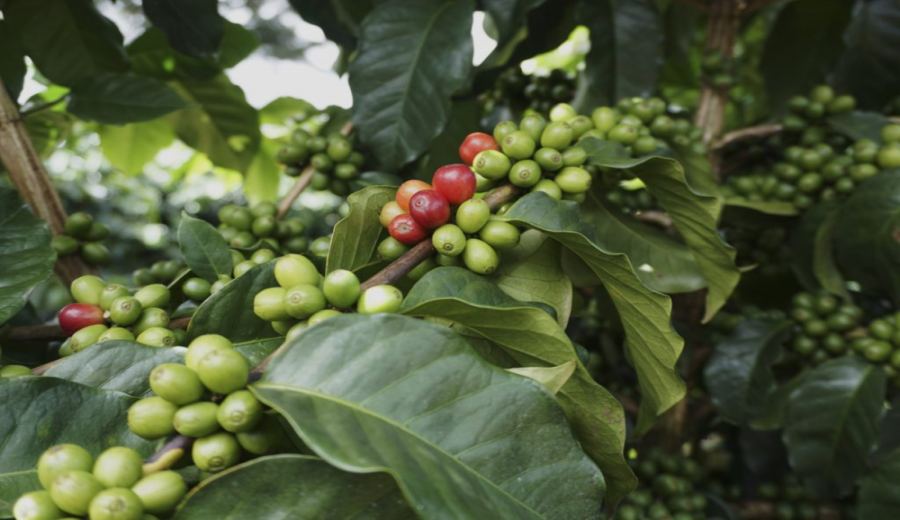
Introduction:Dive deep into the Mandheling coffee from Indonesia’s Sumatra Lintong region, exploring its unique wet-hulled processing method, origin background, and classic flavor profile. This article will take you through the coffee’s history, variety evolution, and pour over brewing parameters, helping you fully master the brewing essentials and flavor characteristics of this iconic everyday bean.
The cultivation history of Indonesian coffee dates back to 1696, when it was introduced to Java by Dutch colonists, later expanding to Sumatra and other regions. However, about two hundred years later, coffee leaf rust ravaged the area, killing a large number of coffee trees and leading to a significant drop in production. To revive the industry, Indonesia introduced disease-resistant varieties, including Robusta, which remains the world’s second-largest producer to this day. Among them, Sumatra Mandheling is a key representative of high-quality Arabica specialty coffee.
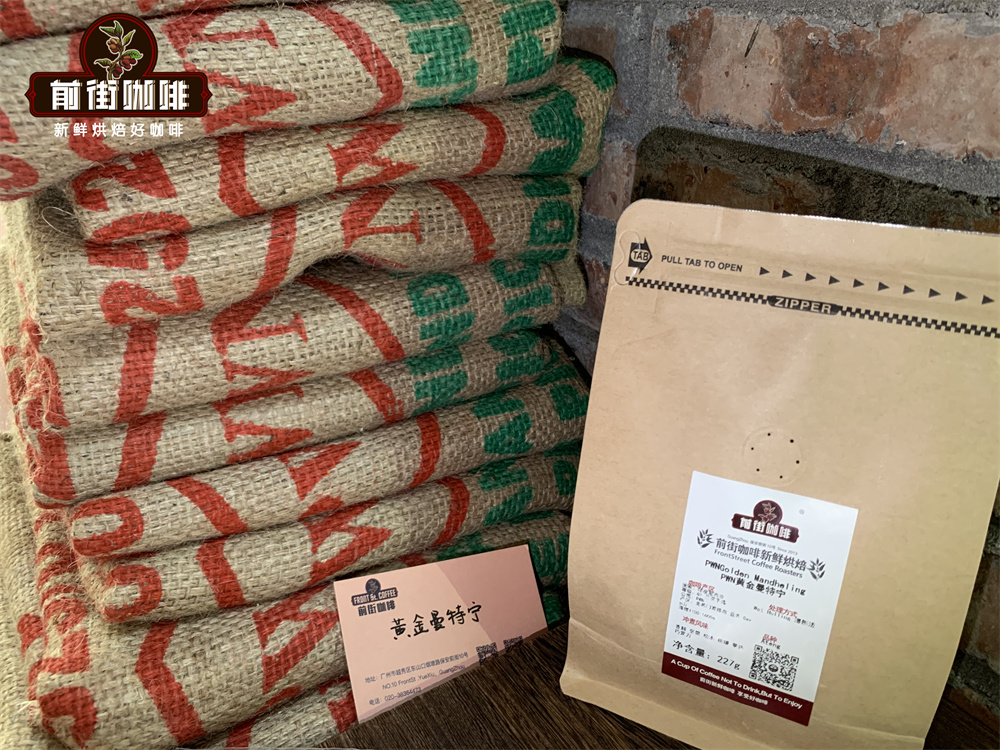
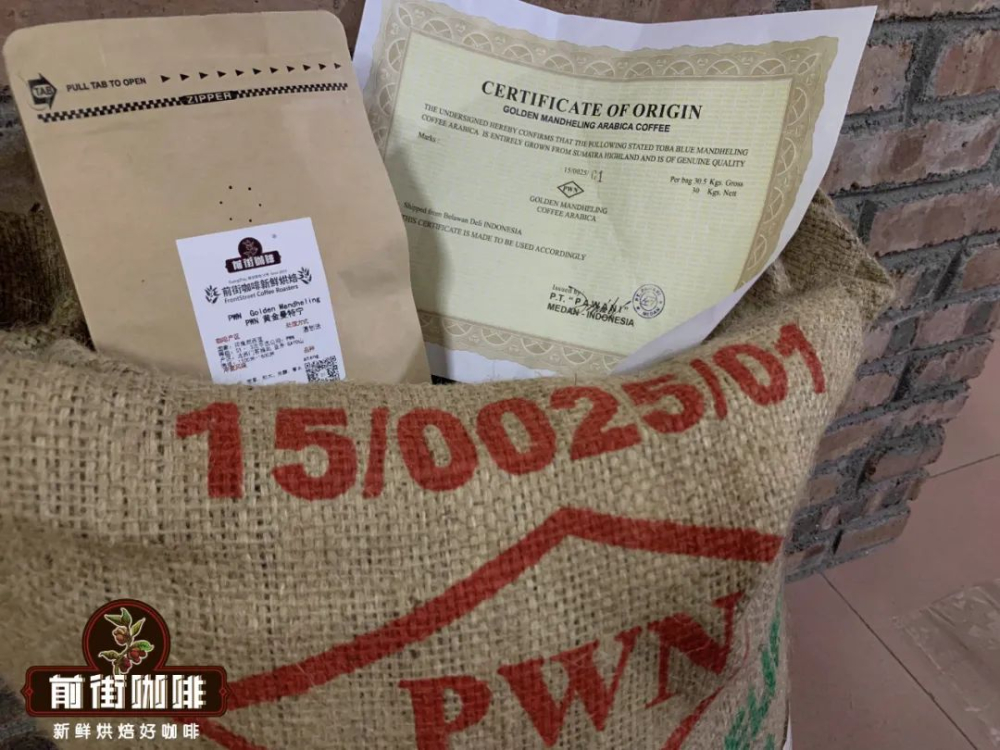
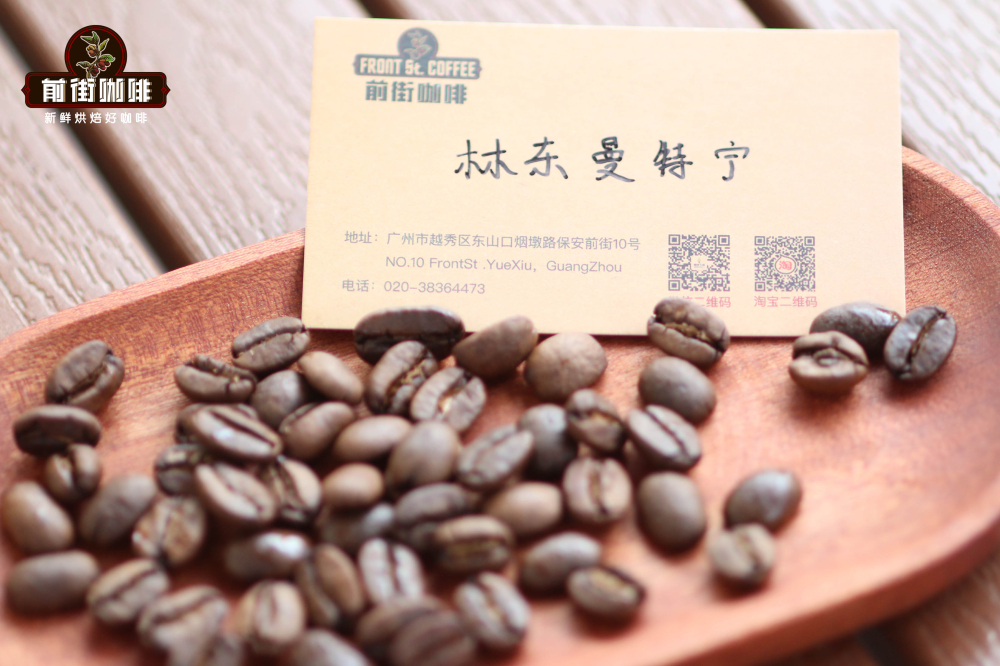
Speaking of Mandheling, many people wonder about the origin of its name. In fact, “Mandheling” is neither a coffee variety nor a place name, but stems from a misunderstanding during World War II. A Japanese soldier in Indonesia tasted a rich and full-bodied coffee and asked the shopkeeper about it, mistakenly hearing “Mandailing” (a local ethnic group) as “Mandheling.” The name stuck ever since. In reality, this classic coffee bean comes from the Lake Toba and Lintong areas in northern Sumatra, with the highland regions surrounding the lake being particularly representative.
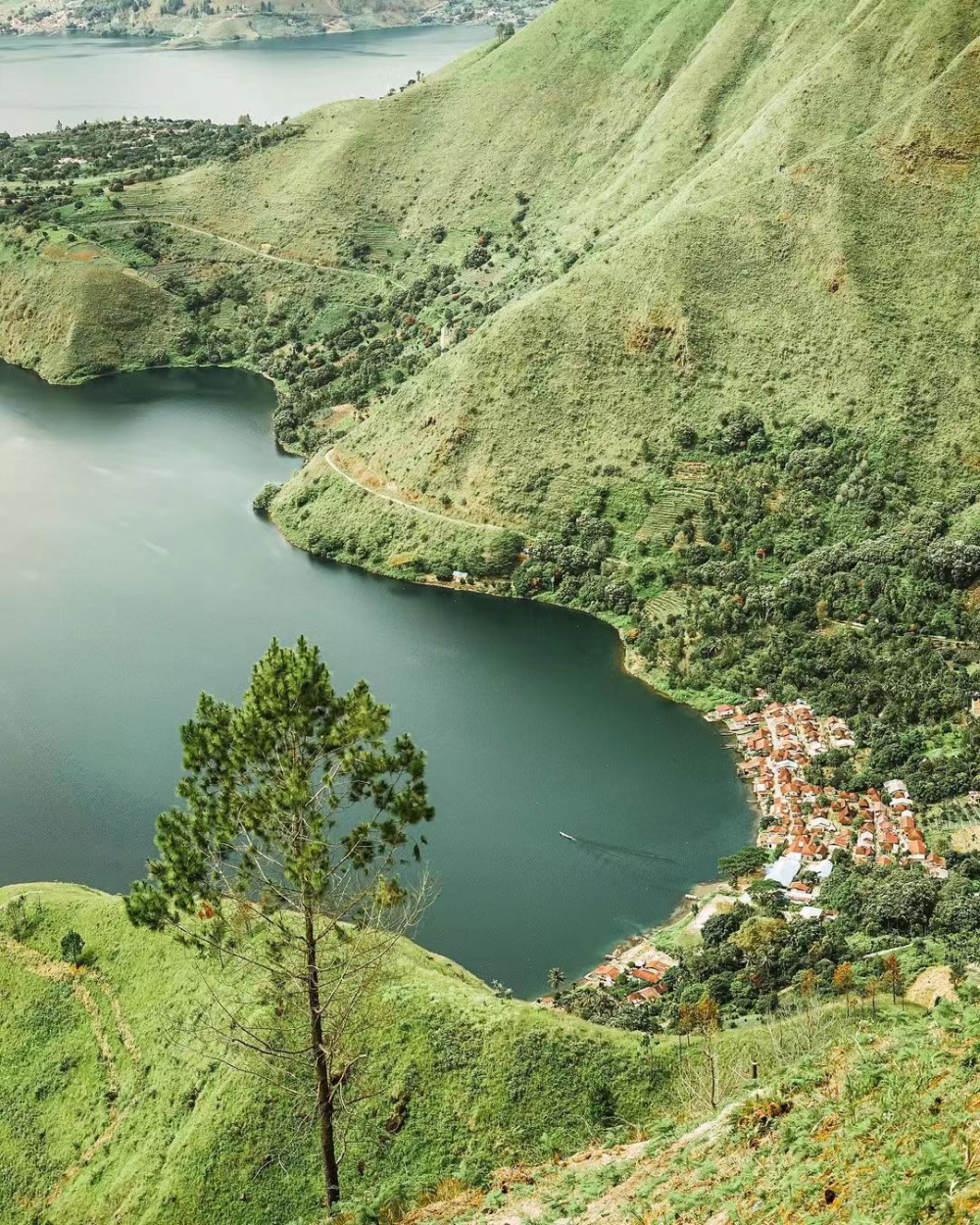
The Lintong region is located in northern Sumatra, surrounded by two major lakes — Lake Toba and Lake Tawar — creating a unique tropical rainforest climate with an average temperature of around 22°C and an altitude of about 1,400 meters. This provides an ideal growing environment for coffee trees. Especially around Lintong, it is one of Indonesia’s well-known high-quality Arabica producing areas and a major source of both everyday beans and premium beans.
Lake Tawar, located in Aceh Province, sits at a higher altitude of over 1,500 meters due to its position in the Gayo Mountains. However, political instability and natural disasters once affected coffee exports. After the 2005 tsunami, the situation gradually stabilized, and Aceh’s specialty coffee has slowly returned to the market stage, becoming another noteworthy producing region.
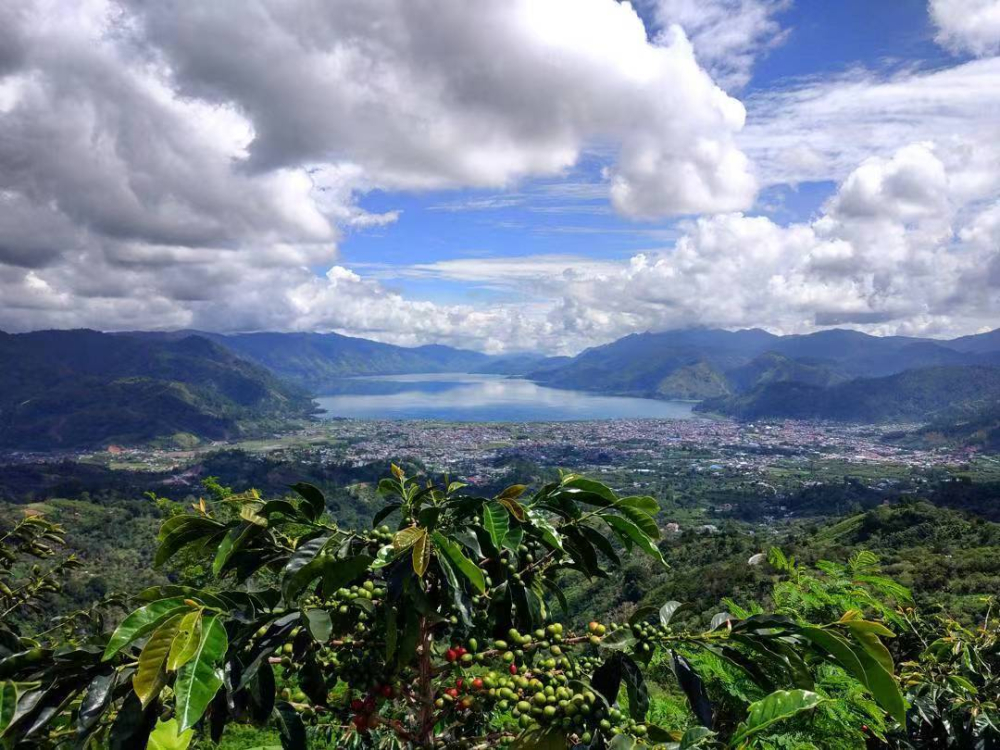
Indonesian coffee varieties have been deeply impacted by coffee leaf rust, with traditional Typica almost completely wiped out. The government introduced various disease-resistant varieties, such as Tim Tim (a natural cross between Typica and Robusta), Ateng (a Catimor hybrid), and S795 (commonly known as Jember). Although these varieties have been criticized in some countries for their underwhelming flavor profiles, in Sumatra’s unique microclimate, they instead exhibit rich woody notes and bold body.
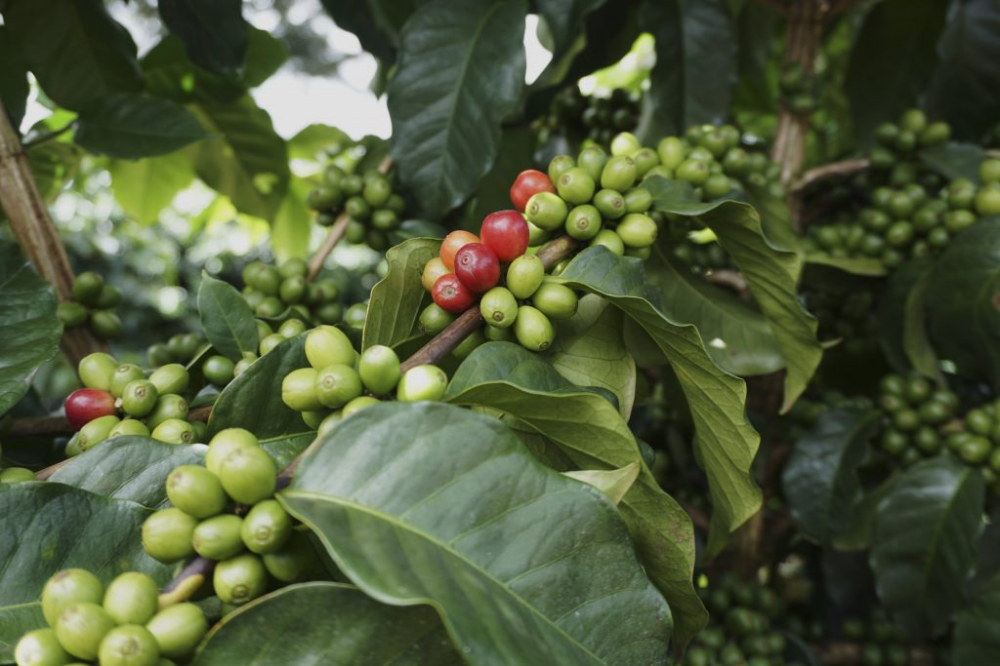
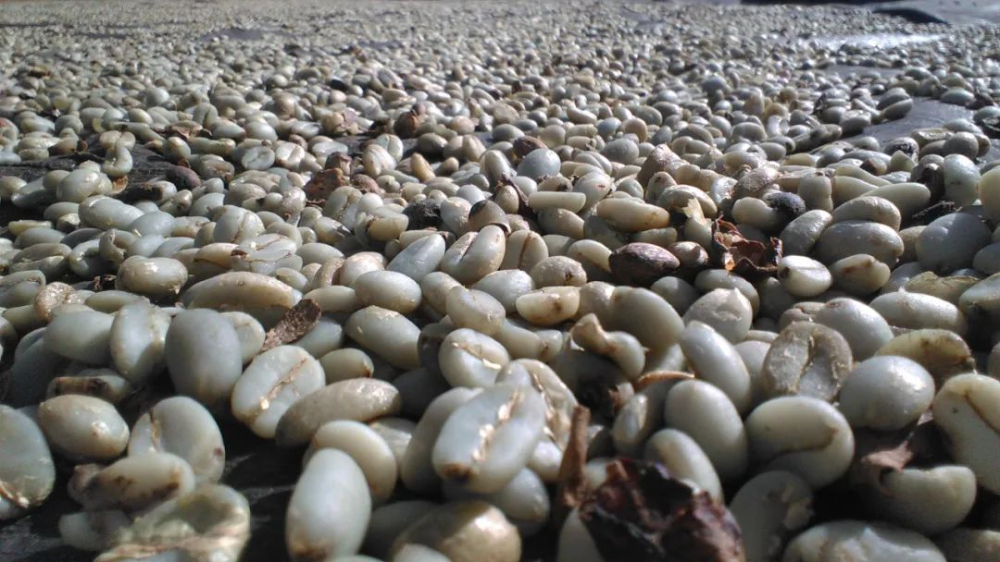
Among them, Typica is still grown in the Lake Toba and Lintong regions, characterized by low acidity, herbal spice notes, and a rich aftertaste. Meanwhile, thewet-hulled methodhas become a key processing approach that shapes Mandheling’s distinctive flavor. This method was developed in response to Indonesia’s hot and humid climate, where coffee cannot be dried for extended periods like in washed or natural processes. As a result, a unique process was created where the parchment layer is removed while the beans are still semi-dry. This greatly shortens the processing time, enhances the bold body, reduces acidity, and produces a more intense cup.
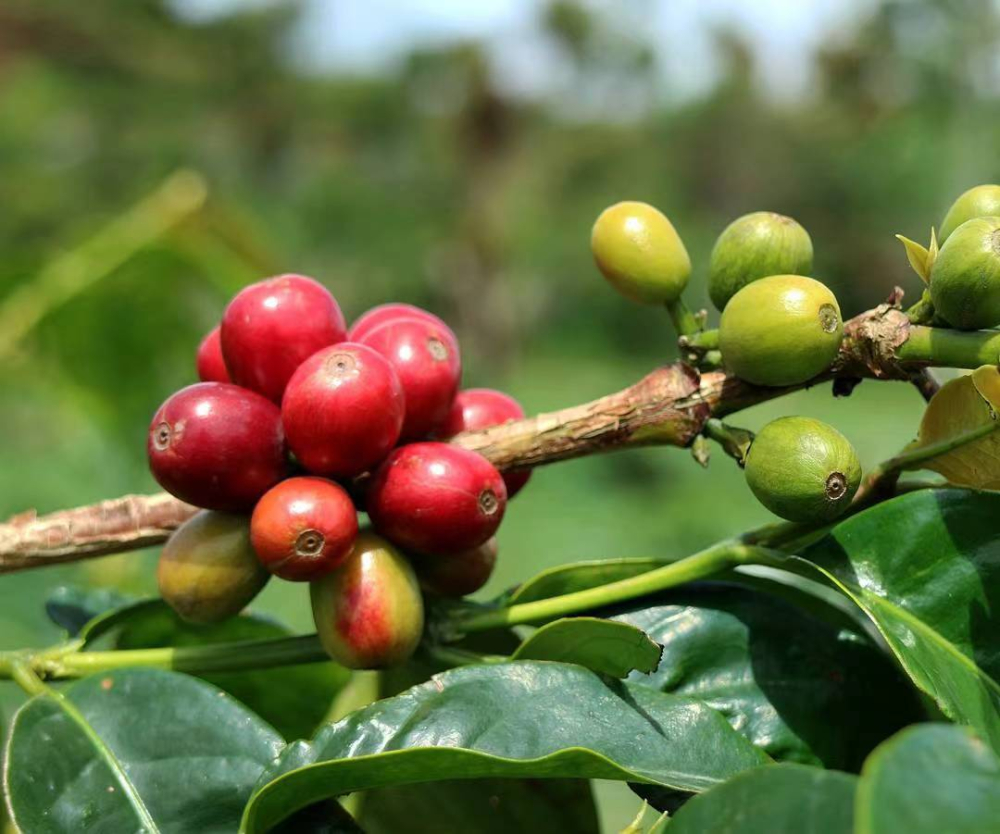
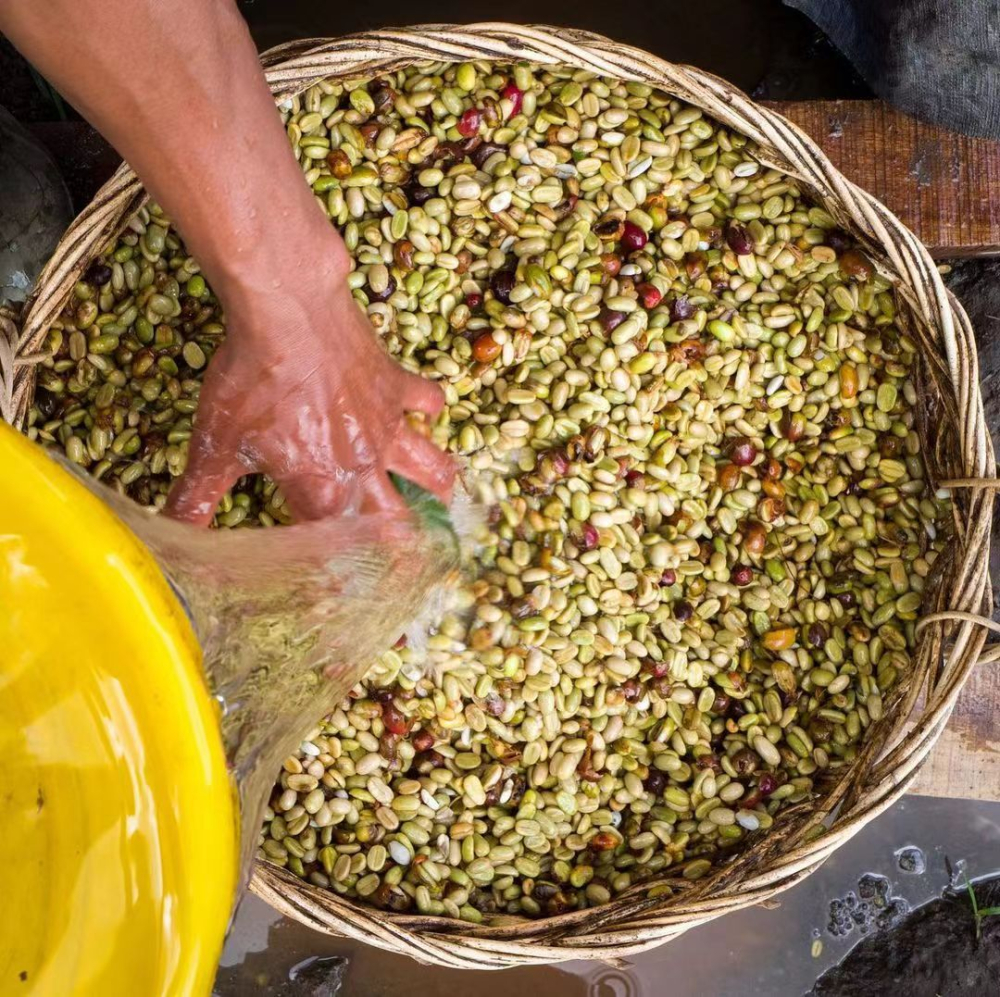
The steps of the wet-hulled method generally involve first removing the fruit skin, fermenting overnight, and then washing off the mucilage with water, at which point the outer surface of the parchment-covered beans becomes rough. Next, preliminary drying is carried out until the moisture content drops to 30–50%. Then, a specialized machine is used to remove the still slightly hard parchment layer. During this stage, the surface of the green beans often shows slight deformation due to external force. Finally, drying continues until the moisture content reaches 12%, after which the beans can be packaged. This method allows the coffee to retain intense, bold characteristics during drying, with relatively mild acidity — key traits of the Mandheling flavor.
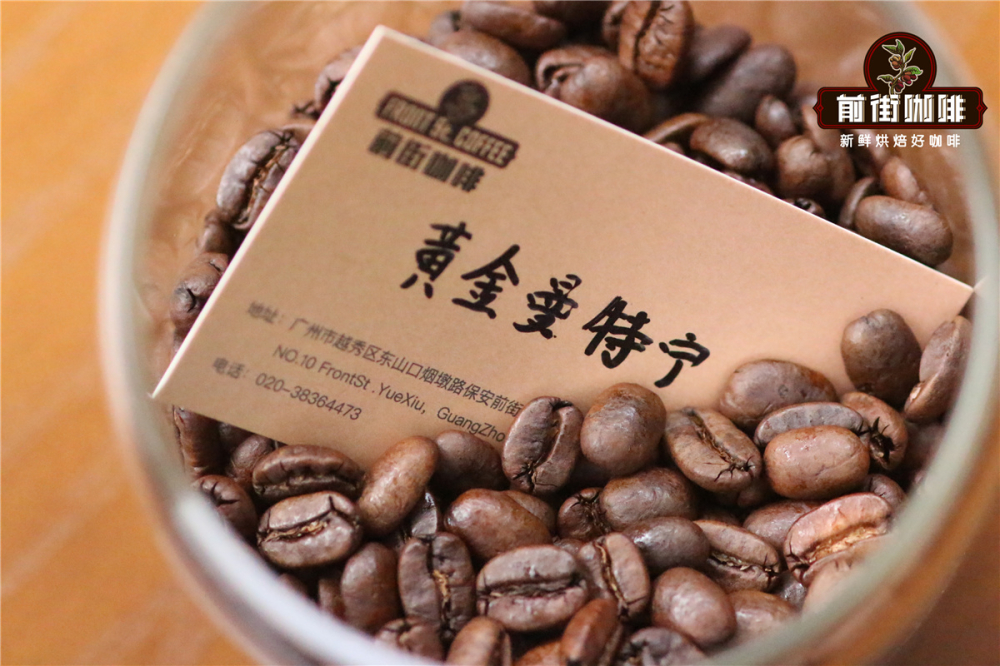
For brewing, Mandheling is well-suited for pour over to highlight its low acidity and bold, rich body. It is recommended to use a medium-dark roast, paired with medium-coarse grind (e.g., about 70% passing through a Chinese standard No. 20 sieve), and control the water temperature at around 87°C to minimize over-extraction risk. A 1:15 powder-to-water ratio is suggested, using about 15 grams of coffee, which can be fine-tuned according to personal taste.
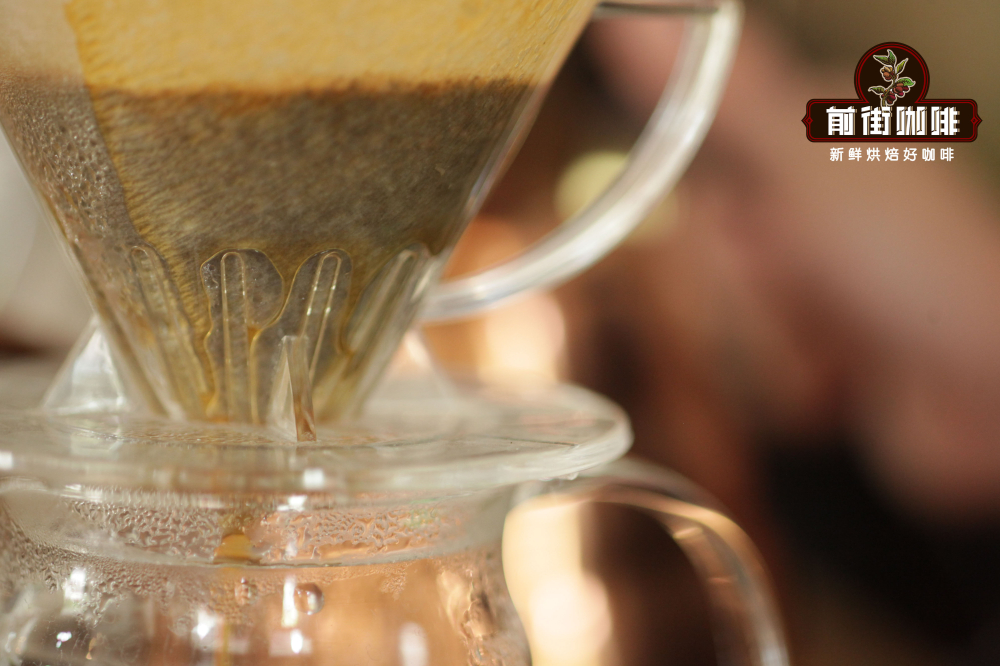
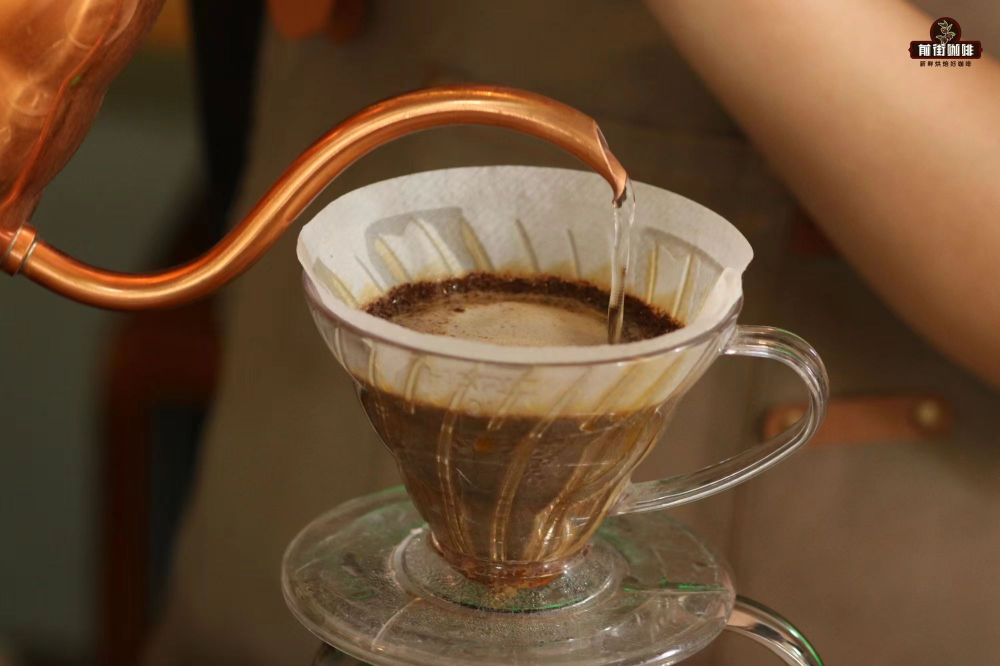
The KONO filter cone is especially recommended. Its smooth curved upper rim increases filter paper adhesion, reducing channeling effects, while the guiding ribs at the bottom promote water flow speed and extend extraction time, resulting in a more concentrated coffee strength and richer flavor. It is particularly well-suited for medium-dark roast beans like Mandheling, Blue Mountain, or Brazilian Queen.
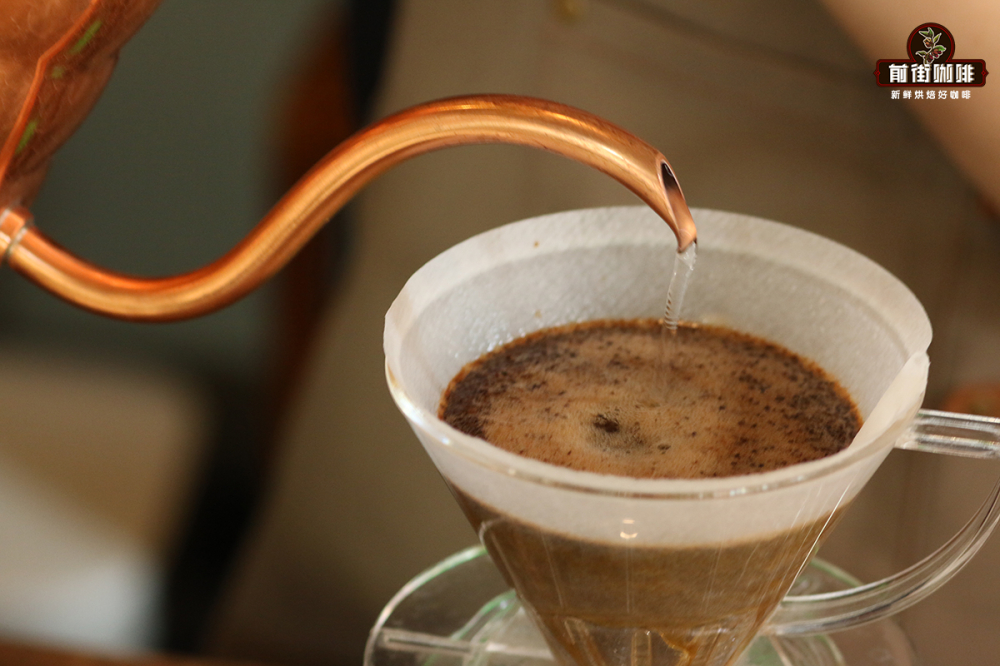
Suggested pour over procedure: after wetting the filter, add 15 grams of coffee grounds, then pour 30 grams of water for a 30-second bloom. Continue pouring in small streams in a circular motion centered on the grounds up to 125 grams, then after the coffee bed sinks, pour up to 225 grams. Maintain a stable pour throughout, and remove the filter once dripping finishes. This parameter helps balance richness and clarity, fully showcasing Mandheling’s nutty, chocolatey, and spicy notes.
For beginners adjusting pour over parameters, it is recommended to change only one variable at a time, such as water temperature, grind size, or pour rate, and record each result. If the coffee tastes overly acidic or weak, it may be due to low water temperature or too coarse a grind. You can slightly adjust the grind finer or increase the temperature modestly, then conduct cupping comparisons to find the combination that best suits your taste.
In summary, Mandheling from Indonesia’s Sumatra Lintong region, with its unique geographical environment, traditional processing method, and classic flavor profile, has long been a staple everyday coffee bean beloved by coffee enthusiasts worldwide. Whether you are pursuing a bold body or want to explore the charm of wet-hulling, Mandheling offers surprises and depth.
From historical background to regional characteristics, and practical pour over tips, we hope this article helps you gain a more comprehensive understanding of this iconic Indonesian coffee and discover your own optimal flavor expression through hands-on brewing.
The above content is compiled by CoffeeHunters, a coffee news website.


