







Introduction:Want to easily make café-quality cold brew coffee at home? This article delves into the unique extraction principles of cold brew, the ideal characteristics of coffee beans, and the golden coffee-to-water ratio. It also provides practical tips and answers to common questions. From beginner basics to advanced adjustments, help you master the key techniques of cold brew and enjoy a refreshing yet rich iced coffee experience.
Cold Brew Coffee, also known as ice-brewed coffee, differs from cold drip coffee primarily in that it is steeped and extracted at low temperatures (for about 8 to 12 hours). This brewing method does not require high heat, thus effectively reducing bitterness and highlighting the natural acidity, sweetness, and fruity flavors of the beans. The result is a cleaner and smoother coffee with a richer body—perfect for summer.
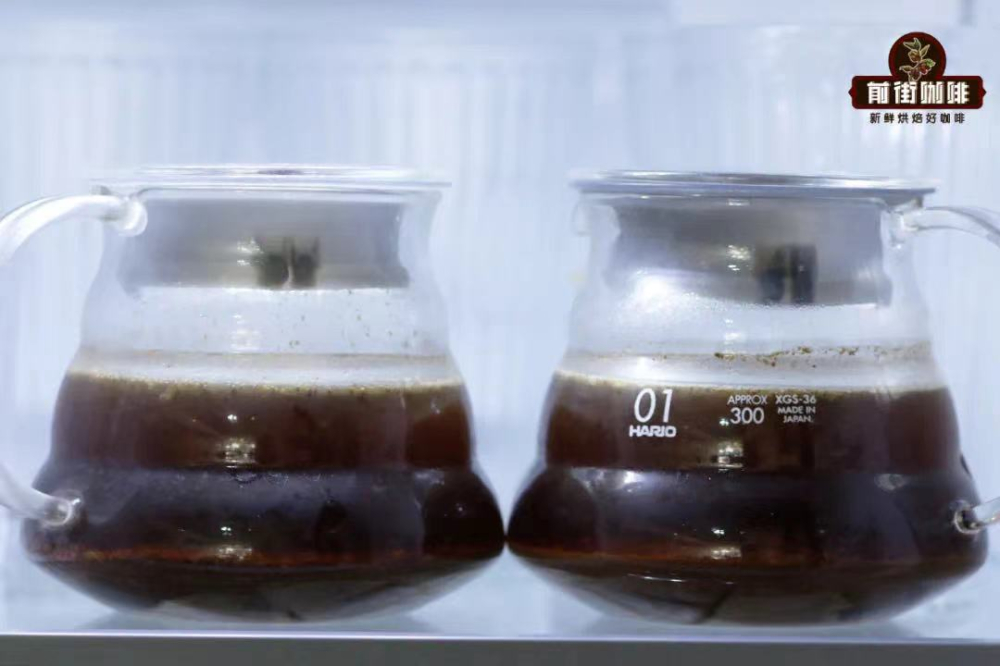
Compared to traditional hot water brewing, cold brew is entirely done at room temperature or under refrigeration. By extending the brewing time, it allows for flavor release while avoiding the over-extraction often caused by high temperatures. This method not only preserves the delicate aromas in the coffee but also reduces the extraction of harsh tannins and impurities, resulting in a smoother and more refreshing drink.

The uniqueness of cold brew lies in its extraction principle. With hot brewing, acidic and aromatic compounds in coffee are released quickly but can also bring excessive bitterness and astringency. In contrast, during cold brewing, due to the lower temperature, those heavy molecules responsible for bitterness are less likely to dissolve. Instead, it favors the slow release of positive flavors such as fruity acidity, floral notes, and sweetness. As a result, cold brew typically has a more balanced and mellow flavor profile.
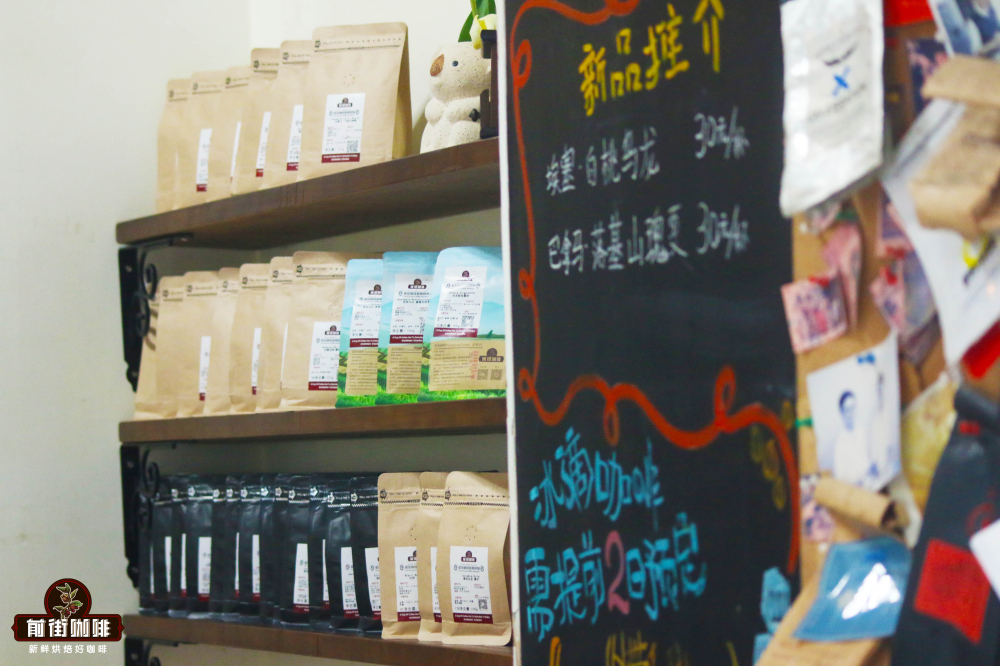
When selecting coffee beans suitable for cold brew, it’s recommended to prioritizebeans with bright acidity and complex flavor profiles, such as those from African regions, which often feature notes of berries, citrus, or flowers, and can deliver a more layered taste experience during cold brew. Additionally,using freshly roasted coffee beans (ideally within 5 days post-roast)is also crucial to ensure optimal flavor performance and avoid the dullness or off-flavors that may come from stale beans.
The tools needed to make cold brew are extremely simple: just a clean, airtight container free of oil residue, and a filtering material capable of separating coffee grounds (such as coffee filters, tea bags, fine mesh strainers, or cloth bags). A commonly recommended golden coffee-to-water ratio is1:13, for example, 30 grams of coffee grounds to about 400 milliliters of cold water. This ratio balances richness and smoothness. It's suggested to grind the coffee to a coarseness similar to white sugar (approximately 70–75% passing through a Chinese No. 20 sieve). Too fine a grind can lead to clumping and over-extraction, while too coarse may result in insufficient flavor release.

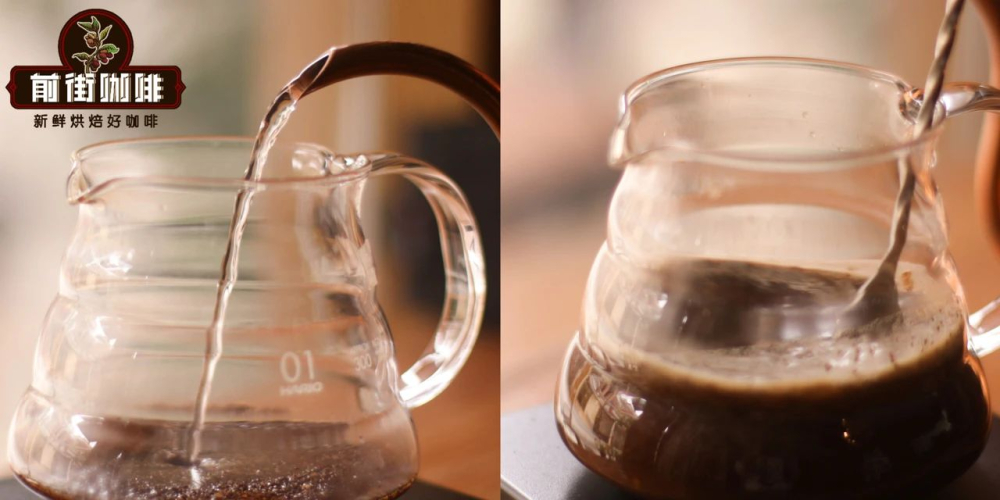
In practice, simply mix the ground coffee with cold water evenly, then place it in the refrigerator to steep for 8 to 12 hours. After that, filter out the grounds and enjoy. It’s important to note that because water and coffee grounds are in contact for an extended period during cold brew, the caffeine extraction is relatively higher. It is advised to consume in moderation to avoid discomfort from high concentration or excessive intake. Also, cold brew often carries a slight fermented note, reminiscent of a mild alcohol aftertaste, which is even more refreshing when served over ice.
In summary, cold brew coffee not only has a low barrier to entry but also highlights the subtle flavors of the coffee beans themselves. By mastering the right coffee-to-water ratio, grind size, and brewing time, you can easily recreate café-quality iced coffee at home. Whether you prefer bright, sweet, and refreshing flavors or rich and full-bodied profiles, choosing the right bean variety and parameters will help you find your ideal taste through cold brew.
The above content is compiled by CoffeeHunters, a coffee news website.


