







Introduction:Want to easily brew a refreshing, low-acid, and non-bitter cold brew coffee at home? This article explains the fundamental differences between cold brew and hot brew, provides expert-level coffee-to-water ratio recommendations, and suggests the ideal characteristics of coffee beans suited for cold brewing. It also shares practical tips for extending flavor preservation—from basic equipment preparation to advanced flavoring methods—so you can master both the basics and advanced techniques of cold brew coffee in one go.
On a hot summer day, enjoying a chilled cold brew coffee is definitely a treat. But did you know that cold brew is actually quite different from the common iced Americano? The key difference lies in the "brewing temperature"—cold brew uses cold water throughout the entire process, and through prolonged low-temperature extraction, it achieves a uniquely smooth mouthfeel.
Although this brewing method requires patience, it significantly reduces bitterness and harsh acidity, allowing the coffee to showcase its purest fruitiness and sweetness. It's especially suitable for those who prefer lighter flavors or have more sensitive stomachs.
The most notable characteristic of cold brew coffee is itssweet and balanced taste. Since cold water can only dissolve the lighter, smaller molecular compounds in the flavor profile—such as floral, fruity notes, and caramel sweetness—it avoids the larger, bitter molecules that are more easily released at high temperatures. As a result, the final brew often has a natural sweetness and a smooth texture. This characteristic means cold brew doesn’t require added sugar to deliver an appealing flavor.
Another significant advantage is itsremarkable shelf life. Coffee liquid that hasn’t been heated is less prone to microbial growth and can remain fresh for up to two weeks when properly refrigerated. For actual drinking, it’s recommended to let the coffee sit in the fridge for 1–3 days, during which the ongoing slow fermentation can add more complex layers of flavor.
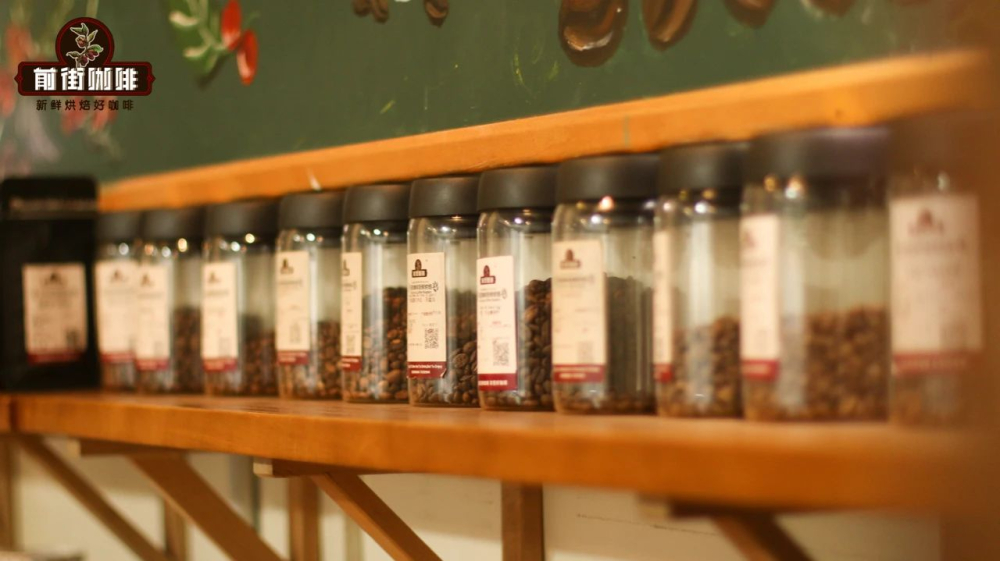
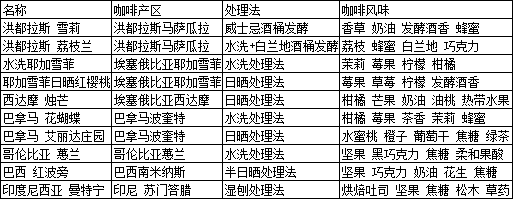
When it comes to coffee bean selection, beans from various regions can showcase distinct characteristics. Light roasts can highlight bright citrus acidity and floral notes, while medium to dark roasts transform into richer chocolate and nutty flavors. A special reminder: adjust the grind size to a coarse level, similar to that of a French press, as this helps avoid over-extraction and the resulting off-flavors.
The classic coffee-to-water ratio range is1:10 to 1:12. For example, when using 10 grams of coffee grounds, it’s recommended to add 100–120 milliliters of cold water. Considering the water absorption rate of the coffee grounds, the actual yield of cold brew liquid is approximately 80–90 milliliters. For larger batches, it’s advised to scale up proportionally using this ratio to ensure consistent flavor.
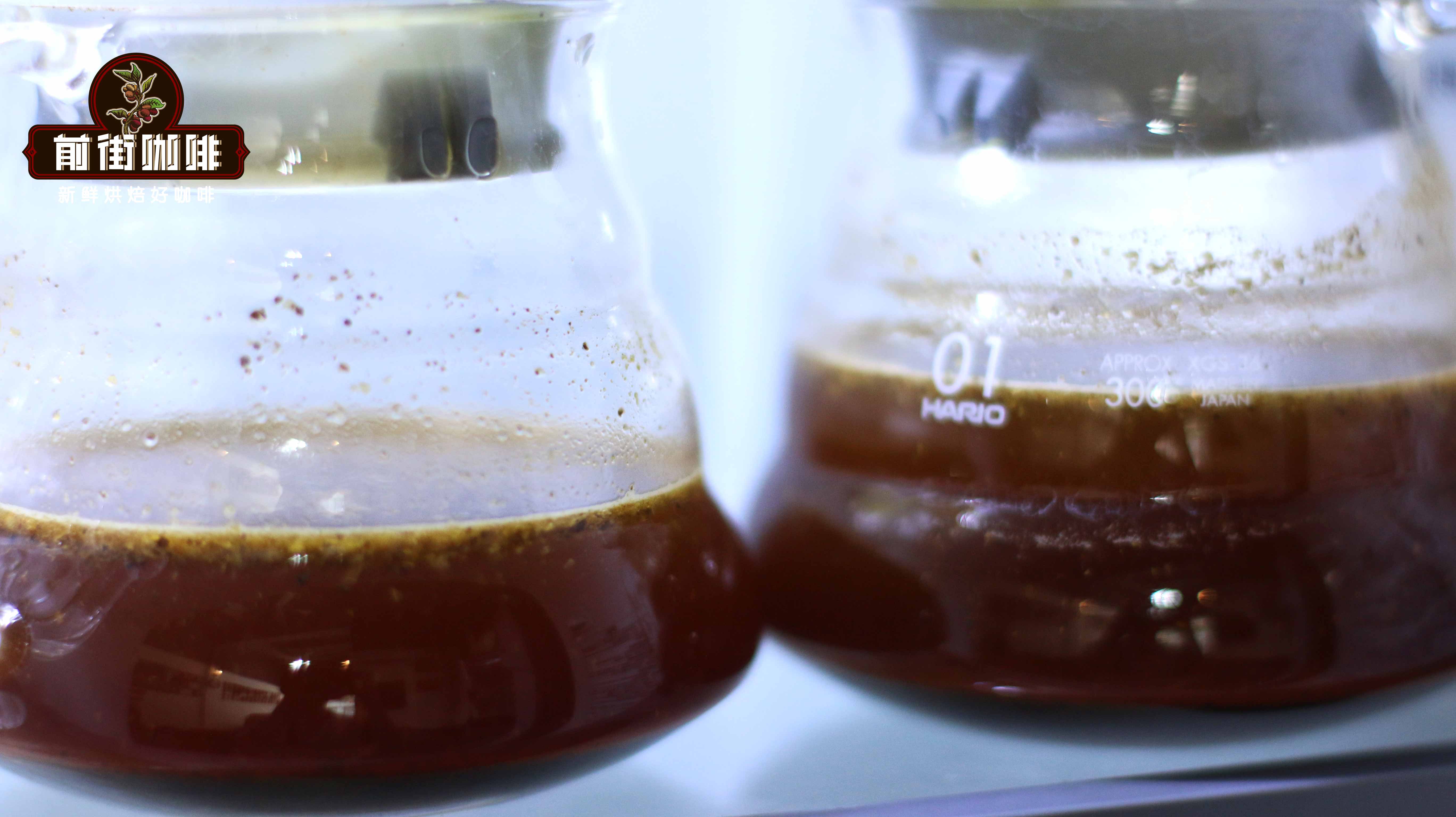
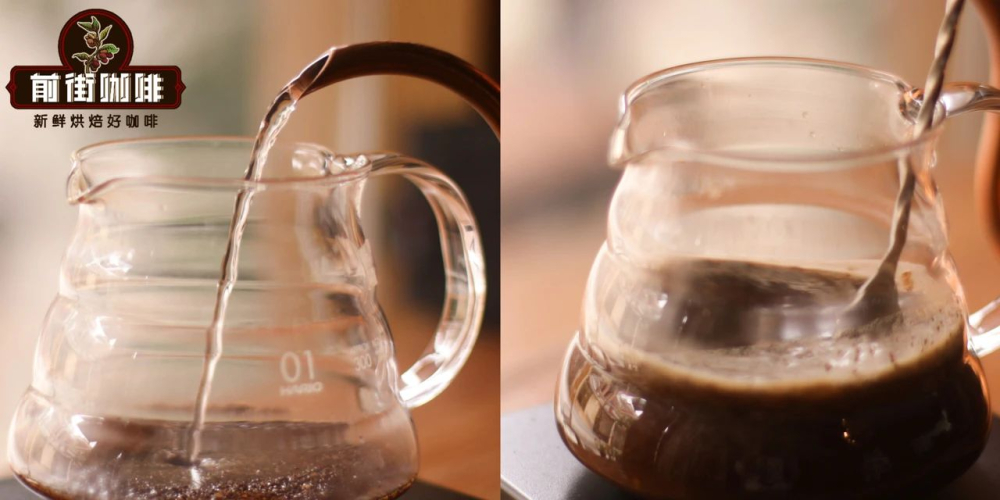
In practice, you can use any cold-resistant container for steeping. After evenly mixing the coarse-ground coffee powder with ice water, the key step is tokeep it refrigerated for 12–16 hours. During this period, it’s recommended to occasionally gently shake the container to help ensure even extraction, but avoid frequently opening the refrigerator door, as this can affect the stable temperature. Different water temperatures (such as 4°C vs. room-temperature cold water) will noticeably influence the strength of the final flavor.
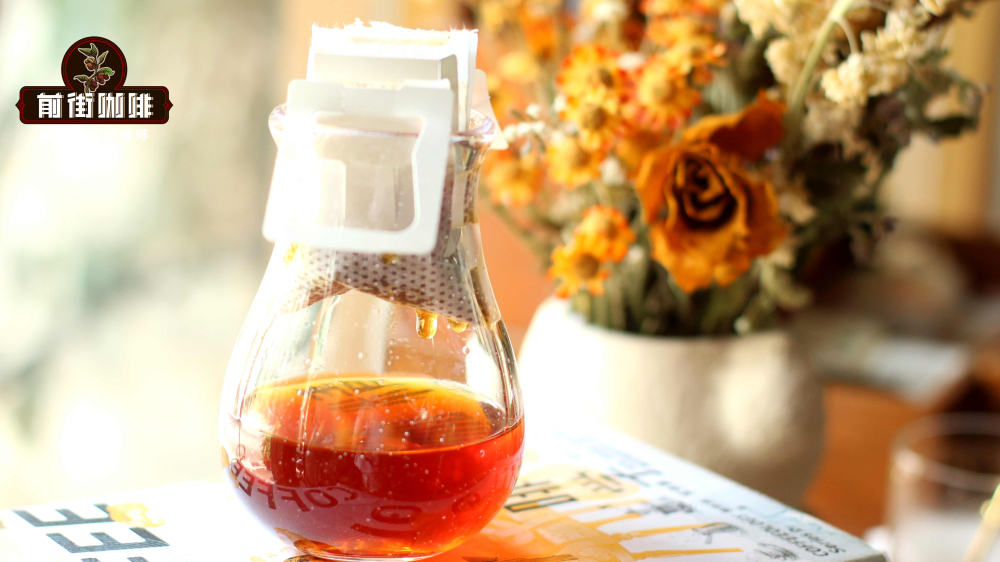
For the filtering stage, you can reuse the original drip bag, or switch to a combination of filter paper and a funnel. Squeezing the filter bag thoroughly can improve coffee liquid yield, but be careful not to apply too much pressure, which might release undesirable impurities. The finished cold brew coffee is best consumed within 3–5 days, when its flavor is at its peak.
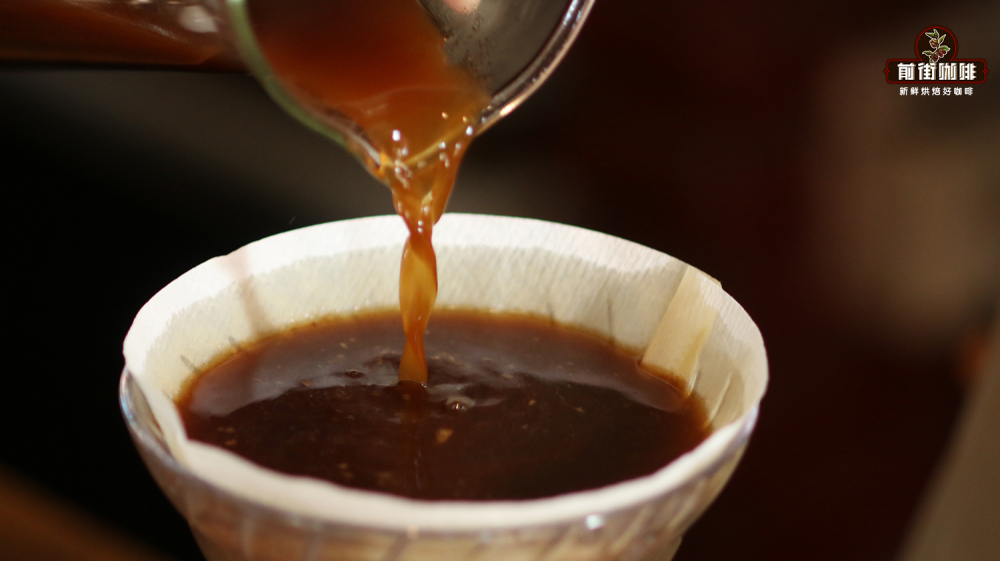
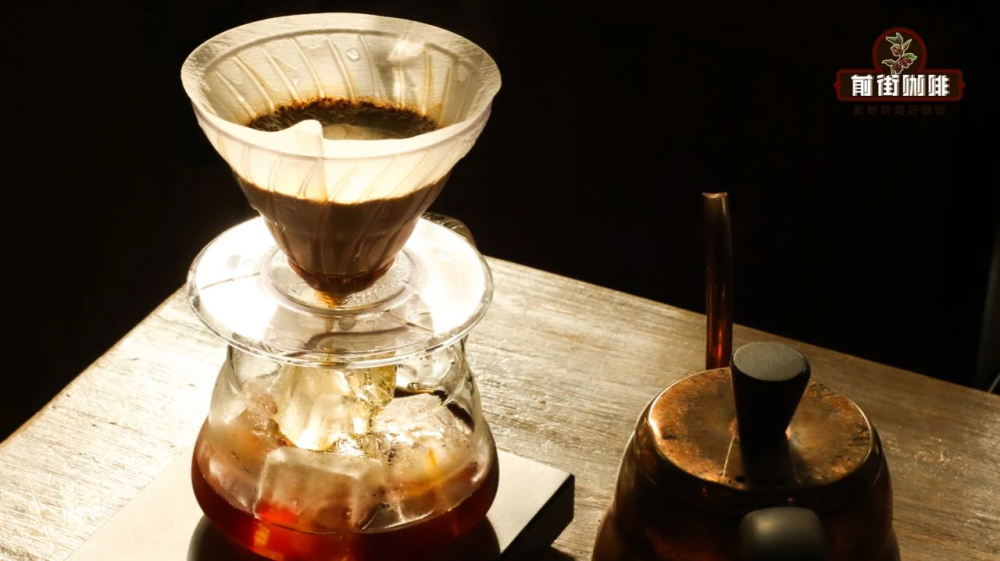
There are flexible ways to adjust the concentration: you can add an equal amount of ice cubes to maintain flavor intensity, or mix in milk according to your preference to make a cold brew latte. Advanced enthusiasts can try adding a small amount of vanilla syrup or citrus zest to introduce flavor variations. It’s important to note that cold brew already has a naturally low-acid profile, and over-dilution may accentuate the astringency of tannins.
For storage, it’s recommended to use a sealed glass bottle, keeping it away from light and oxygen. If you notice foam on the surface or any obvious off-odors, it indicates that spoilage has begun. Once opened, even if kept refrigerated, it’s best to consume the cold brew within 24 hours to ensure optimal quality.
The above content is compiled by CoffeeHunters, a coffee news website.


