








Introduction:Cold brew coffee is especially popular in the summer due to its unique rich yet smooth flavor. However, brewing a great cup of cold brew involves careful consideration, from bean selection to brewing parameters. This article delves into the ideal audience for cold brew, recommended coffee bean types, as well as the brewing steps and key techniques, helping you master this low-temperature extraction method and understand how its flavor profile differs greatly from that of hot-brewed coffee.
The production process of cold brew is vastly different from that of regular hot water brewing, typically requiring at least 12 hours of steeping. As a result, many coffee shops do not offer as wide a variety of beans for cold brew as they do for pour over. But precisely because the process takes longer, shops are more selective when choosing beans, often opting for those well-suited to cold brew and with broadly appealing flavors—ensuring customers can still enjoy a high-quality cold brew experience despite limited options.
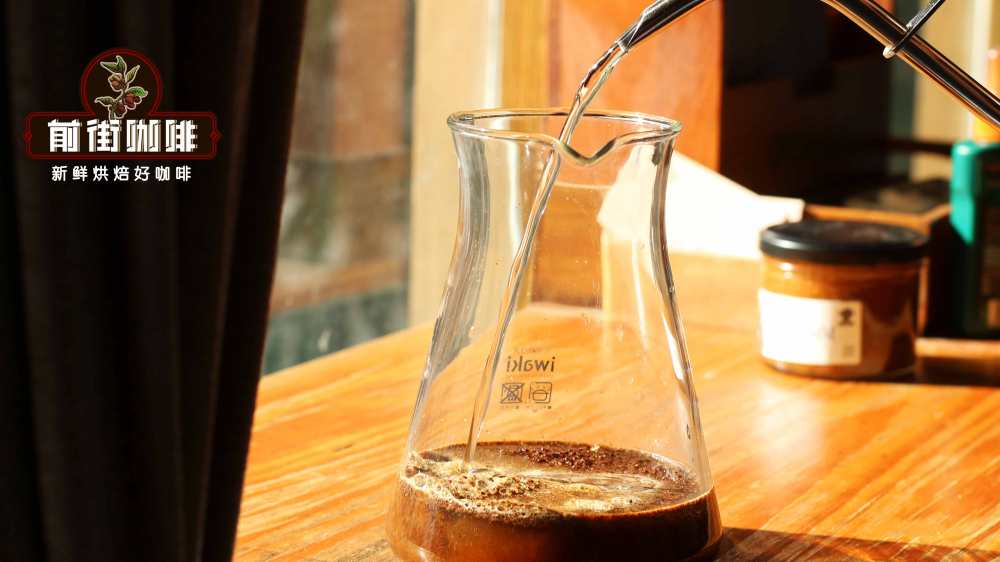
Because cold brew has a smooth and easy-drinking flavor, many customers, after trying it, become curious about how to replicate the same taste at home and often ask for specific recipes and ingredients. Although there has been a brief introduction to bean selection previously, many readers still hope for more detailed recommendations on beans for cold brew. After all, the extraction method for cold brew is different from hot water brewing, and even the same bean can exhibit a vastly different flavor profile.
The basic method for making cold brew is quite simple—just control the coffee-to-water ratio, grind size, and steeping time to consistently brew a delicious pot. For example, if using coffee beans with a strawberry candy flavor, you can weigh out 50 grams of coffee beans and grind them to a coarseness where about 85% passes through a #20 sieve—this coarseness is similar to sea salt and ensures proper extraction efficiency.
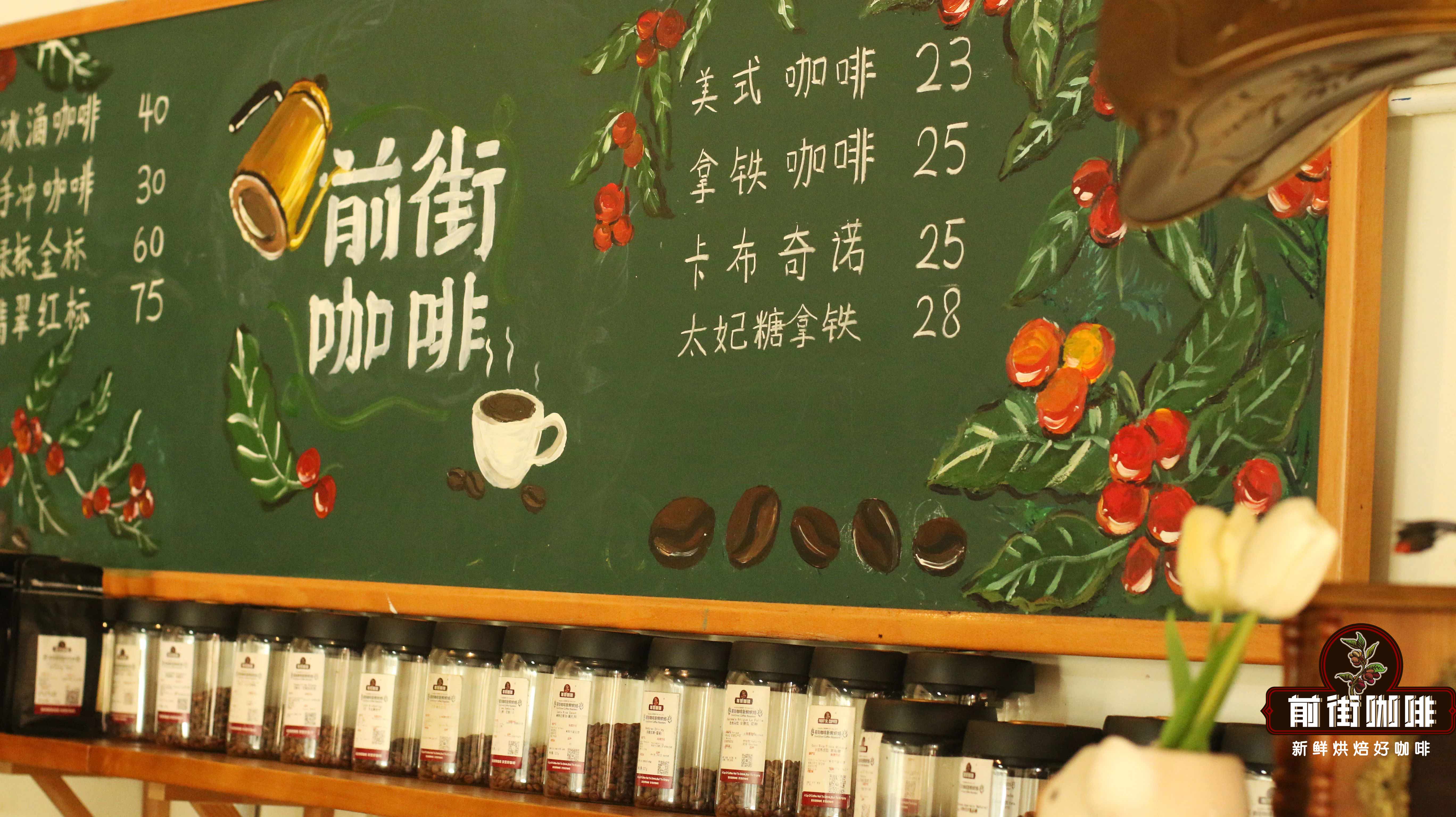
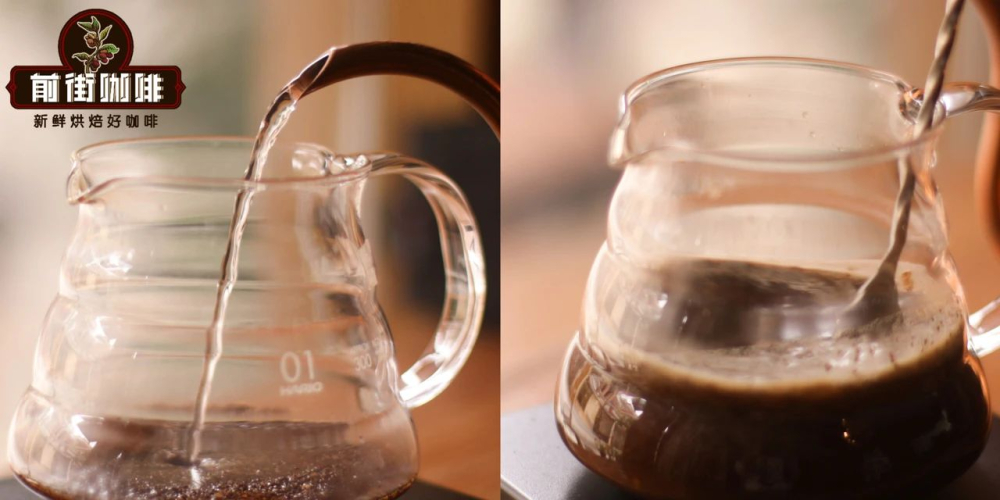
Next, place the ground coffee into a clean glass container, add 400 milliliters of room temperature water and 200 grams of ice cubes, totaling 600 grams of ice water mixture, with a coffee-to-water ratio of about 1:12. Use a stirring stick to mix the coffee grounds and water evenly, then tightly seal the lid and refrigerate. This step requires steeping for 12 to 24 hours to allow the coffee to slowly release its flavors in a low-temperature environment.
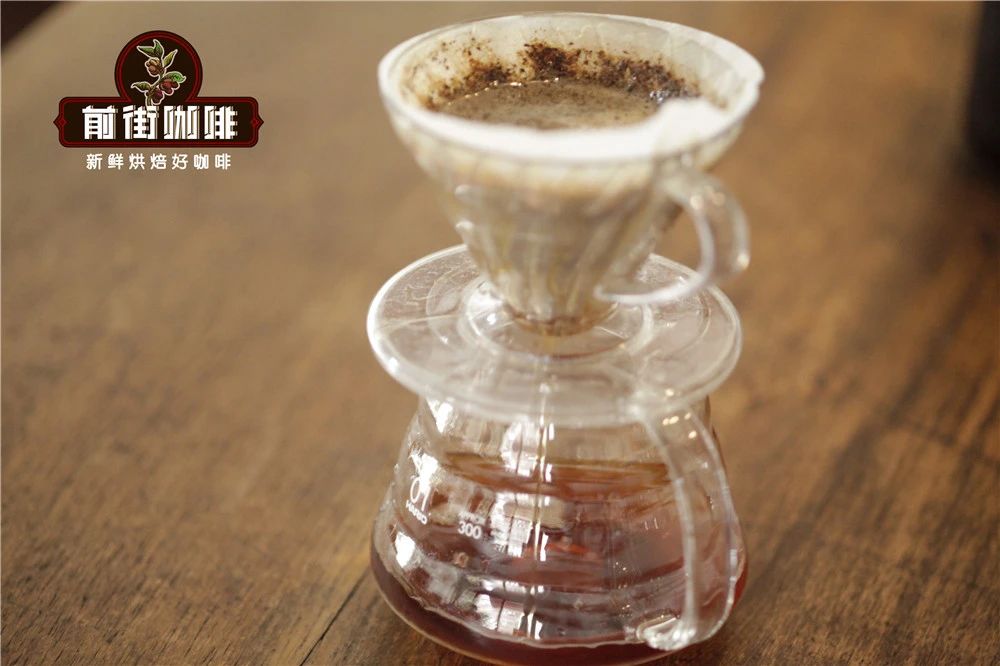
After steeping, thoroughly filter out the coffee grounds using filter paper to obtain a clear coffee liquid. To make the flavor even rounder, it is recommended to pour the filtered coffee into a clean sealed bottle, then refrigerate and let it sit for about 4 hours before drinking. This period helps the flavors meld further.
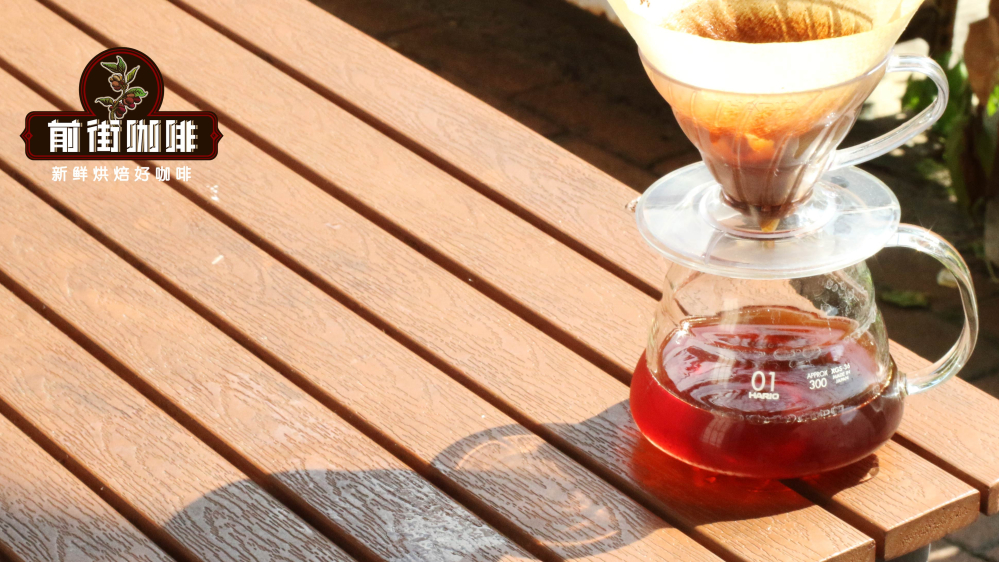
The most notable flavor characteristics of cold brew coffee are “no bitterness and low acidity.” The overall mouthfeel is smooth and layered, with a hint of subtle fermentation brought about by low-temperature aging. This flavor makes it a top choice for many who dislike strong sour or astringent tastes. In addition, cold brew is also excellent for creating various specialty mixed drinks—for instance, mixing with sparkling water results in a refreshing and thirst-quenching beverage, blending with fruit juice creates a sweet and tangy treat, and combining with fresh milk lends a round and smooth texture, making it highly suitable for various creative summer beverages.
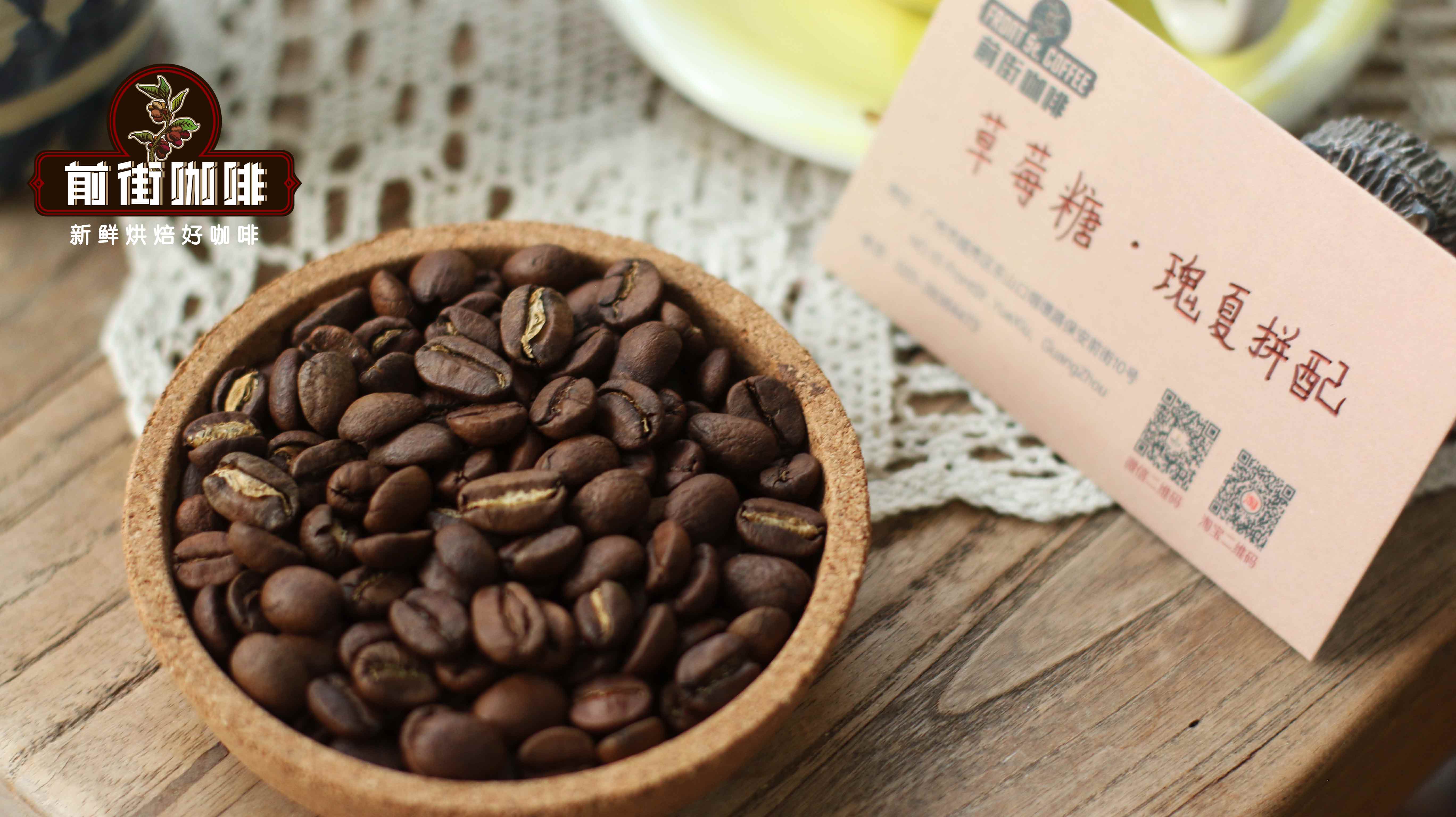
When selecting coffee beans suitable for cold brew, it is recommended to prioritize those with prominent floral and fruity aromas. For users who prefer a fresh floral scent, you can choose beans with distinct floral notes; if you prefer a juice-like, fruit-forward flavor, then beans with pronounced fruit characteristics are advised—these often showcase richer fruit flavor profiles under low-temperature extraction.
In summary, cold brew coffee is not only easy to make but also boasts a smooth and layered taste suitable for coffee lovers of all kinds. Whether you’re a coffee newbie or someone looking for a refreshing summer drink, you can find your own favorite. Just master bean selection, grind coarseness, and brewing time, and you too can easily brew a high-quality cup of cold brew coffee at home.

The above content is compiled by CoffeeHunters, a coffee news website.


