







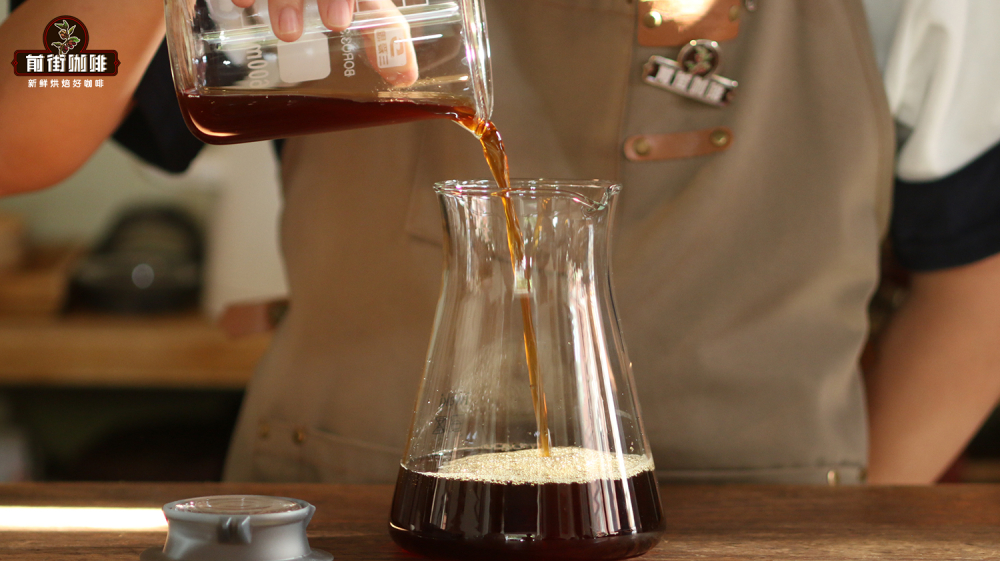
Introduction:Cold brew coffee, with its low acidity, rich body, and refreshing taste, has become one of the most popular coffee beverages in summer. This article delves into the extraction principles, flavor characteristics of cold brew, and provides detailed guidance on water-to-coffee ratio, grind size selection, as well as an analysis of its common pros and cons. Whether you're trying it for the first time or looking to refine your technique, you'll gain a solid grasp of the key parameters and practical details of cold brew coffee.
Cold brew coffee is a brewing method that involves steeping coffee grounds in cold water for an extended period, usually taking between 12 to 24 hours, or even up to 48 hours, to achieve a richer and fuller-bodied taste. This extraction method is not only simple and beginner-friendly, but also highlights the delicate and smooth flavors in the coffee beans, making it especially suitable for hot weather.
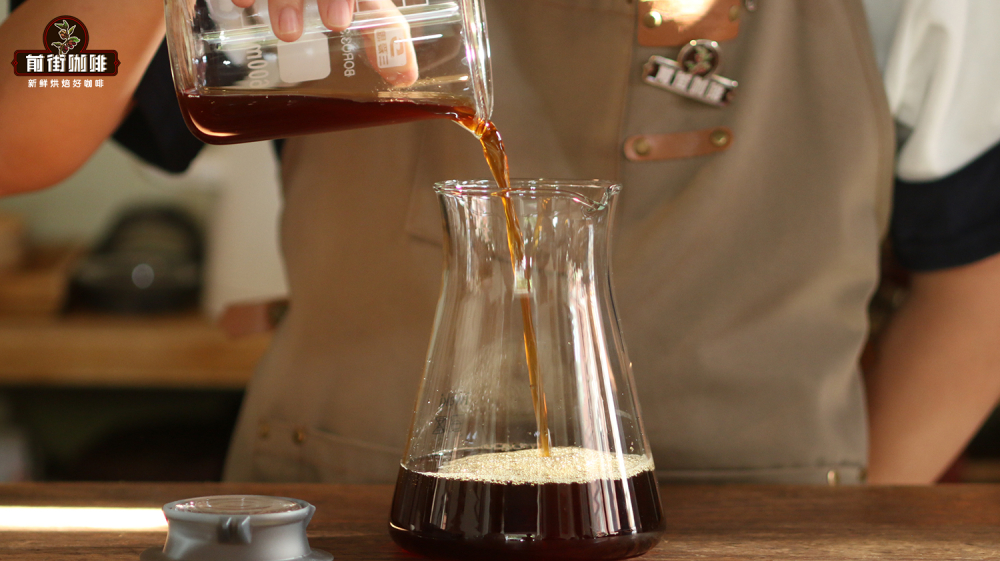
Known in English as Cold Brew Coffee, its production principle involves mixing ground coffee with cold water at a certain ratio and letting it steep in a low-temperature environment for slow extraction. Since only cold water is used and the extraction time is long, only small-molecule flavor compounds such as floral and fruity notes are released, while larger molecules like smoky or woody flavors are harder to extract. This results in the unique taste profile of cold brew.

The extraction principles of cold brew differ significantly from those of traditional hot brewing. Hot water brewing is typically done at temperatures between 82°C and 95°C for just 2 to 3 minutes, quickly extracting a wide range of flavors from the coffee, including acidity and aroma. In contrast, cold brew’s long steeping time in a low-temperature environment reduces acidity and bitterness, while also minimizing the release of harsh compounds, resulting in a smoother and more layered taste.

The flavor characteristics of cold brew coffee are mainly reflected in its low acidity, sweetness, and smoothness. Thanks to the gentle extraction process, fewer acidic compounds are released from the coffee, resulting in a more balanced sweetness and a clean aftertaste. Additionally, low-temperature extraction preserves the original regional characteristics of the coffee beans, allowing drinkers to perceive the subtle flavor nuances from different origins.
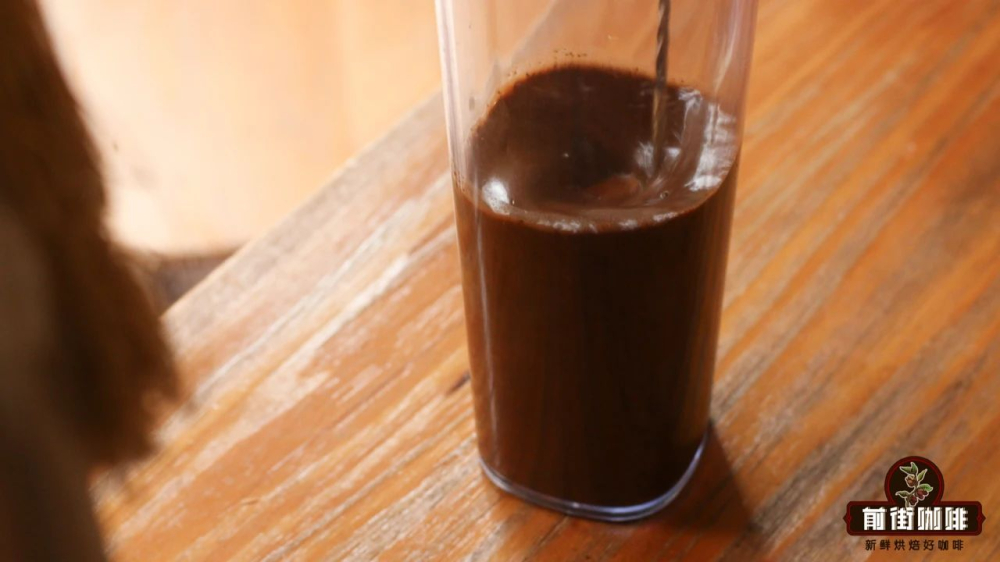
Regarding the water-to-coffee ratio for cold brew, the generally recommended range is 1:10 to 1:16, which can be adjusted based on personal taste preferences for strength. A common and easy starting point is 1:15, yielding a well-balanced coffee flavor that’s neither too strong nor too weak. For those who prefer a bolder taste, a 1:10 ratio can be chosen to increase coffee grounds and enhance intensity.
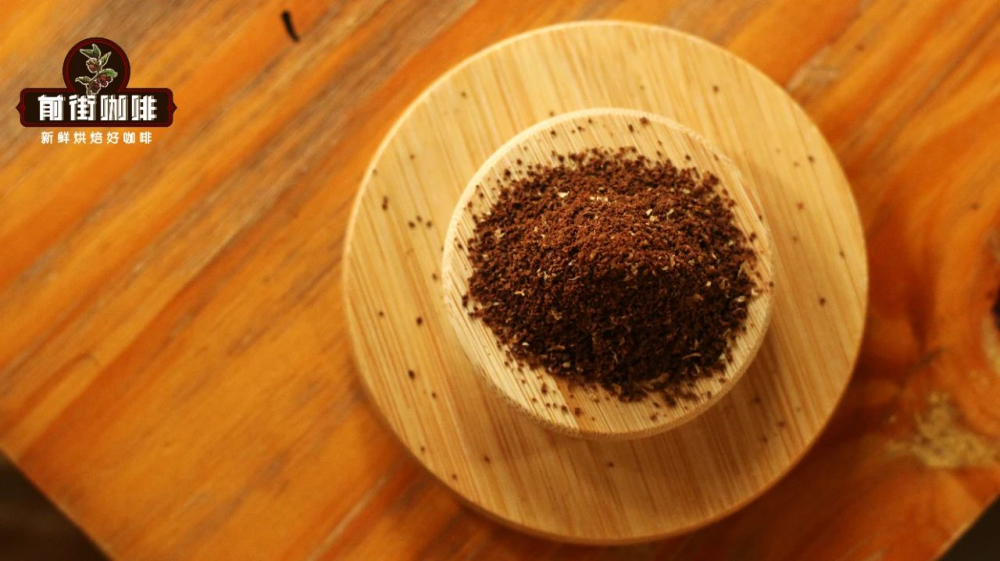
When it comes to grind size, because cold brew uses low temperatures and prolonged extraction, using overly fine coffee grounds is not recommended. A too-fine grind can lead to over-extraction, releasing excessive bitterness and impurities, which negatively affect the overall taste. It is recommended to use a grind slightly coarser than that used for pour over coffee to ensure even extraction and avoid releasing undesirable flavors.
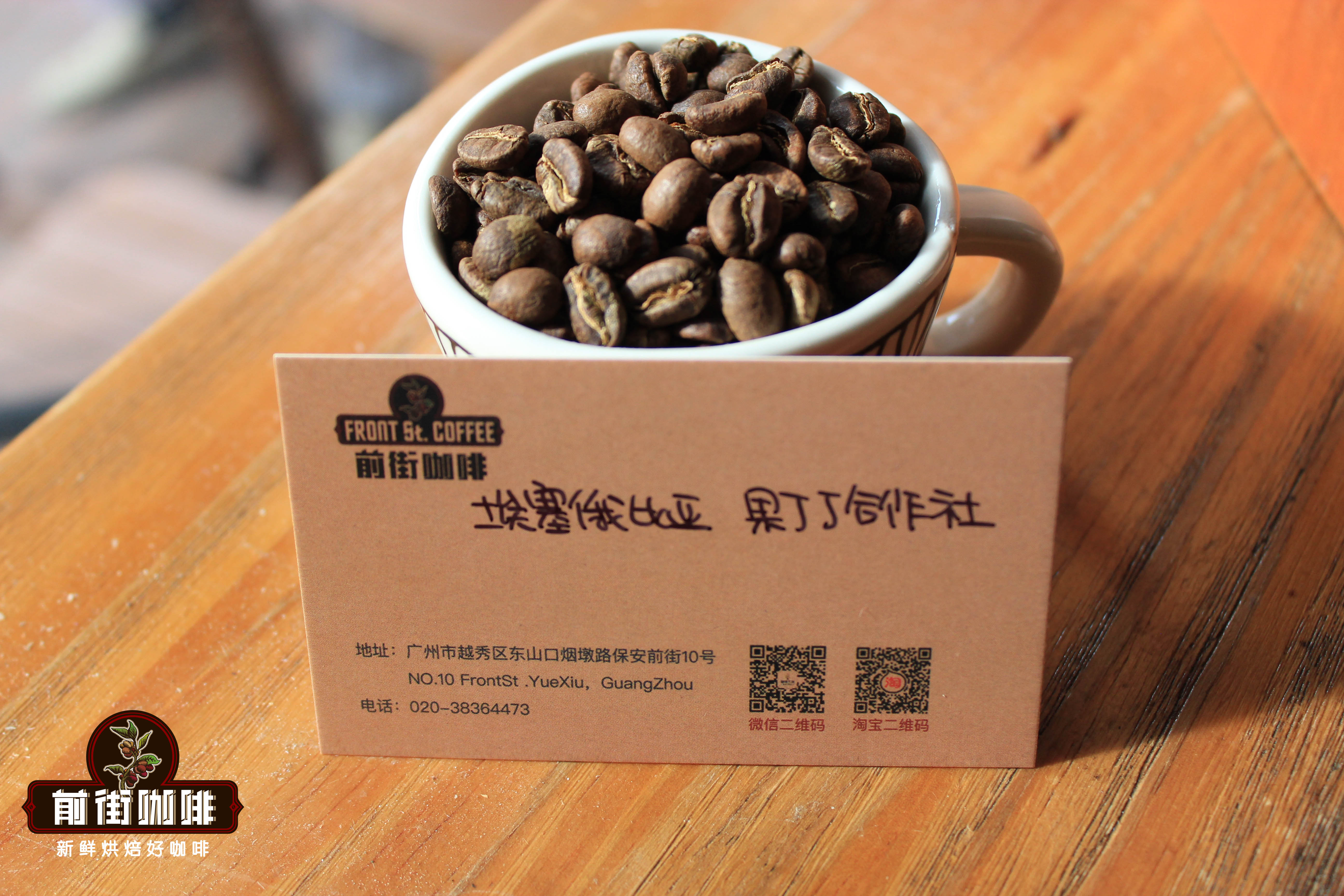
Here is a set of practical cold brew parameters for reference: 20 grams of coffee, using a 1:12 water-to-coffee ratio, paired with a coarse grind. The steeping time is recommended to be 8 to 10 hours. In practice, you can start by placing the coffee grounds in a container, adding about 240 milliliters of cold water and stirring to mix, then moving it to the refrigerator to steep. A recommended extraction time is 12 to 13 hours to achieve the best flavor balance.
After steeping, you can filter out the coffee grounds using a cloth filter or paper filter to obtain a clear and flavorful cold brew coffee liquid. If you prefer a more concentrated taste, you can also extend the steeping time to 24 hours, but be aware that the flavor may become more intense and the risk of increased bitterness rises.
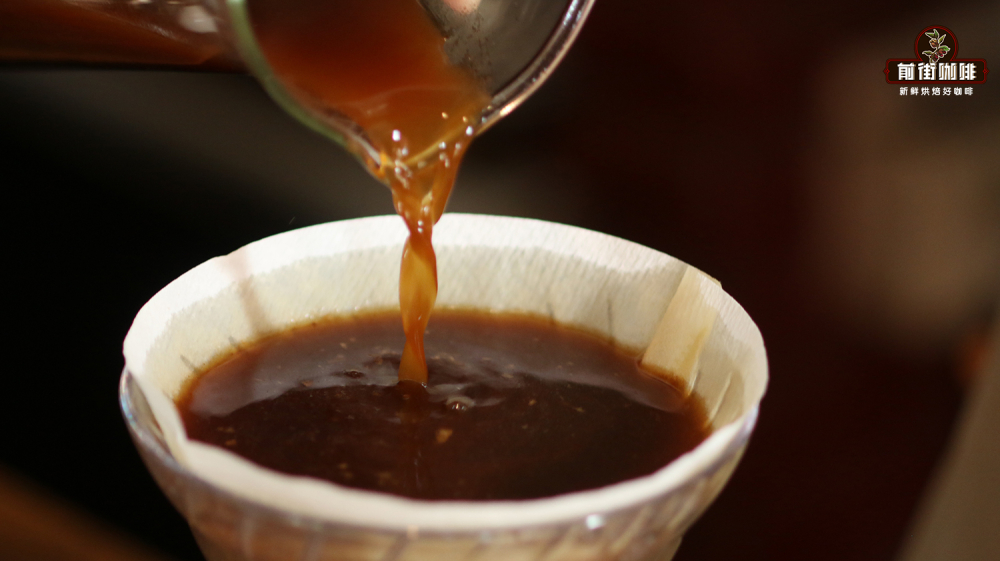
The flavor of cold brew coffee often features fresh notes such as floral, citrus, and berries, especially becoming more pronounced in the berry aroma after a few hours in the refrigerator. Upon tasting, it feels refreshing with a prominent sweetness and a clean, residue-free aftertaste. The overall profile is mild yet layered, making it highly suitable for coffee lovers who prefer low-acidity drinks.

Speaking of the advantages of cold brew coffee, its most notable traits are its low acidity and smooth texture. Since it avoids high-temperature extraction, it effectively prevents the release of impurities and bitter substances, resulting in a coffee that tastes fresher, sweeter, and silkier. Moreover, cold brew becomes even more flavorful when chilled, making it increasingly enjoyable the colder it gets. It’s an excellent choice for summer refreshment or as a coffee option for extended sipping.
However, cold brew coffee also has its drawbacks. Due to the prolonged steeping time, the extraction of caffeine is relatively high. A 200-milliliter cup of cold brew (using 20 grams of coffee beans) contains approximately 200 milligrams of caffeine, which may be too stimulating for those sensitive to caffeine. Therefore, it is advisable to adjust intake based on individual tolerance.
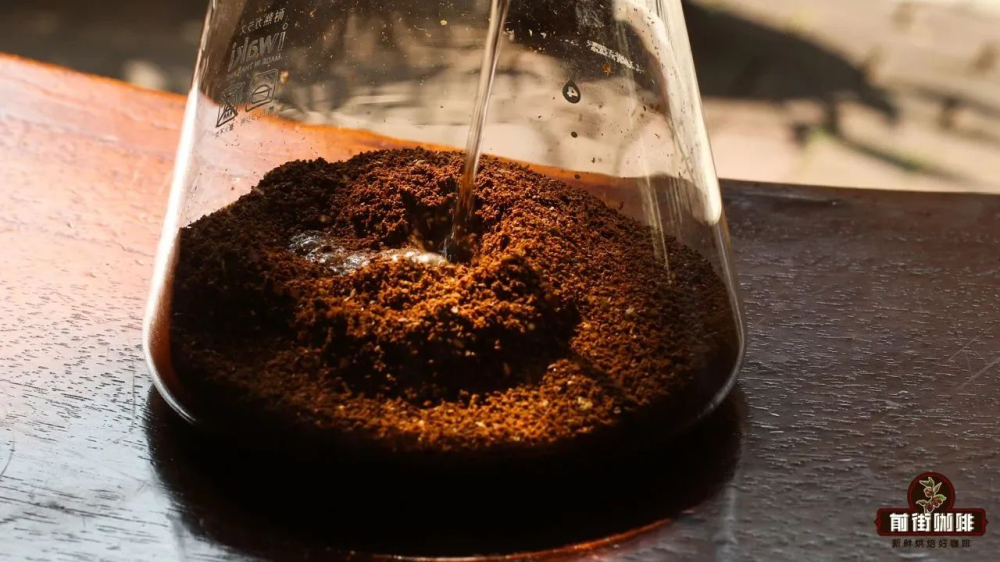
Additionally, some people worry whether cold brew coffee tends to turn sour easily. In fact, since the cold brew process occurs at low temperatures, the oils and acidic compounds in the coffee beans are less prone to oxidation. Instead, it helps preserve more sweet compounds, so compared to hot-brewed coffee, cold brew is less likely to develop noticeable acidity and instead presents a rounder and sweeter flavor profile.
The above content is compiled by CoffeeHunters, a coffee news website.


