








Introduction:Want to easily make smooth, low-acidity iced black coffee at home? With its simple process and refreshing flavor, cold brew coffee has become a top summer choice for many coffee lovers. This article thoroughly explains the brewing principles of cold brew, the ideal grind size, coffee-to-water ratio, extraction time, and compares it with common types of iced coffee. Learn how to master key parameters to brew well-balanced, layered iced coffee.
On a hot summer day, a chilled glass of iced black coffee always delivers an ultimate refreshing experience. Cold brew coffee (Cold Brew Coffee) has become a popular choice for office and home consumption in recent years, mainly because it has a low barrier to entry—no complicated techniques are needed to enjoy a richly flavored cup of coffee.
As the name suggests, cold brew coffee is made by steeping coffee grounds in cold water for an extended period. Many people easily confuse cold brew with regular iced coffee, but the biggest difference lies in the brewing temperature: iced coffee is typically brewed with hot water and then cooled with ice, while cold brew uses cold water throughout the process, usually steeped for at least 12 hours. For a stronger flavor, you can extend this to 24–48 hours.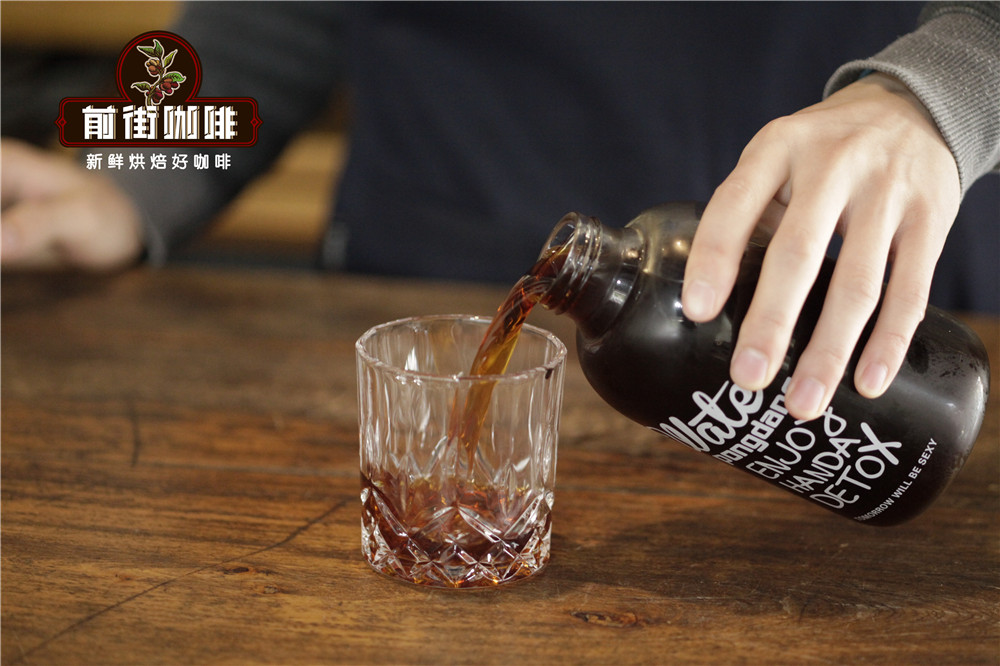
The process of making cold brew is extremely simple—you only need a container, coffee beans, and cold water. After refrigerating overnight, you can enjoy it the next day. This low-temperature, long-duration extraction method significantly reduces the release of bitter substances, resulting in a smoother coffee flavor. It’s also one of the reasons why many people love cold brew. As long as you get the coffee-to-water ratio right, even beginners can easily make it.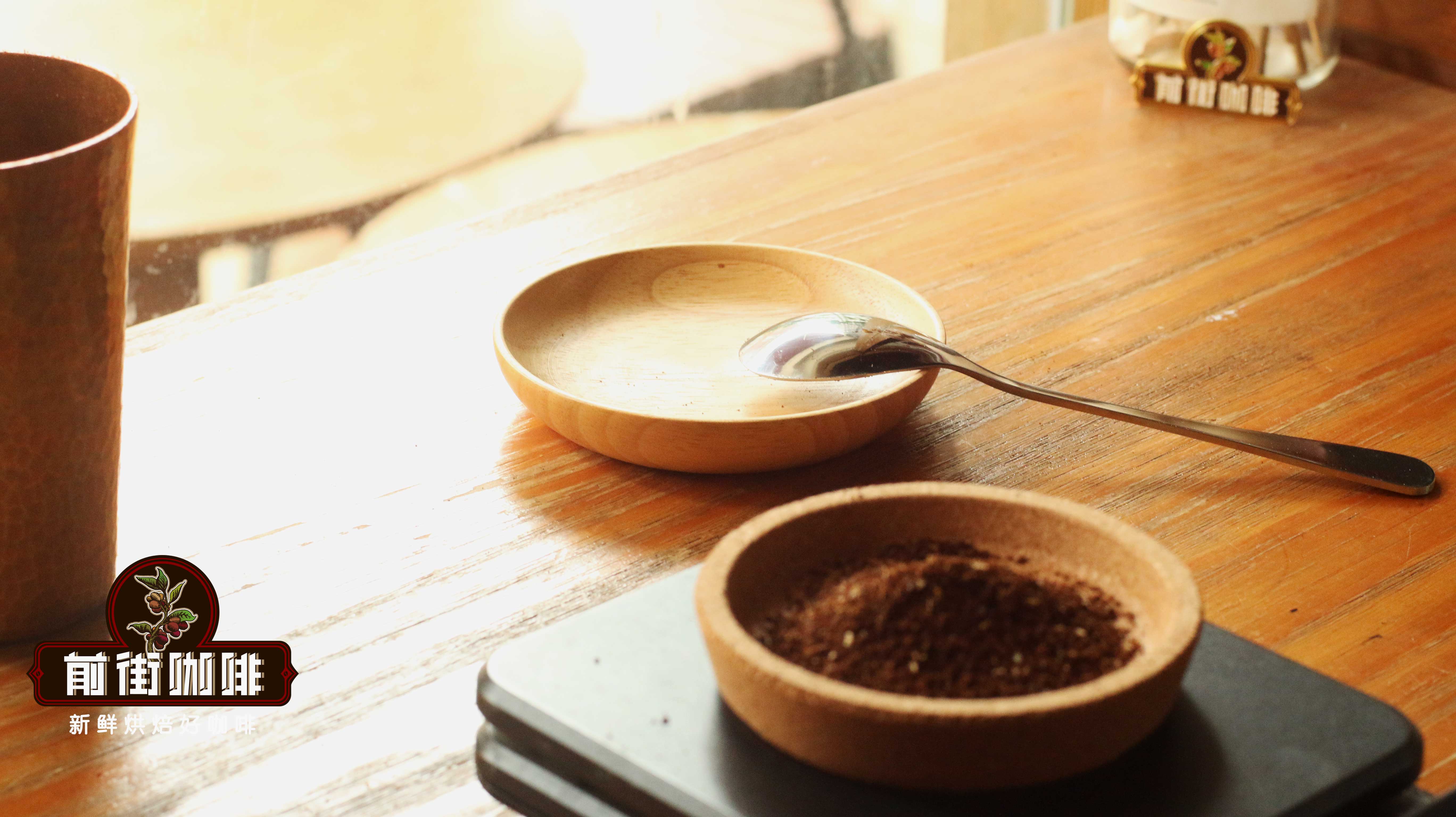
For specific brewing parameters of cold brew, a recommended coffee-to-water ratio is 1:12. Based on 50 grams of coffee grounds, this ratio yields a coffee solution with a moderate strength that can be consumed directly or diluted with water according to personal preference. If you plan to make specialty drinks, such as adding milk or soda, you can increase the ratio to 1:10 for a stronger base flavor.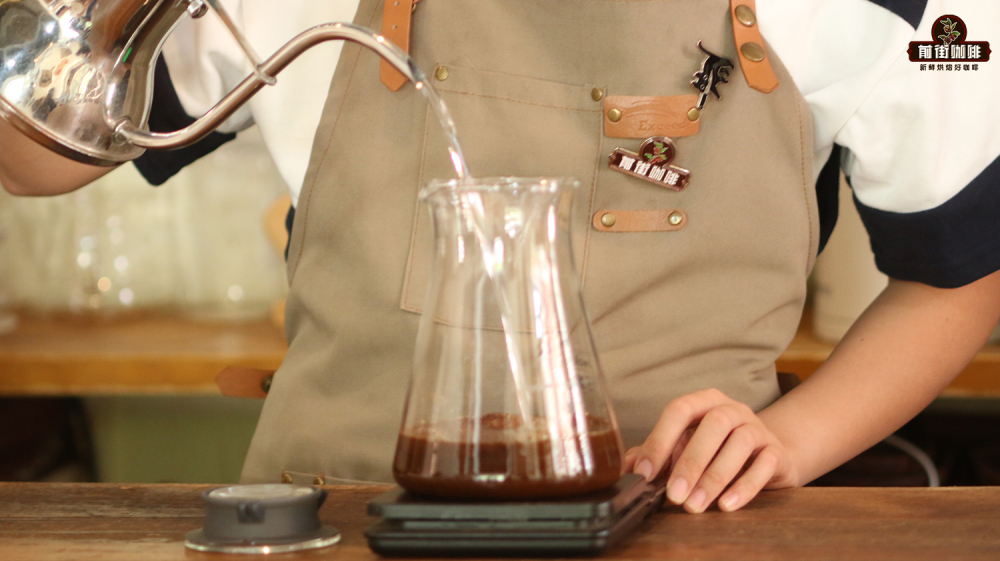
In terms of grind size, since cold brew uses cold water, the extraction efficiency is lower, so there's less concern about over-extraction. It’s recommended to use a grind slightly finer than that for pour over—about 85% passing through a standard #20 sieve is a good reference—and to minimize the amount of fine particles as much as possible. Note that although low temperatures suppress the release of bitter substances, grinding too finely can still cause the premature release of acidic and sweet compounds, affecting overall flavor balance and cleanliness.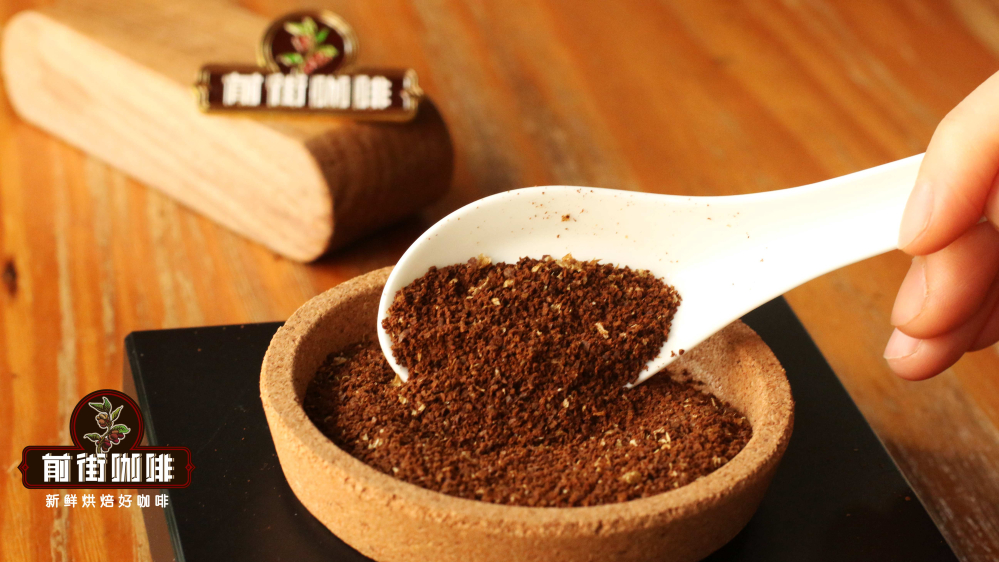
The setting of the coffee-to-water ratio is also related to whether ice cubes are added. A common brewing reference is a ratio of coffee : water : ice = 1:8:4, though the actual coffee-to-water ratio remains 1:12. The purpose of adding ice is to ensure the extraction environment stays cool, which helps stabilize extraction efficiency. If you don’t have ice at home, you can also adjust the ratio using cold water directly.
For temperature control, cold brew doesn’t require precise temperature regulation—just mix the coffee grounds with cold water and let it sit in the refrigerator. The general recommendation is an extraction time of 12 to 24 hours. If you choose to brew at room temperature, reduce the time to 8–12 hours, but be aware that high ambient temperatures may affect flavor stability.
In practice, you can place 50 grams of ground coffee into a clean, oil-free airtight container, add 400 ml of room-temperature water and 200 grams of ice (total volume about 600 grams), gently shake to ensure the coffee grounds are evenly moistened, then seal and refrigerate for 12–24 hours. Once extracted, filter out the coffee grounds using filter paper or a fine mesh sieve, pour the coffee liquid into a clean, sealed bottle, and it’s recommended to refrigerate for another 4 hours before drinking for a rounder flavor.
Regarding storage, it’s best to consume filtered cold brew within 2–3 days, and no longer than 7 days. Although longer storage times may lead to more fermentation and complexity in flavor, excessive fermentation can produce off-flavors and detract from the overall drinking experience. If you prefer a crisper taste, it’s advisable to drink it sooner.
The biggest difference between cold brew and hot brew coffee lies in the brewing temperature and time. Hot brew typically uses water at 88–91°C and takes just a few minutes, while espresso is even shorter—just 18–23 seconds. In contrast, cold brew is a slow, low-temperature extraction process that can take over ten hours, hence it’s referred to as an extraction method that “trades time for flavor.”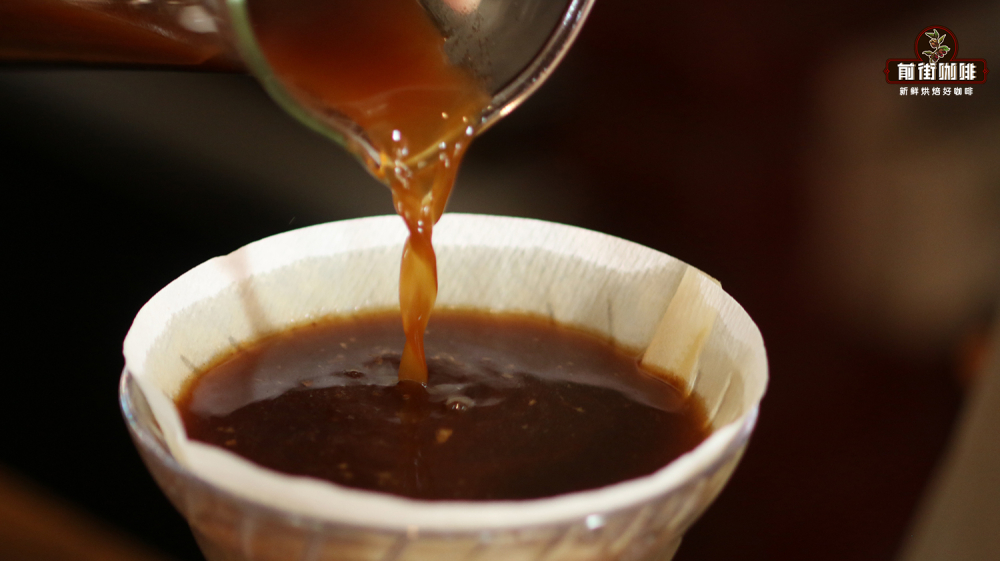
In terms of flavor, cold brew suppresses the process of tannins breaking down into quinic acid due to the low-temperature environment, resulting in significantly reduced acidity and bitterness. Research shows it contains about 67% fewer acidic compounds than hot brew coffee. Additionally, low temperatures only extract small-molecule flavor compounds, such as floral and fruity notes, while larger molecules like smoky or roasted aromas are harder to release. This makes cold brew smoother and more layered, with a pronounced yet non-cloying aftertaste. It’s important to note that the freshness of the coffee beans greatly impacts the final flavor—opt for beans roasted within 5 days and past the degassing period for the best results.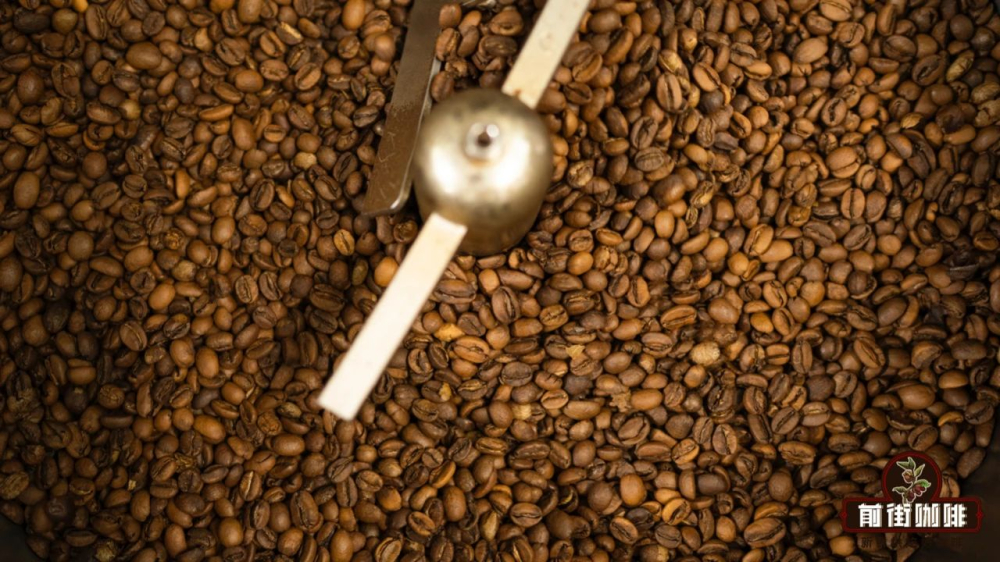
The above content is compiled by CoffeeHunters, a coffee news website.


