








Introduction:Cold brew coffee is beloved for its low acidity, smoothness, and unique fermented character. But do you know which coffee beans are best suited for making cold brew? This article delves into the brewing principles and flavor characteristics of cold brew coffee, and recommends practical bean selections based on different flavor profiles—from rich fruity notes, fresh floral-fruity tones, deep and bold dark roasts to captivating wine-like styles—giving you a comprehensive grasp of the extraction essentials and optimal steeping times for each type of cold brew.
The biggest difference between cold brew coffee and traditional hot-brewed coffee lies in the brewing process and extraction temperature. Since the entire process takes place at room temperature or in a low-temperature environment, the resulting coffee liquid usually has lower acidity and bitterness, but more smoothness and delicate layers. At the same time, due to the characteristics of low-temperature, long-duration extraction, it may also bring a slight fermented sensation akin to “low-temperature aging,” which is one of the reasons many people are drawn to cold brew.
However, precisely because cold brew coffee takes a long time to make—typically requiring 12 to 24 hours of refrigerated steeping—bean selection becomes even more crucial. Generally speaking, not all coffee beans that perform well in hot brewing are suitable for cold brew. On the contrary, those with balanced flavors, distinct sweet-and-acidic profiles, or beans that complement the characteristics of cold brew can better showcase their advantages. Understanding these differences can help you replicate a professional-grade cold brew experience at home.
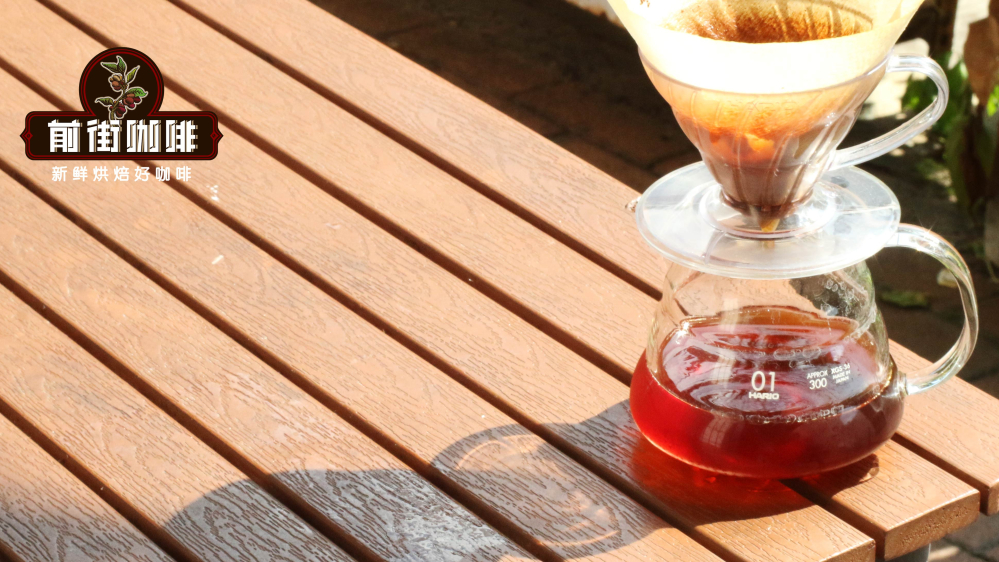
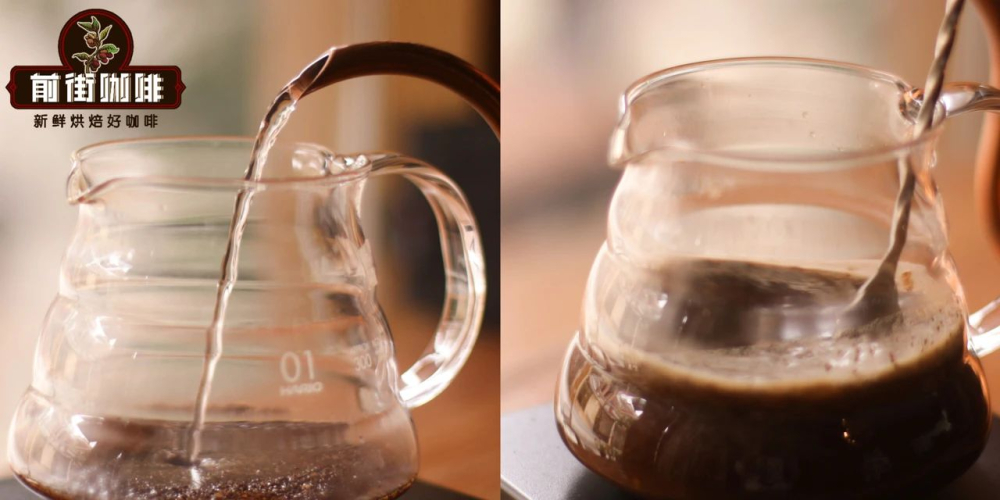
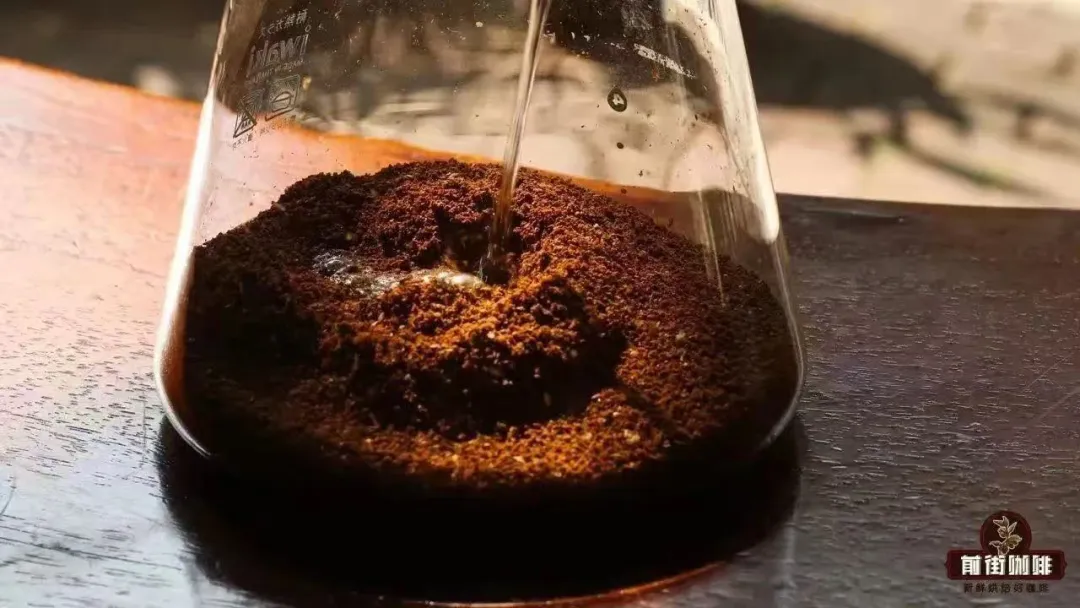
A common cold brew preparation ratio is 50 grams of coffee grounds to approximately 400 milliliters of room-temperature water and 200 grams of ice cubes, with a total water volume of about 600 milliliters—that is, a coffee-to-water ratio of roughly 1:12. It’s recommended to use medium-coarse ground coffee, with about 85% passing through a standard No. 20 sieve. Place the grounds in a glass container, add the ice-water mixture, gently stir to evenly combine, then seal and refrigerate. This grind size and ratio design help control extraction uniformity, avoiding over-extraction or under-extraction.
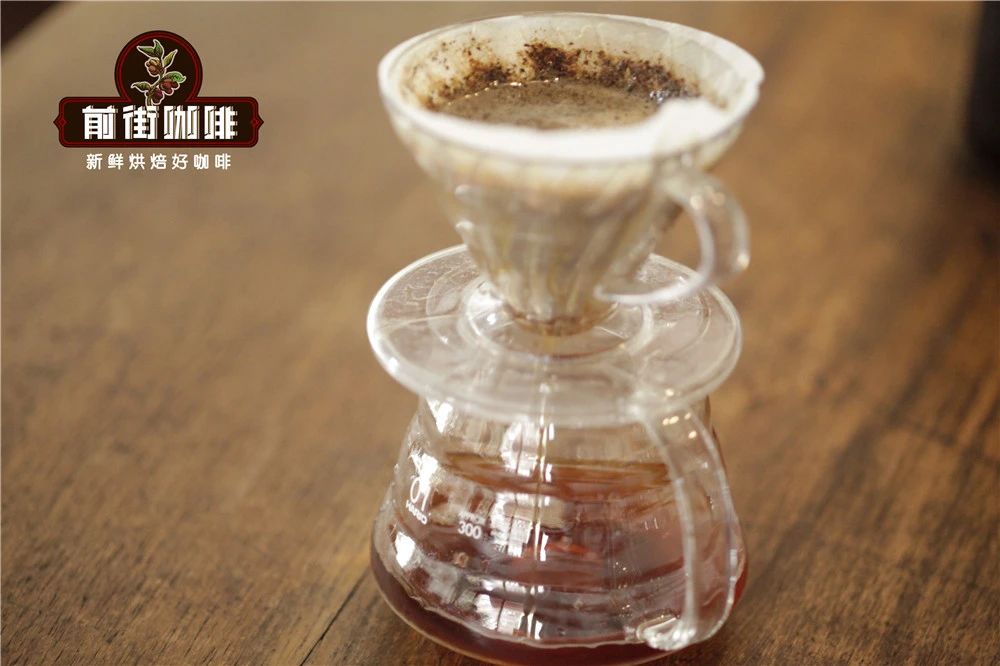
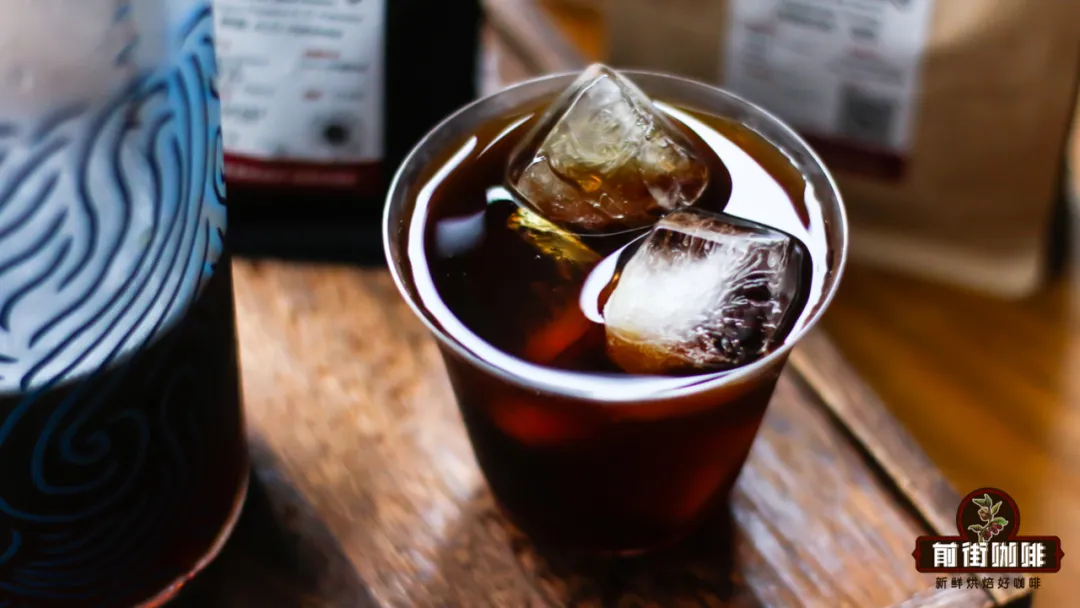
After steeping for 12 to 24 hours, use filter paper to remove the coffee grounds, and you’ll get a clear coffee liquid. It’s recommended to then pour the coffee liquid into a clean, airtight container, let it refrigerate and settle for about 4 hours to allow the flavors to further integrate and the mouthfeel to become rounder and smoother before enjoying. This step ensures that the flavor of the cold brew coffee becomes more complete, avoiding early consumption before the flavors have fully developed.
Cold brew coffee generally presents as low in acidity, smooth, not bitter, and carries a hint of unique fermented sensation derived from low-temperature extraction. By selecting suitable coffee beans according to these characteristics, you can create various flavor experiences of cold brew—from refreshing fruity notes to rich and bold profiles, and even special tones with wine-like and sweet qualities—all adjustable based on bean variety and processing method.
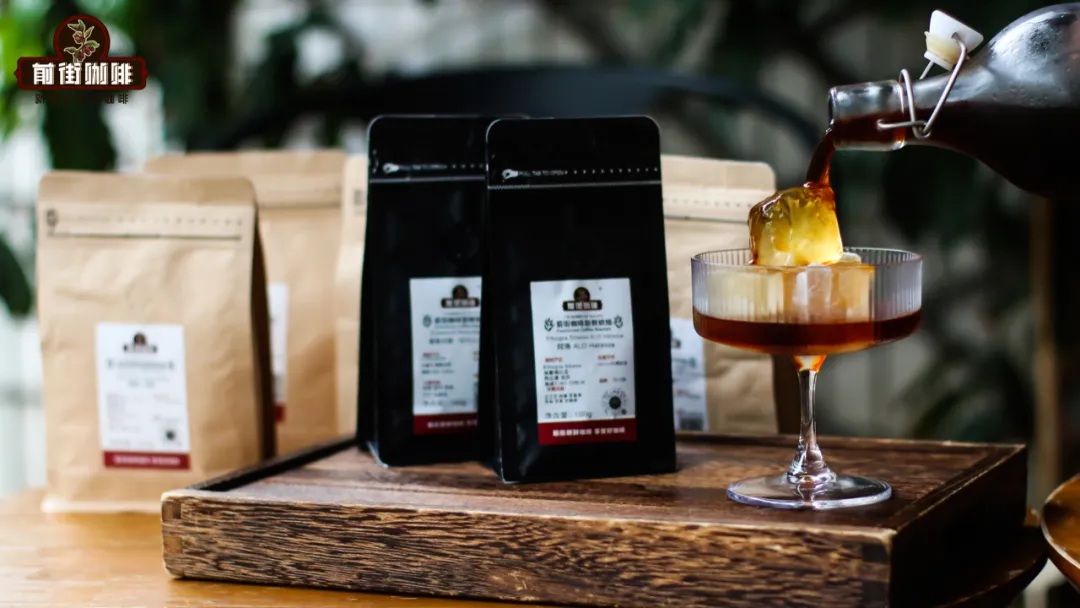
If you prefer bright, sweet-and-sour coffees full of juice-like character, it’s recommended to choose beans with intense fruitiness. For example, beans with notes of mango, citrus, and a touch of pineapple can deliver a refreshing experience akin to tropical fruit smoothies. Additionally, aromas such as lychee and blueberry from the berry family are also popular choices. Cold brews made from such beans are often vibrant and particularly suitable for summer drinking—the sweet-and-sour taste can effectively neutralize the heat, providing a cool and refreshing flavor experience.
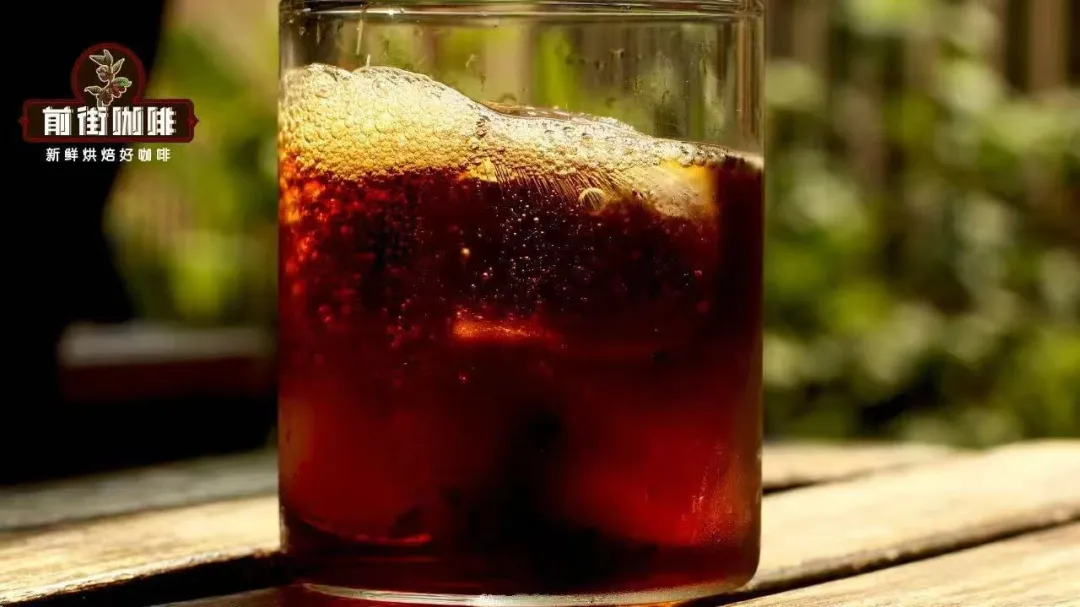
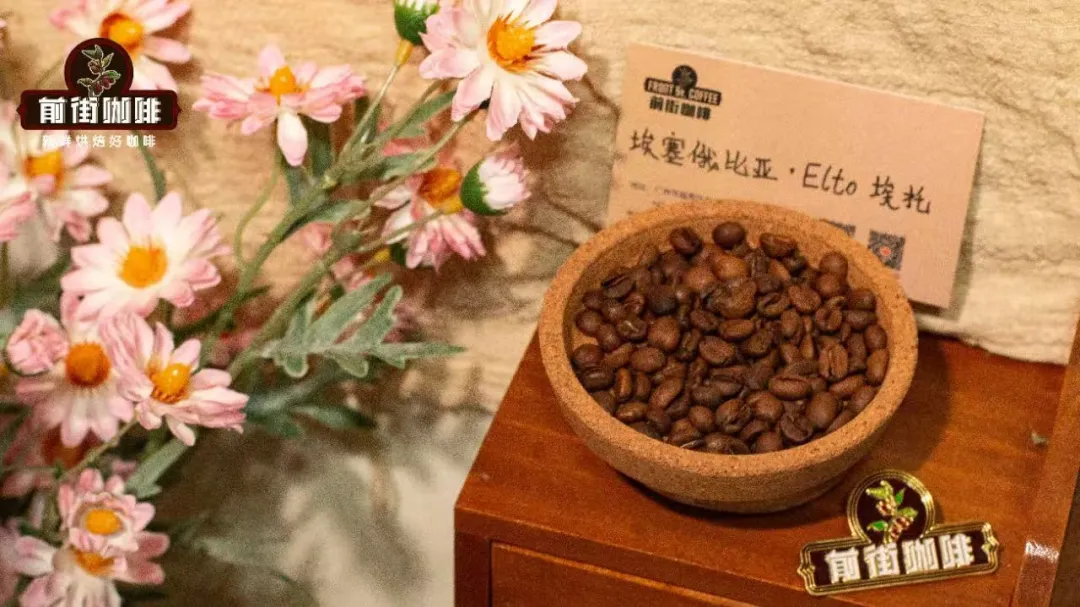
For those who prefer light and elegant flavors, washed-process coffee beans are worth considering, especially those from Ethiopian or Panamanian origins. These beans typically have lower fermentation levels, preserving more of their original fruity and floral notes, such as lemon, green tea, or white floral characteristics. However, be mindful that some white floral flavors, if overly intense, may be misinterpreted as herbal or medicinal. In such cases, you can moderately adjust the coffee-to-water ratio or increase the water volume to achieve a more balanced overall flavor.
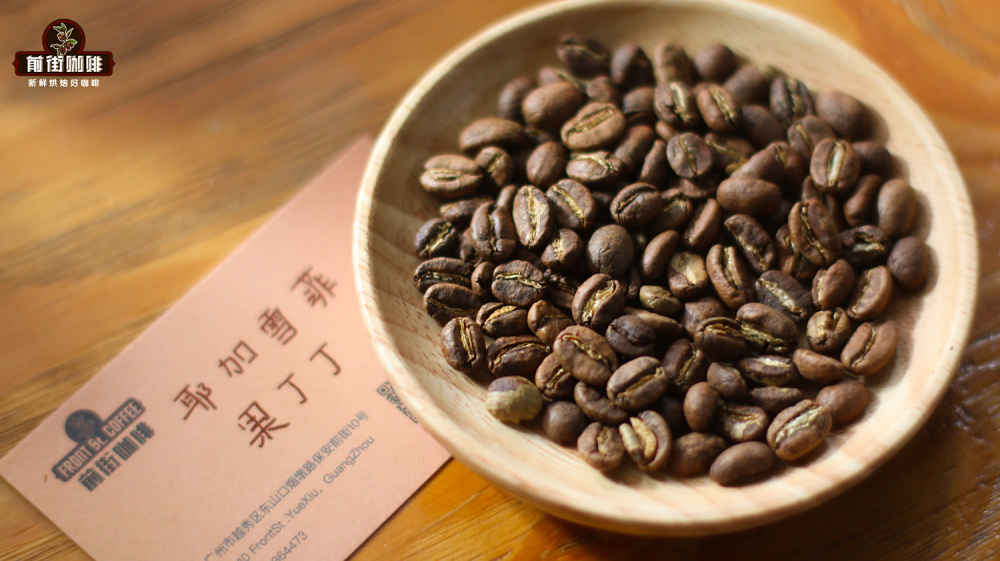
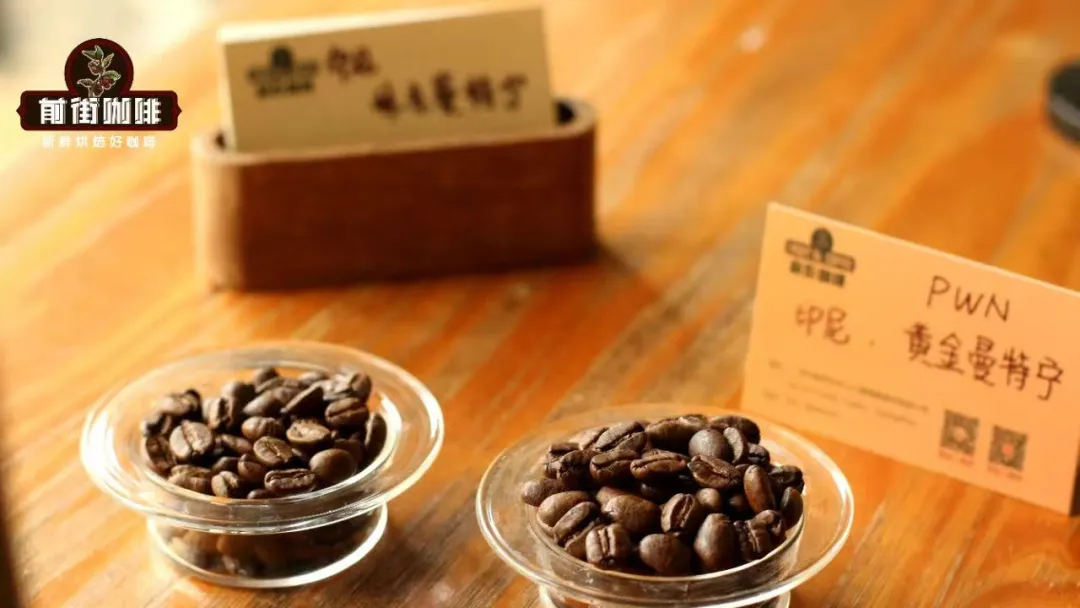
If you enjoy bold, full-bodied flavors, dark roasted beans or those with chocolate and caramel notes are your top choice. Even after cold brewing, these beans can still showcase low acidity, richness, and high body, with a smooth mouthfeel and long-lasting aftertaste—perfect for those seeking an intense coffee experience. Deep roast options such as Indonesian Mandheling or Blue Mountain series commonly feature flavors like dark chocolate, caramel sweetness, and a sturdy body, which become even more composed and captivating after cold brewing.
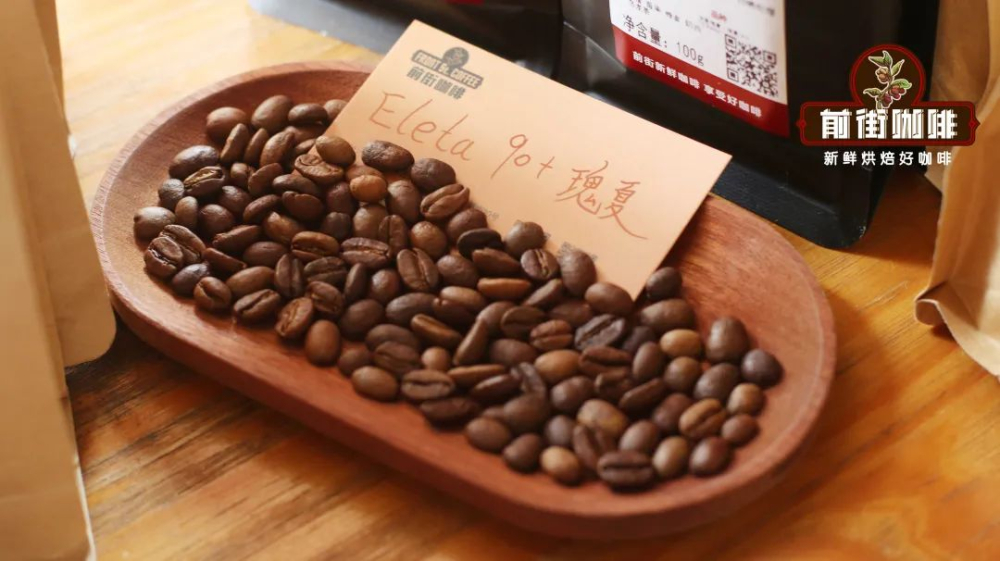
Finally, if you want to challenge a “tipsy” cold brew with wine-like and fermented sensations, anaerobically processed beans are definitely worth trying. These beans, having undergone special fermentation processes, often carry noticeable wine aromas, creamy sweetness, and even layers reminiscent of whiskey or fruit wine. For example, certain anaerobic Geisha or berries-forward beans can present a complex flavor profile where berry sweetness and wine notes intertwine after cold brewing—truly surprising and perfect for coffee lovers who enjoy unique flavors and wine-like experiences.

The above content is compiled by CoffeeHunters, a coffee news website.


