







Introduction:Want to enjoy a uniquely flavorful iced coffee on a hot summer day? Cold brew coffee, with its low-temperature extraction characteristics, delivers a refreshing taste that’s distinctly different from hot brewing. This article will delve into the differences between common iced coffee methods such as cold drip and cold brew, and recommend three specialty coffee beans that are particularly well-suited for low-temperature extraction. You’ll learn how to adjust parameters based on bean characteristics to extract diverse flavors such as berries, floral notes, or rich body — even beginners can easily get started.
High-temperature extraction can easily convert tannic acids in coffee into quinic acids, leading to increased bitterness and astringency. In contrast, cold brew coffee, through slow low-temperature extraction, not only reduces the release of stimulating substances but also better preserves the original fruity and sweet notes of the beans. Whether you prefer the clean acidity of cold brew or the rich layers of cold drip, choosing the right beans is the key first step.
The performance of coffee beans can vary greatly depending on the cold brewing method. For example, long low-temperature extraction can highlight the bean’s bright acidity and fruity aroma, while when paired with milk or water, the bean’s body and sweetness balance should be considered. Below are three single-origin beans highly praised by coffee enthusiasts, each suitable for making cold brew, cold drip, or for use in mixed drinks.
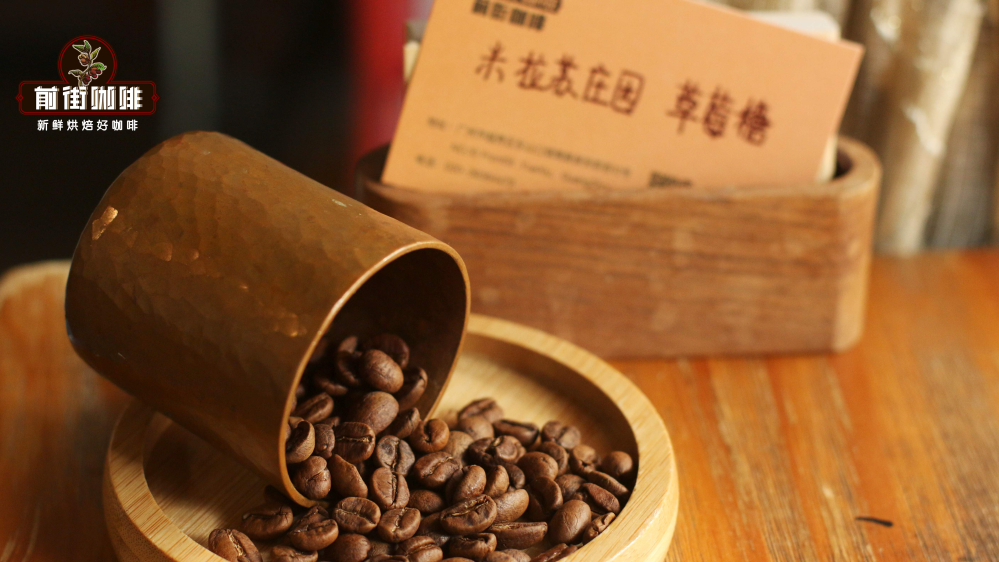
First, we recommend a bean with a distinct juice-like character:Kenyan flavor bean, whose bright berry profile truly shines in cold brew or cold drip methods. This bean often exhibits flavors of black plum and dark-skinned fruits such as black olive-like notes, with a round and full mouthfeel; if brewed as an iced Americano or Japanese-style iced coffee, it will present a balanced acidity and sweetness reminiscent of cherry tomatoes and sour plum soup, with a sweet sugarcane-like finish.
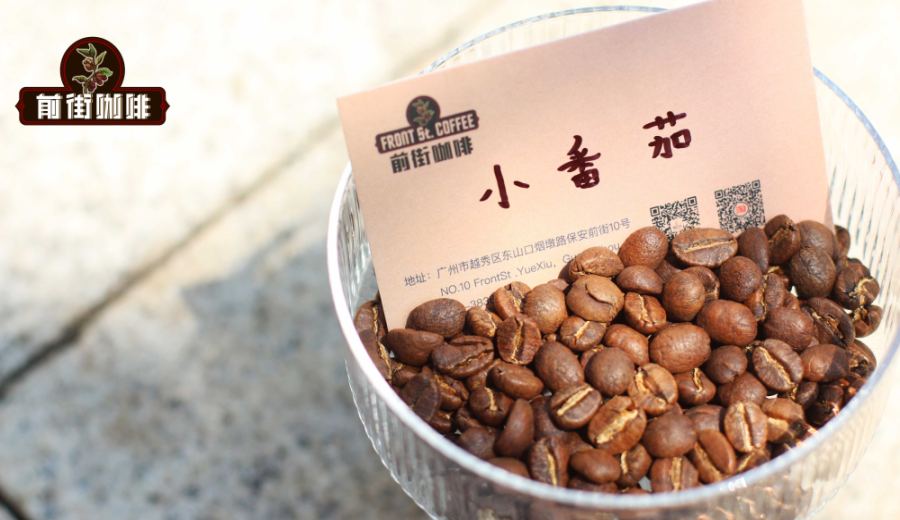
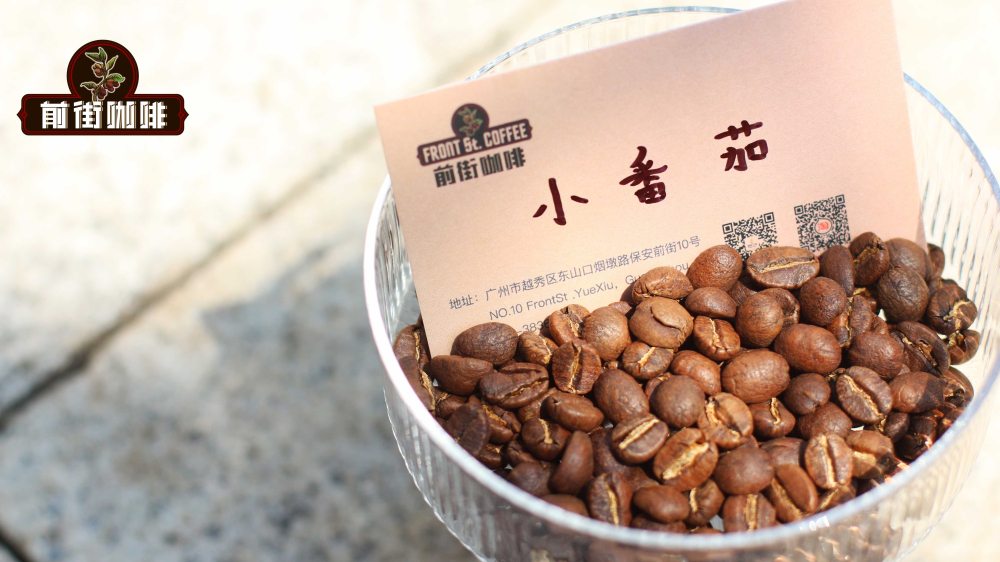
The second bean suitable for cold brewing is astrawberry candy-flavored beanwith a rich, sweet aroma, especially appealing to those who enjoy fruit-forward profiles. During cold brew or cold drip, it can extract complex fruit notes of ripe strawberries, raisins, and oranges, even with subtle hints of alcoholic fermentation; when used to make an iced Americano, it transforms into a sweet combination of blueberries, strawberry gummies, and honey, with rose floral notes becoming more pronounced.
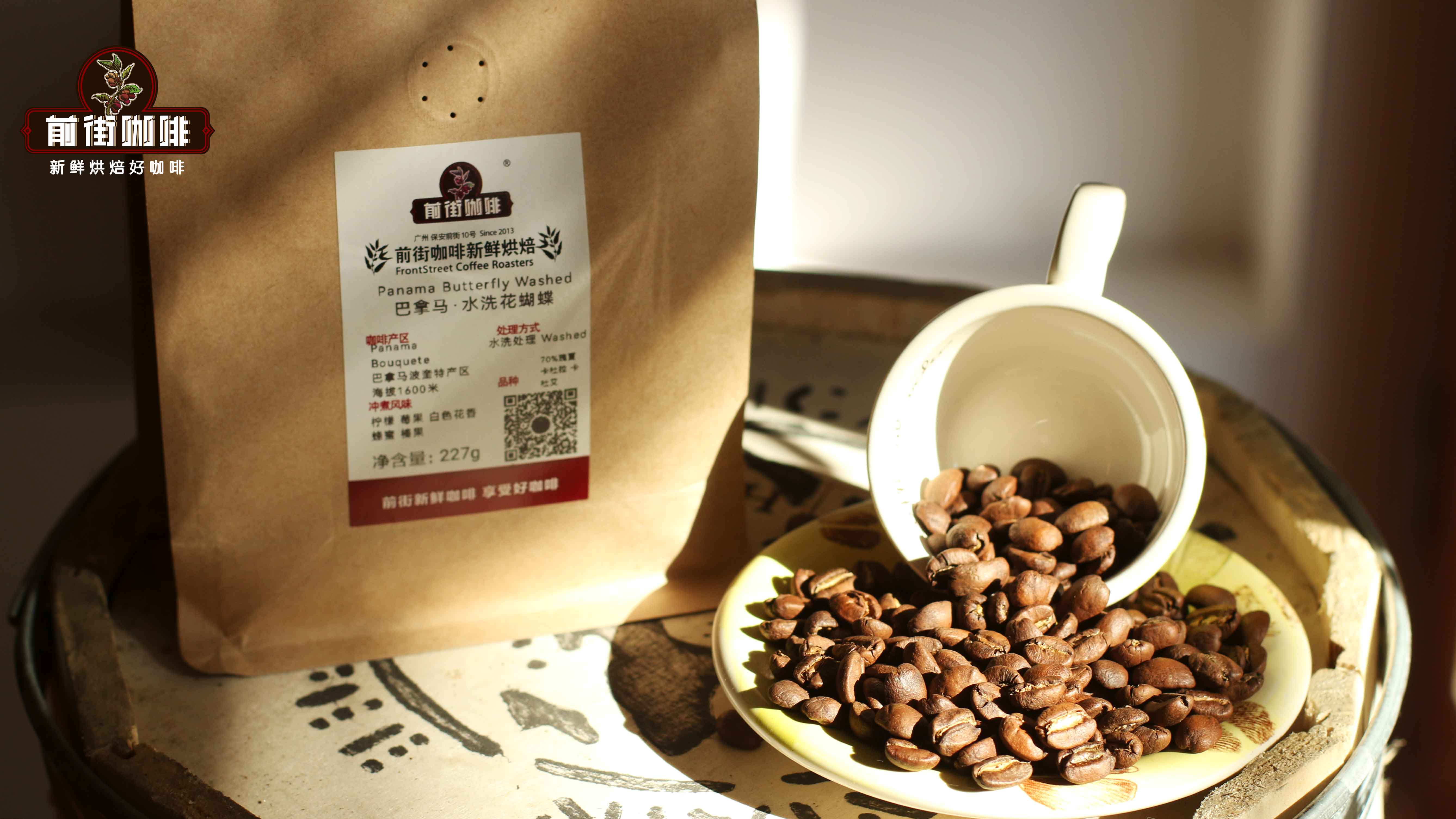
Finally, we recommend the relatively mild-flavoredFlower Butterfly bean, which is especially suited for those seeking a balanced taste. When cold brewed or cold dripped, it reveals a refreshing profile of citrus, orange, and nuts, along with the soft aftertaste of black tea; if made into an iced latte with milk, the combination of lemon, berries, and light floral notes creates a comforting sensation akin to floral tea.
When making cold brew coffee, it is recommended to use a coffee-to-water ratio between 1:8 and 1:12, with an extraction time typically ranging from 12 to 24 hours. Keeping the temperature between 4–10°C helps preserve delicate flavors best. No matter which beans you choose, it’s advisable to start with a small test batch and adjust grind size and steeping time according to your personal taste to find the cold brew coffee that suits your flavor preferences the most.
The above content is compiled by CoffeeHunters, a coffee news website.


