








Introduction:Cold brew coffee, with its refreshing and smooth profile, has become one of the most popular coffee beverages in summer. But do you know how to choose the right coffee beans, what kind of water to use, and how to master the coffee-to-water ratio and grind size? This article will detail the full range of skills for cold brew coffee—from bean selection to brewing—helping you easily make a cup with balanced flavor and rich texture.
The unique characteristic of cold brew coffee is its low-temperature, long-duration extraction method. Compared to traditional hot-brewed coffee, it has significantly lower acidity while better preserving the coffee’s aroma and sweetness, resulting in a richer and more balanced taste. Thanks to the low extraction temperature, many volatile compounds are less likely to dissipate, thus locking in more captivating coffee aromas.

One of the most fascinating aspects of cold brew coffee is its ability to showcase vastly different flavor profiles based on the coffee beans you choose. Do you prefer vibrant fruitiness, soft floral notes, or intense chocolate and spice tones? Understanding the characteristics of various coffee beans is the first step toward crafting your ideal cold brew flavor.
If you enjoy vibrant fruit acidity and a refreshing juice-like sensation, light to medium roasted washed process beans are your best bet. Washed beans from regions such as Kenya, Ethiopia, or Panama often feature bright citric acidity, apple, or berry notes. When cold brewed, they can present a layered experience akin to freshly squeezed juice.
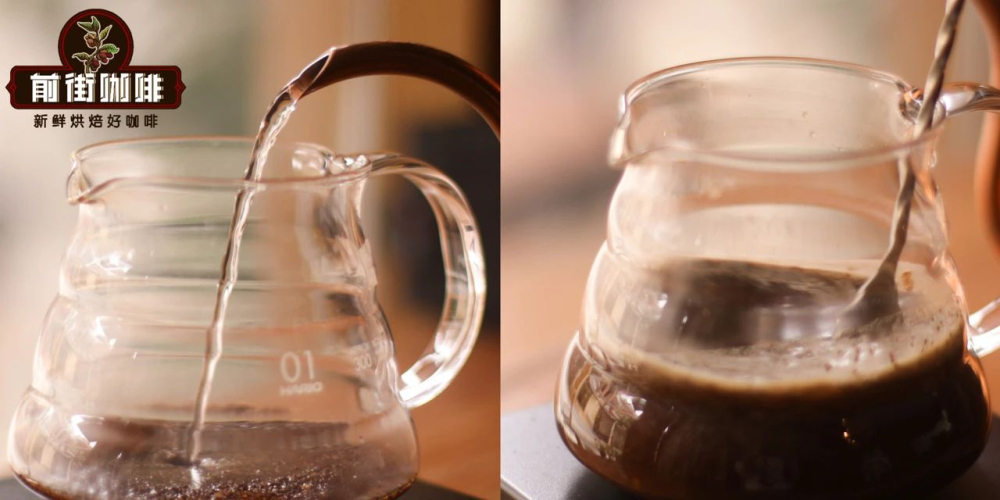
For those who prefer ripe fruitiness and sweetness, try sun-dried processed coffee beans. The sun-drying method enhances the beans’ sweetness and body, often delivering intense flavors like mango, raisin, and tropical fruits. After prolonged cold brewing, the fruit and floral notes meld even more, while also bringing out unique enzymatic aromas, resulting in a smooth and mellow mouthfeel.
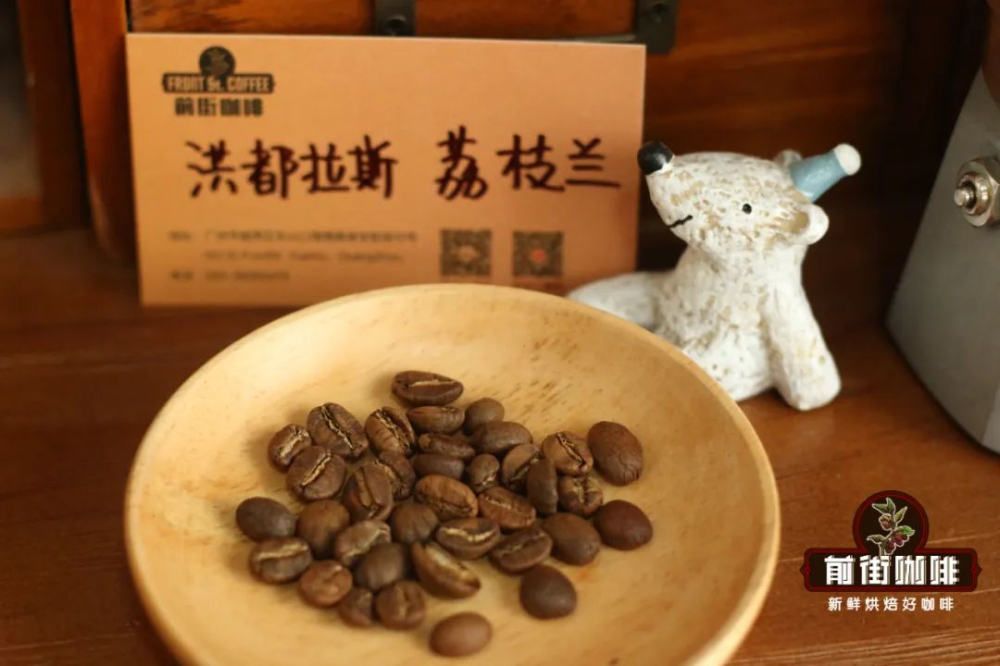
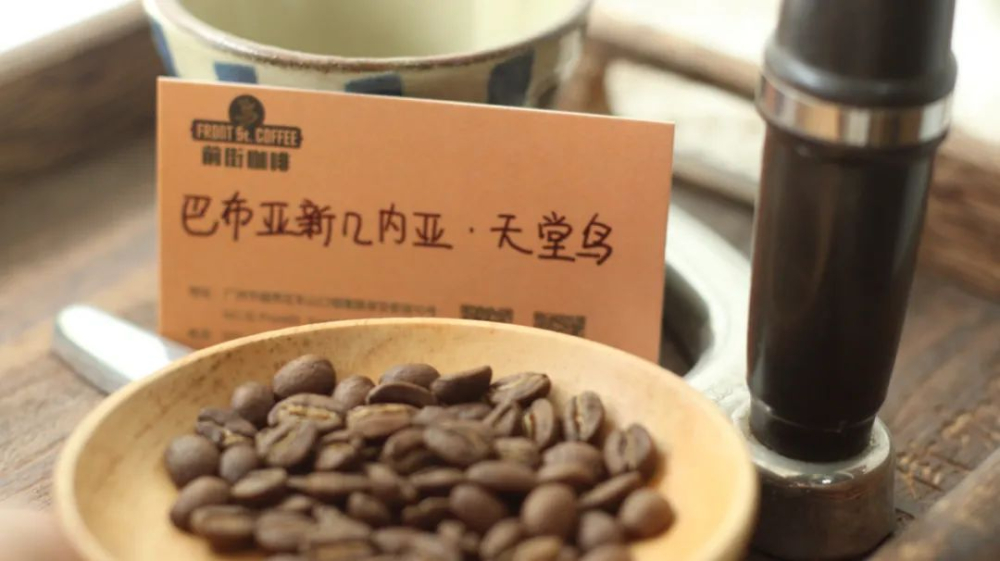
If you’re looking to explore more distinctive coffee flavors, there are also many beans on the market that use special processing methods, offering clear flavor directions such as winey, berry-sweet, creamy, or nutty notes. These beans often carry concrete aromas due to their processing techniques, which are further amplified through cold brewing—making them ideal for coffee lovers who enjoy trying new things or seeking fresh flavor experiences.
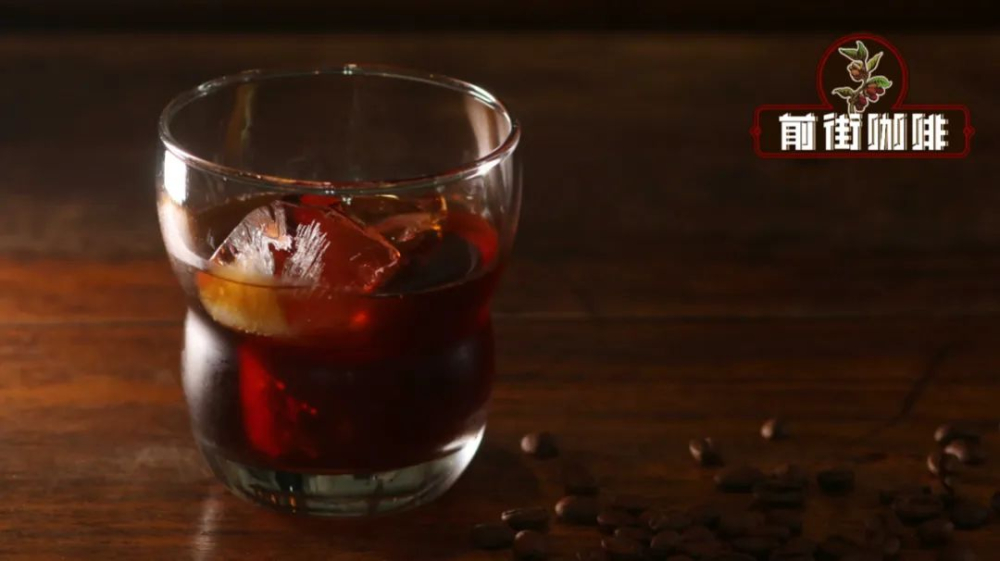
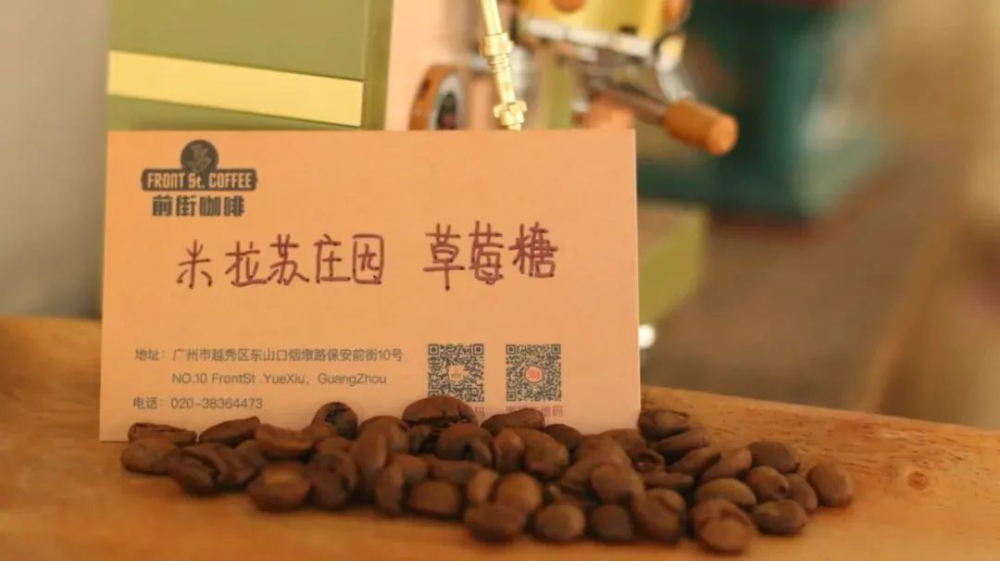
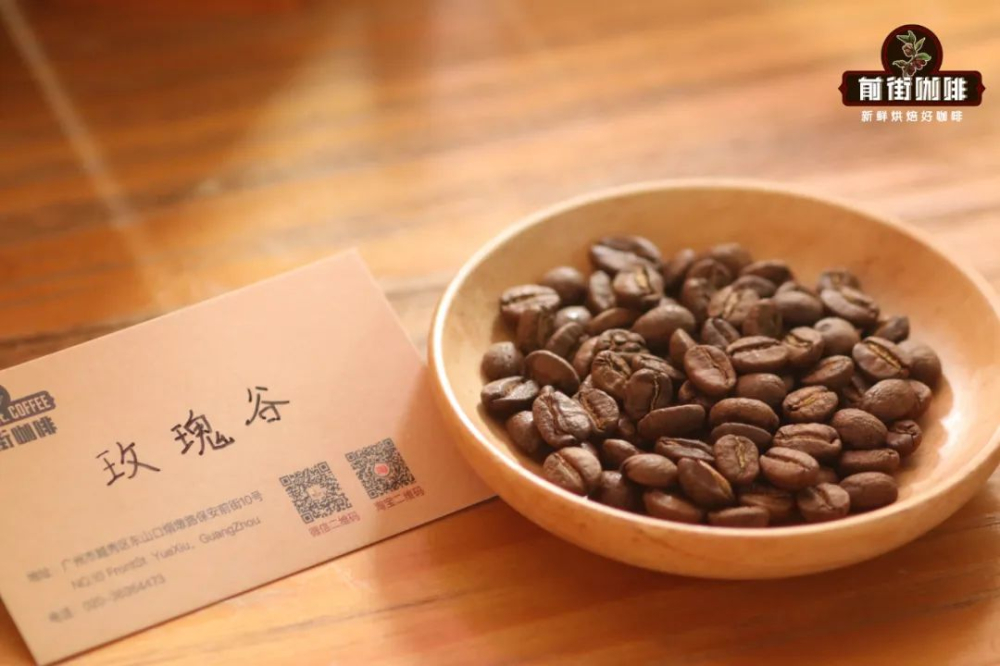
For example, some coffee beans exhibit distinct white peach, strawberry, or blueberry notes. When cold brewed, they resemble a fruity iced tea, perfect for those who enjoy sweetness and fruitiness. Others may reveal aromas of rose, jasmine, or liqueur-filled chocolate, providing a surprising sensory experience.
For drinkers who dislike acidity and prefer a richer, fuller-bodied taste, medium to dark roasted beans are a more suitable choice. Medium-dark roasted coffee typically features warm notes such as chocolate, caramel, nuts, and spices, with lower acidity. After cold brewing, it delivers a smooth and full mouthfeel, making it ideal for making iced coffee or pairing with dairy-based drinks.
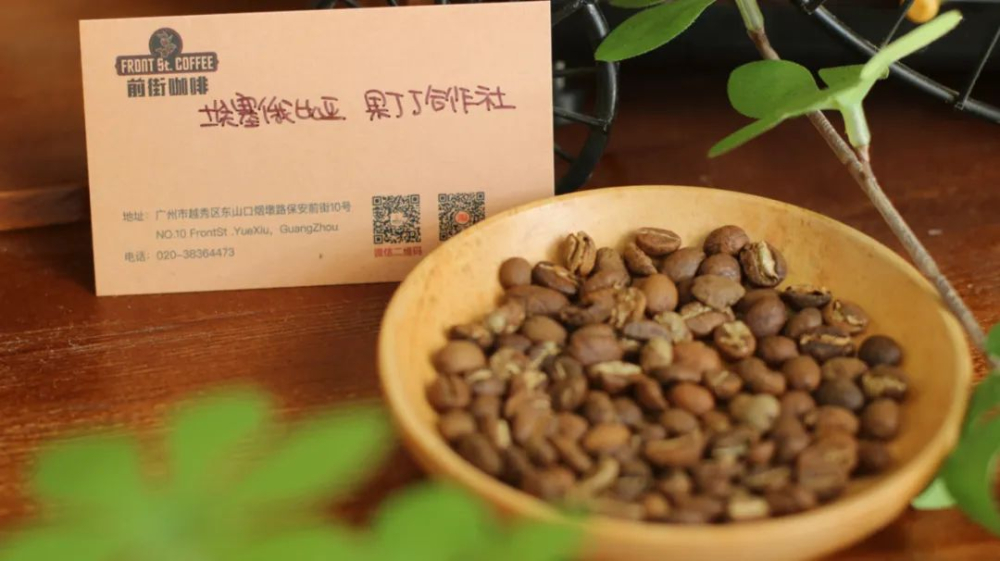
Dark roasted beans, on the other hand, have almost no noticeable acidity, emphasizing dark chocolate, smoky, spicy, and deep body flavors. They suit consumers seeking an intense taste and smooth finish. If you want your cold brew to taste like a concentrated black chocolate beverage, consider choosing dark-roasted Indonesian Golden Mandheling or similar flavor-profile beans.
Besides the beans themselves, water selection is also extremely important. It is recommended to use filtered or mineral water, avoiding hard water or water containing impurities, as these can affect extraction purity and final flavor. The mineral content in water also influences coffee extraction efficiency. It is advisable to choose drinking water with a total dissolved solids (TDS) level of around 150ppm, which can make the coffee’s flavor clearer.
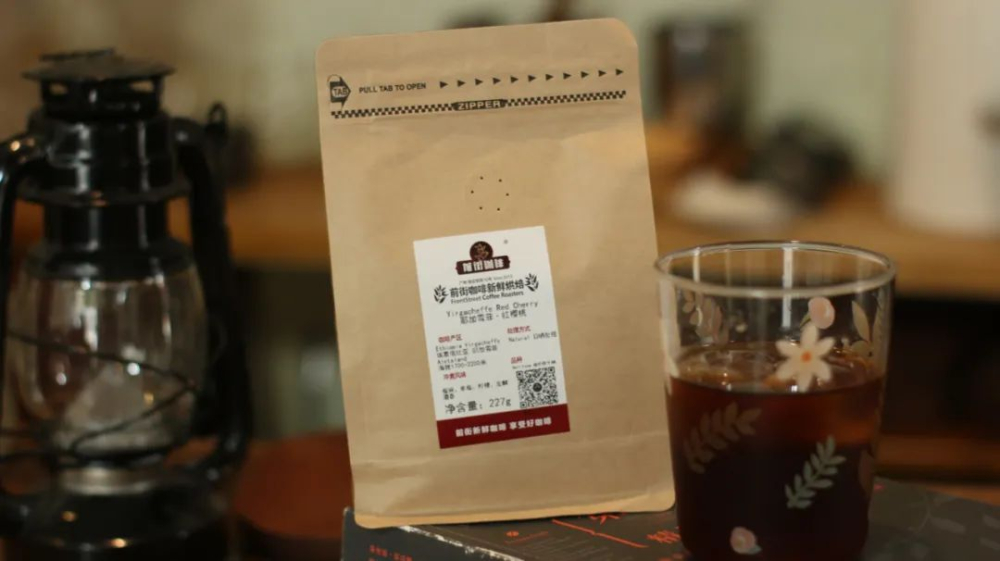
Regarding the cold brew coffee-to-water ratio, a general recommendation is to use a range of 1:8 to 1:12, adjusted according to personal taste. For a stronger flavor, opt for 1:8 to 1:10; for a lighter, more refreshing taste, go with 1:12 or higher. The grind size should be slightly coarser than that used for pour over, roughly similar to that of a French press, which effectively prevents over-extraction while ensuring smooth water flow.
The standard cold brew time is 12 to 24 hours, and it is recommended to place it in the refrigerator during brewing. This not only helps control the extraction temperature but also maintains stable flavor. Too short a time may lead to under-extraction, while too long can extract excessive impurities and over-extracted flavors.
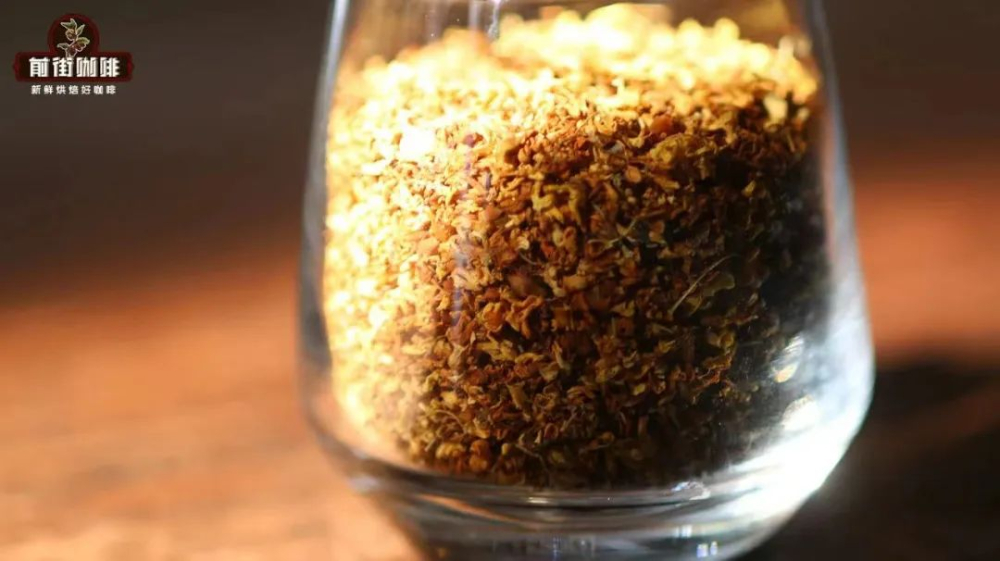
Tip: If you’d like to add an extra layer of flavor to your cold brew, try adding a small amount of dried osmanthus, jasmine, or rose petals during the cold brew process—about 1% to 3% of the coffee grounds’ weight. This can impart subtle floral aromas to the coffee. However, be mindful of how floral or tea-like aromas interact with the coffee itself. It’s recommended to choose light to medium roasted beans with fruit or floral notes for optimal synergy.
In summary, the charm of cold brew coffee lies in its flexibility, simplicity, and the ability to produce a wide variety of flavor profiles based on different beans, water quality, and extraction time. Whether you prefer refreshing fruit acidity, rich chocolate, or unique floral and wine notes, as long as you master key elements such as bean selection, water quality, grind size, and brewing time, you can easily create your own perfect cup of cold brew coffee at home.

The above content is compiled by CoffeeHunters, a coffee news website.


