








Introduction:Do you want to know the origin of latte coffee and the ratio of espresso? This article provides an in-depth analysis of the differences between lattes and Dirty coffee, including the proportions of espresso and milk used in each, their flavor profiles, as well as detailed steps for easy home preparation. Whether you're a beginner coffee enthusiast or looking to refine your pour over and brewing skills, you'll gain practical knowledge and inspiration from this guide.
The Etymology and Historical Origins of Latte
The term "latte" comes from the Italian word for "milk," referring to a coffee beverage made by combining espresso with a certain proportion of milk, and is one of the common types of specialty coffee.
It is said that the earliest form of latte actually originated in the music capital of Vienna. As early as the 17th century, after Austria successfully repelled the invasion of the Turkish army, the fleeing enemy left behind a large quantity of coffee beans. These beans were used by the first local coffeehouse—reportedly the shop later known as "Blue Bottle." To cater to European taste preferences, the shop mixed filtered coffee with a large amount of milk, creating a smooth, sweet, and mellow beverage that gradually evolved into the prototype of today’s latte.

The Basic Composition and Common Ratios of Latte
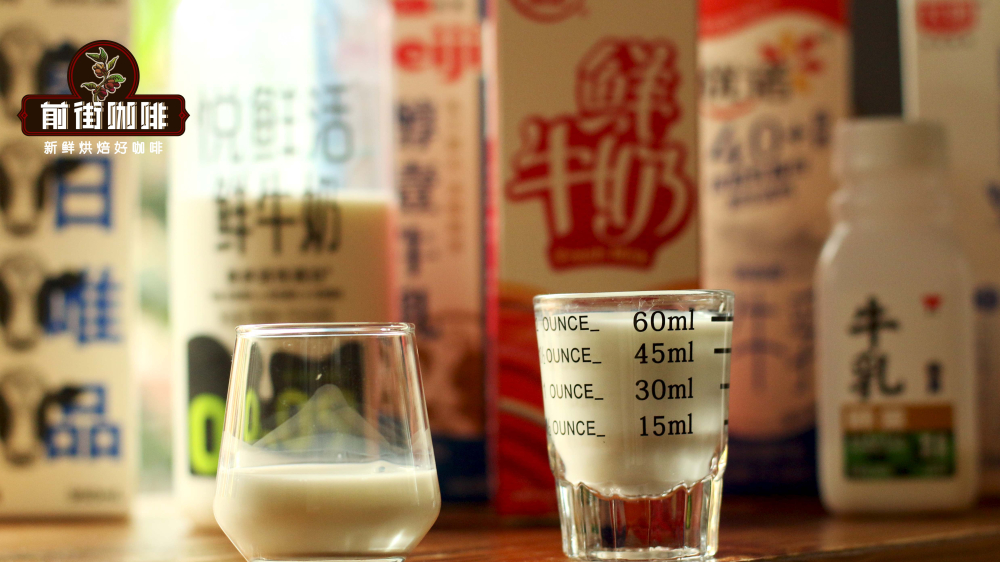
Making a latte is actually quite simple, with the main ingredients being espresso and milk. There is no strict standard for the ratio between the two, but a common range is approximately 1:5 to 1:8. For example, some shops use the golden ratio of 1:6, which means combining 40 grams of espresso liquid with 240 grams of milk to achieve a balance of flavor and texture.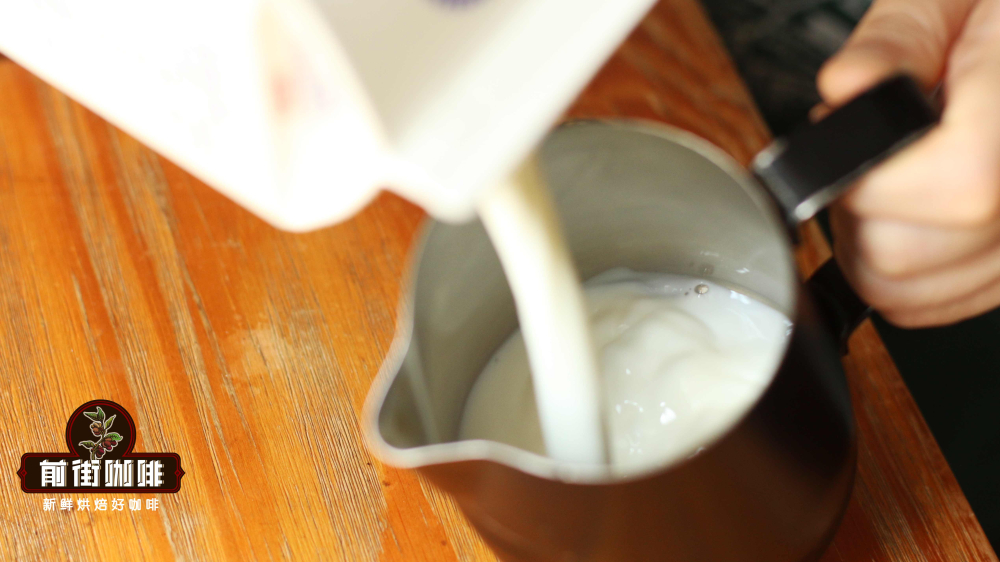
Espresso: The Soul of Coffee Beverages
Espresso is made by forcing hot water through finely ground coffee beans under high pressure, extracting a concentrated coffee liquid with a golden crema. Although it rarely appears alone on the menus of many coffee shops, espresso is actually the base for Americano, latte, cappuccino, and more. It can be considered the core of the entire coffee beverage world.
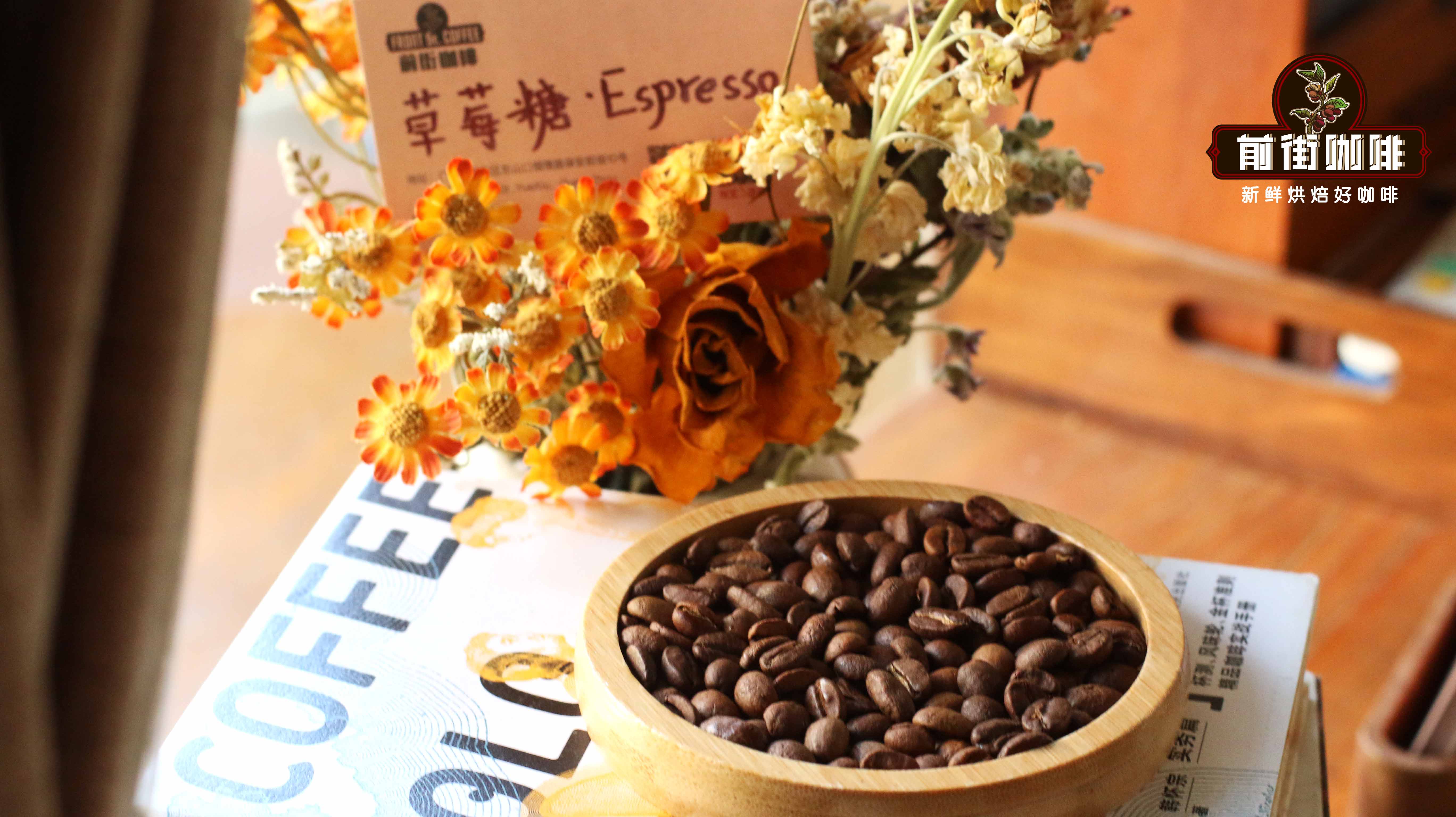
To brew a high-quality espresso, selecting the right coffee beans is crucial. If you prefer the aroma of roasted nuts and fried peanuts, you can choose a darker roasted blend; if you enjoy fresh floral notes and mildly acidic fruit flavors, opt for beans with bright acidity; for those seeking value, a basic blend is also a good choice.
The Making Process and Key Details of Hot Latte
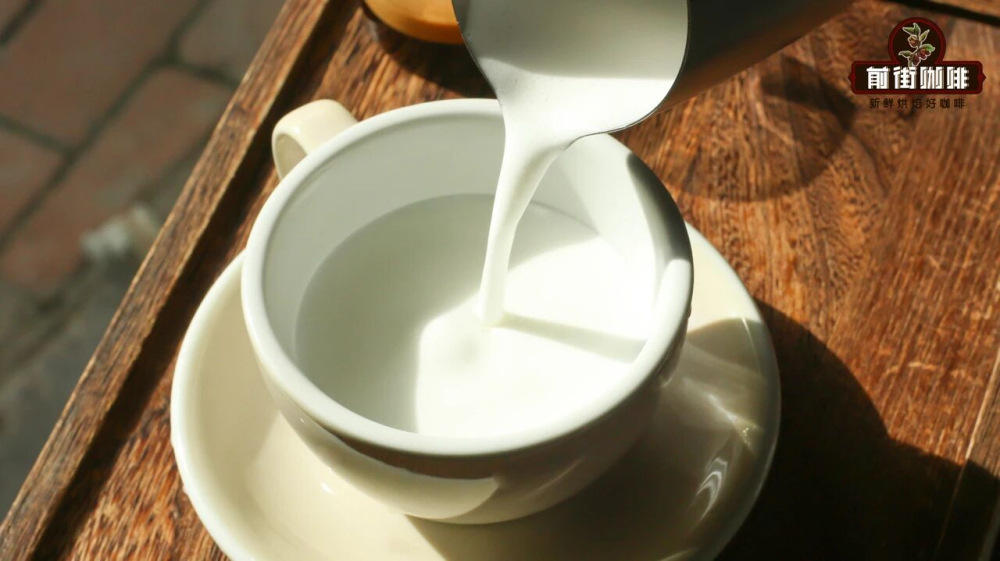
When making a hot latte, the general process is to first preheat the coffee cup, then pour an appropriate amount of espresso, followed by steaming milk with the machine's steam wand to a temperature of about 55-65°C to create a fine and moderately thick microfoam. Finally, the foam and coffee are evenly combined. While latte art is not essential, it often adds an extra touch of elegance to the drink.
A well-made hot latte typically presents a sweet aroma reminiscent of liqueur-filled chocolate, with a silky-smooth mouthfeel. On the other hand, the preparation of iced latte is slightly different, usually starting with ice cubes and a small amount of fresh milk, followed by pouring the extracted espresso. It is recommended to stir well before drinking to achieve a balanced flavor experience.
The Characteristics and Flavor Experience of Dirty Coffee
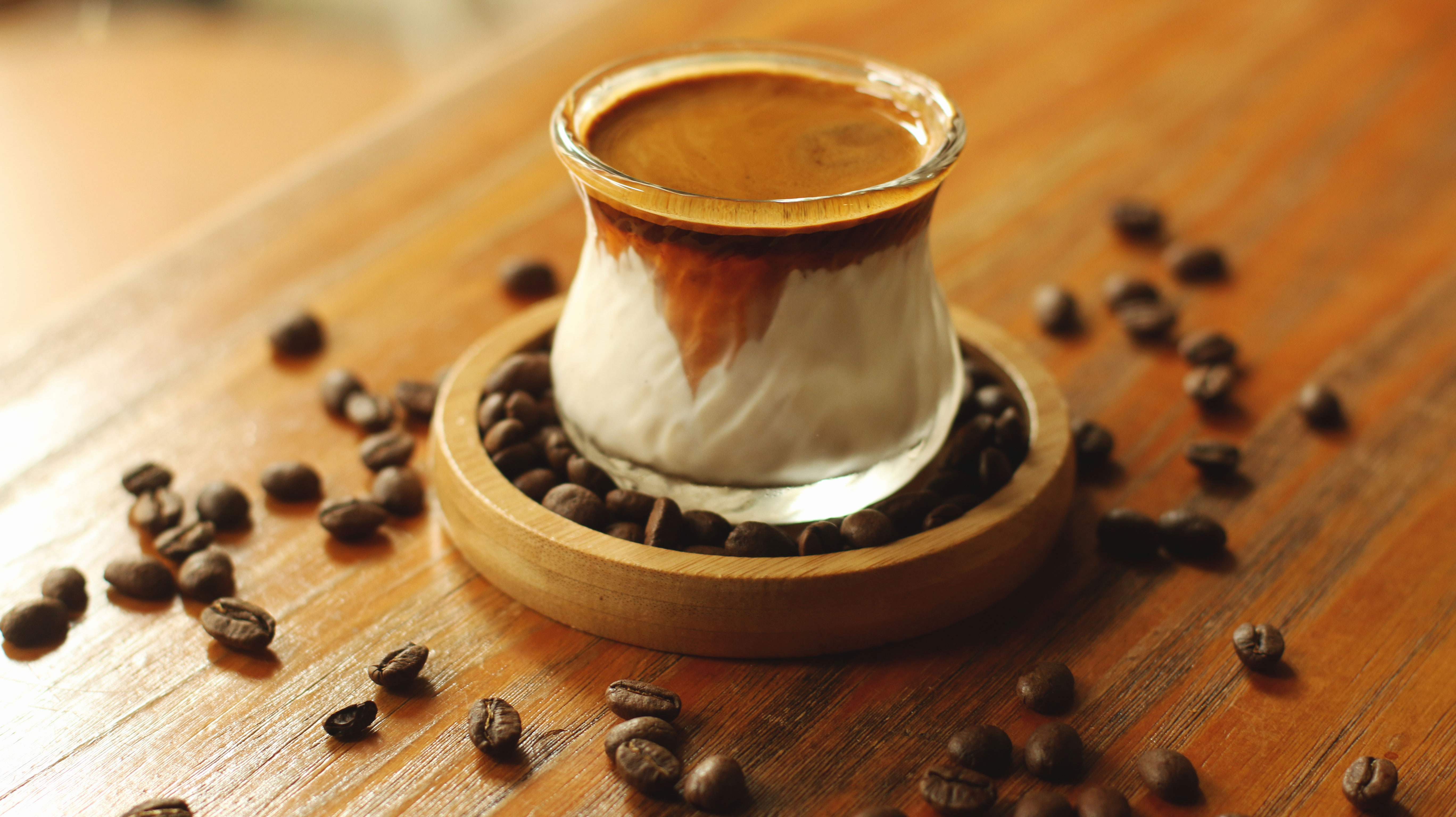
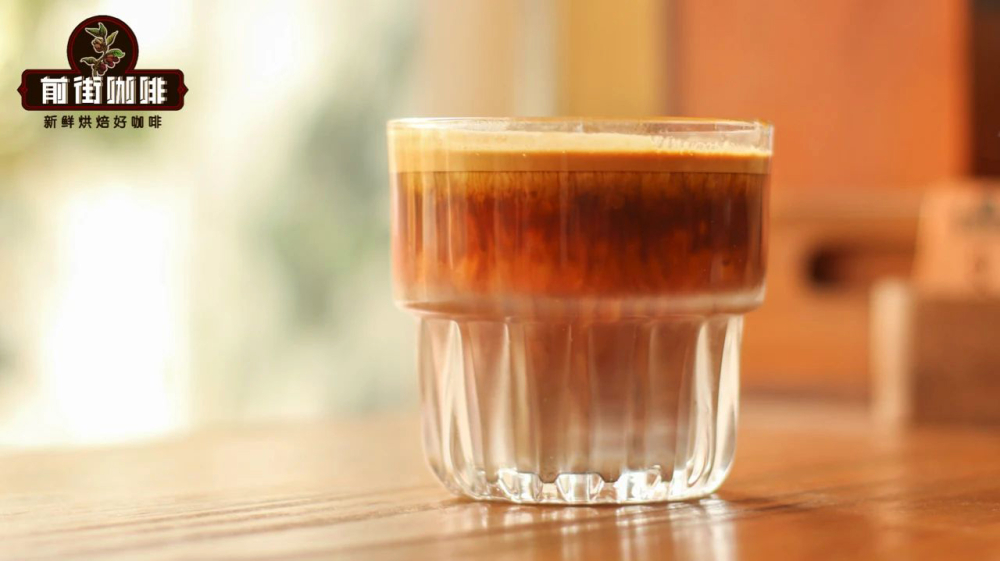
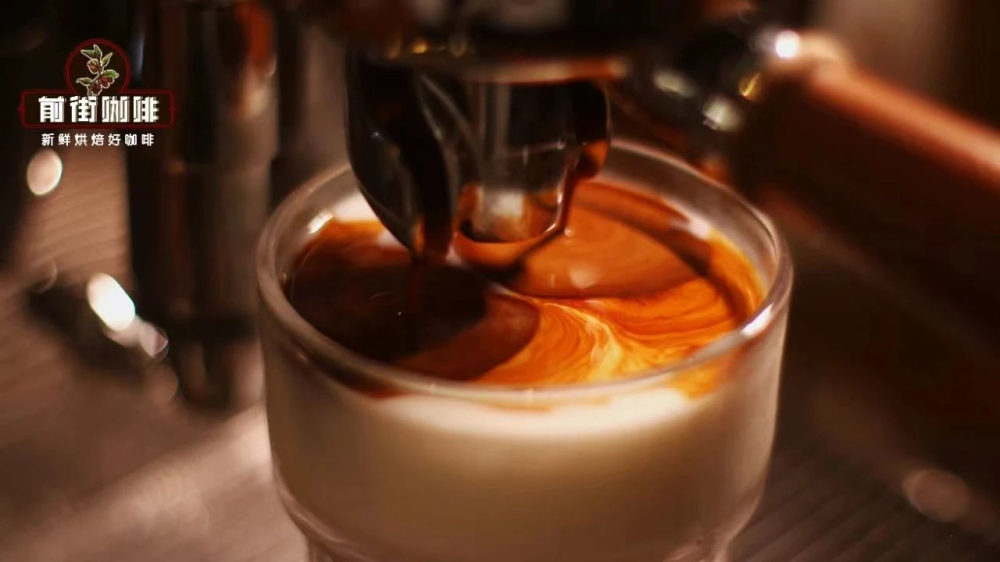
Dirty coffee, also known as "dirty coffee," is a type of coffee beverage that emphasizes visual and temperature contrast. Its distinctive feature lies in pouring hot espresso directly over iced milk, creating a striking layered effect that looks as though it has been "dirtied." Due to the temperature contrast between hot and cold, Dirty coffee is generally recommended to be consumed immediately, allowing you to fully experience the instant transition of the espresso from hot to cold, delivering a unique taste sensation.
Compared to iced latte, Dirty coffee usually has a smaller serving size, and because it is not stirred, the flavor changes more noticeably with each sip, making it highly suitable for coffee lovers who enjoy layered profiles and strong contrasting textures.
 ~
DIY Steps for Making Iced Latte and Dirty Coffee
Below is a detailed at-home preparation process for iced latte and Dirty coffee, organized for readers. By mastering the ratios and techniques, you can easily recreate café-quality beverages at home:
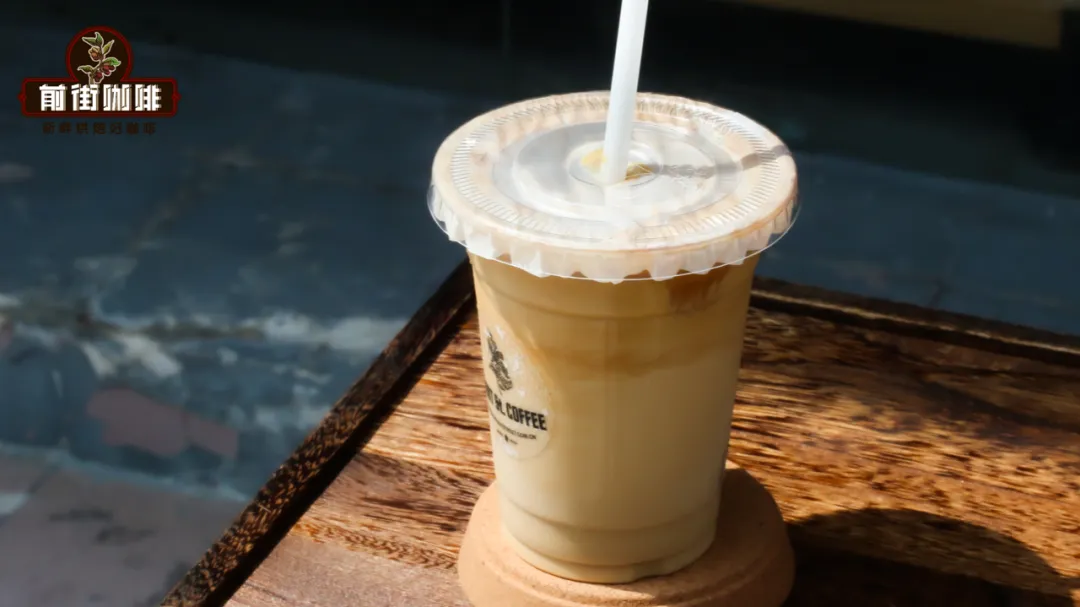
Iced Latte Preparation Steps:
1. Prepare a cup with a capacity of about 300ml.
2. Add about 80g of ice cubes, then pour in 170ml of fresh milk.
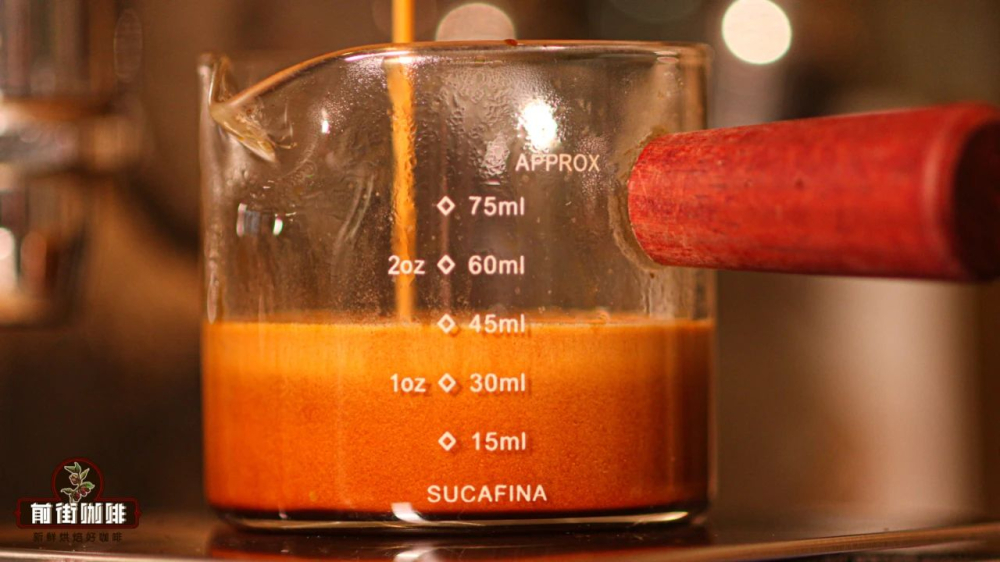
3. Grind about 20g of coffee beans using a suitable grinder, and extract 38ml of espresso liquid (values can be adjusted slightly based on equipment and bean condition).
4. Pour the espresso into the cup already containing ice cubes and milk.
5. Finally, gently stir to combine and enjoy.
Dirty Coffee Preparation Steps:
Preparation Stage: Chill the cup in advance to ensure the cup is cold.
1. Pour 180ml of iced milk into the chilled cup.
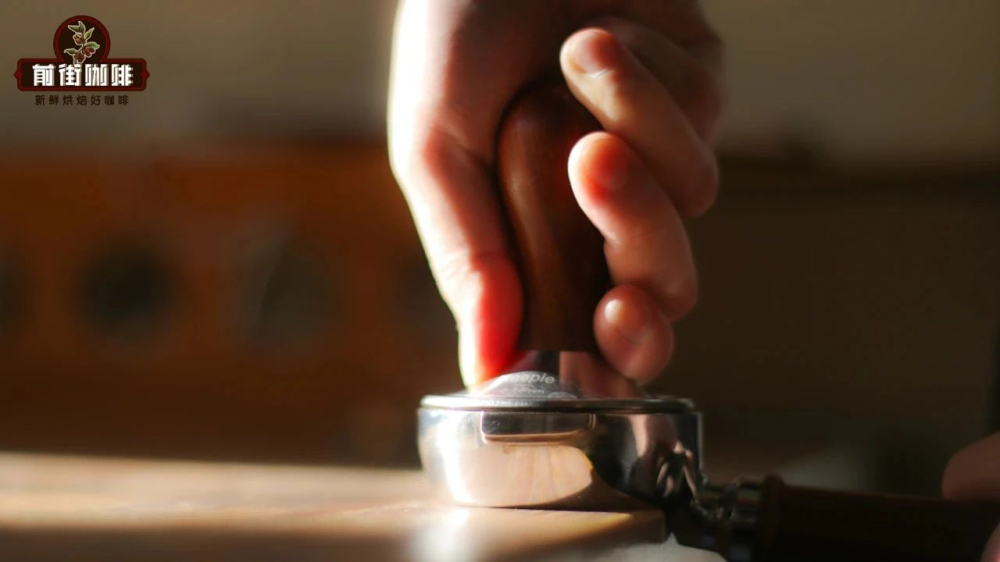
2. Grind the coffee beans and tamp them into the portafilter.
3. When extracting the espresso, place the cup under the group head, letting the hot espresso pour directly onto the surface of the iced milk to form a distinct layer.
4. After extraction, it is recommended to take a big sip to experience the hot-cold contrast between the espresso and iced milk.
The above content is compiled by CoffeeHunters, a coffee news website.


