







Introduction:Jamaica Blue Mountain coffee is renowned worldwide for its balanced flavor and rarity, yet the market is flooded with imitations. This article delves into the authentic definition of Blue Mountain coffee, its green bean grading system, and provides a detailed explanation of the unique flavor profile of No. 1 washed beans. It also offers practical tips for identification to help consumers avoid common pitfalls of counterfeit products, covering everything from grading and packaging to pricing to fully grasp the essentials of appreciating Blue Mountain coffee.
Coffee enthusiasts often ask whether the low-priced Blue Mountain coffee sold online is genuine. In reality, due to the international prestige of Blue Mountain coffee, counterfeit products abound on the market. Understanding how to distinguish real Blue Mountain coffee beans is the first step in appreciating this legendary brew.
What exactly is authentic Blue Mountain coffee?
True Blue Mountain coffee refers to coffee beans grown in the core area of Jamaica’s Blue Mountains. Its flavor is celebrated for the exquisite balance of acidity, sweetness, and bitterness, with a smooth and mellow mouthfeel that delivers an exceptionally comfortable drinking experience. The global renown of this coffee primarily stems from the rigorous quality control maintained during the 1970s and 1980s, coupled with aggressive promotion in the Japanese market, earning it the title "King of Coffee." In China, awareness of Blue Mountain coffee gradually increased after the reform and opening-up in the 1990s, when high-end hotels commonly served it to foreign guests before it became more widely available to general consumers.
The grading system and varieties of Blue Mountain coffee
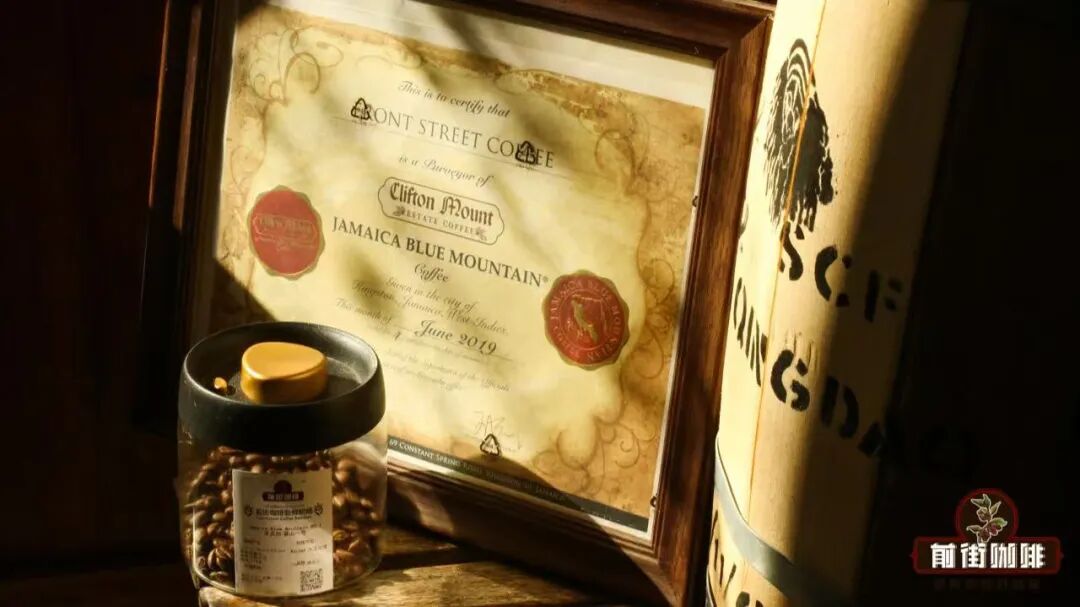
Many people mistakenly believe that Blue Mountain coffee refers only to No. 1 beans, but it actually includes four grades: No. 1, No. 2, No. 3, and peaberry. Among them,Blue Mountain No. 1 coffee beans are considered the highest grade and the best choice in terms of quality. This grading system reflects the size of the beans, defect rate, and overall quality, all of which have a significant impact on the stability and consistency of the coffee’s flavor.
Import and packaging forms of Blue Mountain coffee
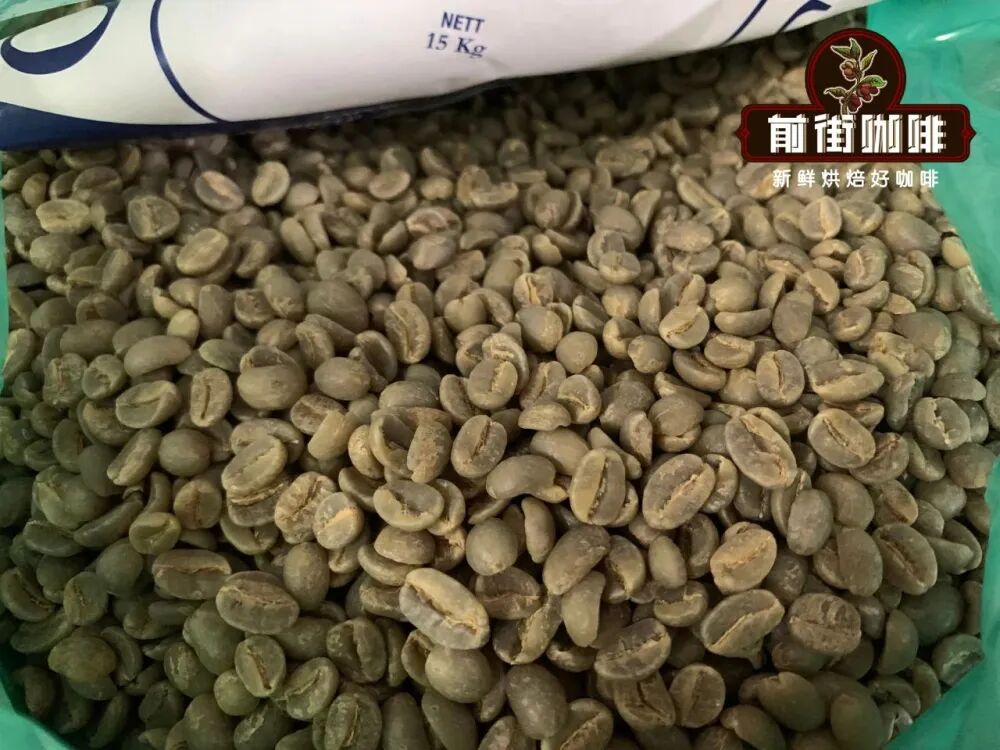
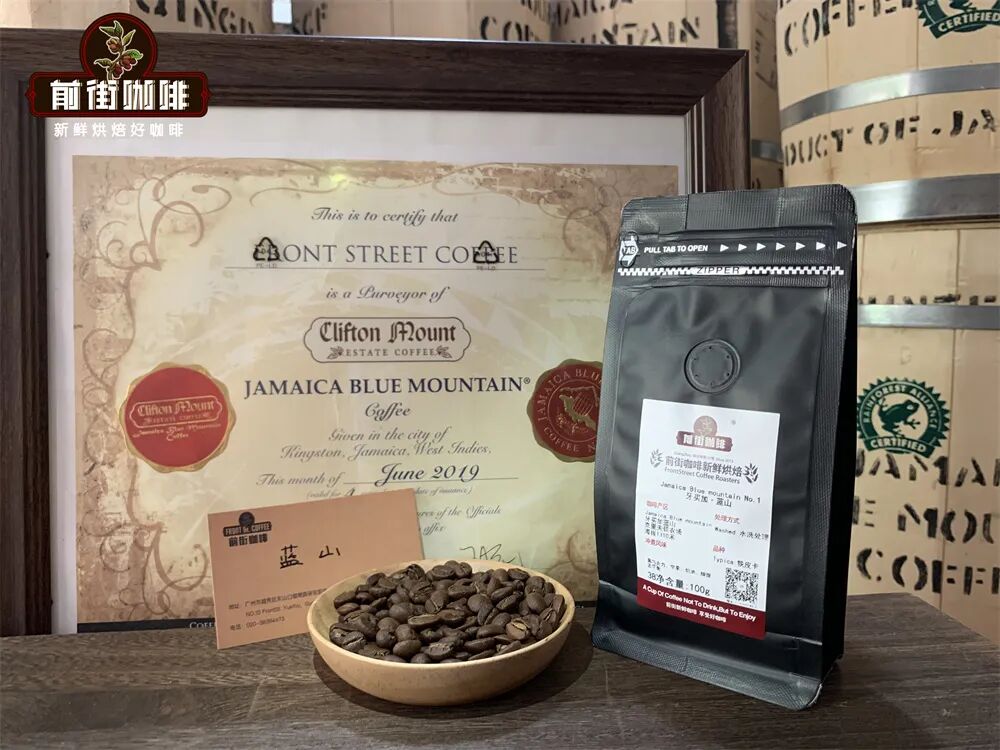
In the past, due to import restrictions, Blue Mountain coffee in the Chinese market was mainly introduced in small quantities via Hong Kong, Taiwan, and Japan, making it particularly precious. It wasn’t until 2010 that the Hangzhou Coffee and Western Food Industry Association signed a letter of intent with Jamaica to become the general agent for Blue Mountain coffee green beans in China. The following May, the first batch of Blue Mountain green beans was imported through Ningbo Port, marking the first time China officially had direct access to Blue Mountain coffee beans from Jamaica. Notably,authentic Blue Mountain coffee beans are always imported in original wooden barrels, with each barrel limited to 15 kg, 30 kg, or 70 kg. Some smaller coffee shops, due to limited purchasing quantities, may opt for shared orders, but this often makes it difficult to guarantee the authenticity of the bean source. Based on experience, directly purchasing a whole barrel and choosing No. 1 Blue Mountain beans from reputable farms (such as the Clifton Estate) is more reliable.
Market price trends of Blue Mountain coffee
In the early days, due to scarce quotas and additional markups by agents, Blue Mountain coffee prices remained very high. However, as import channels have gradually become more accessible and demand in the Chinese market has grown, prices have gradually returned to reasonable levels. When shopping, if you come across products priced significantly lower than market rates, it’s wise to be cautious.
Common types of fake Blue Mountain coffee
After understanding the characteristics of genuine products, it’s important to recognize common counterfeits on the market. The following types of products can almost certainly be deemed fake:
The first type is instant coffee labeled as "Blue Mountain." Since Blue Mountain coffee is only circulated as green beans or freshly ground, any instant product is not authentic.
The second type is coffee products labeled as "Blue Mountain flavor" or "Blue Mountain blend." These products usually do not use real Blue Mountain beans but instead simulate Blue Mountain flavor characteristics through dark roasting and blending with other coffee beans, having no actual connection to genuine Blue Mountain coffee.
The third type is products priced unreasonably low. For example, Blue Mountain coffee being sold at just a few dozen yuan per kilogram on the market—such prices are fundamentally inconsistent with the production and import costs of Blue Mountain coffee. Rationally judging the relationship between price and quality is an important principle for avoiding being deceived.
In summary, understanding the grading system of Blue Mountain coffee, familiarizing yourself with its flavor characteristics, and paying attention to the reasonableness of packaging and pricing are key to appreciating and selecting Blue Mountain coffee. Only by mastering these fundamentals can one truly enjoy the unique charm of this world-class coffee.
The above content is compiled by CoffeeHunters, a coffee news website.

