







Introduction:Jamaica Blue Mountain coffee is hailed as the "King of Coffee," but many people are left puzzled after their first taste: what makes it so special? This article delves into the origins, unique flavors, and reasons behind the high price of Blue Mountain coffee, while also offering practical tips to identify authentic Blue Mountain beans—helping you truly appreciate the legendary charm of this iconic coffee.
In the world of specialty coffee, the name "Blue Mountain coffee" is almost a legendary term every coffee enthusiast has heard of. However, when you actually hold a cup of Blue Mountain in your hands and take a careful sip, you might find yourself wondering: "Is it really that extraordinary?" In truth, the reason Blue Mountain coffee is revered as the "Emperor of Coffee" lies in its long history and rigorous quality control.
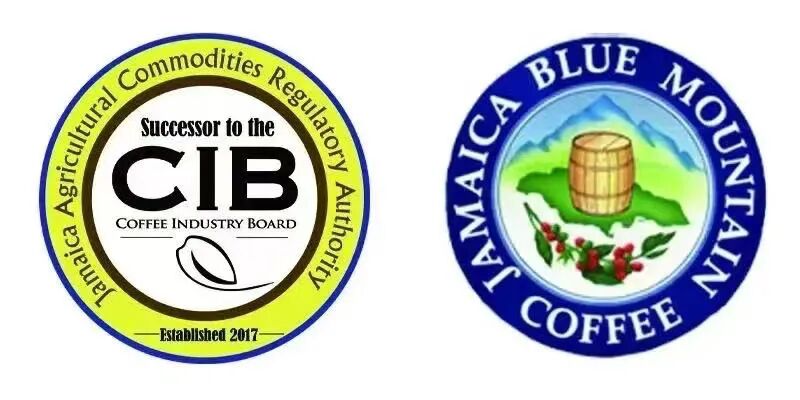
The cultivation history of Blue Mountain coffee dates back to 1728, when then-Jamaican Governor Nicholas Lawes introduced coffee seedlings and planted them in the Blue Mountains. However, it wasn’t until the 1950s that Blue Mountain coffee truly began to shine. Established in 1948, the Jamaica Coffee Industry Board was upgraded to the Jamaica Coffee Industry Council (CIB) in 1952. It started to systematically manage the nation’s coffee industry and implemented an extremely strict grading system specifically for Blue Mountain coffee.

The CIB’s grading standards encompass numerous metrics including bean size, appearance uniformity, color, defect rate, and moisture content to ensure each batch of Blue Mountain coffee meets high-quality criteria. More uniquely, the CIB also designates certain areas within the Blue Mountain range—where cupping results reveal the most exceptional flavors—as the official origin of "true" Blue Mountain coffee. Only beans from these designated regions can bear the "Blue Mountain coffee" label. Products from other areas can only be sold as "Jamaica High Mountain Coffee" or "Jamaica Prime Coffee."
Beyond geographic restrictions, Blue Mountain coffee is also meticulous about variety and processing methods. The growing region insists on cultivating the Arabica Typica variety, which yields lower output but delivers superior flavor performance. Additionally, the washed processing method is used to reduce defect rates and enhance overall flavor purity. These stringent controls allowed Blue Mountain coffee to stand out even before the concept of specialty coffee became widespread, becoming one of the top-tier coffees in the market.
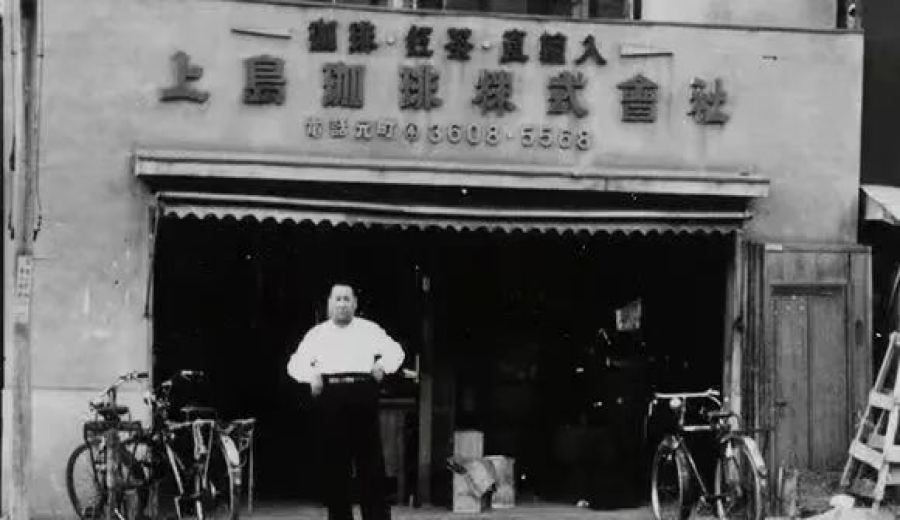
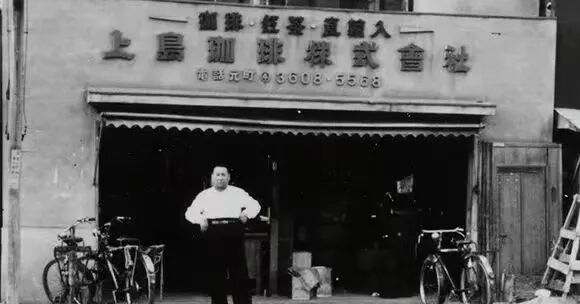
However, the story of how Blue Mountain coffee reached the global stage is closely tied to Japan. In the 1970s, Jamaica was hit hard by Hurricane Gilbert, nearly collapsing its coffee industry. With financial aid from Japanese trading companies, the industry gradually recovered. To show gratitude for Japan’s support, the Jamaican government signed an agreement with Japan in 1972, stipulating that over 90% of Blue Mountain coffee production for the next 30 years would be prioritized for the Japanese market, with the remainder allocated to other countries. Due to its limited supply, combined with Japan’s exclusive access and successful marketing, Blue Mountain coffee quickly became a symbol of premium excellence in the global coffee market, with both price and prestige soaring to new heights.
To this day, although Blue Mountain coffee is no longer exclusively controlled by Japan and its supply has slightly increased, its rarity and high quality remain unchanged. So, what is it about Blue Mountain coffee that makes people willing to pay such a high price? The answer lies in its exceptional terroir and rigorous planting and post-harvest processes.
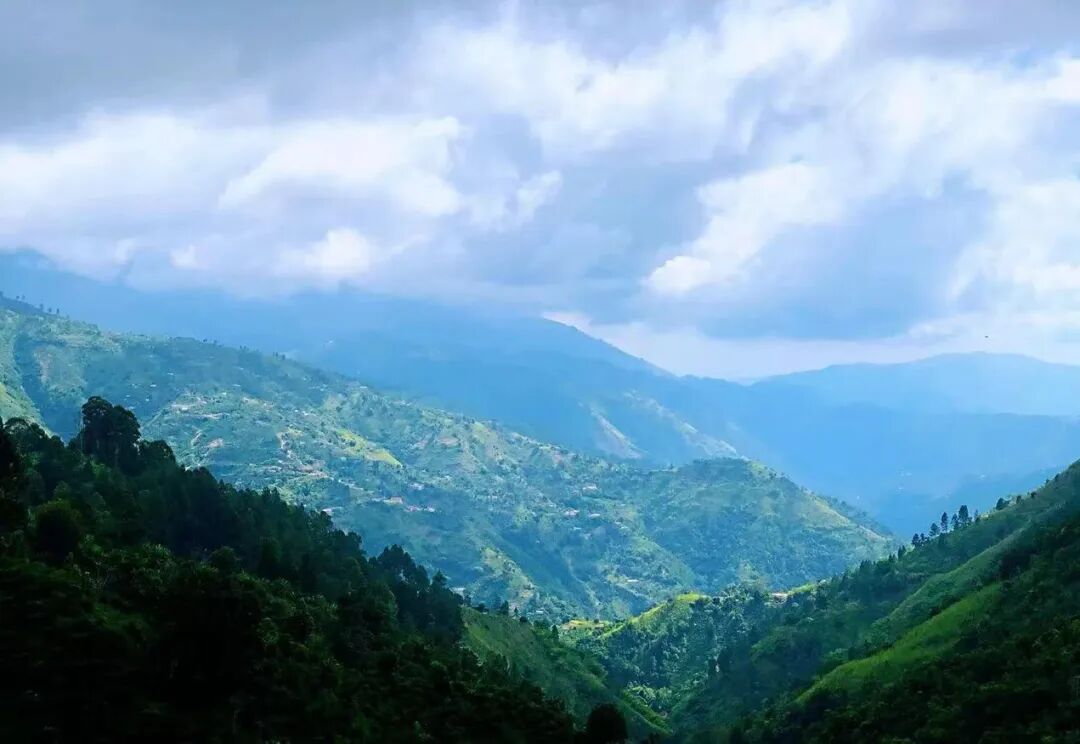
The growing area of Blue Mountain coffee is located in the Blue Mountains of Jamaica. This region not only lies within the globally renowned "coffee golden belt" but also boasts fertile volcanic soil that provides rich nutrients for coffee trees. More importantly, the Blue Mountains feature a rare island-type climate, with mild temperatures year-round, high humidity, frequent rainfall, and persistent cloud cover. This environment helps coffee cherries mature slowly, allowing them to accumulate more complex flavor compounds. Compared to other continental growing regions at similar altitudes, Blue Mountain coffee demonstrates superior flavor performance under these unique microclimatic conditions.
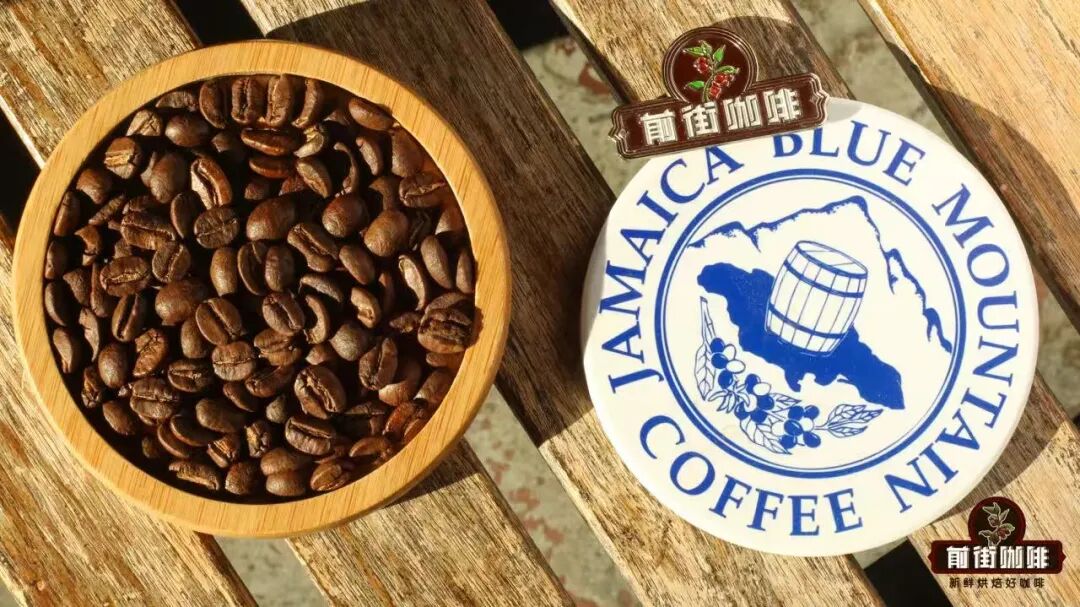
Within such an exceptional environment, coupled with the CIB’s strict quality control, Blue Mountain coffee has developed three hallmark characteristics: extremely balanced flavor, exceptionally smooth mouthfeel, and a uniquely delicate aroma. These traits ensure that upon tasting, the interplay of acidity, sweetness, bitterness, and umami is perfectly harmonious; the mid-palate reveals layers of dark chocolate, nuts, and cream—rich yet gentle; the finish lingers long, with even a faint trace of refreshing aroma that’s hard to detect, delivering an overall drinking experience that’s exceptionally comfortable.
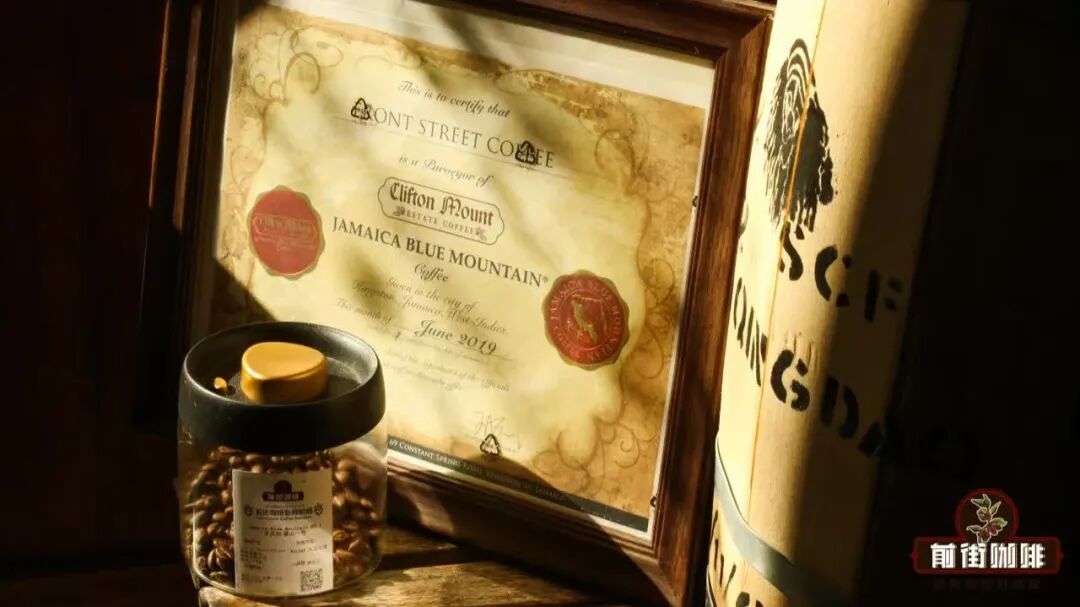
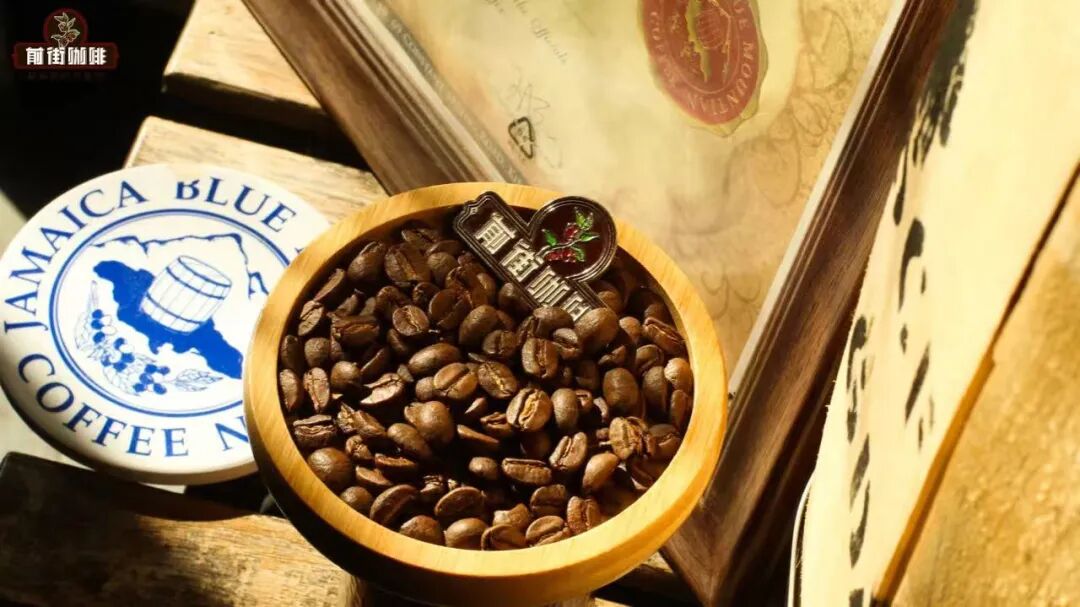
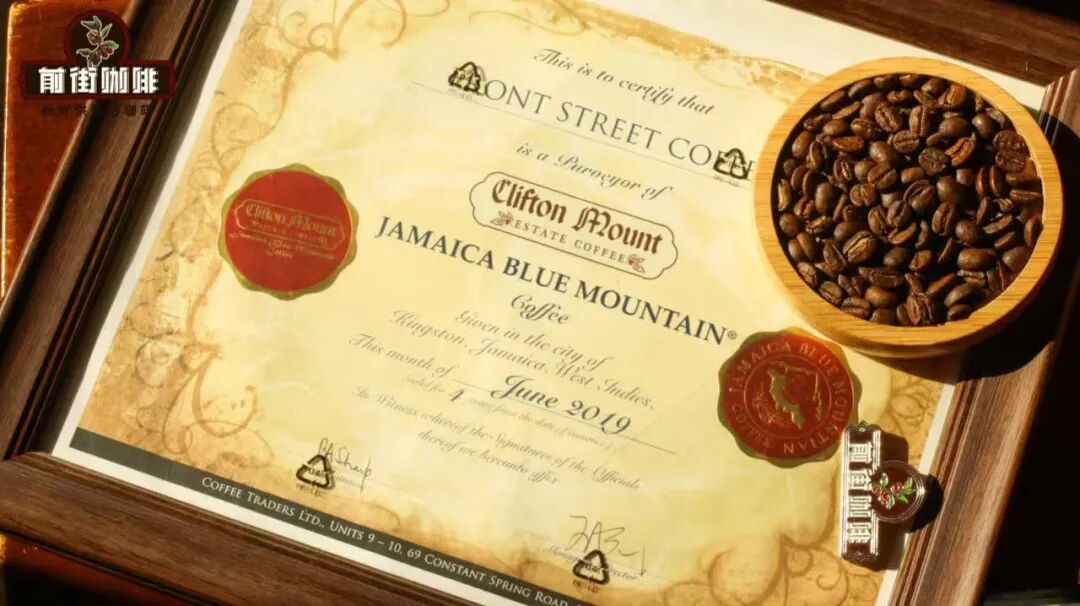
If you wish to personally experience the charm of authentic Blue Mountain coffee, consider trying the Jamaica Blue Mountain No. 1 beans from the Clifton Estate in Jamaica. This estate is not only one of the earliest coffee-growing locations in Jamaica but also the only Blue Mountain coffee producer in the region certified by the Rainforest Alliance. Its export packaging even features the iconic Rainforest Alliance tree frog emblem, symbolizing environmental sustainability and guaranteed quality.
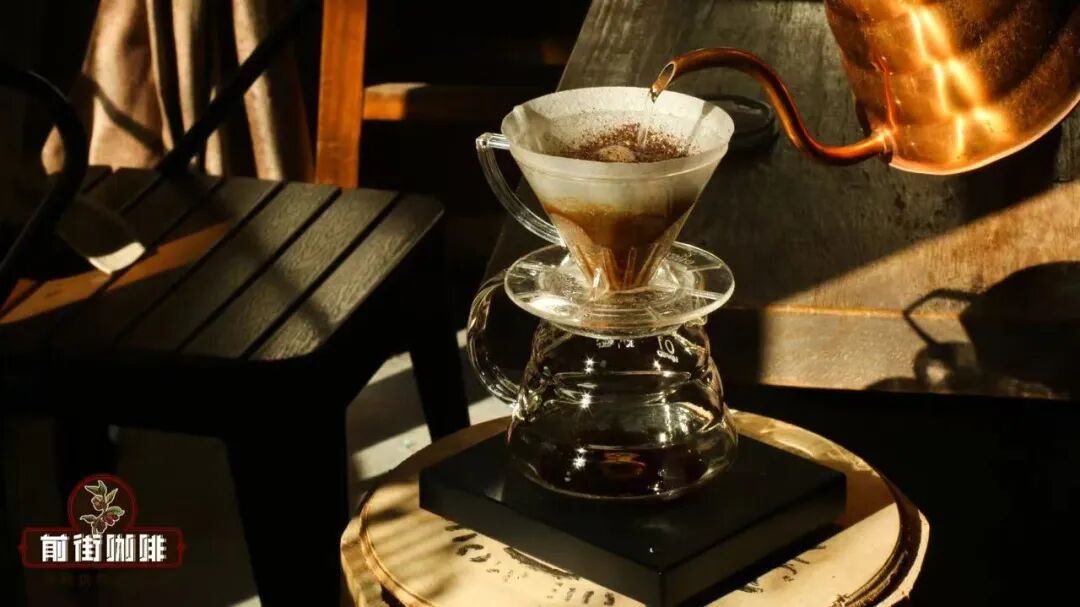
Take this Jamaica Blue Mountain No. 1 as an example: it is grown at an altitude of approximately 1,300 meters, processed using the traditional washed method, and classified as Grade NO.1, with the Typica variety. Recommended brewing parameters are: 15 grams of coffee grounds, a 1:15 coffee-to-water ratio, water temperature around 90°C, grind size equivalent to 75% passing through a #20 sieve, using a Kono filter for a three-stage extraction, with total brew time controlled to around 2 minutes. This brewing method fully highlights the delicate flavors and rich body of Blue Mountain coffee.
In summary, the high price of Blue Mountain coffee is not solely due to its limited production, but also stems from its rigorous cultivation management, exceptional geographical environment, and centuries-long commitment to high-quality standards. For coffee enthusiasts, tasting Blue Mountain coffee is not just a sensory delight but also a deep immersion into coffee culture and the spirit of its origin. If you’ve ever been curious about the fame of Blue Mountain coffee, why not try it for yourself and experience the true charm of this legendary brew.

The above content is compiled by CoffeeHunters, a coffee news website.

