








Introduction:Pouch coffee combines the convenience of pour over with the flavor of freshly ground coffee, making it a top choice for many busy coffee lovers. But do you know the correct brewing method and common mistakes? This article delves into the origins of pouch coffee, optimal brewing parameters, how to distinguish authentic Jamaican Blue Mountain pouch coffee from fakes, how to avoid common brewing pitfalls, as well as expert-recommended shelf life and storage tips, ensuring you get the best flavor every time you brew.
Thanks to its simplicity and flavor profile close to that of pour over, pouch coffee has gained popularity among more and more coffee enthusiasts in recent years. However, beginners often encounter issues such as subpar flavor after brewing, or even confusion between pouch coffee, instant coffee, and pour over. This piece will take you through the brewing method, proper techniques, and common mistakes of pouch coffee, helping you fully unlock the potential of every pack.
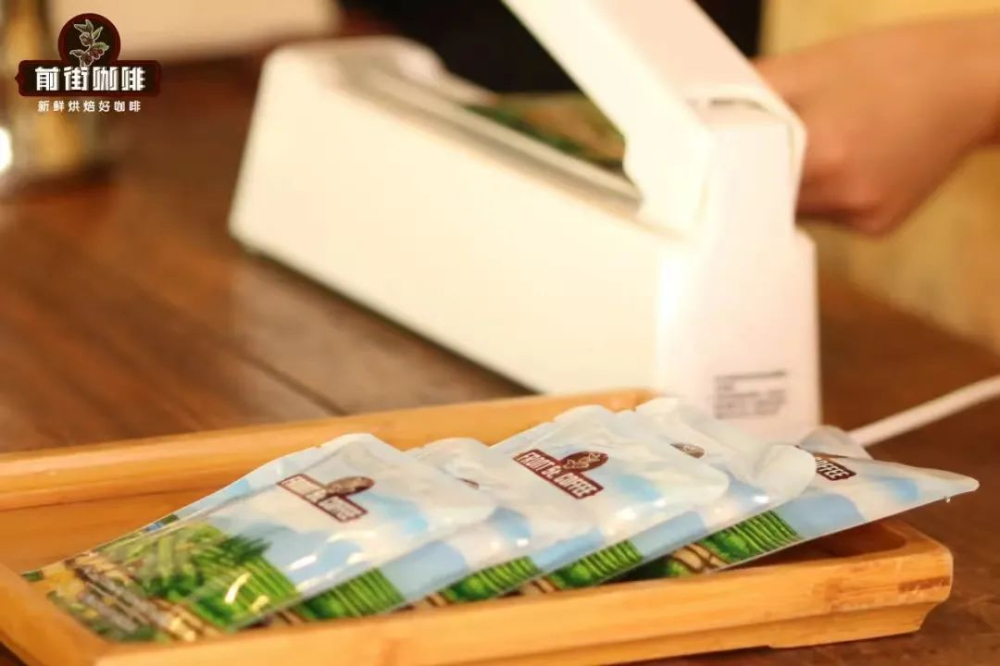
Pouch coffee originated in Japan in 1990, when Yamashina Sangyo Co., Ltd. first applied the teabag concept to coffee, creating an early version of filter-pouch coffee and applying for a patent. However, the initial design couldn’t stably support the weight of the coffee grounds, often losing balance during brewing and thus failing to commercialize successfully. It wasn’t until 1998 that Daiki Shoji improved the design by extending the pouch ears outward, resulting in the familiar pouch format we know today.
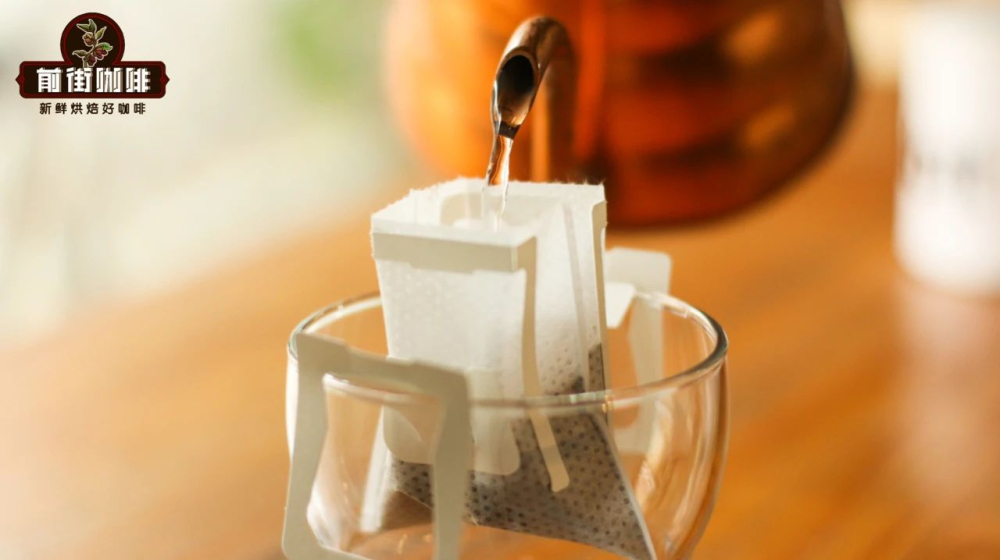
This innovation perfectly responded to the faster pace of life in Japan at the time. Many office workers had no time for the cumbersome steps of pour over but didn’t want to sacrifice coffee quality—hence the convenient pouch coffee was born. To this day, pouch coffee remains a top choice for many busy urbanites, saving time while still delivering the single-origin coffee flavors akin to pour over.
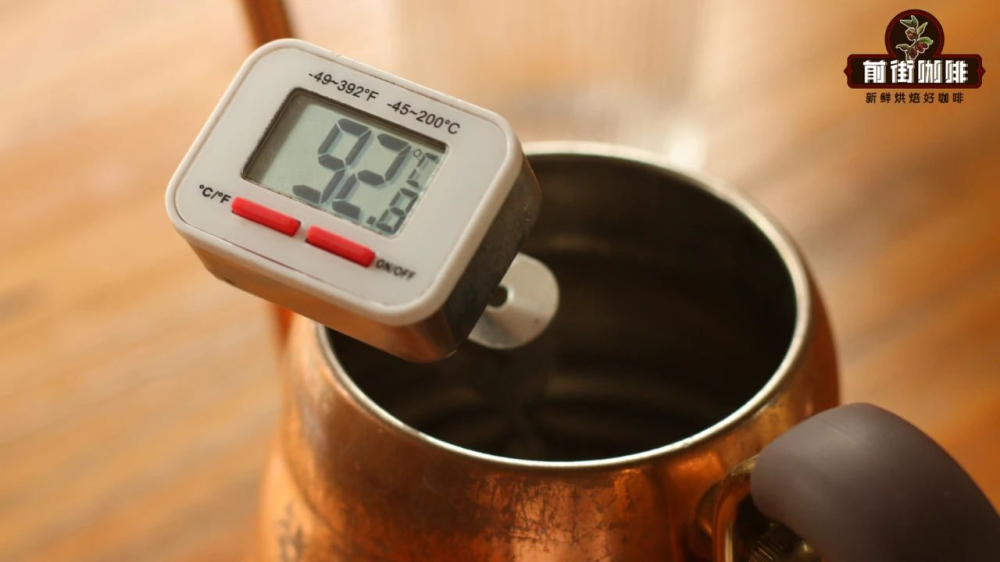
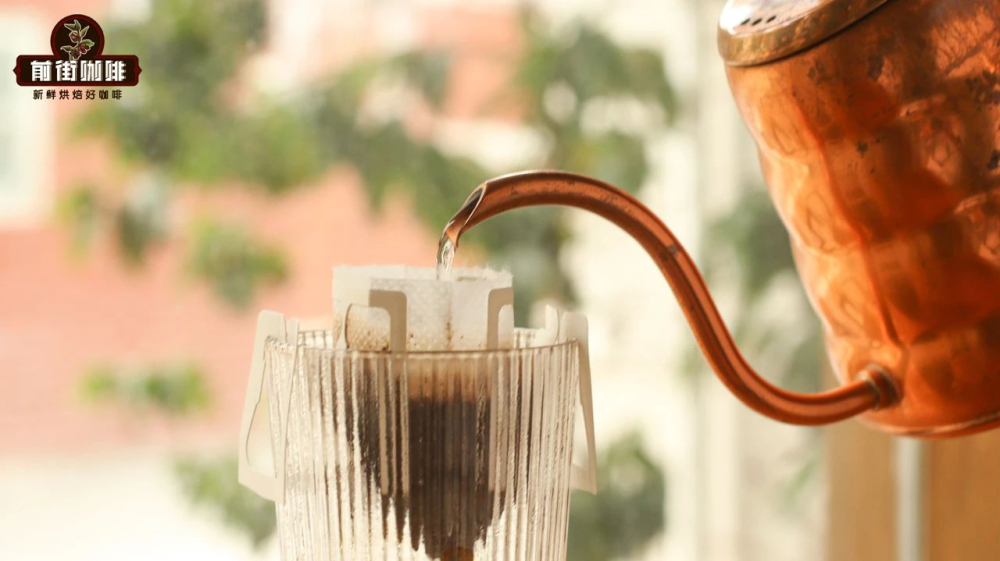
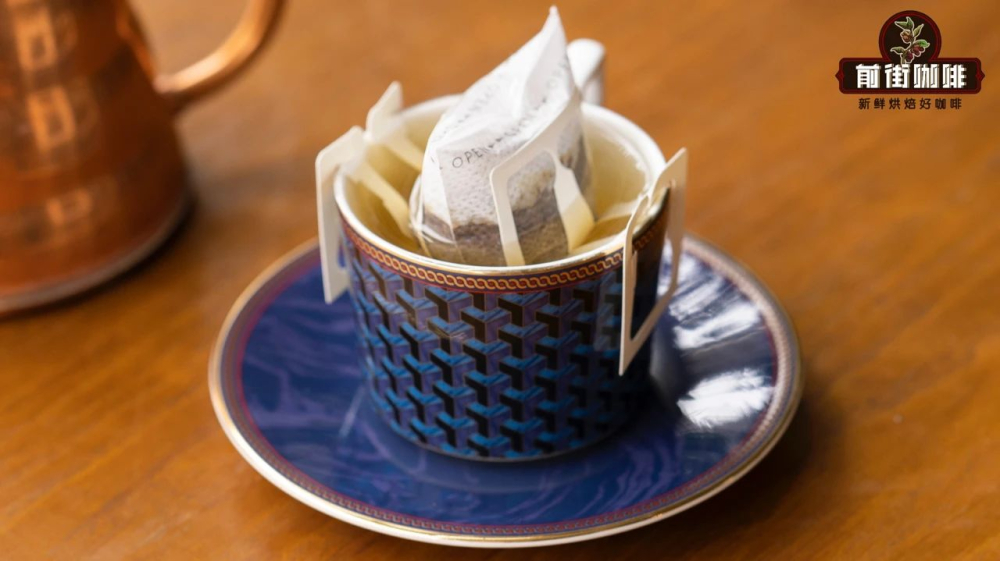
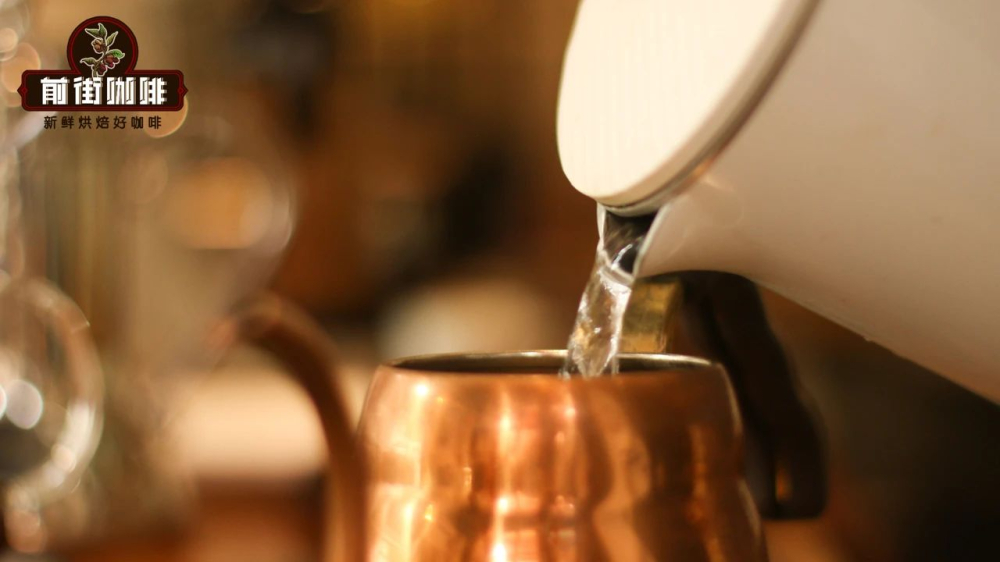
The correct steps for brewing pouch coffee are actually not complicated, but each stage affects the final flavor. First is preheating the cup—it’s recommended to warm your cup with hot water before brewing, which helps reduce temperature loss when pouring in the coffee and enhances the layered flavor profile. Next is controlling the water temperature, with the ideal range being 90–99°C. If you find the coffee too bitter, slightly lower the temperature; if the flavor is too light, you can moderately increase it, though it’s still best to stay within 90–95°C for optimal extraction.
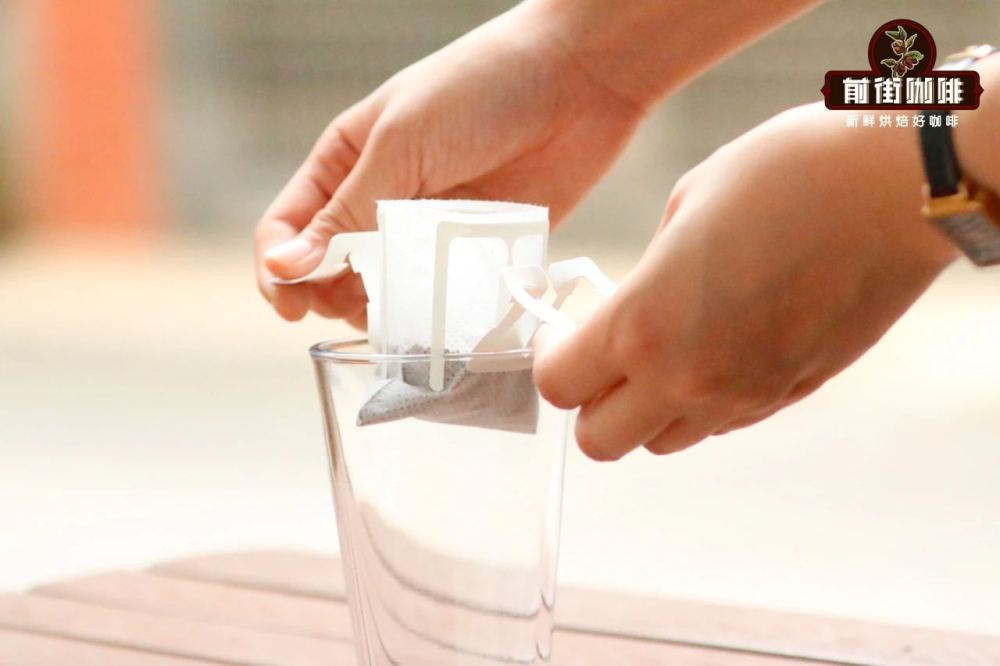
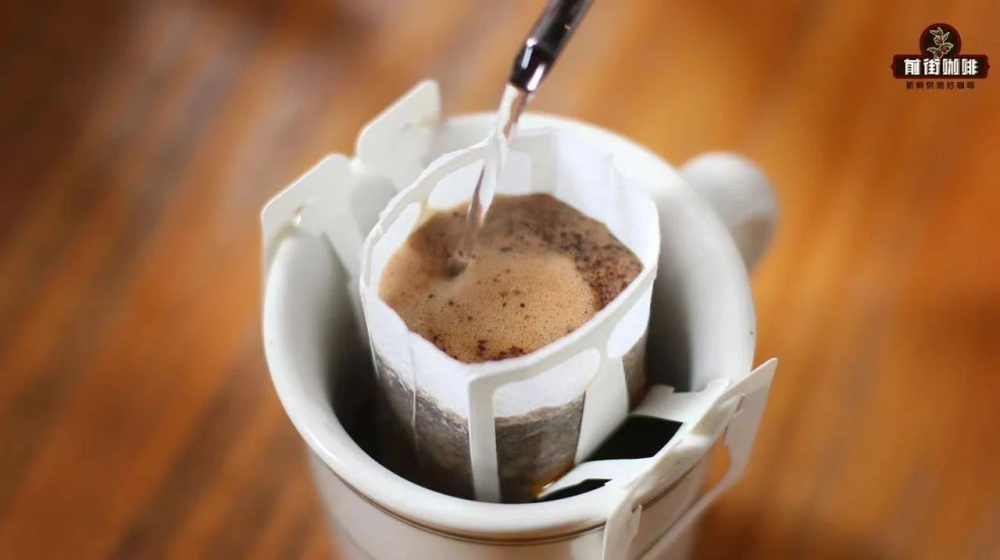
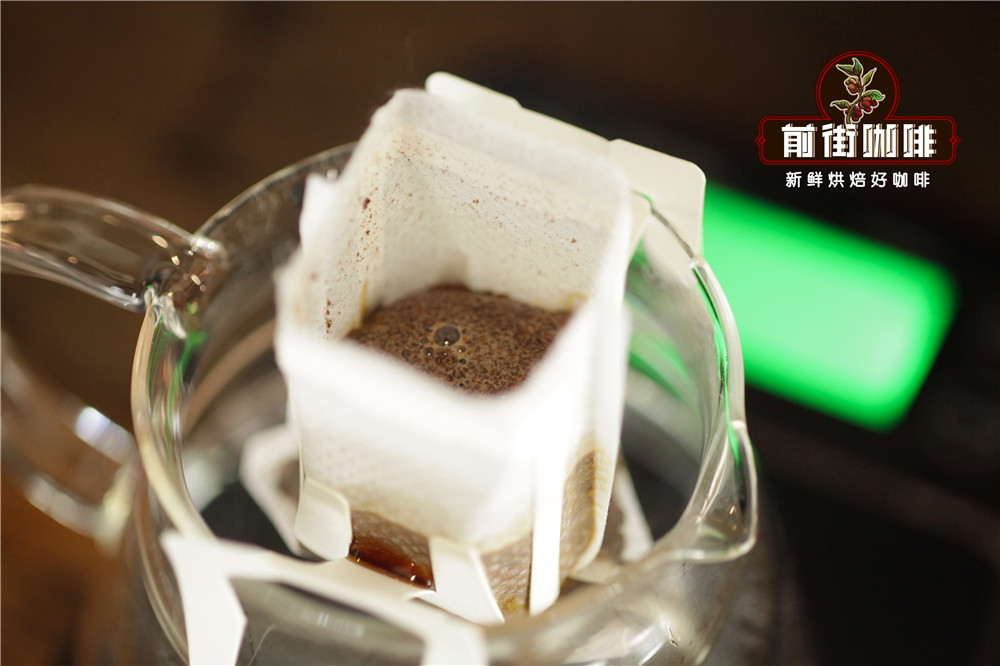
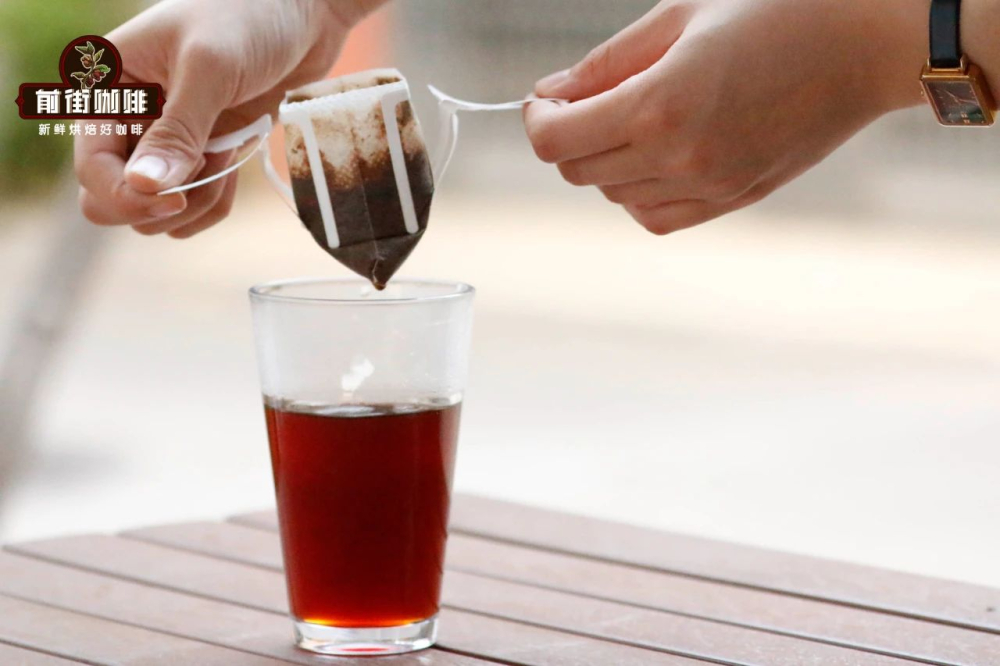
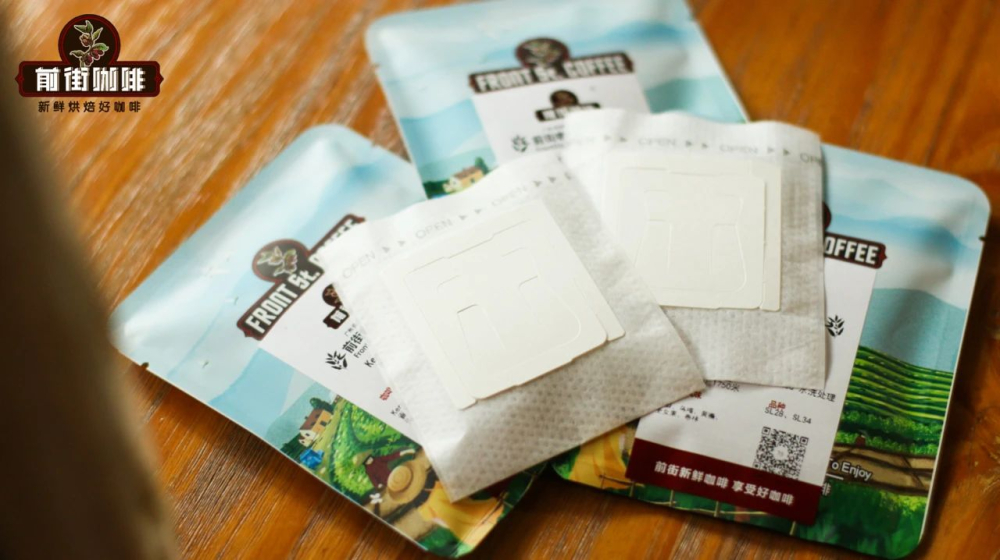
When hanging the pouch on the cup rim, remember to gently shake the pouch first to let the coffee grounds settle evenly, preventing powder from spilling when you tear it open. The pre-wetting step is key—one initial pour should just saturate all the coffee grounds. Let it sit for about 20 seconds for a full bloom, and this time can be extended to 40 seconds for a richer taste. Then continue pouring until the filter is about 80% full. Use a thin, steady stream of water, keeping the total brew volume between 150–180cc; too much or too little can affect the flavor balance.
However, many people make common mistakes when brewing at home, such as using too much or too little water. The recommended ratio is 10g of coffee grounds to 150–180cc of water—excess can dilute the flavor. Also, never leave the pouch soaking in water for too long, as this leads to over-extraction, releasing excessive caffeine and unwanted impurities, resulting in bitterness or off-flavors. Aim to finish brewing within 4 minutes. Additionally, water that’s too cool leads to under-extraction; use hot water that’s been left to sit for 1–2 minutes after boiling. Most importantly, pouch coffee is only meant for a single brew—reusing it significantly reduces flavor and quality.
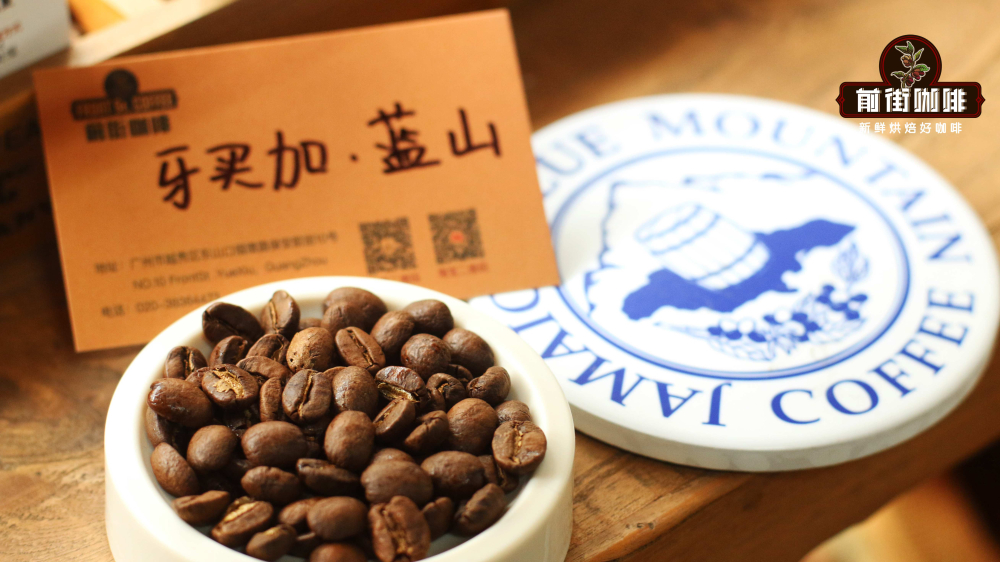
Speaking of Jamaican Blue Mountain coffee, many wonder if it’s also available in pouch form. Indeed, pouch coffee made from genuine beans sourced from the Jamaican Blue Mountain region can preserve its distinctive mild acidity and balanced flavor. But those sold at suspiciously low prices are mostly imitations, so buyers should be cautious. Moreover, since pouch coffee is already ground, its shelf life for preserving flavor is noticeably shorter than whole beans. It’s recommended to consume it within two weeks of opening to fully enjoy its optimal flavor.
The reason pouch coffee has a shorter optimal flavor period is mainly due to the greatly increased surface area of the coffee grounds, which accelerates oxidation upon contact with air. Even with sealed packaging, the coffee’s aroma will noticeably fade after two weeks. While vacuum packaging helps delay oxidation, it can’t completely prevent aroma loss. Thus, it’s advised to consume pouch coffee soon after receiving it, especially for users with higher flavor expectations. Additionally, the degassing valve on the packaging releases carbon dioxide produced during roasting, but squeezing the valve to sniff the aroma may speed up aroma dissipation, thereby shortening the best-before period.
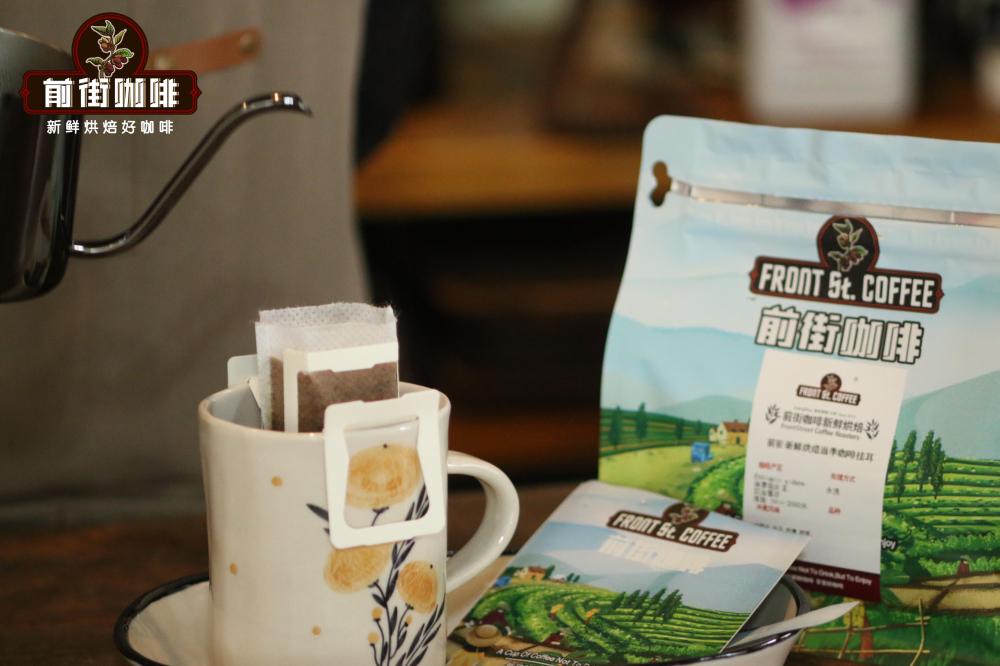
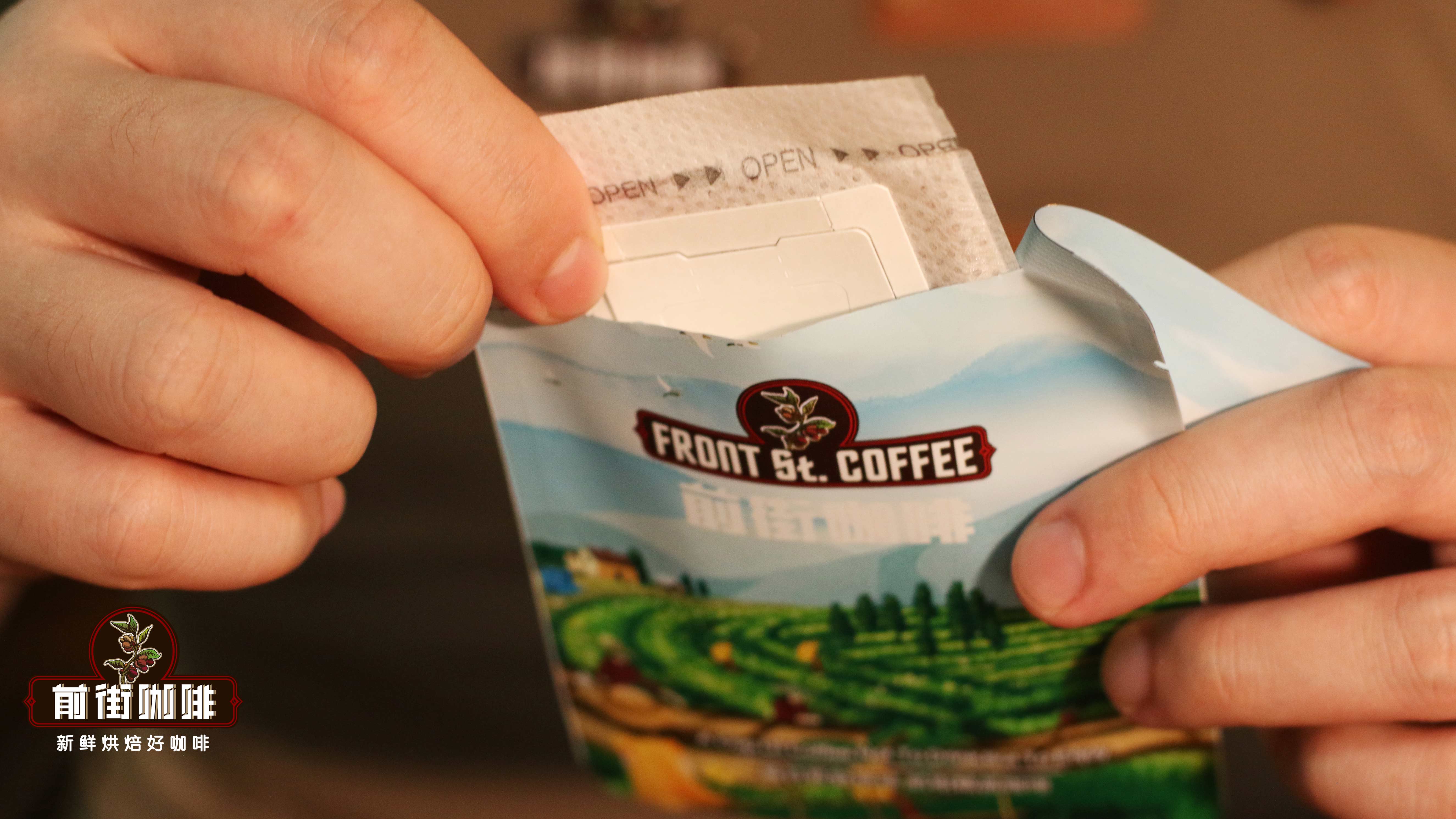
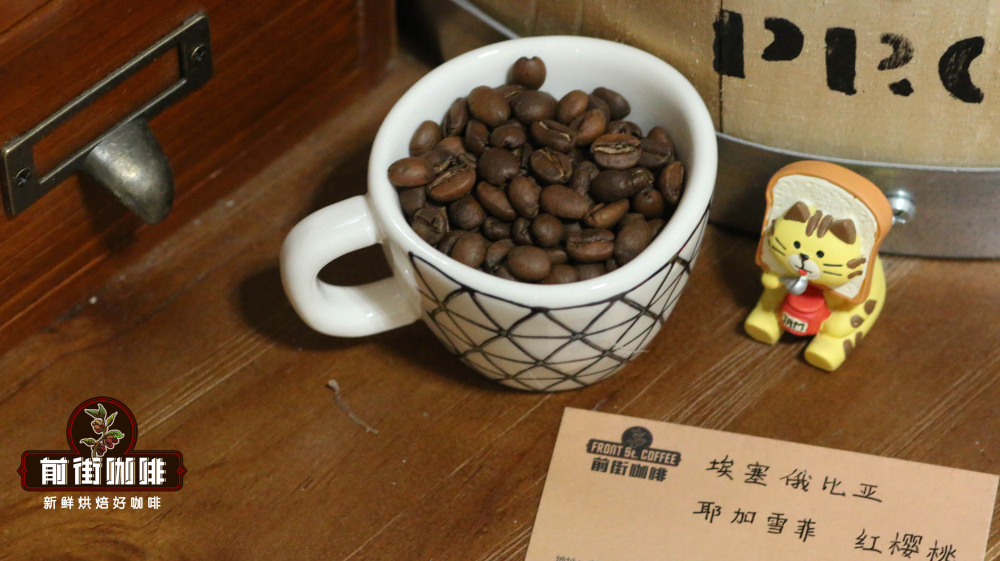
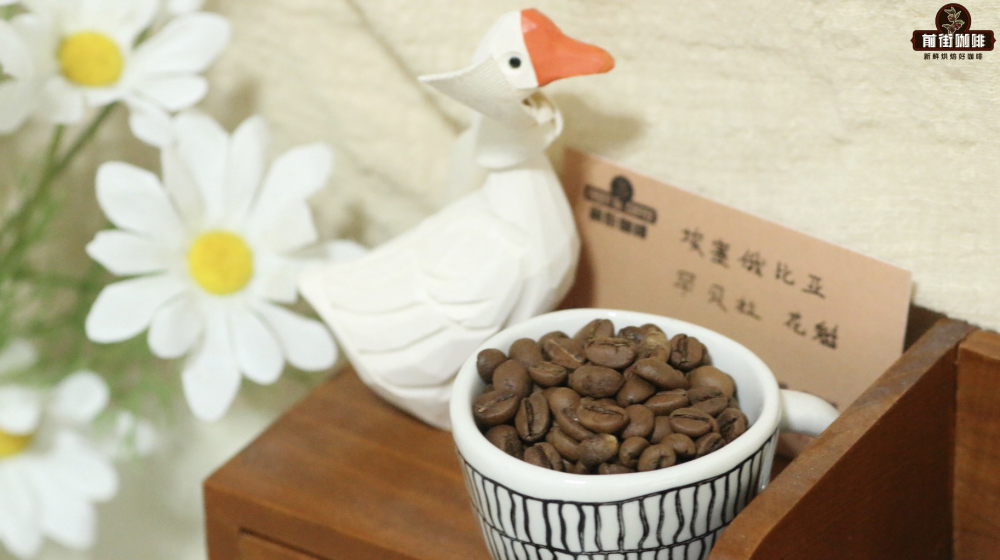
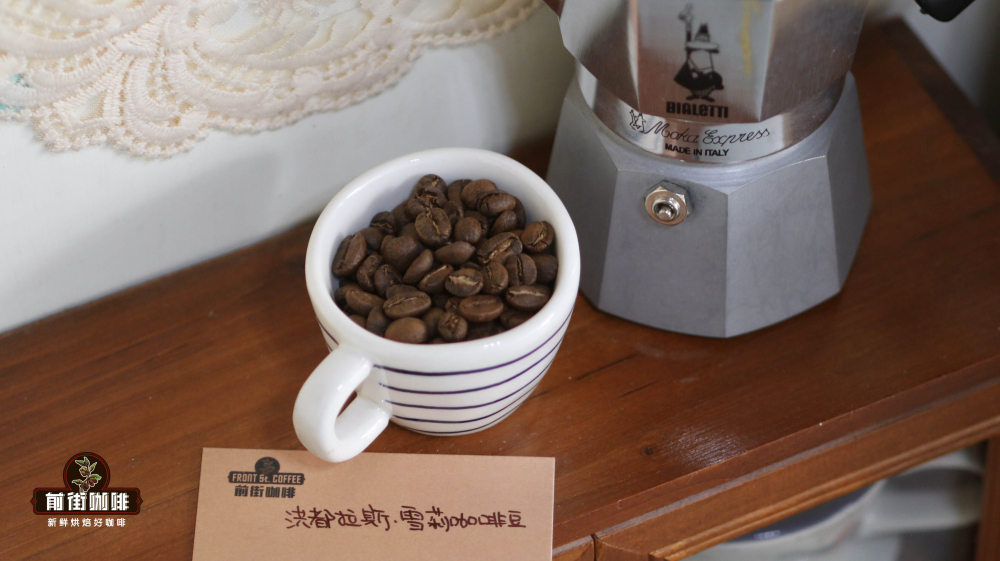
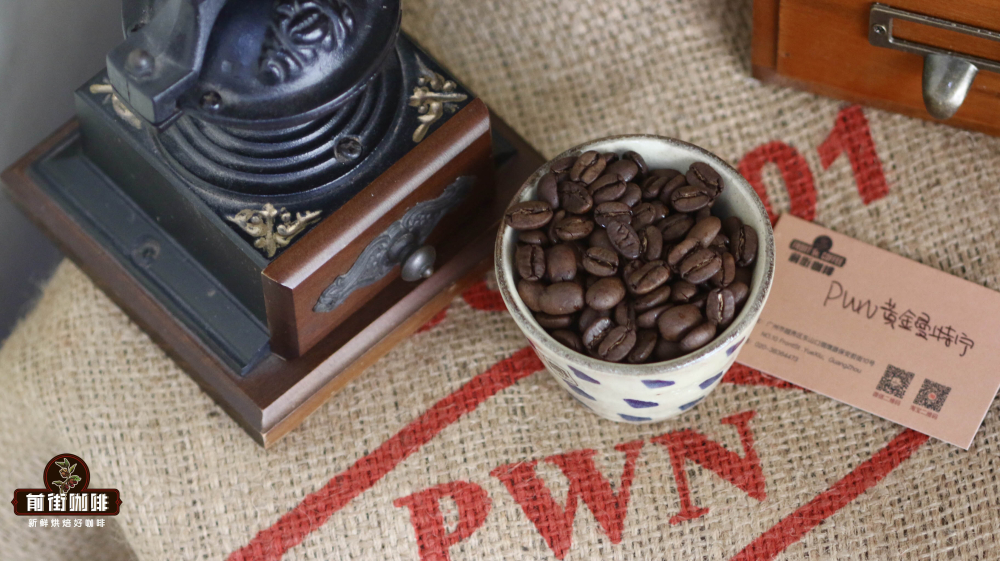
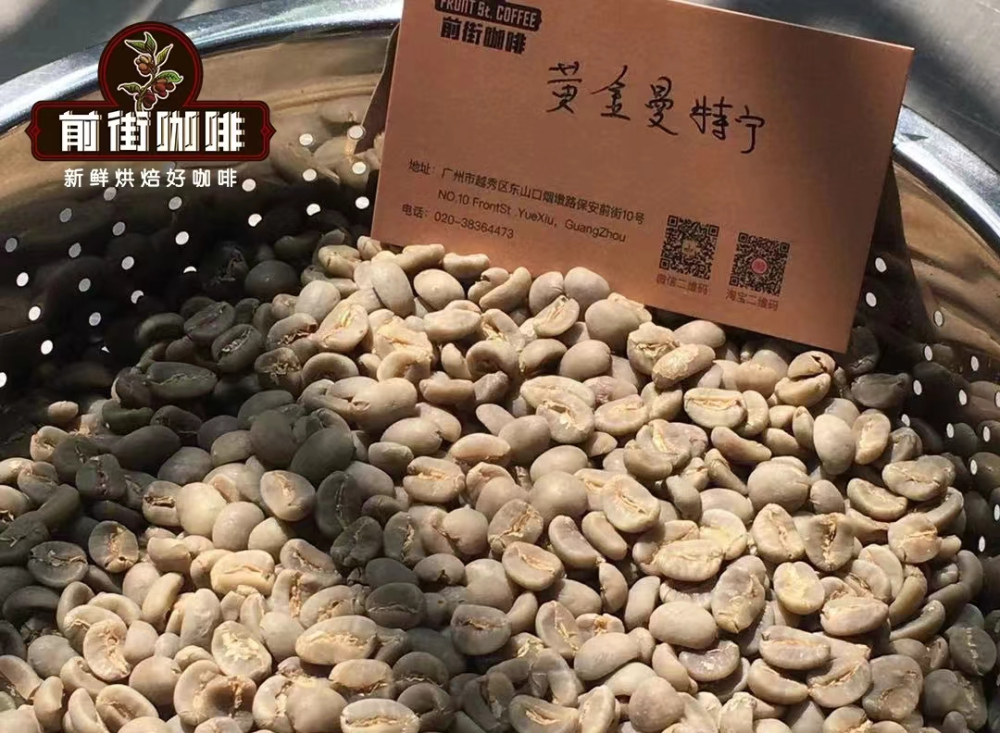
If you’re looking to try pouch coffee with different flavor profiles, the market offers many high-quality brands with diverse options. For example, the Ethiopian Yirgacheffe Natural Red Cherry pouch delivers pronounced tropical fruit and berry notes, ideal for those who enjoy fruity flavors; Sidamo Huakui stands out with its berry, floral-tea, and honey aromas, and has even earned international competition recognition; the Honduran Sherry pouch combines whiskey-like notes with vanilla cream flavors, offering another richly layered choice; while the Indonesian Golden Mandheling features a rich, clean profile of herbal and dark chocolate notes, perfect for coffee lovers who prefer bold tastes.
The above content is compiled by CoffeeHunters, a coffee news website.


