







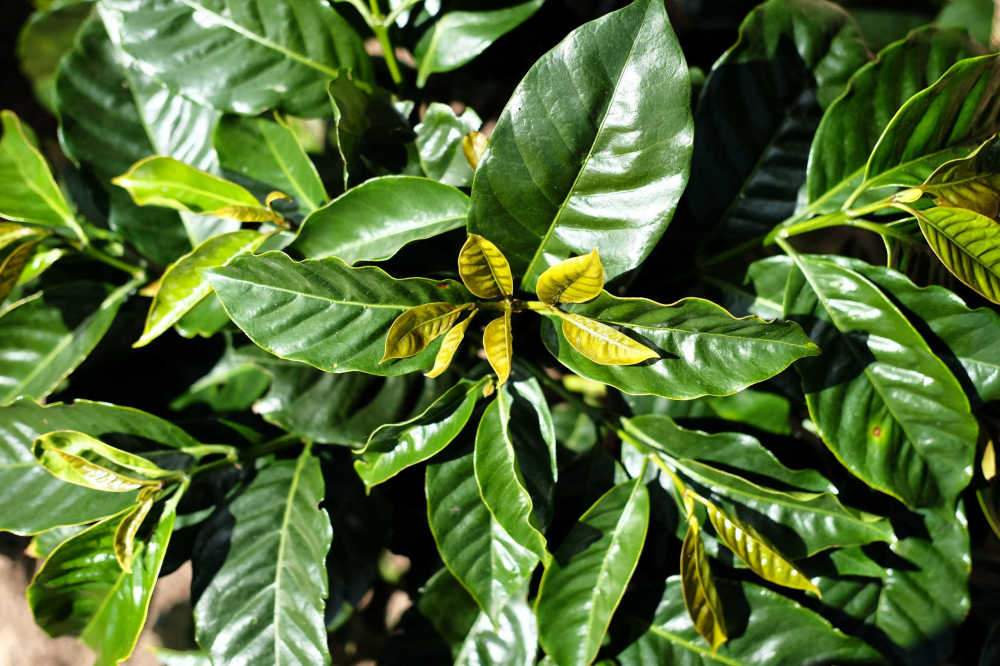
Introduction:Kenyan coffee is renowned for its bright acidity and rich berry flavors, making it an essential choice for specialty coffee enthusiasts worldwide. This article delves into the main coffee-growing regions of Kenya, its grading system, processing methods, and provides detailed pour over recommendations to help readers master brewing techniques and savor the unique charm of Kenyan coffee.
Kenyan coffee is celebrated for its distinctive bright acidity and juicy flavor profile, beloved by coffee lovers globally. Unlike other high-acid coffees such as Ethiopian, Kenyan coffee not only showcases high acidity but also delivers a rich, berry-like body reminiscent of the fullness of tomato juice—an impression that’s truly memorable.
Kenya’s Coffee Growing Environment
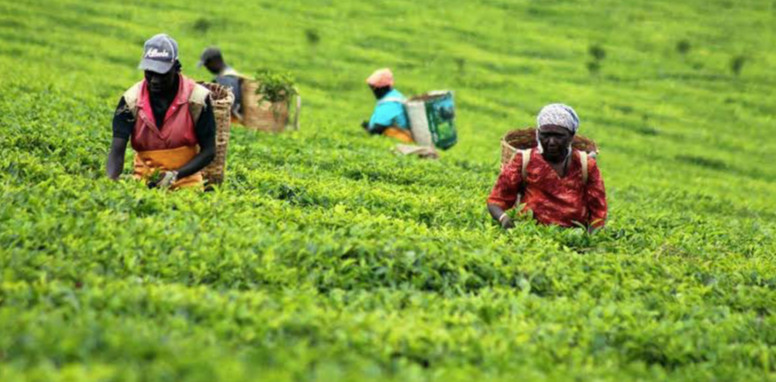
Located in East Africa along the equator, Kenya’s terrain is predominantly highland with an average elevation of about 1,500 meters. The country’s highest peak, Mount Kenya, rises to 5,199 meters and is snow-capped year-round. Kenya has a tropical climate with two distinct rainy seasons annually—roughly from June to August and October to December—which support two coffee harvests per year. The main coffee-growing areas are located at elevations between 1,600 and 2,100 meters on volcanic soils, such as the regions around the capital Nairobi and the slopes of Mount Kenya. This altitude contributes to the slow maturation and concentrated flavors of the coffee.
Kenya’s Main Coffee Regions and Their Characteristics
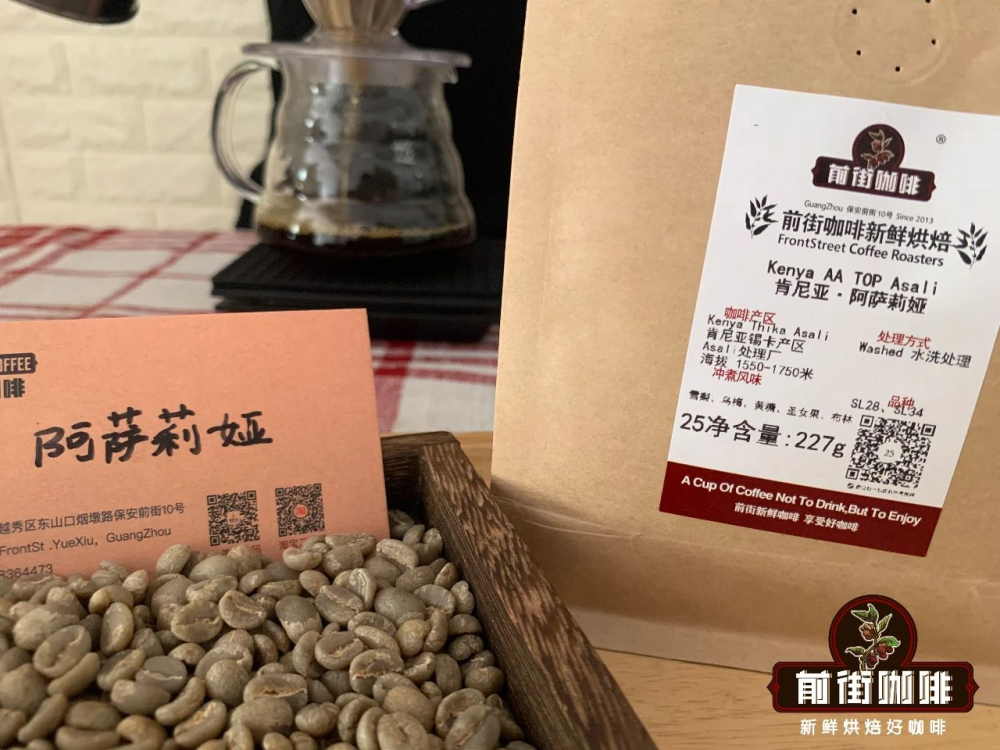
Kenya’s specialty coffee primarily comes from six major regions: Thika, Kirinyaga, Mt. Kenya West, Nyeri, Kiambu, and Muranga. Coffee from these regions is usually harvested during the main season (October to December) and the fly season (June to August), at elevations mostly ranging from 1,200 to 2,300 meters—ideal conditions for developing excellent flavor profiles.
The Thika region, close to Nairobi, mainly grows SL28 and SL34, offering bright acidity and honey-like sweetness. Kirinyaga is regarded as one of Kenya’s top-tier regions, known for its complex and rich coffee with pronounced body. Nyeri, surrounded by the red soils near Mount Kenya, produces classic Kenyan flavors with berry and citrus notes. Meanwhile, Muranga and Kiambu are known for their bold juiciness and clear acidity, appealing to those who prefer a more intense cup.
Kenya’s Coffee Varieties and Processing Methods
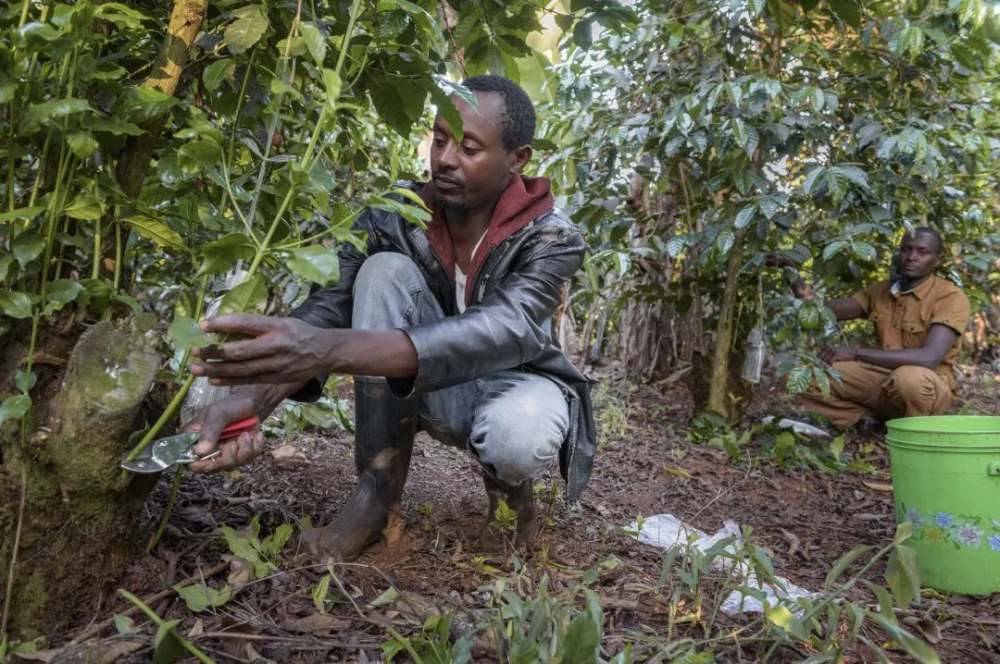
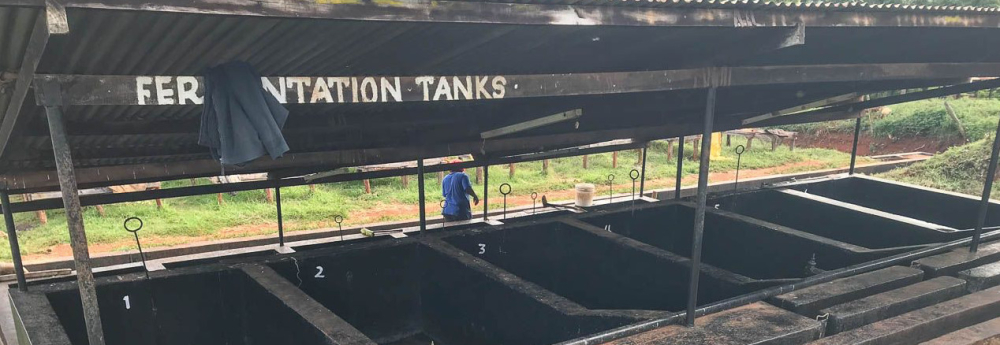
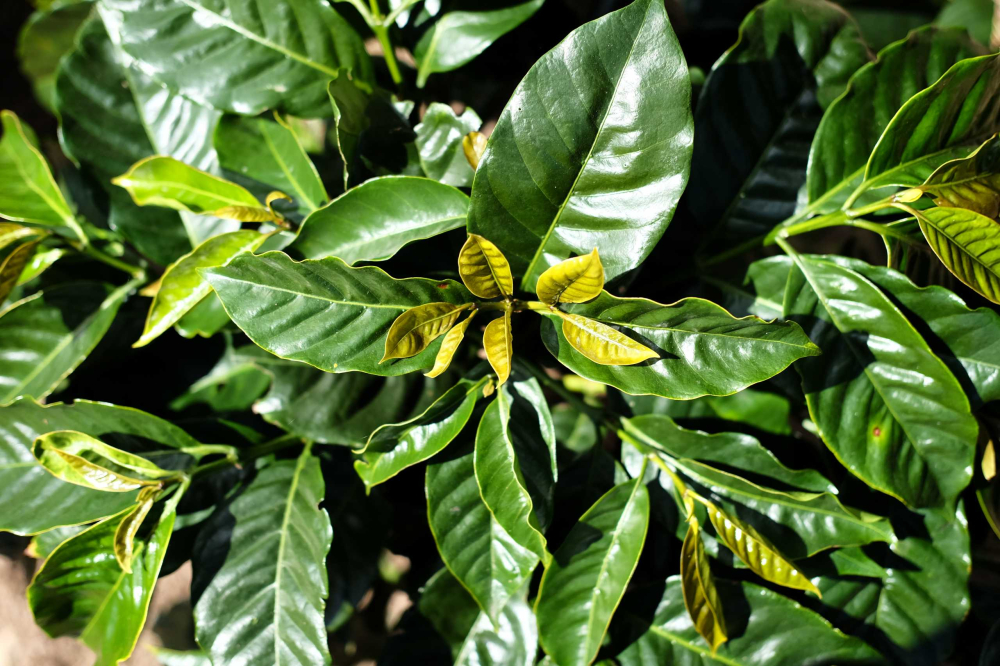
The exceptional quality of Kenyan coffee is largely attributed to its unique varieties and refined processing techniques. The main varieties include SL28, SL34, Ruiru 11, and Batian. Among them, SL28 and SL34, cultivated by the Scott Laboratories, are famed for their bright acidity, complexity, and diverse flavor profiles, forming the core of Kenya’s specialty offerings. In terms of processing, Kenya is renowned for its “72-hour washed process,” or K72, which involves three cycles of 24-hour fermentation and washing. This method enhances the coffee’s sweetness and acidity, resulting in its signature clean and layered taste.
Kenya’s Coffee Grading System
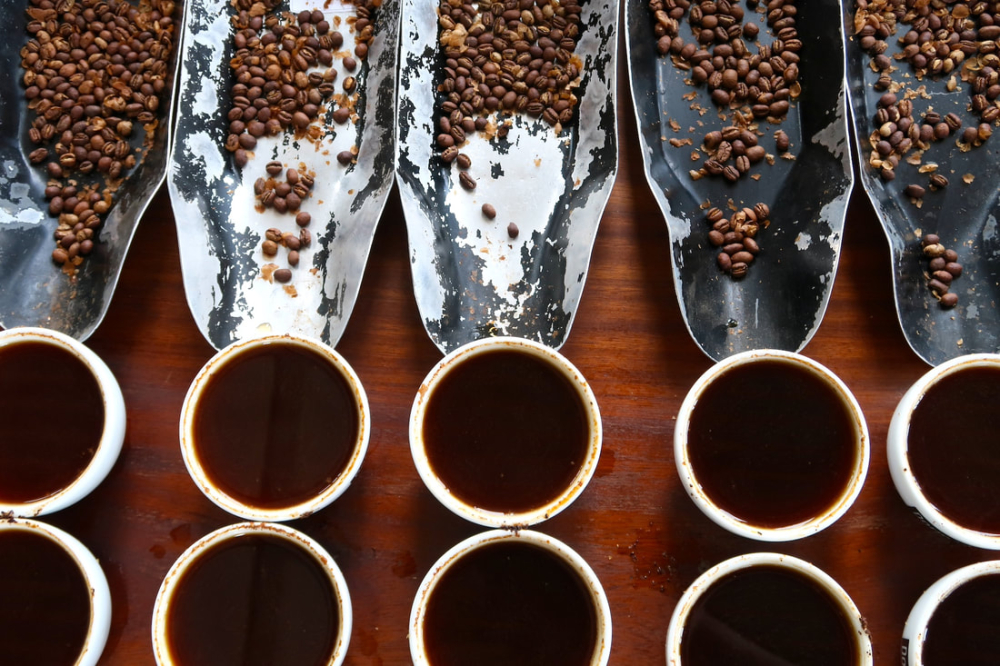
Kenyan coffee is graded primarily by bean size, with the main grades being AA, AB, C, E, and PB. Among these, AA (17–18 mesh) and AB (15–16 mesh) are the most common in the market, with AA+ representing a top-tier grade noted for outstanding cupping performance. There are also unofficial grades based on cupping results, such as TOP, PLUS, and FAQ, used to further distinguish flavor profiles. While grading helps with selection, generally speaking, both AA and AB grade Kenyan beans already offer a high baseline of quality.
Pour Over Recommendations and Techniques
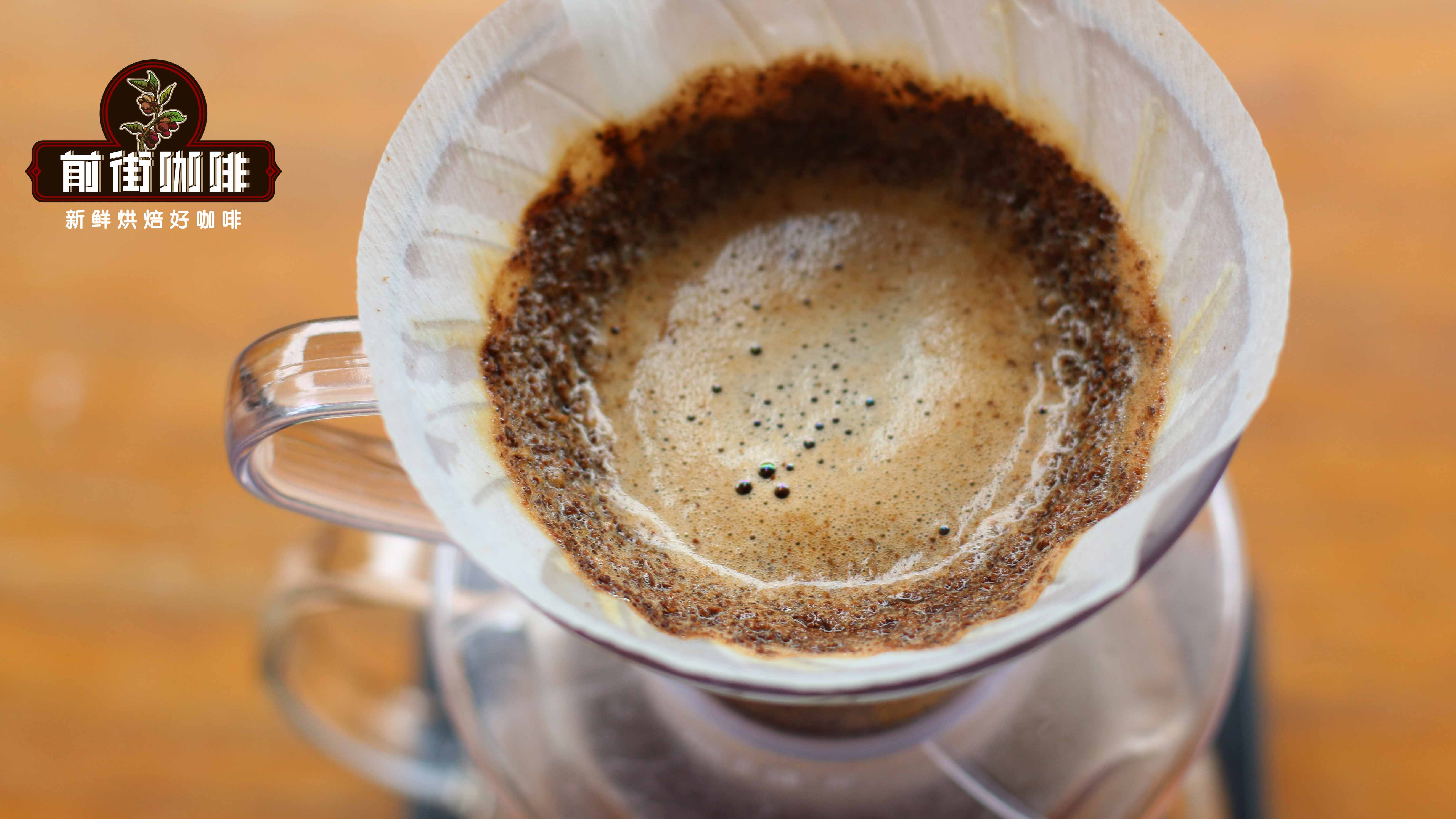
For brewing Kenyan coffee, medium-light roasted beans are recommended to highlight its fruity acidity and berry-like juiciness. A V60 dripper is suggested, using a 1:15 coffee-to-water ratio (e.g., 15 grams of coffee to 225 ml of water), with water temperature around 91°C and grind size similar to table sugar or about 80% sieve extraction (such as EK43s setting 10). The brewing steps include a 30-second bloom with 30 grams of water, followed by a two-step pour: first adding 95 grams, then pouring the remaining 100 grams after the water level drops. The total brew time is approximately 2 minutes, effectively showcasing the clear and layered flavor profile of Kenyan coffee.
In summary, Kenya’s coffee owes its distinctive and layered flavor profile to its favorable growing environment, rigorous grading system, and unique processing methods. Whether you’re new to specialty coffee or a seasoned enthusiast seeking depth of flavor, Kenyan coffee is a classic choice worth exploring and savoring.



The above content is compiled by CoffeeHunters, a coffee news website.

