







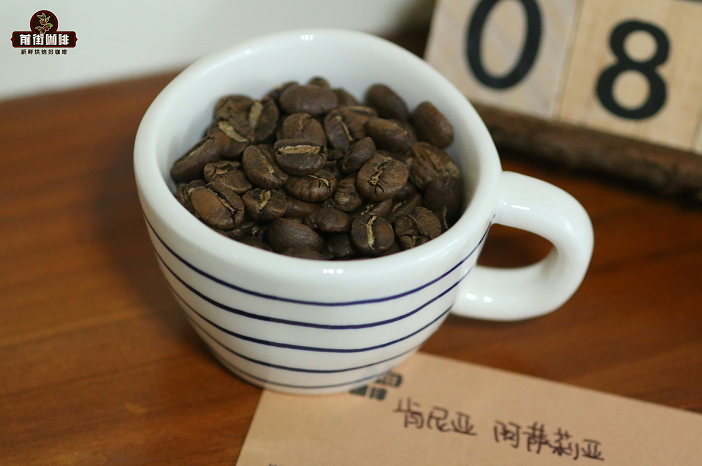
Introduction:Want to understand the unique charm of Kenyan coffee? This article delves into Kenya’s major coffee-growing regions, the characteristics of the classic SL28 and SL34 varieties, and the highly acclaimed K72 washed processing method. From altitude and climate to roasting and pour over parameters, it provides a detailed guide on brewing techniques and flavor profiles of Kenyan AA-grade coffee beans, helping you master this classic African bean with bright acidity and vibrant fruity notes.
Kenya is located in East Africa, with the equator running through it and the famous East African Rift Valley stretching from north to south. Its complex and diverse geography features high altitudes and significant day-night temperature variations, which contribute to the distinctive fruity aromas and acidity in Kenyan coffee. Compared to neighboring Ethiopia, Kenyan coffee offers more structured flavors, particularly known for its citrus-like acidity and clear fruit characteristics.
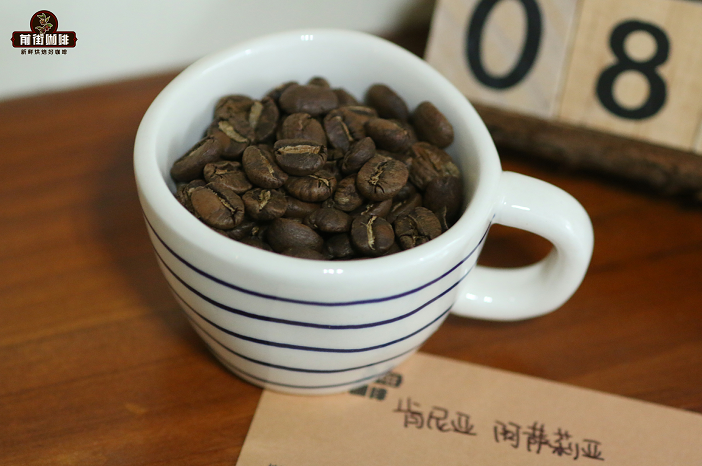
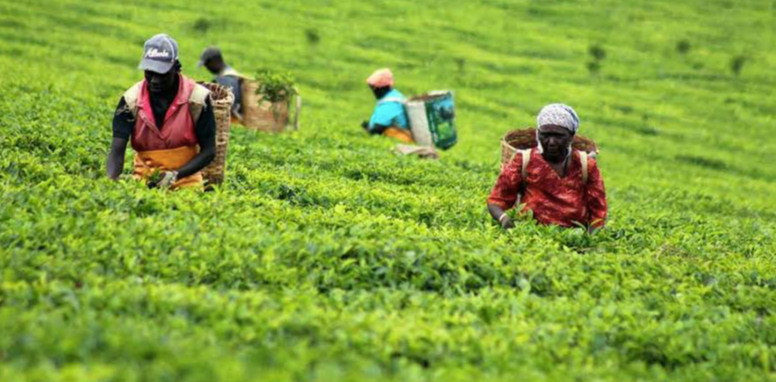
Kenyan coffee is primarily cultivated at elevations between 1,500 and 2,100 meters, with key growing regions including Thika, Nyeri, and Kiambu. These areas have two harvest seasons per year, and the beans produced generally exhibit juice-like acidity, multi-layered fruitiness, and a rich, balanced mouthfeel—making them a favorite among specialty coffee enthusiasts.
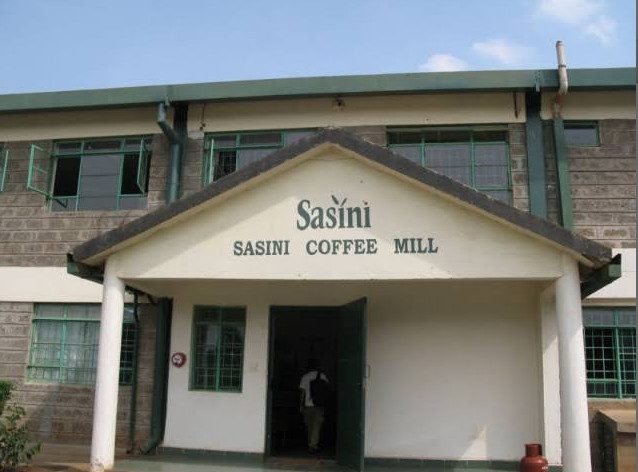
Among these regions, the Asali processing factory in the Thika area is renowned for its rigorous green bean selection and processing procedures. These beans, grown around Thika at an altitude of approximately 1,550–1,750 meters, use the classic Kenyan native varieties SL28 and SL34. Processed using Kenya’s distinctive washed method, they showcase exceptional cleanliness and a layered, nuanced flavor profile.
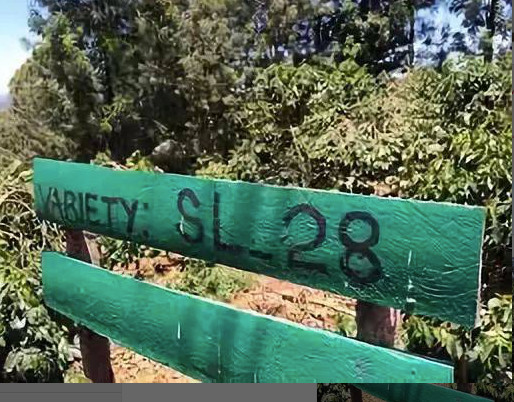
SL28 and SL34 are two ideal high-altitude coffee varieties developed in the 1930s by the then Scott Laboratories (now part of Kenya’s agricultural research institutions). Although they originate from the Bourbon genetic line, SL28 is especially regarded as one of the representative Kenyan coffee varieties due to its adaptability to arid conditions and outstanding flavor potential. The leaves of these two varieties often appear bronze during their early stages, which is a distinct characteristic that sets them apart from other types. Their flavors typically feature bright lemony acidity, deep berry tones, and syrupy sweetness.
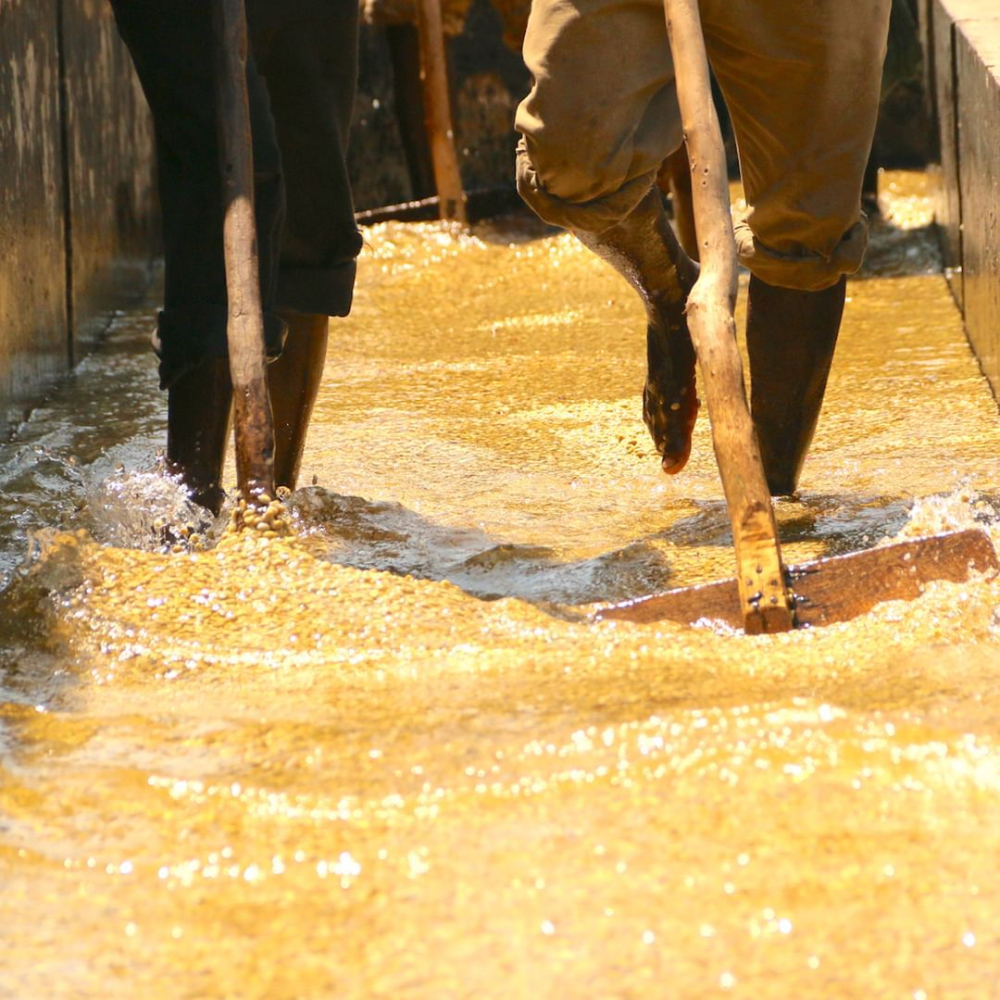
In terms of processing, this coffee employs Kenya’s unique “K72 washed process,” a high-standard and time-consuming refining method. On the day of harvest, farmers first select the highest-quality coffee cherries, remove the skins, and ferment them for the first 24 hours before thoroughly washing them with clean river water. This fermentation and washing cycle is repeated three times, totaling 72 hours—hence the name K72. This method allows the beans to fully develop clear, clean, and layered flavors in a controlled low-temperature environment while minimizing unwanted impurities, resulting in brewed coffee with bright yet non-harsh acidity, delicate and long-lasting fruity notes.
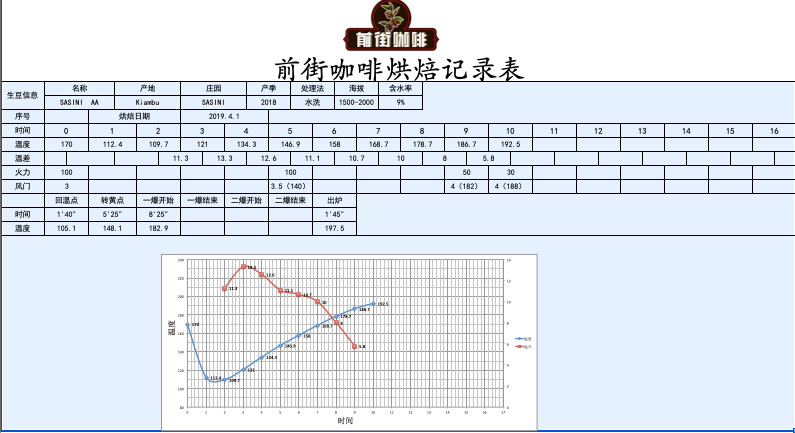
During the roasting stage, because these beans come from high-altitude regions and are relatively hard in texture, roasters usually start with a higher initial drum temperature to ensure stable moisture removal. It is generally recommended to begin at 170°C with full heat, and once the beans turn yellow and the grassy aroma fades, gradually reduce the heat to prolong the Maillard reaction time, thereby developing richer aromas and complexity. Careful heat control is needed when the first crack occurs; maintaining a steady heat helps prevent development stagnation and further brings out a balanced acidity and sweetness with a rich finish. The final drop temperature is around 193°C, ensuring that flavor compounds are fully developed without losing the beans’ inherent brightness.
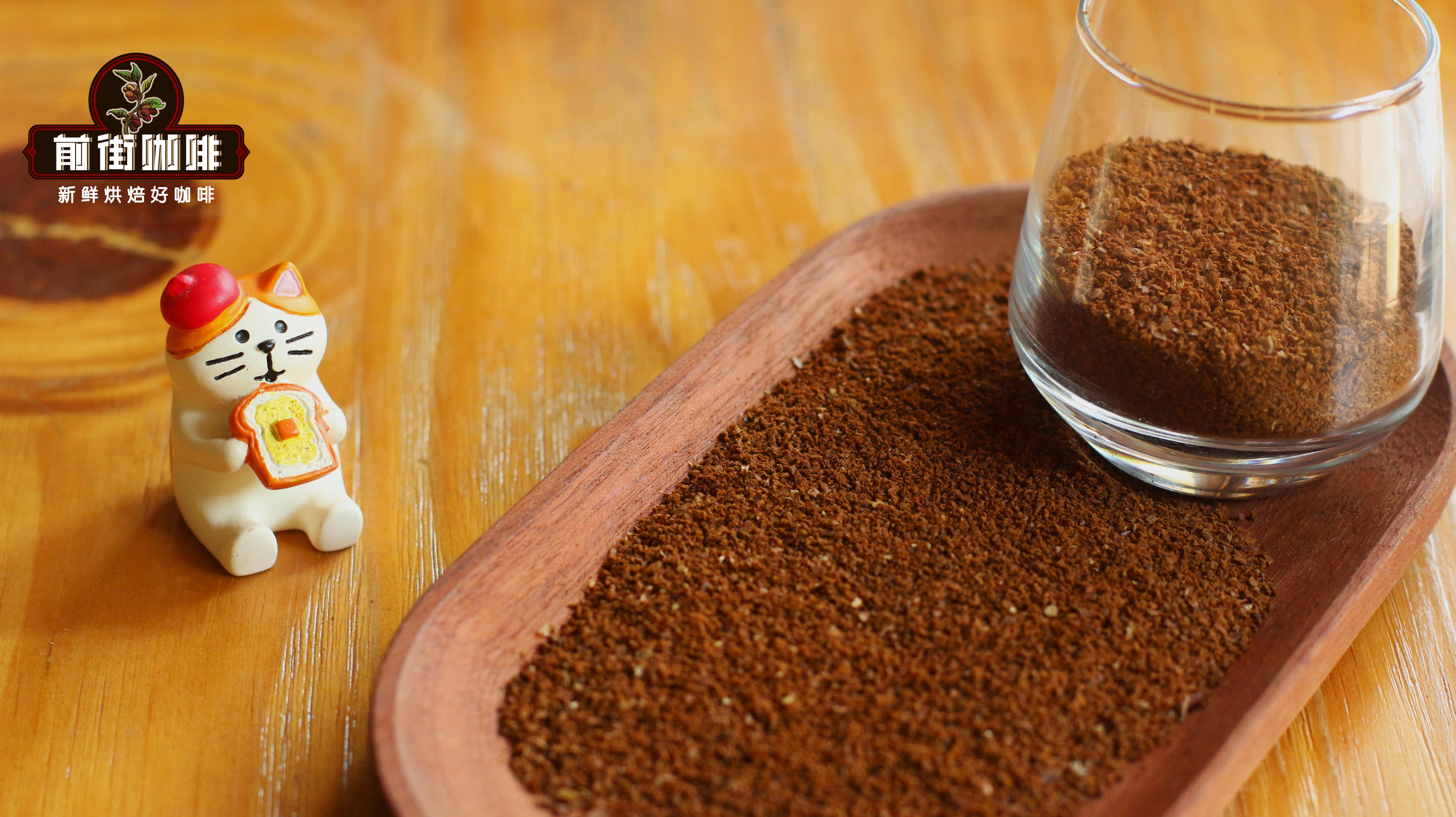
For pour over recommendations, this Kenyan AA-grade washed coffee is well-suited for use with V60 or Kalita Wave (cake dripper) filter cones, both of which offer clear flow rate and layering performance. The recommended water temperature range is 88–90°C, with a brew ratio set at 1:15. The grind size is advised to be medium-fine—about 80% passing through a standard Chinese No. 20 sieve—which aids in fully extracting fruit acids and sugars while maintaining flavor clarity.
For actual pour over brewing, a staged extraction technique can be used: begin with a 30-second bloom using 30 grams of water to activate the coffee’s aromatic release; then pour in small circles, and when the total water volume reaches 124 grams, perform the first pour stop. Wait until the water level drops and is about to expose the coffee bed, then continue pouring to 228 grams before stopping. Finally, let the water level drop naturally before removing the filter cone. The overall extraction time is recommended to be around 1 minute and 55 seconds to achieve the best flavor balance.
The brewed Kenyan washed coffee, when using a V60, typically exhibits pronounced floral notes. Upon tasting, you’ll first notice the lively acidity of cherry tomatoes and citrus fruits, paired with nutty and delicate sour tones. The mid-palate transitions into soft creaminess and a brown sugar-like sweetness, while the aftertaste lingers with subtle cocoa and oolong tea-like tea notes. If using a cake dripper instead, the overall juiciness becomes even more pronounced, with brighter and livelier acidity, along with refreshing layers of herbal and fruity notes—ideal for those who prefer a crisp, fruity acidity.
Whether you’re trying Kenyan beans for the first time or aiming to deeply explore the flavor characteristics of high-altitude African coffee, these washed SL28 and SL34 beans from the Thika region are an excellent choice for both beginners and advanced enthusiasts. Mastering the right roasting, grinding, and pour over parameters will allow you to fully appreciate the unique world of bright acidity and vibrant fruitiness in Kenyan coffee.

The above content is compiled by CoffeeHunters, a coffee news website.

