








Introduction:Freshly roasted coffee beans have not yet reached their optimal flavor state. Only through proper resting and degassing can the full potential of the coffee be unlocked. This article delves into the science behind coffee resting — from carbon dioxide release to the integration of aromatic compounds — explaining why resting is necessary, how to determine the ideal resting period, and offering practical degassing tips to help you achieve the most complete flavor expression in every brew.
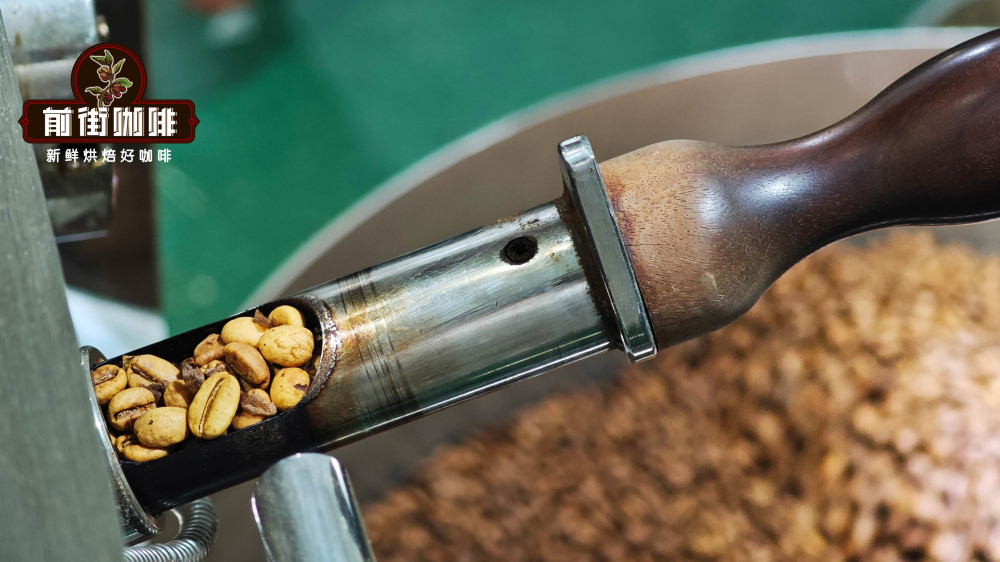
Many coffee enthusiasts are familiar with this phenomenon: freshly roasted coffee beans don’t always yield their best flavors right out of the bag. In fact, there’s a crucial step between roasting completion and reaching the ideal extraction state — resting. This process isn’t just about waiting; it’s allowing the beans to go through essential degassing and flavor development stages, which have a decisive impact on the final brew.

Resting refers to the natural process where the large amount of carbon dioxide retained inside coffee beans after roasting is gradually released. Typically, freshly roasted beans contain around 2% of their weight in carbon dioxide, which needs to be slowly expelled under appropriate conditions. Notably, this degassing process is vital for maintaining internal pressure balance within the beans. A moderate pressure environment helps integrate aromatic compounds and oils, enabling more efficient flavor release during brewing.
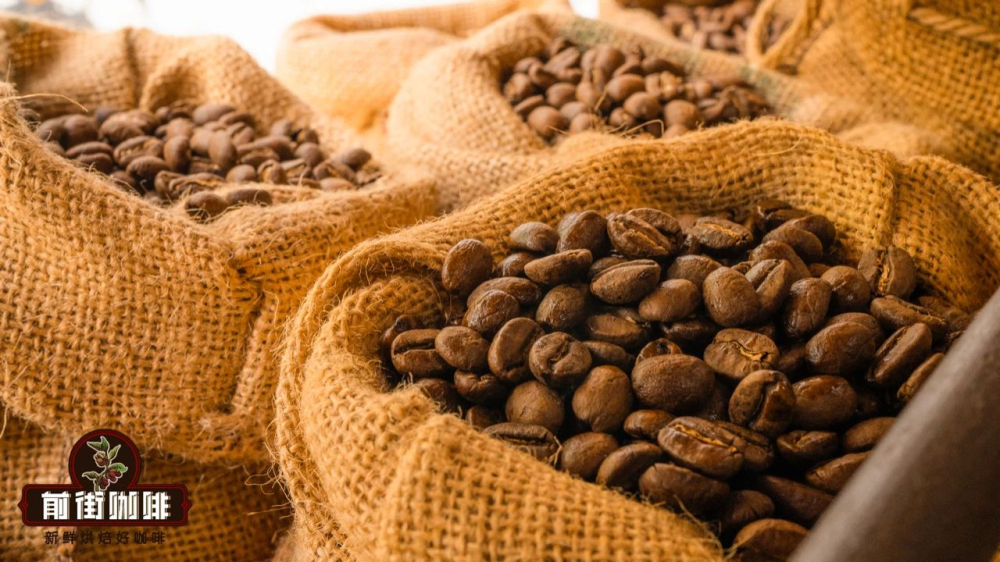
Practical observations show that if freshly roasted beans are extracted without proper degassing — whether using pour over or espresso methods — the resulting flavors tend to be overly sharp, with pronounced bitterness and jarring acidity often masking the bean’s inherent complexity. This is precisely why professional coffee processing pays special attention to the resting phase, typically beginning initial degassing only three hours after roasting to ensure stability and flavor performance in subsequent extractions.

The core purpose of resting is to eliminate the residual effects of the roasting process. The smoky and harsh notes produced during high-temperature roasting need to be gradually softened over time and through proper degassing. This process not only improves the purity of the coffee’s taste but also allows its unique flavor characteristics to fully shine. However, the duration of resting must be precisely controlled — too short a period may result in incomplete flavor development, while too long may lead to loss of freshness due to over-oxidation, both of which can affect the final drinking experience.

The ideal resting environment and packaging choice are critically important. While coffee beans in sealed packaging can still naturally degas, packaging equipped with a one-way valve manages this process more effectively. It is recommended to store unopened coffee beans in a cool, dry, dark, and odor-free environment to maintain optimal resting results. Once the beans have reached an appropriate resting stage, consider sealing the one-way valve with transparent tape to create a low-oxygen environment, slowing down further oxidation. This practice helps preserve the beans’ freshness and flavor stability.

Regarding specific resting times, adjustments must be made based on roast level and brewing method. Generally speaking, medium to dark roasted beans undergo more intense caramelization, leading to relatively faster degassing — usually around 3 days to reach drinkable condition. Lighter roasts, however, require more time for flavors to fully develop. Notably, beans intended for espresso typically need a longer resting period — about 10 to 15 days — because high-pressure extraction is highly sensitive to carbon dioxide content. Excess gas can interfere with water flow stability, causing uneven extraction and flavor defects.
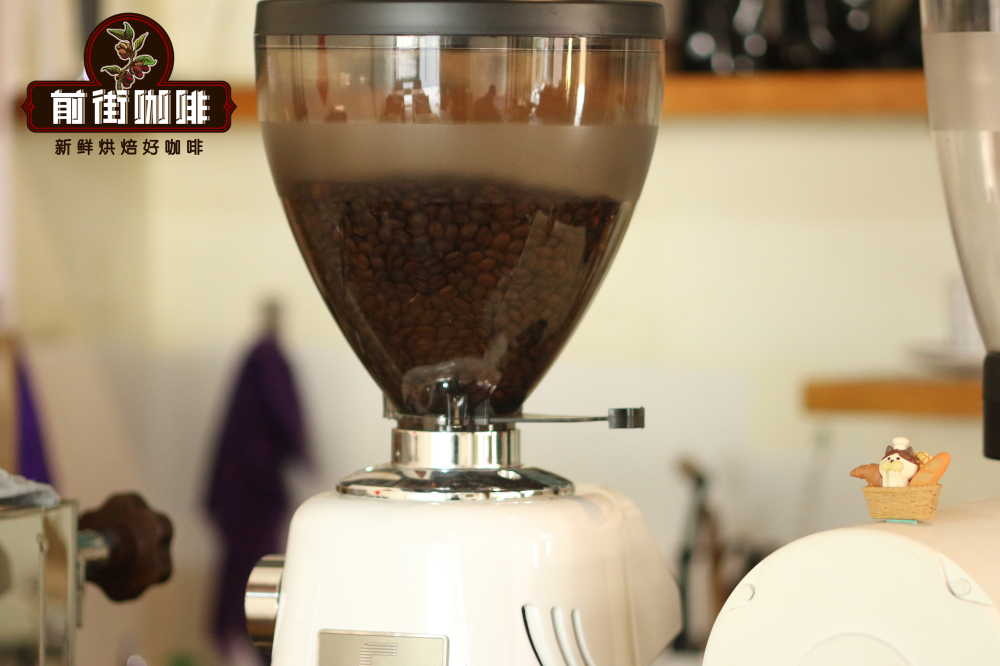
In practice, the key to determining when resting is complete lies in observing changes in the beans’ state and actual brewing performance. As the resting process progresses, the beans’ degassing activity gradually slows. When opening the package no longer releases noticeable bursts of gas, and the brewed coffee presents a balanced and harmonious flavor profile, it’s usually a sign that optimal drinking time has been reached. Remember, each coffee bean has its own unique characteristics — resting times are only a reference, and actual tasting experience is the ultimate judge.
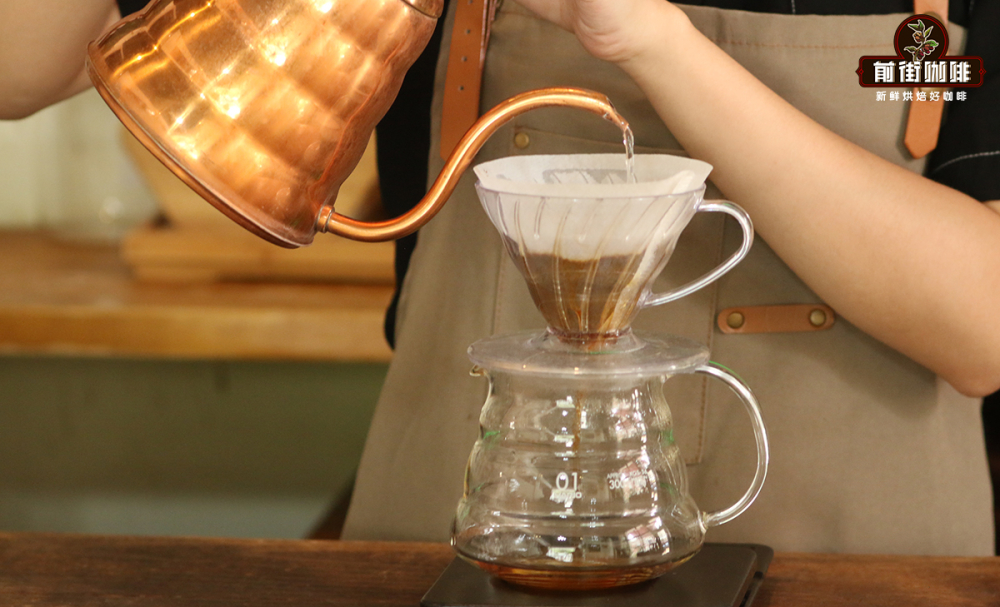
The above content is compiled by CoffeeHunters, a coffee news website.

