








Introduction:From specialty coffee to everyday brewing, how you store your coffee beans directly affects its flavor performance. This article delves into the four key factors that influence coffee freshness—light, oxygen, humidity, and temperature—and offers practical storage advice, including container selection, environmental control, and debunking common misconceptions. Whether you're a pour over enthusiast or a beginner just starting out, you’ll learn how to extend the golden window of coffee bean enjoyment.
Modern coffee enjoyment is no longer confined to cafés—more and more people are brewing at home to savor every nuanced cup. However, if improperly stored, both whole beans and ground coffee can rapidly lose their flavor, potentially compromising the entire brewing experience. This is especially true for specialty coffee, where flavor is paramount, making proper storage even more critical.
Many coffee newcomers, and even seasoned enthusiasts, still have questions about how to best preserve coffee beans. What kind of storage environment best maintains coffee freshness? Which habits might unknowingly degrade coffee flavor? Below, we’ll break down the key factors affecting coffee freshness in detail and offer practical storage tips.

The freshness of coffee beans is primarily influenced by four external environmental factors: direct light, oxygen exposure, moisture content, and ambient temperature. These factors not only accelerate the oxidation process of coffee beans but can also lead to aroma loss and flavor deterioration.
First isdirect light, especially sunlight, which accelerates the breakdown of organic compounds inside the beans, thereby affecting flavor stability. It’s recommended to store coffee beans in a light-proof cabinet or opt for dark, opaque containers that effectively block light interference.
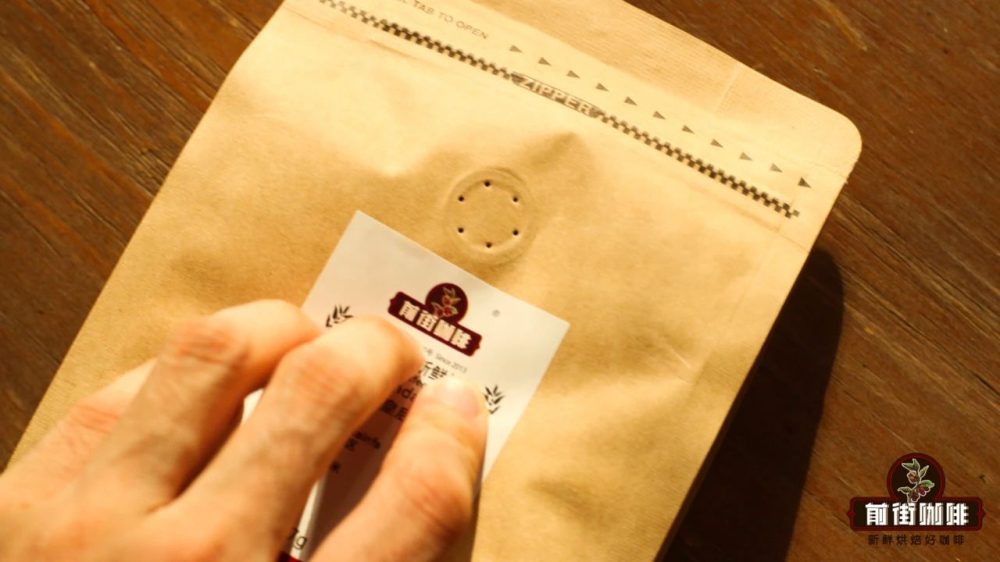
Second isoxygen. After roasting, coffee beans gradually oxidize upon contact with oxygen molecules in the air. This process causes volatile aromatic compounds to dissipate and leads to a duller taste. Many professional coffee packages feature one-way degassing valves that release internal carbon dioxide while preventing oxygen from entering. For home storage, it’s advisable to use tightly sealed containers with rubber gaskets to ensure air isolation.
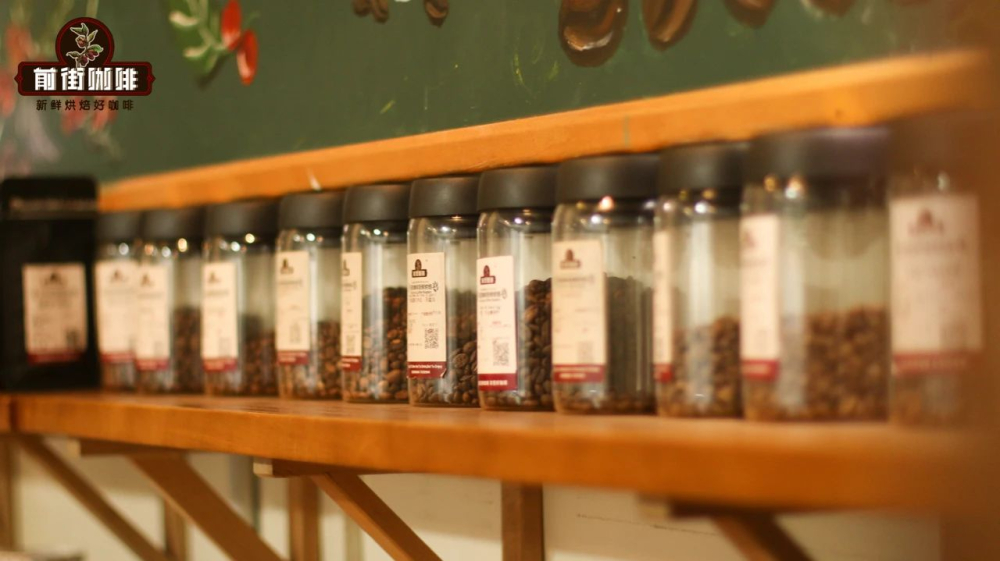
The third key factor ismoisture and humidity. Coffee beans are highly sensitive to environmental humidity. Excess moisture not only accelerates spoilage but can also cause beans to absorb water and swell, affecting grind consistency and extraction quality. Ground coffee is even more prone to clumping in humid conditions, significantly degrading brew quality. Therefore, the storage environment must remain dry, avoiding areas near sinks, washing machines, or other high-humidity zones.
Lastly, there'shigh temperature environments. While roasted coffee beans possess some inherent heat resistance, prolonged exposure to high temperatures speeds up the breakdown of internal compounds, leading to premature flavor decline. It’s best to keep coffee beans in a cool, well-ventilated spot below room temperature, away from heat sources like stoves or ovens.
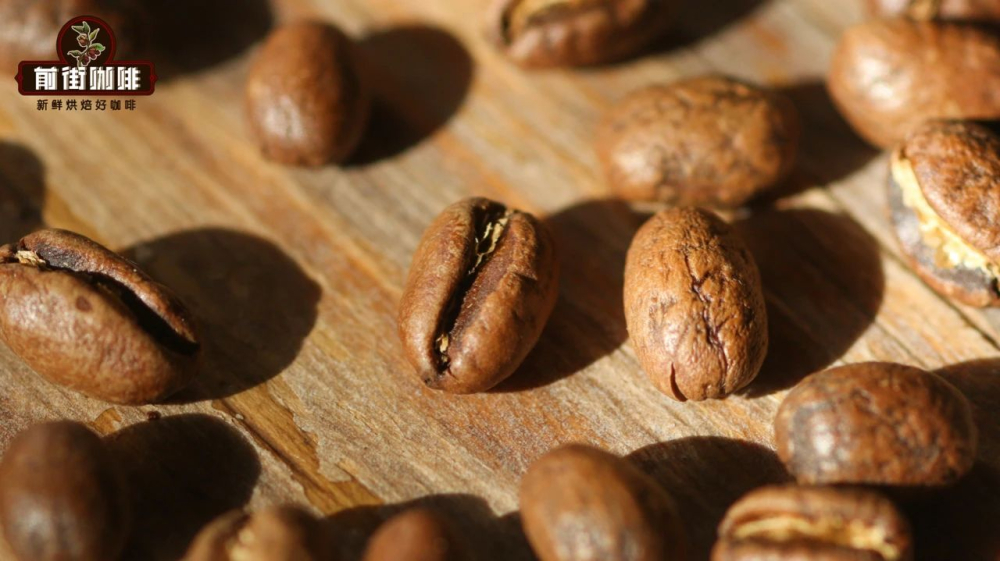
Taking all these factors into account, the optimal way to store coffee beans is to keep unground whole beans in a well-sealed container, placed in a cool, dry, and dark environment. Compared to pre-ground coffee, whole beans preserve flavor more effectively, so it’s recommended to grind them just before brewing to ensure the best extraction performance.
When choosing a storage container, prioritize those withrubber sealing gasketsmade of glass or metal to ensure a tight seal. Regular twist caps or flip-top lids, unless equipped with additional sealing features, may not fully prevent oxygen infiltration.
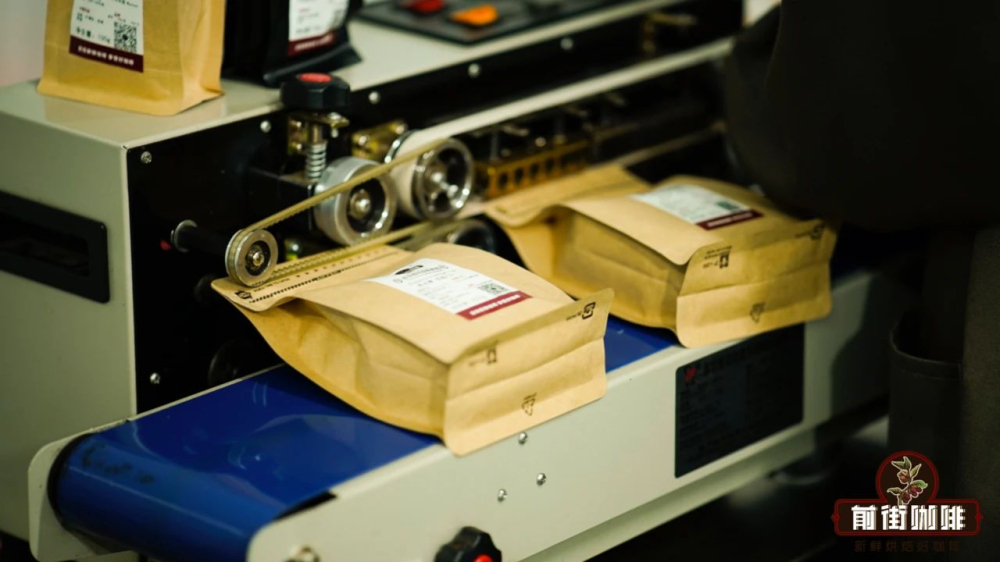
As for storage location, it’s recommended to use cabinets or storage closets, avoiding long-term placement on kitchen countertops or other areas exposed to light and heat. If space limitations require temporary counter placement, switch to dark, light-blocking containers to further minimize light impact.
Additionally, it’s important to note that even if the container itself blocks light, surrounding heat can still affect the beans—so avoid placing them near appliances, heaters, or areas of direct sun exposure.
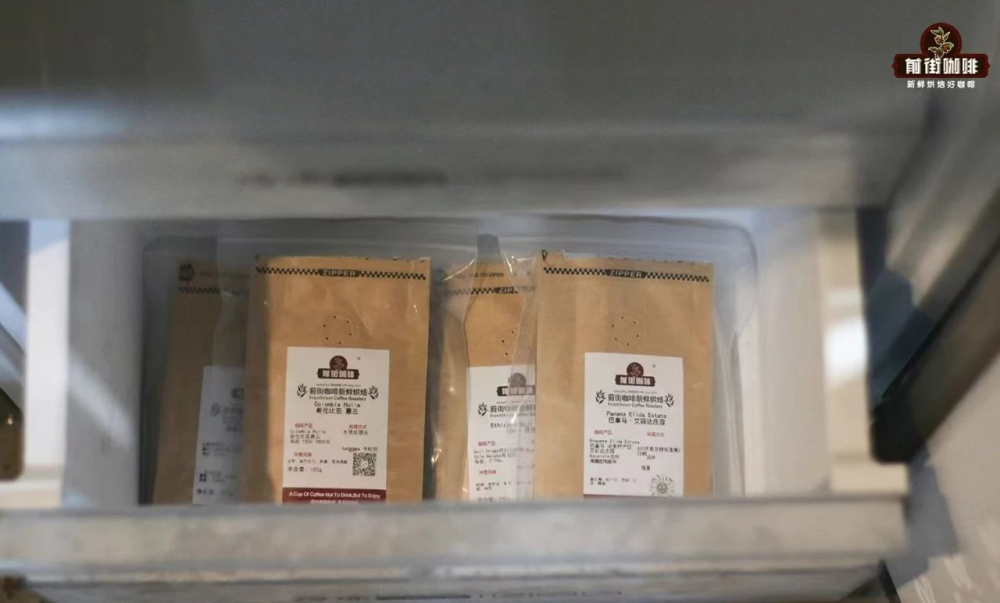
Many households habitually store coffee beans in the fridge, believing that low temperatures help prolong freshness. In reality, this practice can actually accelerate coffee degradation. The temperature difference between the fridge interior and exterior often causes condensation on the bean surface, increasing moisture absorption risk and potentially causing the beans to absorb odors from other foods, ultimately affecting flavor.
Once condensation seeps into the beans, it damages their internal structure, leading to rapid flavor loss and even off-flavors or mold within just a few days. Unless under special circumstances, it’s best to store coffee beans at room temperature in a well-ventilated, dry environment.

From the moment coffee beans finish roasting, they begin a period of flavor decline. Generally, the first few days post-roast represent the peak flavor period, but at this stage, the beans still contain a large amount of CO₂, making them unsuitable for immediate brewing. It’s advised to let the beans “degas” for 3–5 days to allow gases to dissipate naturally, aiding in more even extraction later on.
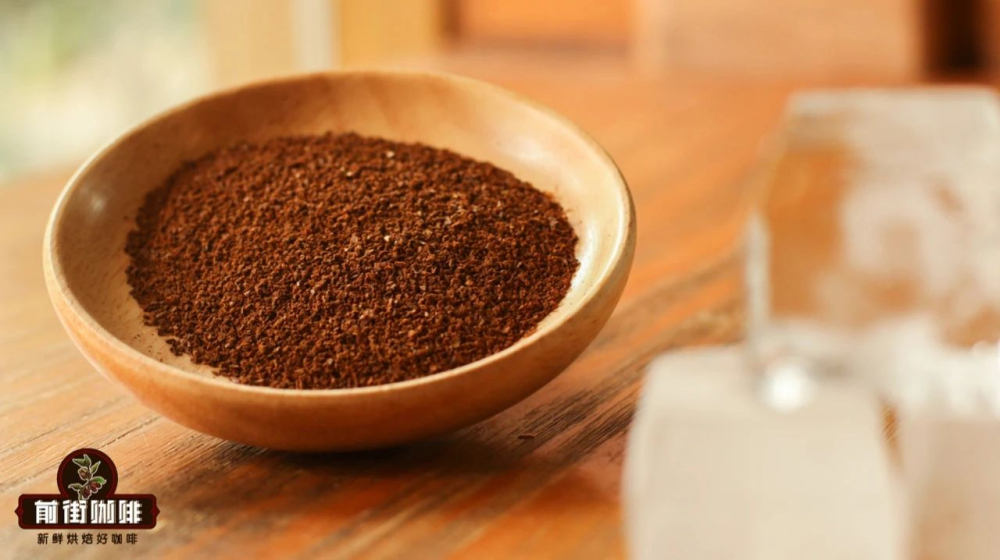
Under good storage conditions, unground coffee beans can maintain decent flavor for around40–60 days. However, once ground, aromatic compounds begin to noticeably degrade within1–2 weeks, so even if kept in a sealed jar, it’s best to use the coffee promptly to enjoy its peak flavor.
In summary, the key to storing coffee beans lies in controlling the effects of light, oxygen, moisture, and temperature, and adjusting purchase volume and storage methods based on your brewing frequency. Understanding these basic principles ensures that every pour over session lets you savor the purest expression of your coffee beans’ flavors.
The above content is compiled by CoffeeHunters, a coffee news website.

