








Introduction:To truly taste the authentic flavors of pour over coffee, simply using freshly ground beans isn’t enough. Every stage from roasting to brewing affects the final cup. This article delves into the flavor window of single-origin coffee beans, analyzing how the optimal drinking period impacts aroma and taste. Through practical comparison between freshly roasted Panamanian Geisha and beans stored for two months, we offer suggested adjustments to pour over parameters to help you extract the best flavors from your coffee.

Many assume that "freshly ground coffee" equals "fresh and delicious," but freshness is not only about when it’s ground—it’s closely tied to how long it’s been since roasting. Even if freshly ground, coffee beans that were roasted a long time ago can still struggle to deliver full aroma and layered flavors. Generally, professionally operated cafes and online retailers mostly sell freshly roasted beans. For example, certain brands do not pre-grind beans unless specially requested, instead advising customers to grind them at home based on their intended use—whether pour over or espresso.
While fresh roasting is essential, brewing right after roasting isn’t necessarily ideal. In the first two days after roasting, coffee beans undergo substantial “degassing,” during which flavors are unstable and regional characteristics are not yet clearly expressed. It is therefore recommended to wait around three to seven days after roasting, once the beans have entered a stable “flavor window,” before brewing in order to fully experience the layers and nuances of the coffee.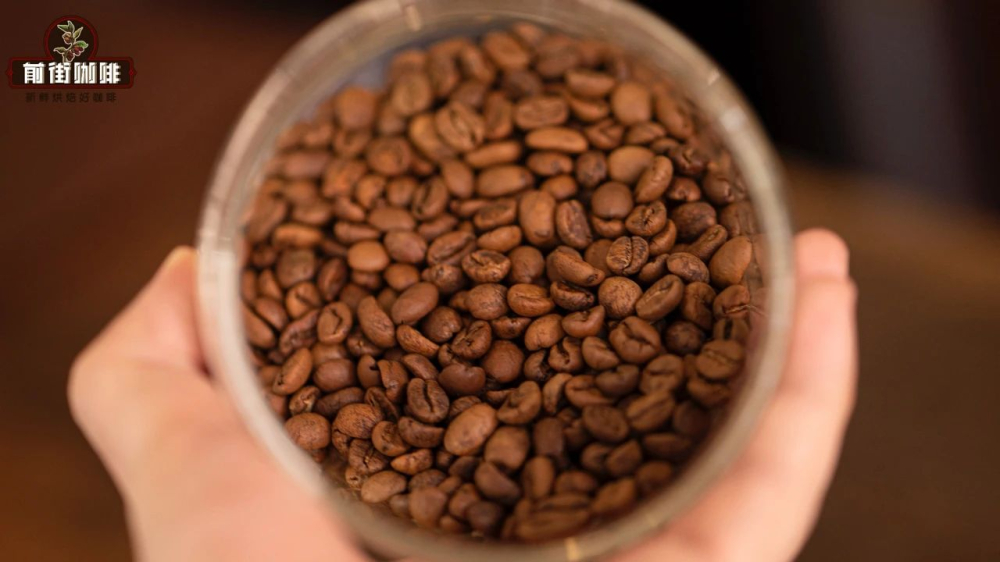
Taking brands with their own roasting facilities as an example, they emphasize the principle of “roasted to order,” aiming to preserve the original flavors of each coffee bean—especially the unique aromas and taste profiles of each origin, such as the floral and fruity notes of Yirgacheffe, or the nutty and chocolatey base tones of Central and South American beans. Additionally, to maintain freshness, many shops adopt a low-inventory strategy, roasting beans on demand based on orders to avoid prolonged storage leading to flavor loss.
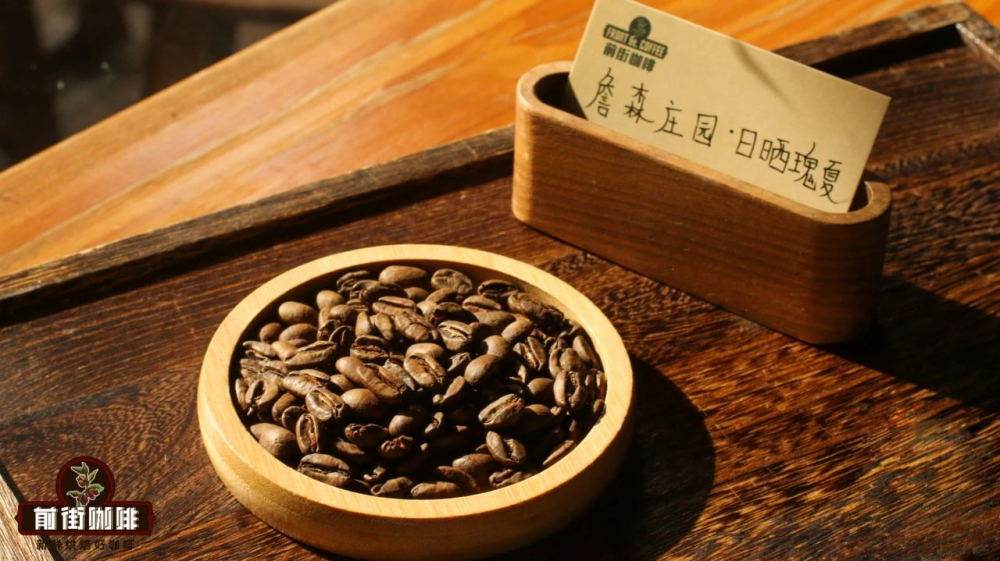
Next, we take a representative Panamanian Jensen Geisha as an example. This light roast bean exhibits pronounced floral and citrus notes along with fruity aromas, accompanied by a tea-like body and sugary sweetness. In our experiment, we used the same beans roasted seven days prior (within the fresh flavor window) and two months later for pour over, observing their flavor differences. The test conditions included a V60 filter, 15 grams of coffee, a 1:15 coffee-to-water ratio, and consistent grind size (80% passing through a #20 sieve), with only water temperature and extraction time adjusted for comparison.
For the freshly roasted Jensen Geisha, extractions were performed at 92°C, 90°C, and 88°C, all with a 2-minute brew time (including a 30-second bloom).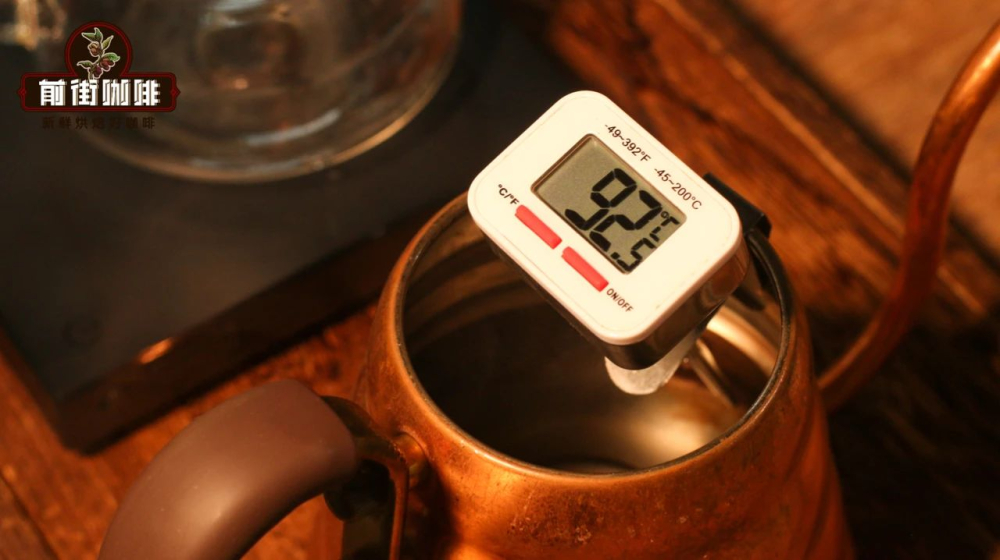
At 92°C, the coffee displayed distinct fermentation aromas, with fruity acidity featuring lime, raspberry, and nectarine on the palate. Sweetness came from cocoa, cream, and caramel, and the aftertaste carried vanilla and fruity sweetness. Overall, it was full-bodied and rich, though some may detect a slight bitterness in the finish. At 90°C, the flavor layers became clearer, with jasmine floral notes alongside citrus and berry tones, paired with a tea-like quality and moderate sweetness—delivering balanced overall performance. At 88°C, while the cup was bright and refreshing with balanced acidity and sweetness, there was a hint of grassiness, signaling potential under-extraction due to too-low water temperature.
Overall, 90°C was considered the optimal temperature for highlighting the distinctive flavor traits of this Geisha. In contrast, the same beans stored for about two months, even when brewed at the same 90°C, showed significantly different flavor results. The dominant notes were more muted ones such as citrus, lemon, licorice, and cocoa, but also came with undertones of pipe tobacco, woodiness, and off-flavors, even including astringency. This is because, over time, volatile aromatic compounds like fruity and floral notes as well as acidity gradually dissipate, leaving behind less volatile nutty and caramel-like flavors. Using the same parameters as with fresh beans can easily lead to over-extraction.
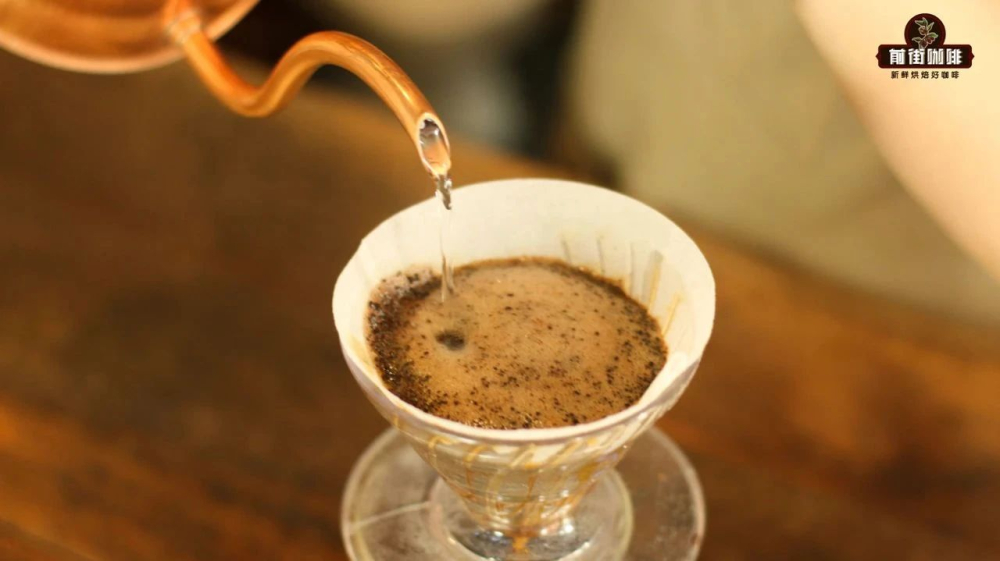

To address this, we first tried shortening the bloom time to 15 seconds while keeping other parameters the same, reducing the total brew time to 1 minute 40 seconds. The result showed a slight reduction in off-flavors, but woodiness and astringency were still noticeable. Next, we further adjusted the grind size to 72% passing through a #20 sieve to lower the extraction rate. Under these conditions, the coffee flavors became cleaner, with acidity and sweetness dominated by lime, citrus, and nectarine. As the temperature dropped, there was also a subtle hint of sour jujube cake in the aftertaste, resulting in a more balanced cup overall.
Finally, we reduced the water temperature further to 89°C, keeping other parameters unchanged. The result was a gentler cup, featuring bright notes of citrus, green apple, berries, and nectarine on the palate, with a sweet and mellow aftertaste showcasing cane sugar and almond notes. Comparing freshly roasted Geisha to the two-month-old beans clearly shows that fresh beans offer richer floral and fruity acidity layers. While aged beans are more prone to over-extraction, with appropriate adjustments to water temperature, bloom time, and grind size, one can still extract a smooth cup characterized by citrus and berry notes.
The above content is compiled by CoffeeHunters, a coffee news website.

