







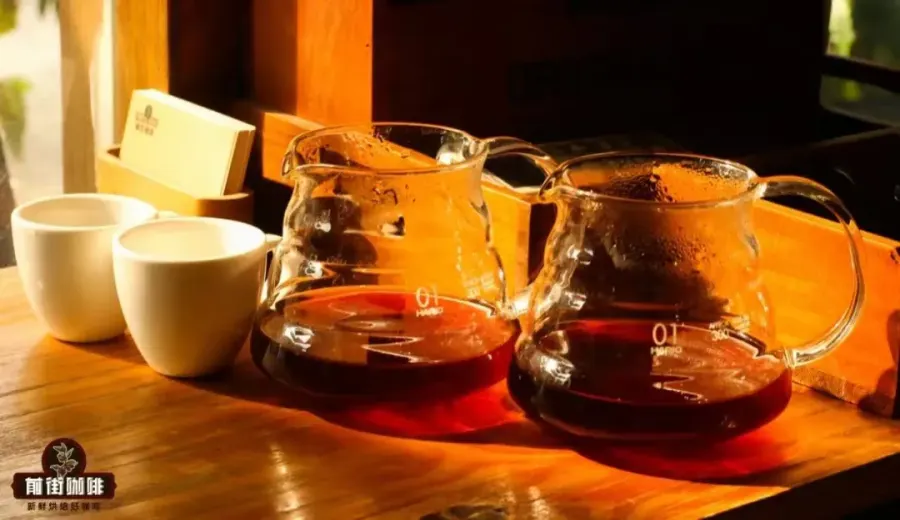
Introduction:Have you ever wondered why some coffees appear deep black while others show a warm ruby hue? The color of coffee actually holds a wealth of information about roast level, concentration, and brewing method. This article will delve into how you can use the color of your brew to make preliminary judgments about your extraction and understand the differences in brew color between dark and light roasts—helping you better grasp the essentials of pour over coffee extraction.
Recently, coffee enthusiasts have been discussing an interesting topic: how to brew coffee with a "ruby red" brew color. The person who raised this question believed that coffee with a ruby red hue seemed to have better flavor, sparking a lively discussion.
However, we do not recommend using brew color alone as a basis for judging whether a coffee tastes good. This is because there are quite a number of factors that influence coffee color, including roast level, coffee concentration, extraction yield, and the filtration method used. Relying solely on color might actually make it harder for you to brew a cup that suits your personal taste.
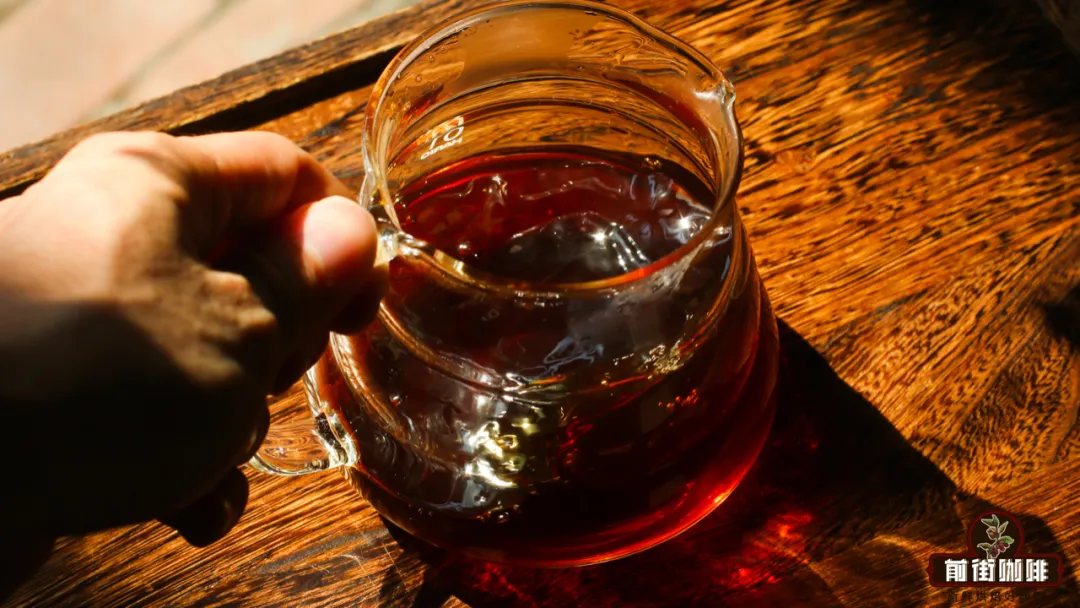
First and foremost, the roast level of the coffee has the most direct impact on brew color. Under the same conditions of dosage, extraction yield, and concentration, the darker the roast, the darker the resulting brew tends to be; conversely, lighter roasts produce brighter-colored coffee. For example, a lightly roasted bean such as the commonly seen Ethiopian Huila and a dark roasted Indonesian Golden Mandheling—if brewed using the same parameters—the resulting colors will still differ significantly—the former leaning red, the latter nearing black.
This difference in color mainly stems from the chemical changes that occur during the roasting process. During dark roasting, more melanoidins are produced inside the coffee beans. These are compounds formed by the reaction of sugars and amino acids at high temperatures, which darken the color of the coffee and make the brew appear richer.
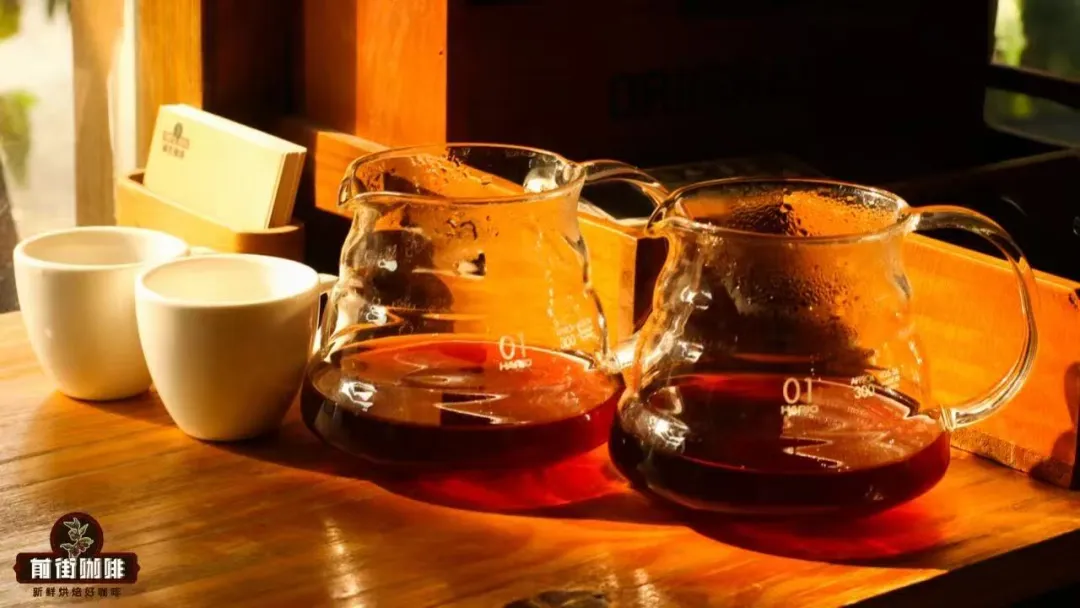
In addition to roast level, the concentration of the coffee also significantly affects the brightness or darkness of the brew. Concentration refers to the proportion of soluble solids in the coffee liquid, and is usually discussed together with extraction yield. A higher concentration means more dissolved coffee substances in the water, resulting in a brew that looks deeper and less transparent; in contrast, lower concentration leads to a clearer, brighter brew with lighter hues.
It’s important to note here that higher or lower concentration does not directly equate to better or worse flavor, but is one of the factors affecting overall mouthfeel and body. Therefore, the brightness or darkness of the brew color can help you preliminarily assess the current concentration state and serve as a reference for adjusting the coffee-to-water ratio or grind size.
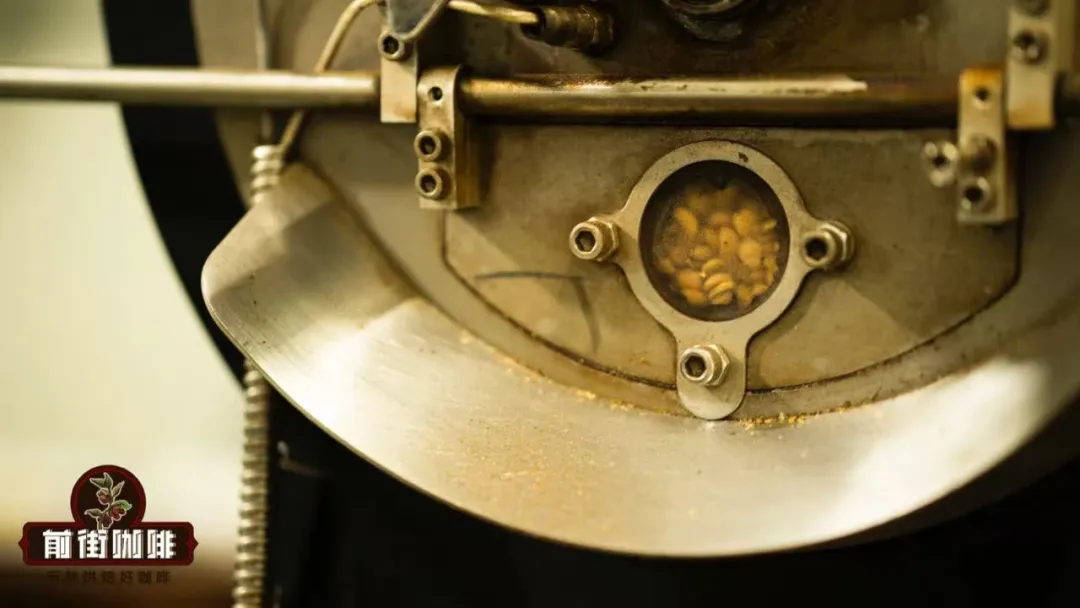
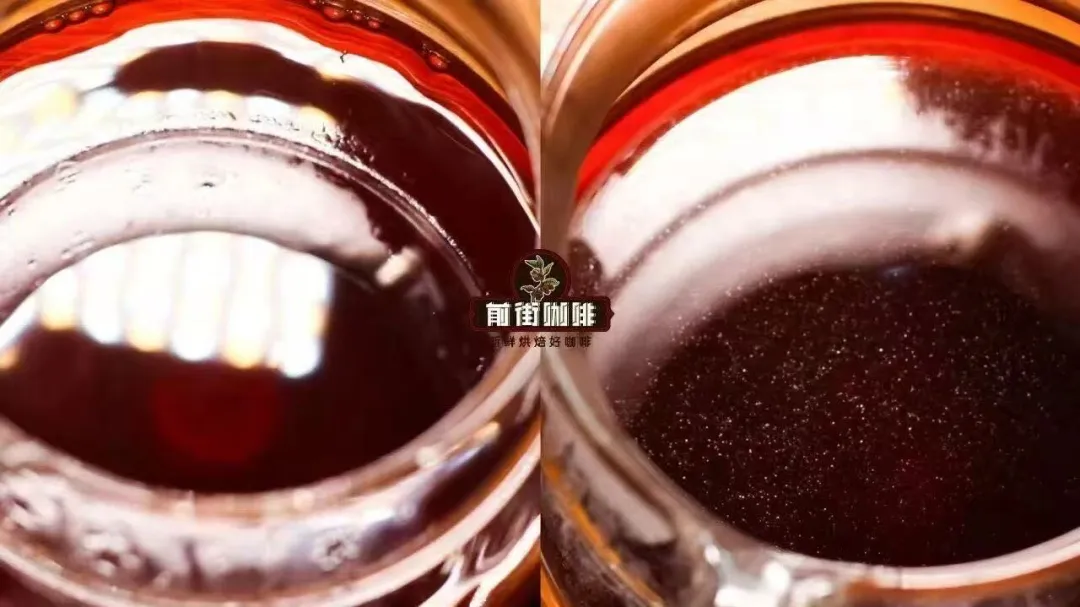
Another factor that should not be overlooked is the filtration method. Different filtration approaches affect the levels of suspended solids and oils in the coffee, thereby altering the clarity of the brew color. For instance, when using paper filters for pour over, the filter effectively removes most fine particles and coffee oils, resulting in a cleaner, more transparent brew. In contrast, using metal filters or cloth filters may allow more oils and tiny particles to pass through, leading to a cloudier brew, even with a slightly sediment-like feel.
While a clear brew often gives a "clean" visual impression, this doesn’t necessarily mean the flavor is superior. Some coffee lovers actually prefer the rich mouthfeel that comes with a slight oily presence. Thus, while the filtration method affects the appearance of the brew color, it shouldn’t be the sole criterion for judging the quality of the coffee.
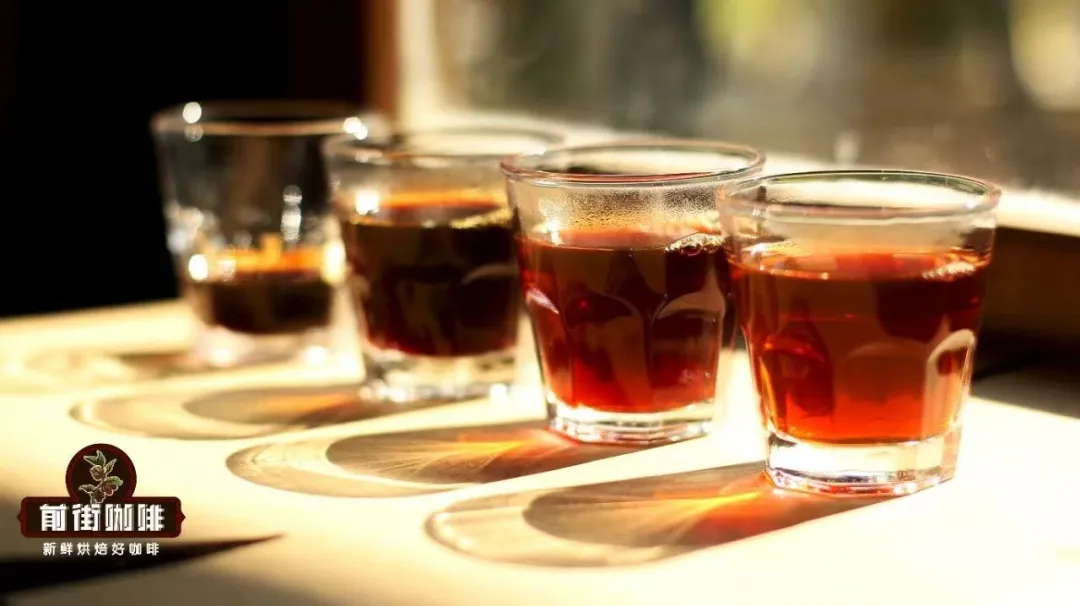
Overall, coffee brew color is the result of multiple factors interacting together. While we can use the depth, brightness, and clarity of the brew color to make preliminary judgments about roast level, concentration, and filtration method, these observations are only for reference and cannot be directly mapped to the coffee's flavor profile. Some people may have felt that "ruby red" coffee tastes particularly good, but it could simply be because the roast level, concentration, and extraction parameters corresponding to that color happened to match their personal taste—not because the color itself determines the flavor.
Therefore, it is recommended that when brewing coffee, in addition to observing the brew color, you should also comprehensively evaluate the coffee's flavor, balance of acidity and sweetness, body, and aftertaste. Brew color can serve as an auxiliary reference—especially when adjusting brewing parameters—to help you quickly grasp the current state. But in the end, you must return to the actual taste experience to truly brew the cup of coffee that suits your preferences.
The above content is compiled by CoffeeHunters, a coffee news website.


