







Introduction:Choosing the right grinder is a key step in elevating your coffee's flavor. Faced with a market ranging from grinders priced at just a few dozen yuan to those costing tens of thousands, many beginner coffee enthusiasts often feel at a loss. This article will delve into the differences between electric and hand-cranked grinders—from grind consistency, usage scenarios, to budget considerations—to help you select the most suitable grinding equipment based on your needs. Whether you're just starting out or aiming for professional-level extraction, you’ll find an ideal choice.
For coffee lovers who prioritize flavor, freshly ground beans are absolutely the top choice for enhancing taste. If you plan to brew your own coffee, having a proper grinder is absolutely indispensable. Open any online shopping platform and search for "grinder," and you'll find prices ranging from as low as 22 yuan to as high as 71,271 yuan—a staggering difference of 3,239.6 times. Such a wide price range can be truly jaw-dropping. To that end, we’ve put together a practical grinder buying guide to help you make informed decisions based on your needs.
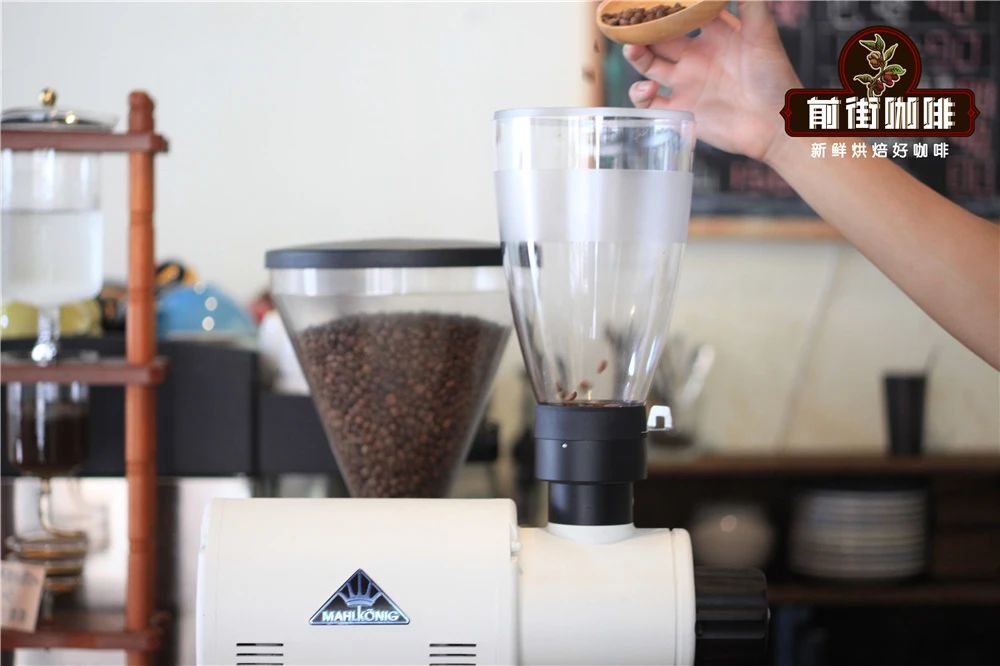
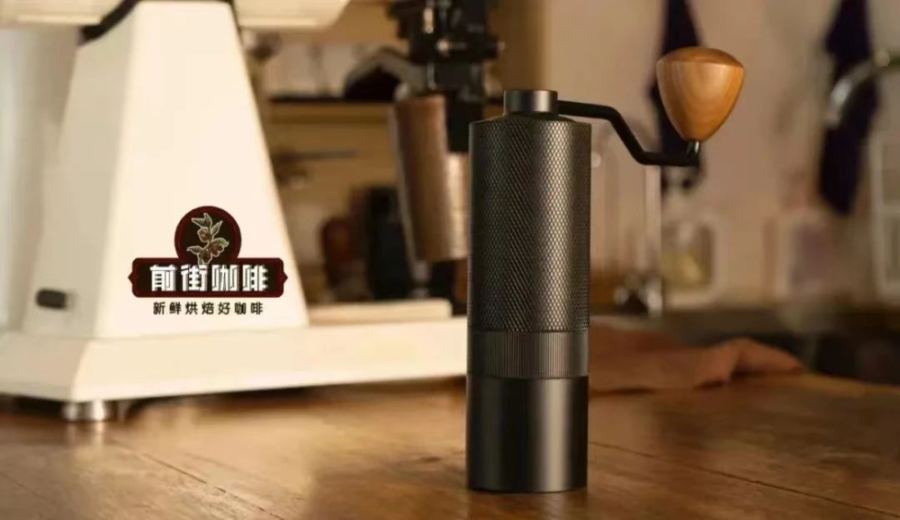
In truth, there’s no need to overly pursue high-end or professional-grade grinders when choosing one. Years of experience have shown that electric grinders generally outperform hand-cranked models in terms of grind consistency, durability, and price flexibility. However, when it comes to portability, no need for electricity, and suitability for outdoor or mobile settings, hand-cranked grinders have the upper hand. At the same budget, hand-cranked grinders often offer better cost-performance, especially in the around-1000-yuan price range.
For different user groups, our recommendations are as follows: Students, dormitory dwellers, or those on a tight budget (under 1000 yuan), beginners in pour-over brewing, or those looking to enhance the flavor of chain café drinks—especially if you frequently exercise, travel, or go on business trips—should prioritize hand-cranked grinders, upgrading later as needed. On the other hand, if you seek stable and fast performance, have a dedicated brewing space at home, and boast an unlimited budget, an electric grinder can meet all your needs in one go. As for coffee equipment enthusiasts or collectors, why not have both and enjoy the different pleasures each offers?
Currently, the quality of domestically produced hand-cranked grinders continues to improve. Many foreign brands that used to cost over a thousand yuan now have domestic counterparts priced under 500 yuan. When selecting, it’s advisable to skip options under 200 yuan that use ceramic burrs or merely feature retro designs. In reality, the hand-cranked grinders on the market worth considering can generally be divided into four price tiers: entry-level (200–499 yuan), mid-range (500–799 yuan), high-end (800–999 yuan), and expert-level (1000+ yuan).
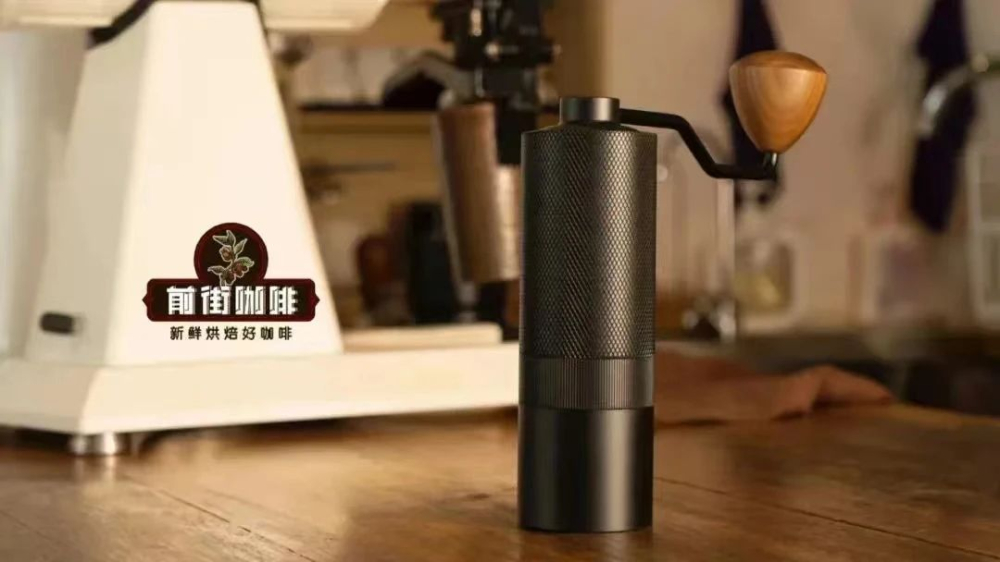
Entry-level hand-cranked grinders in the 200–499 yuan range mainly meet basic coffee grinding needs. The key is to confirm whether they use a dual-axis design. Overall, there isn’t much difference in lifespan, grind consistency, or operational effort, making them very suitable for beginners or everyday office use. Mid-range grinders (500–799 yuan) typically come with better burr materials and slightly upgraded bearings, offering improved overall durability. It’s recommended to choose models with larger burr diameters—not only are they more effortless to grind with, but they also yield more uniform particles. With regular cleaning and maintenance, using one for two years is entirely feasible. There aren’t many high-end options in the 800–999 yuan range, with main differences lying in appearance design and user experience improvements. Although manufacturers may provide various charts to demonstrate performance enhancements, the actual difference in pour-over brewing isn’t very noticeable compared to mid-range models.
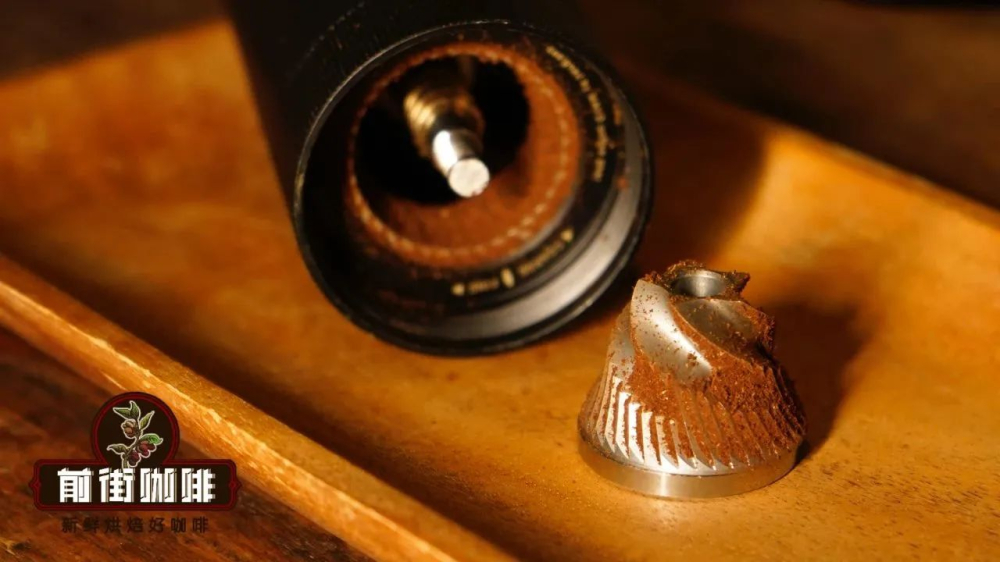
As for expert-level hand-cranked grinders over 1000 yuan, although we don’t recommend further subdividing the 1000–2000 or 2000–3000 sub-ranges—as we generally suggest moving straight to electric grinders above 2000 yuan—it’s undeniable that grinders in this price range, whether from well-known German brands or other makers, ranging from around 1500 to 2500 yuan, do show a significant improvement in overall build quality and user experience. For users pursuing the utmost detail in pour-over brewing, they’re definitely worth a try.
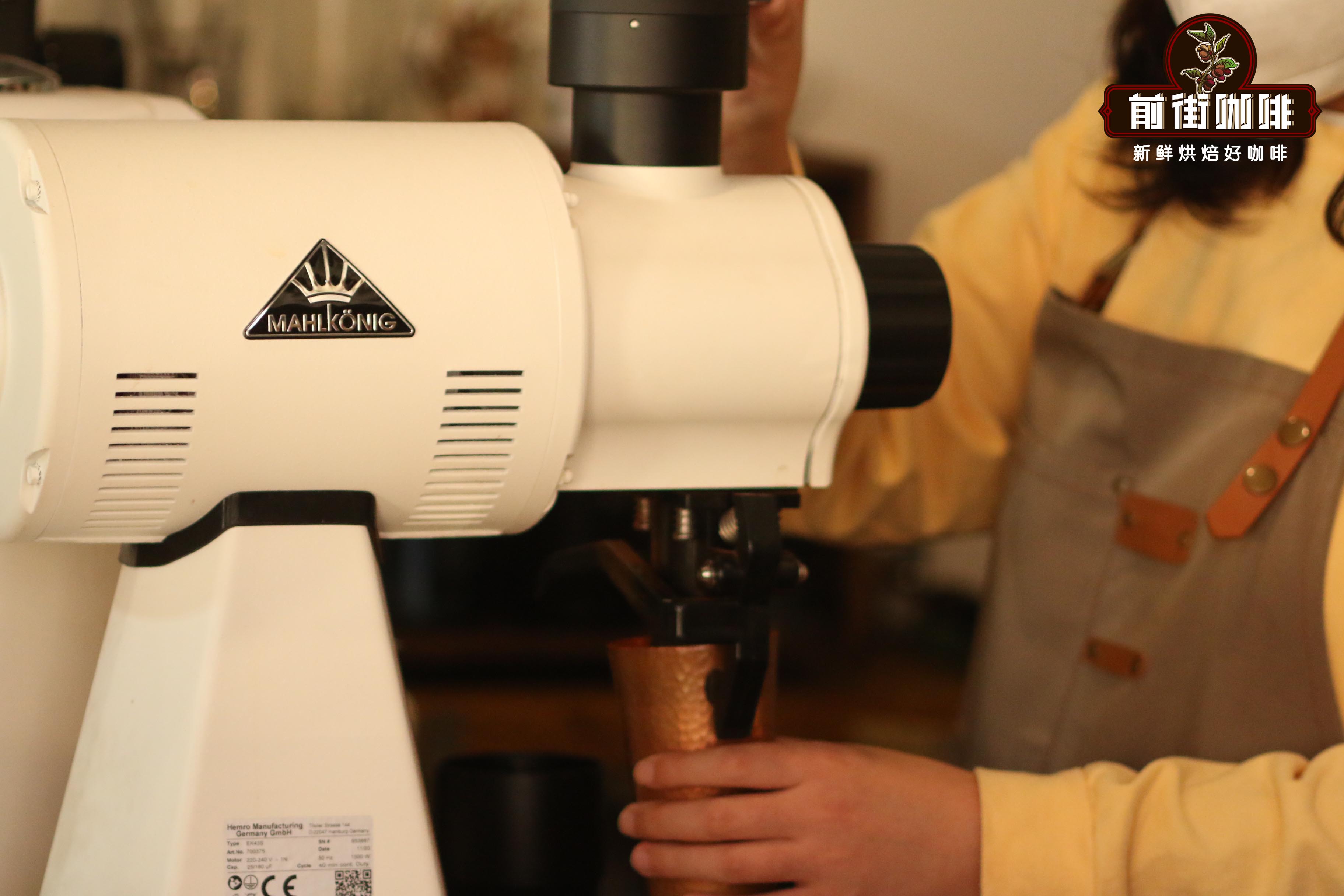
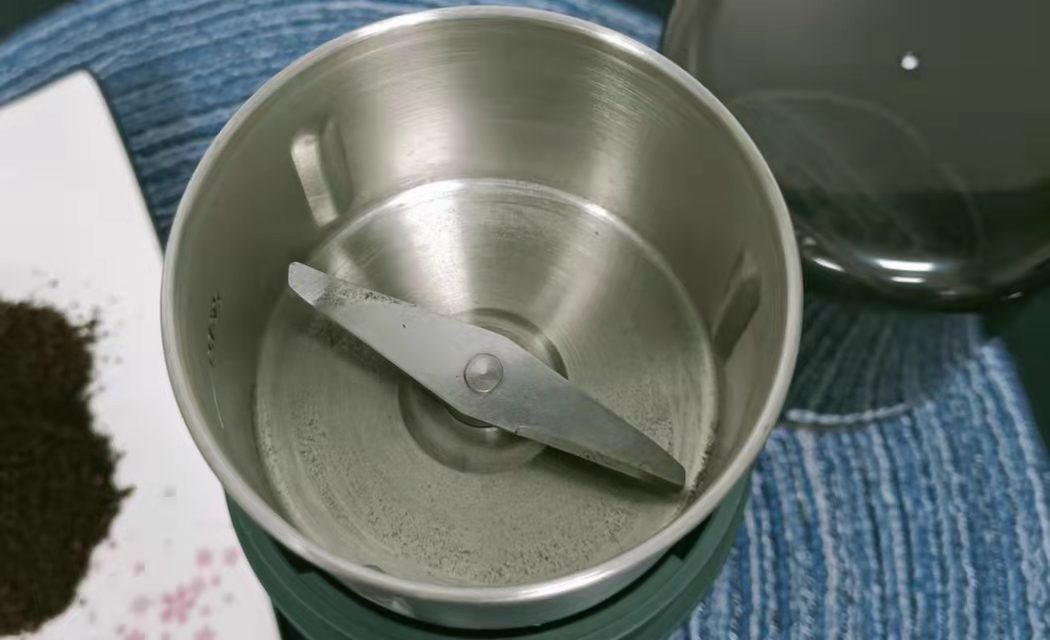
Turning to electric grinders, we particularly do not recommend portable or so-called "bean chopper" types—these machines usually adopt a structure similar to a food processor, relying on just two rotating blades to randomly chop coffee beans, making it difficult to control grind fineness. When selecting, first clarify your needs: Are you making fine espresso, or drip-style pour-over coffee? Grinders for these two purposes differ greatly in design and grind size range, and most are not interchangeable. If your budget is ample—for example, around 20,000 yuan—the Mazzer zm filter and Mahlkonig EK 43 are both recognized top-tier choices. Aside from being expensive and taking up considerable space, they are almost flawless.
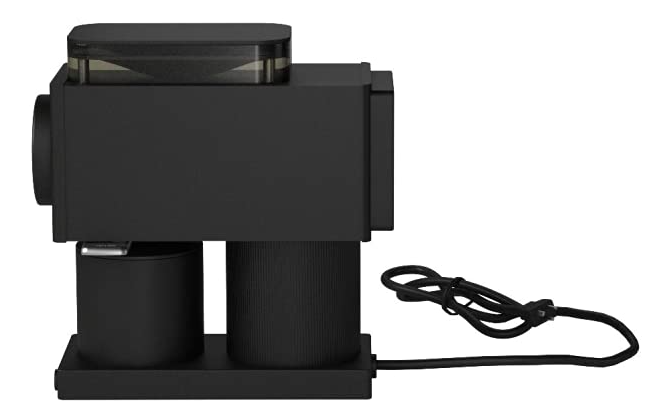
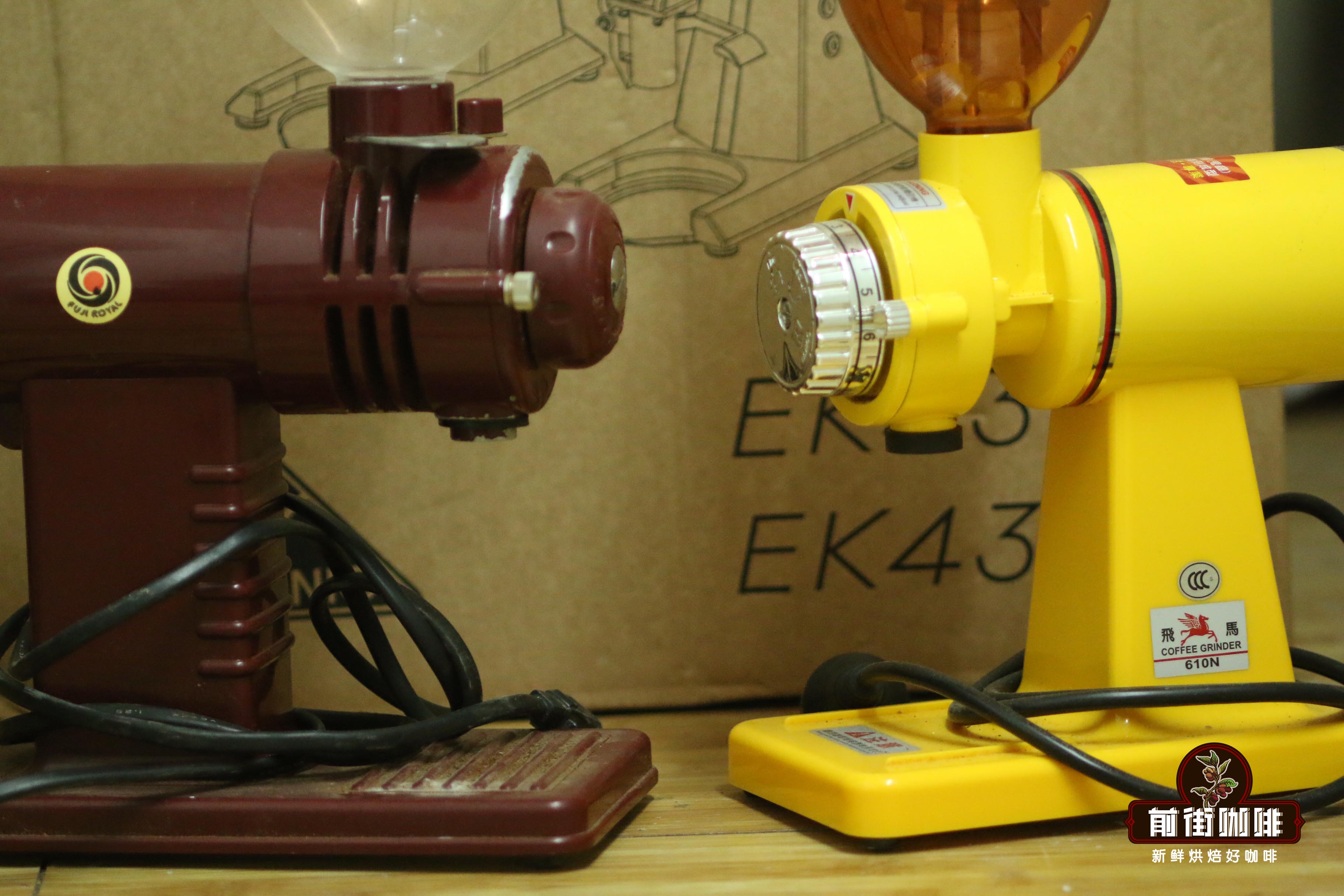
For most users with a budget under 4000 yuan, the Royal Kono Mini and Fellow ODE are two compact electric grinders worth considering. The Royal Kono Mini stands out with its conical burr design, especially suitable for drip coffee primarily brewed via pour-over, delivering relatively uniform particles. The Fellow ODE is widely praised for its compact size and sleek all-black design, often dubbed the "little black box" for its stylish look. However, a common downside of both is their slower grinding speed. Also, the so-called "mini Konos" on the market priced around 300–600 yuan, despite marketing terms like "compact powerhouse" or "domestic mini Kono," differ greatly from the real Royal Kono (priced around 3300 RMB overseas) and are actually knockoffs, with questionable quality and performance.
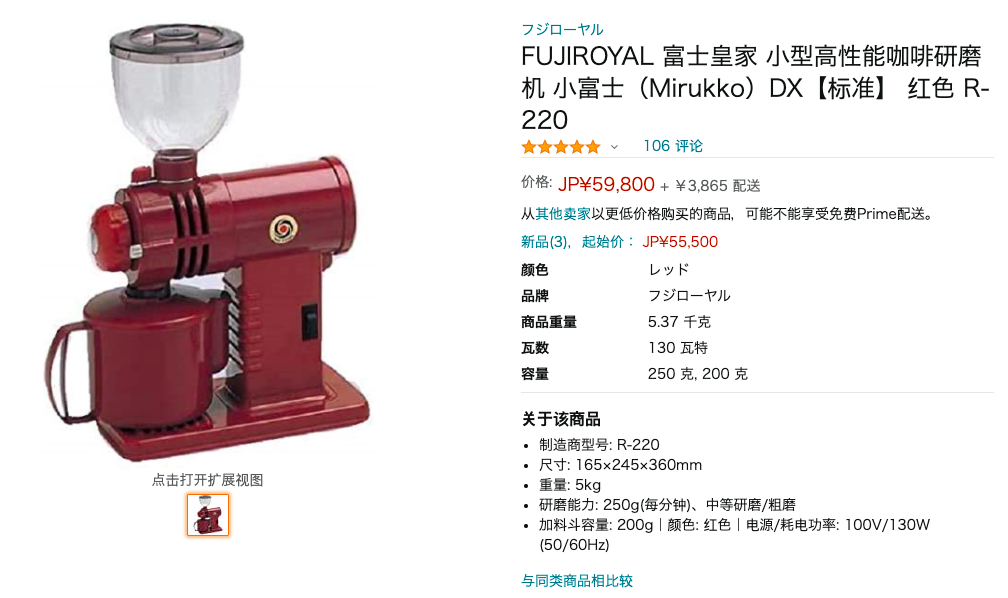
Although we haven’t personally tested these affordable imitations, we once compared the roughly 800–900 yuan Xiao Feima 610N and found its grind consistency—especially in fine particle control—was noticeably inferior to the Royal Kono, with the difference clearly visible in the amount of fines data. Some baristas have noted that using the Xiao Feima alone doesn’t reveal major issues, but once compared with high-end models, the performance gap becomes immediately obvious. As for the 300–600 yuan "mini Kono" products, we can’t provide a definitive assessment. Additionally, there are other budget-friendly yet decent-quality electric grinders on the market, but as we haven’t used them ourselves, they are not discussed in this article.

The above content is compiled by CoffeeHunters, a coffee news website.


