







Introduction:Want to accurately determine the roast level of your coffee beans, but often misled by vague labels or appearances? This article delves into how to quickly identify the differences between light-to-medium and medium-to-dark roasted beans through flavor characteristics, bean color changes, and professional color value systems. It also provides practical pour over water temperature, grind size, and extraction time parameters to help you achieve the best flavor profile.
Many coffee enthusiasts often face a dilemma when purchasing coffee beans: the bag lacks clear roast level labeling, making it difficult to adjust brewing parameters. In fact, beyond written labels, we can infer roast levels in multiple ways—even without label hints, you can still make quick distinctions.
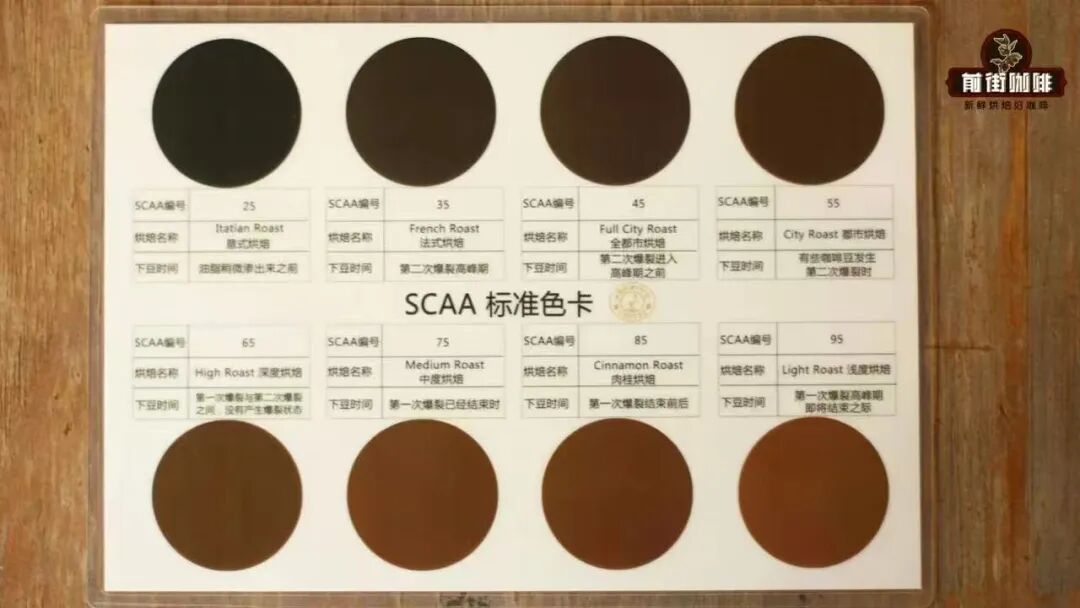
The industry commonly uses "Agtron color values (caramelization analysis values)" to scientifically determine roast levels. This system quantifies the color of coffee beans, where higher values indicate a lighter roast. The SCAA-developed Agtron color chart divides roasts into eight grades, but it’s challenging for average consumers to judge accurately by the naked eye. Moreover, modern roasting trends lean toward lighter roasts, and not all consumers have been exposed to all types.
< >
Directly applying industry terms like “city roast” or “French roast” may instead increase the learning curve and easily confuse beginners. Different shops also define roast levels differently, lacking unified standards. Therefore, it’s recommended to judge roast levels based on coffee flavor characteristics—this is more intuitive and practical.
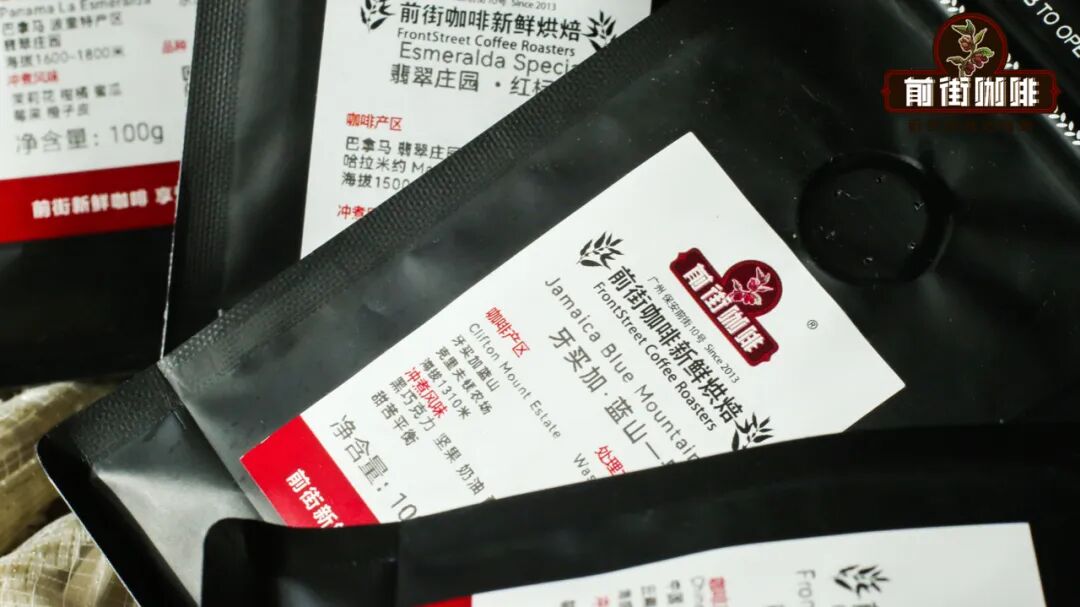
The simplest way to distinguish roast levels is by the intensity of acidity, sweetness, and bitterness in the coffee. Those with acidity as the dominant note usually fall under light-to-medium roasts, while those with pronounced bitterness are mostly medium-to-dark roasts. Combining this with the flavor descriptions on the bag allows for more accurate roast level estimation.
For example, if the flavor notes mention "lemon," "citrus," or "berries"—which are bright or acidic fruits—it might be an acidic type within the light-to-medium roast range, such as certain Ethiopian washed beans. If "grape," "melon," or "blueberry" appear—sweet fruit flavors—it could be a medium-range within the light-to-medium roast. These beans are often found among high-altitude single-origin specialty lots.
< >
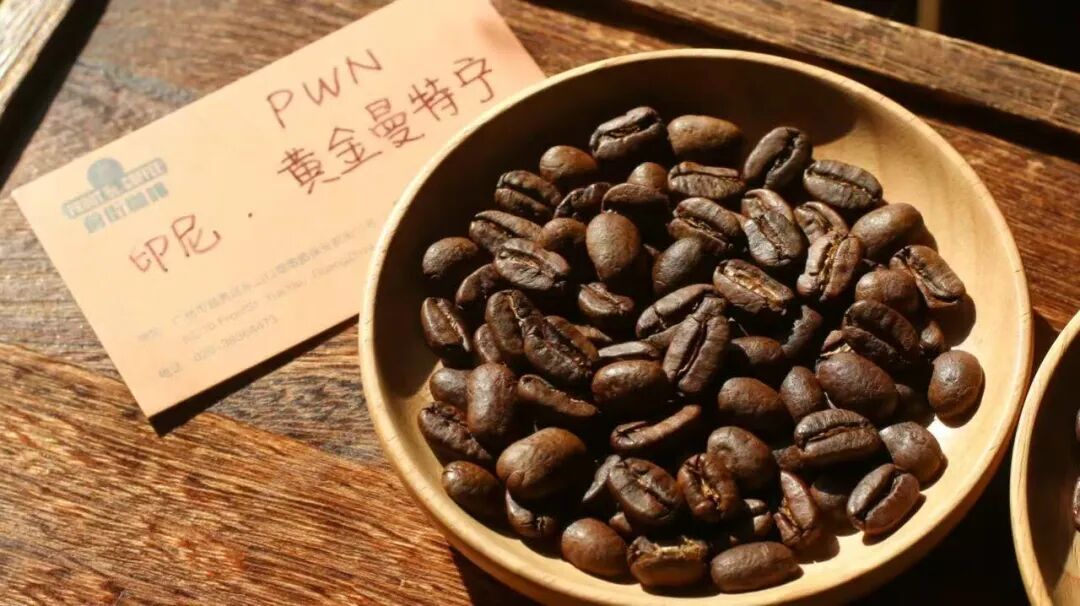
Judging medium-to-dark roasts is equally straightforward. Flavor descriptions that include "cane sugar," "maple syrup," "cream," or "chocolate"—with distinct sweetness—often indicate a mid-range medium-to-dark roast, such as some Papua New Guinea or Yunnan beans. If "roasted nuts," "caramel," or "dark chocolate" emerge—indicating intense roasted and caramelized notes—it may be a deeper medium-to-dark roast, like Brazil Queen Estate or Sumatra Golden Mandheling.
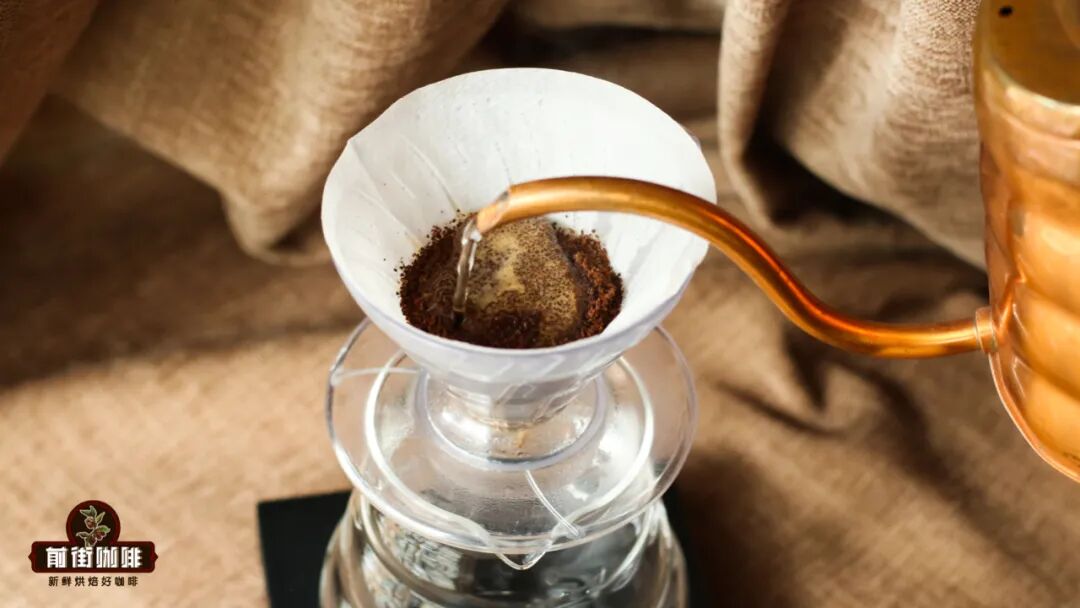
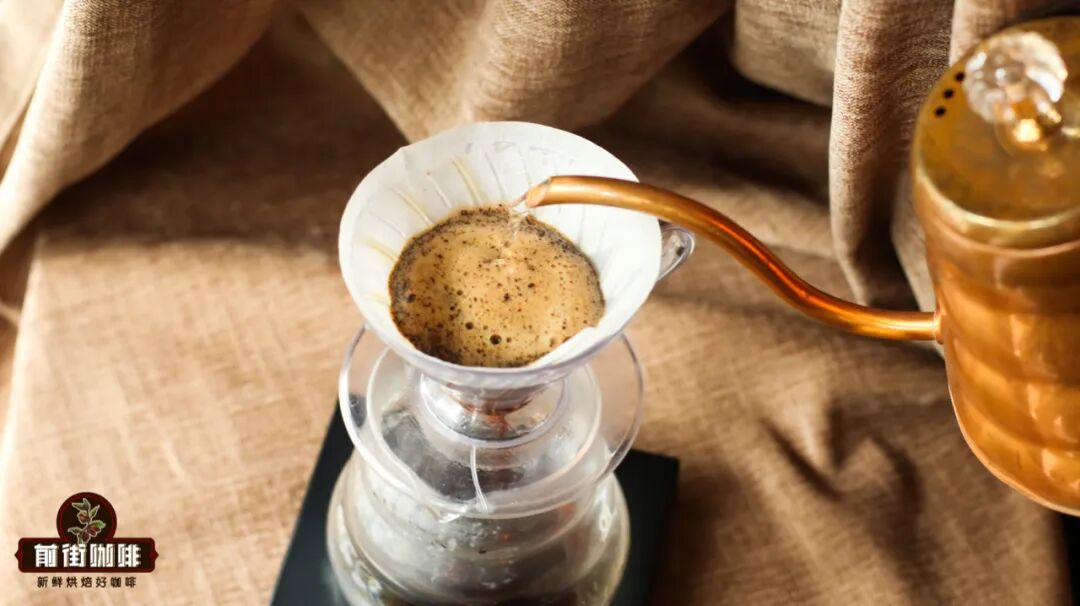
Once you’ve identified the roast level, adjusting pour over parameters is key. For light-to-medium roasts, it’s recommended to use a water temperature of 90–93°C, a grind size of about 75%–80% passing through a #20 sieve, a 1:15 brew ratio, and a brew time of around 2 minutes. For medium-to-dark roasts, lower the water temperature to 86–89°C and slightly coarsen the grind; other parameters remain unchanged. The lighter the roast, the higher the suitable water temperature and finer the grind; conversely, opt for lower temperatures and coarser grinds.
Note that when adjusting coffee dose up or down, brew time and grind size may need fine-tuning. For instance, increasing the dose may require extending brew time or slightly adjusting the grind finer to ensure sufficient extraction.
< >
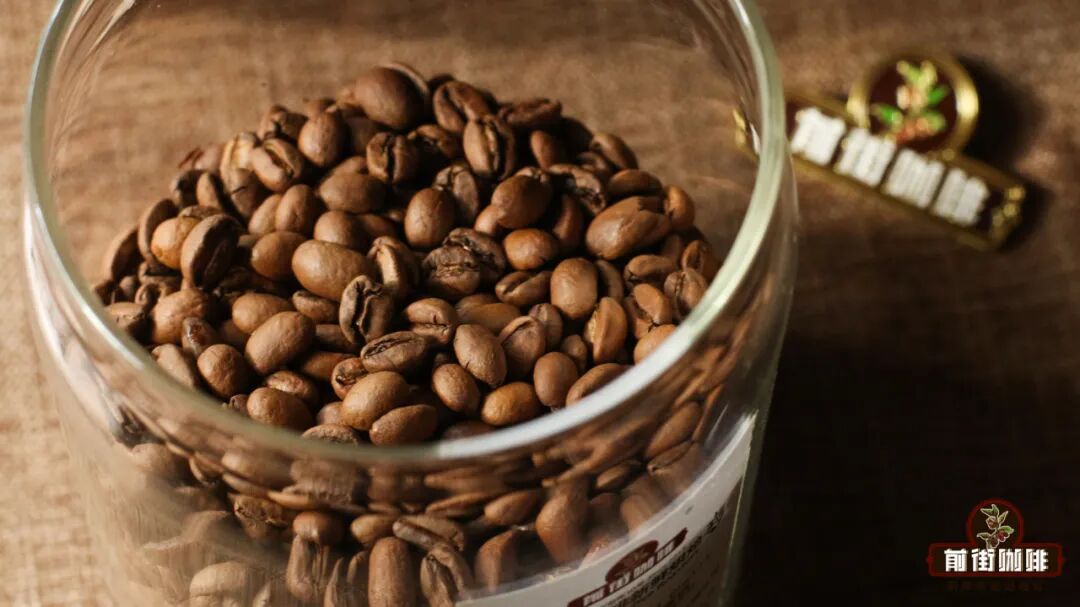
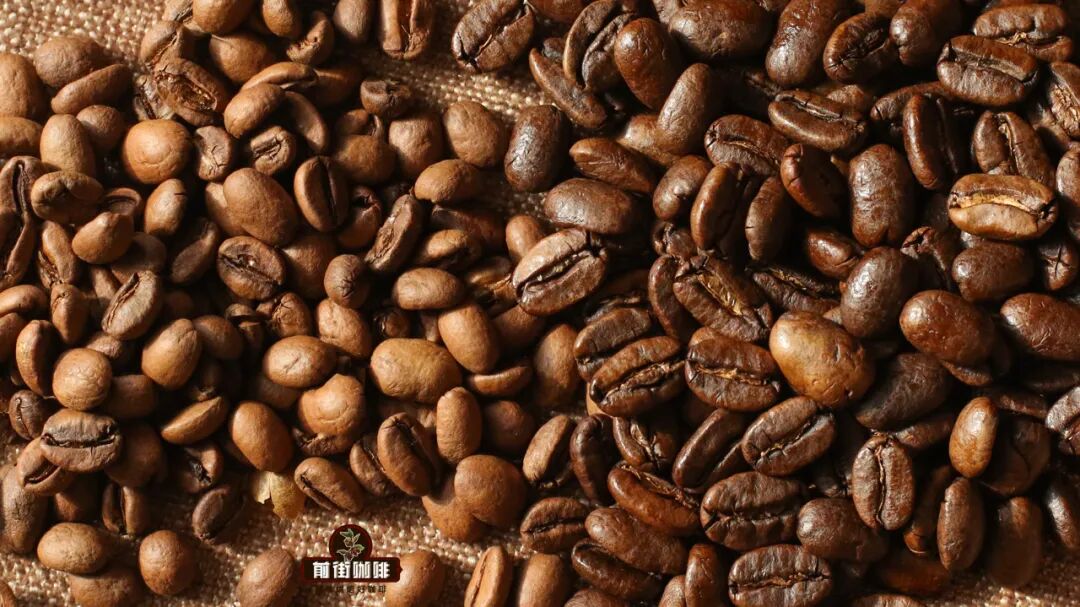
Besides flavor and parameters, observing the appearance of coffee beans can also assist in judgment. Beans that are darker in color or appear oily on the surface are likely medium-to-dark roasts; lighter-colored and drier-looking beans may be light-to-medium roasts. But this method is only for reference and should not be used as the sole basis.
Sometimes appearance can be misleading. For example, some beans may look like dark roasts but actually present sweet fruit flavors like blueberry or grape—falling into the medium-light roast range. Using dark roast parameters based on appearance may lead to under-extraction, negatively impacting flavor.
< >
In summary, identifying the roast level of coffee beans can be approached from multiple angles—flavor, color value, and appearance. It’s recommended to primarily refer to flavor descriptions, paired with suggested brewing parameters, to find the most suitable extraction method and enjoy the optimal flavor of your coffee.
< ><
 ><
 ><
 ><
 ><
 >
The above content is compiled by CoffeeHunters, a coffee news website.


