







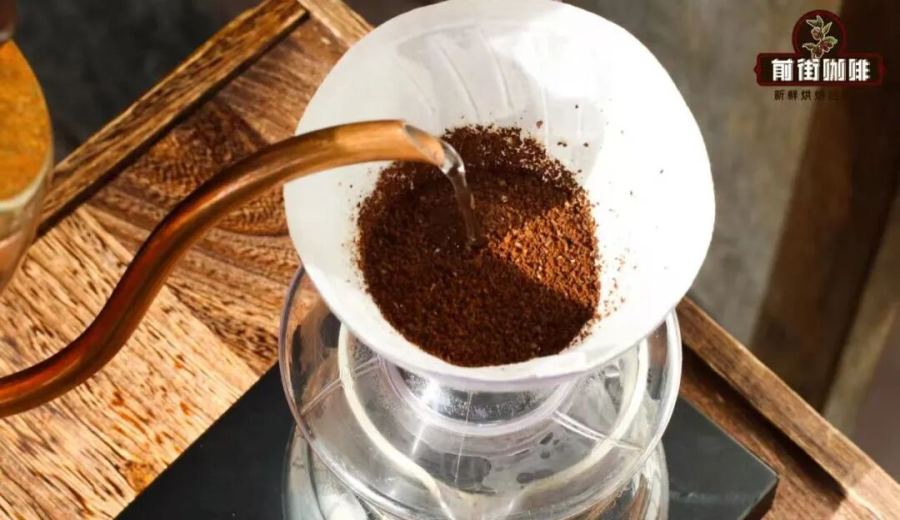
Introduction:Have you ever wondered if espresso beans can be used for pour over? In fact, with the right extraction parameters, both espresso blends and single-origin SOE beans can produce unique flavors through pour over. This article delves into the differences between espresso beans and pour over beans, explains why espresso beans are typically roasted darker, and uses examples such as Huakui SOE and Strawberry Sugar Espresso to provide practical pour over parameter suggestions. These tips will help you achieve a bright, sweet-and-acid balanced black coffee using espresso beans of varying roast levels.
Many coffee enthusiasts have asked this question: Can blend beans designed specifically for espresso machines really not be used for pour over? The answer is yes — they can. However, "can it be done" and "does it taste good" are two different things. Using espresso beans for pour over hinges on adjusting the extraction parameters according to the beans’ roast characteristics in order to bring out their optimal flavor.
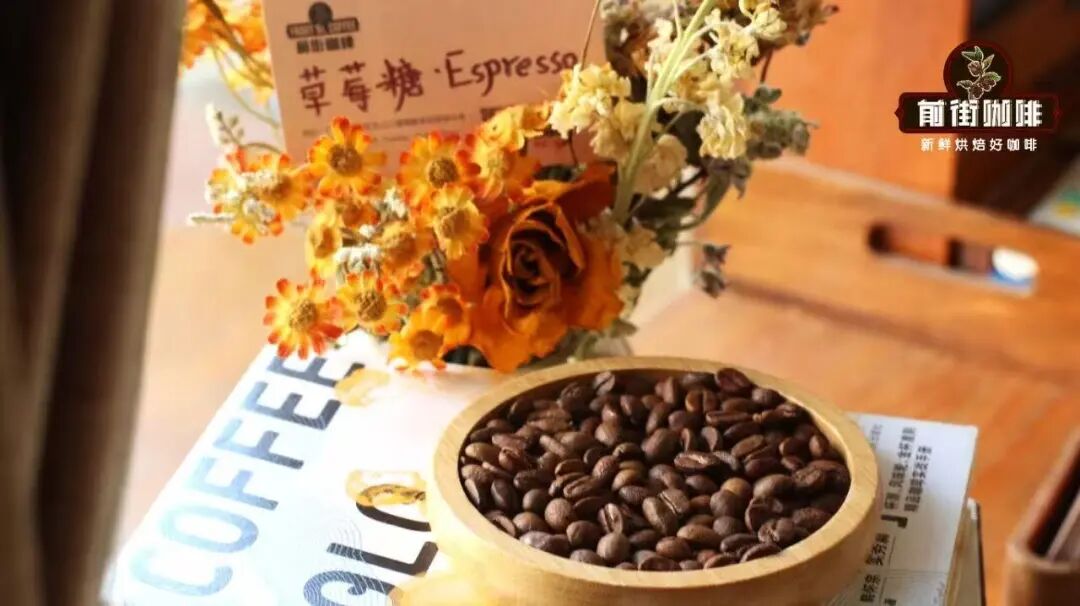
Generally speaking, espresso beans are roasted darker than those used for pour over or French press, primarily to suit milk-based coffee drinks. Lighter roasts, while they highlight bright fruit acids and floral-fruity aromas, may see these delicate flavors overwhelmed by milk when used in drinks like lattes. Especially in milky coffees, acidity can come across as thin and unbalanced.
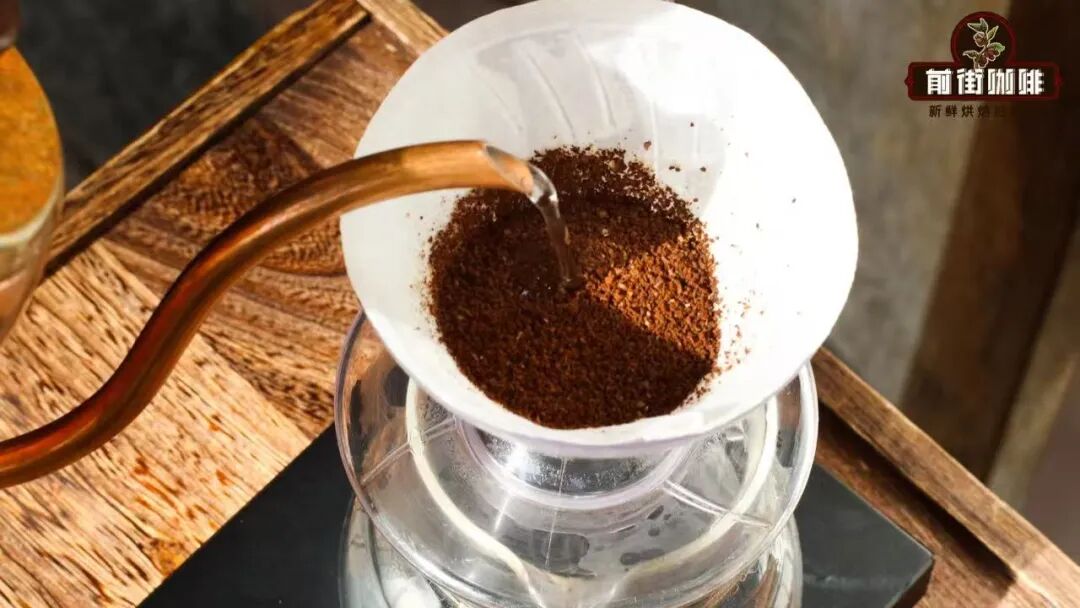
Additionally, espresso made from light roasts often exhibits more pronounced acidity. Given that espresso is highly concentrated, acidity becomes magnified, which can be off-putting in drinks like con panna or Dirty that aim to highlight the coffee’s inherent flavors. To lower overall acidity and impart sufficient caramel sweetness and body to stand up to the milk, most espresso beans are medium-dark to dark roasted.
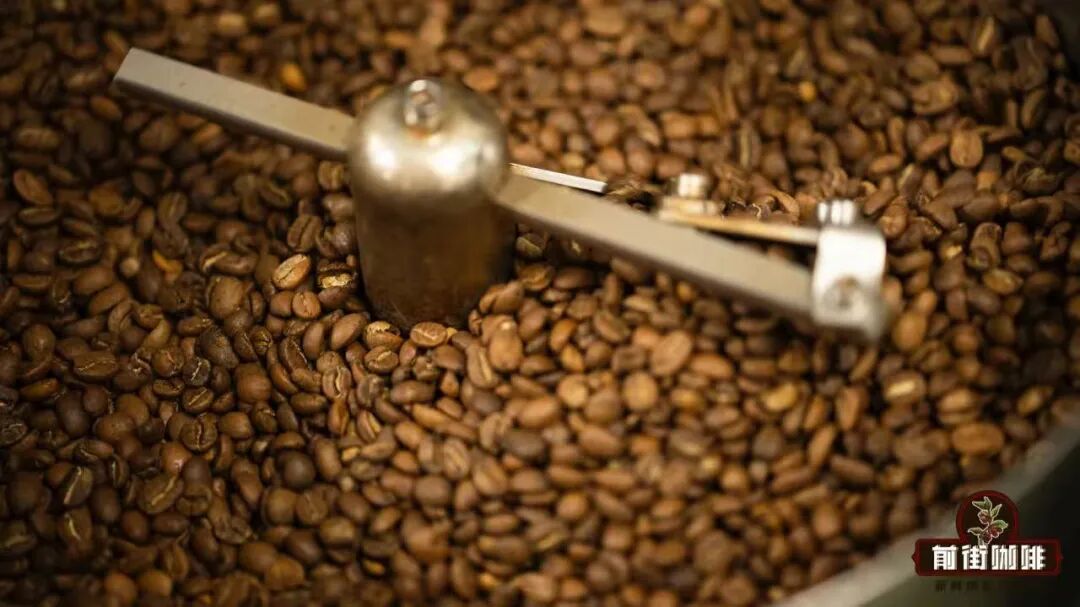
This also means that if you want to use espresso beans for pour over, the first step is to understand their roast level, then adjust water temperature, grind size, and brewing technique accordingly to avoid over-extraction or flavor imbalance. For example, one café offers Huakui SOE in both light and medium roast options, each suited to different brewing methods.
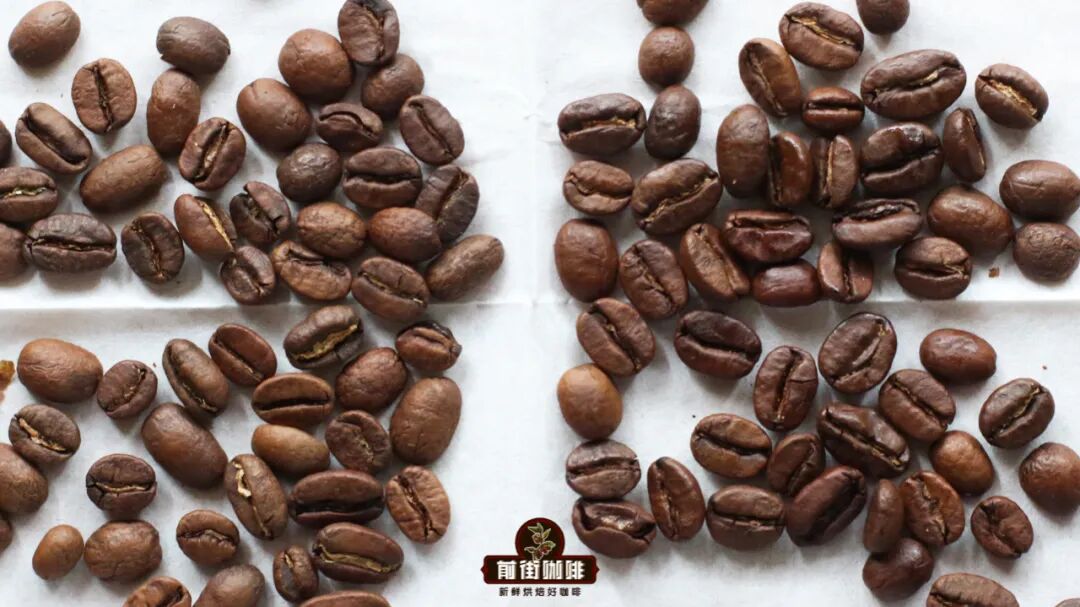
Let’s start with the light roast Huakui. This bean emphasizes fruity and floral notes and is ideal for a high-efficiency pour over. Recommended parameters are: 15g of coffee grounds, 92°C water temperature, using a #20 sieve to achieve a grind fineness with about 75%–80% of particles passing through, a 1:15 coffee-to-water ratio, and a three-pour brewing method with a total extraction time of around 2 minutes. These settings fully bring out the bean’s berry, citrus, oolong tea, and floral notes, resulting in a clean cup with balanced sweet and acidic tones.
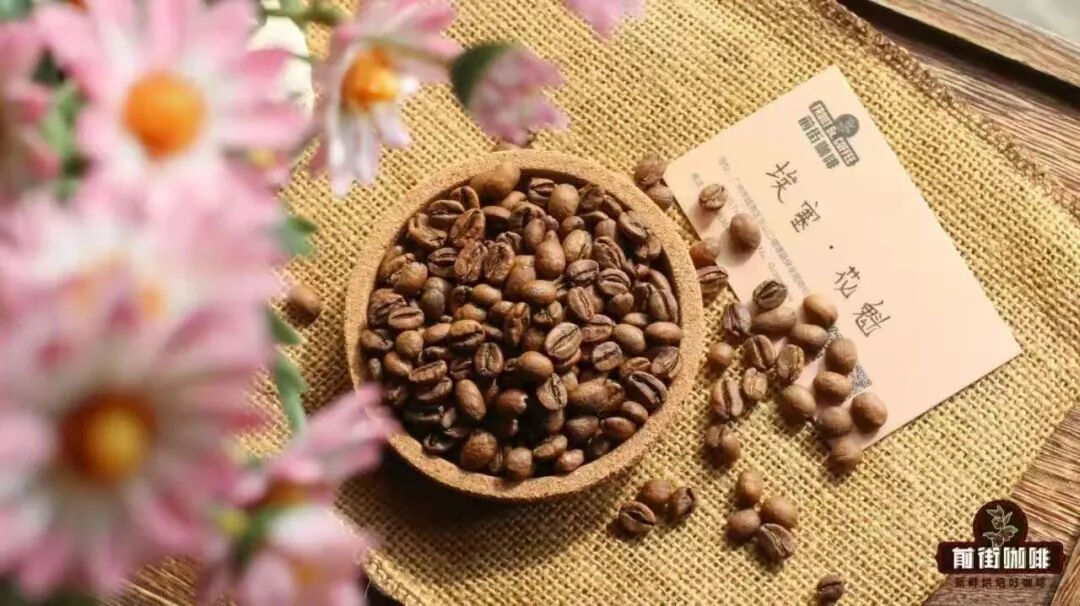
However, applying the same parameters to a medium roast Huakui may lead to over-extraction, resulting in off-flavors and excessive bitterness. Since medium-dark roasted beans release flavors more quickly, the extraction strength should be relatively reduced. It’s recommended to lower the water temperature to 90°C and adjust the grind coarser to around 70%–75% passing through a #20 sieve, thereby reducing the contact area between coffee grounds and water. This approach more stably highlights chocolate, caramel, and deep fruity notes, yielding a rounder, fuller body with a longer aftertaste.
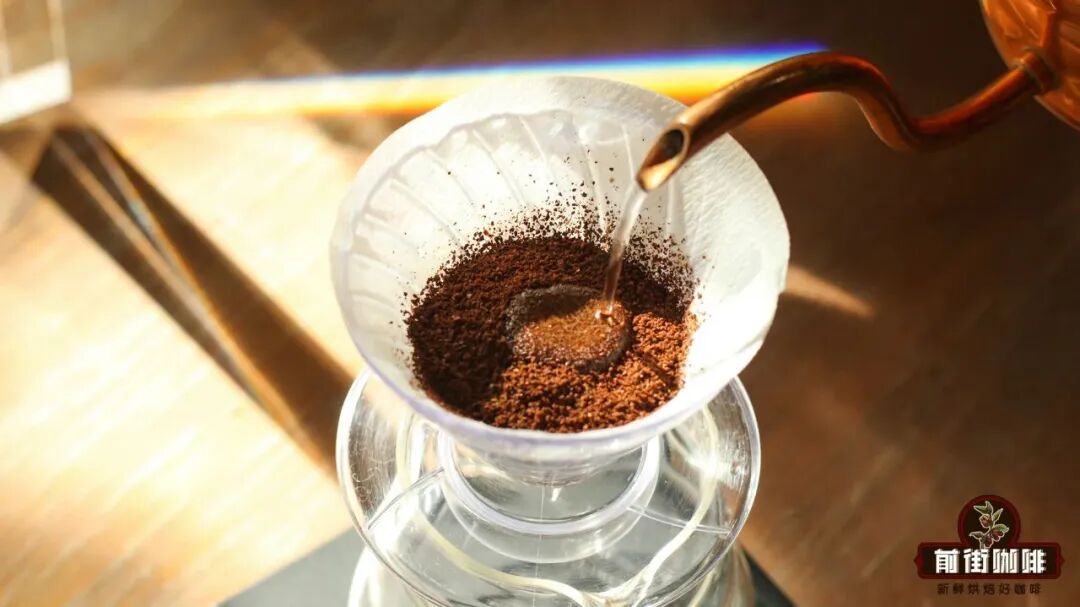
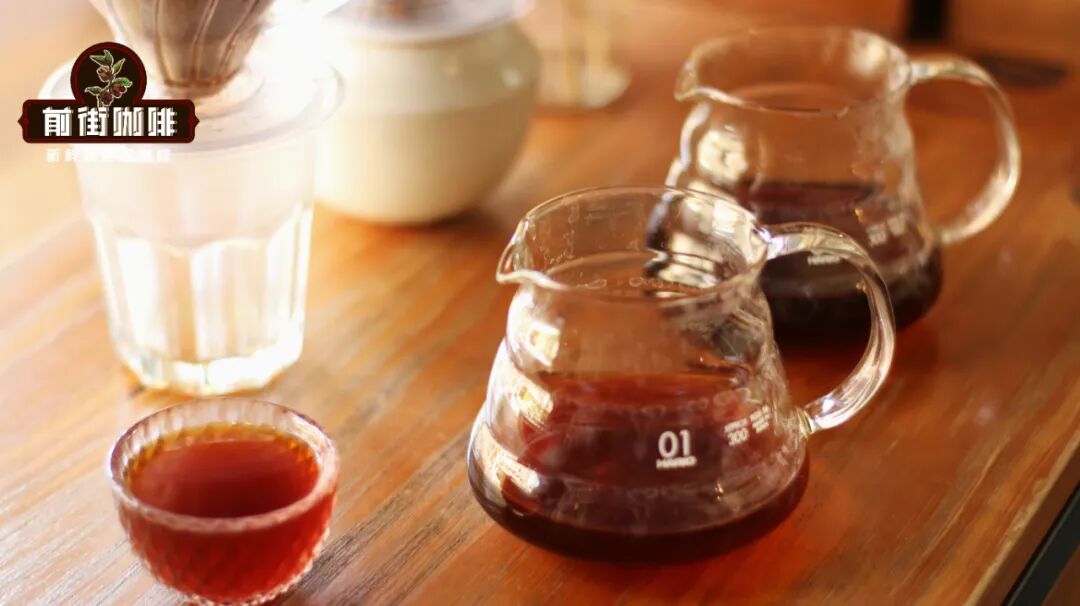
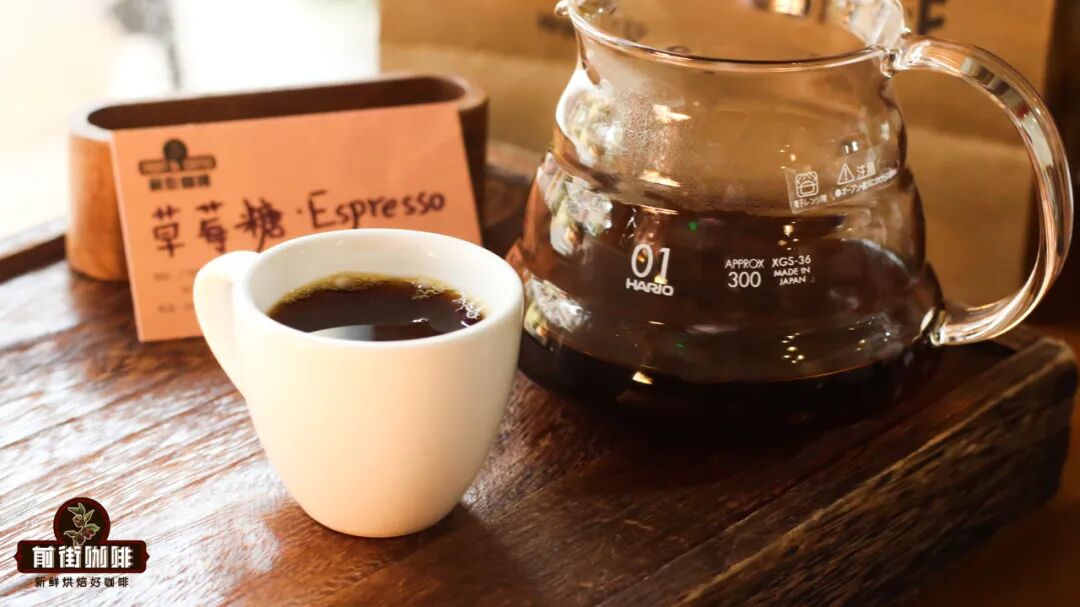
These adjusted parameters also apply well to a certain shop’s Strawberry Sugar Espresso. It is suggested to use 15g of coffee, control the water temperature between 88–90°C, maintain a 1:15 coffee-to-water ratio, use a grind of 70%–75% passing through a #20 sieve, employ a three-pour method, and keep the extraction time at 2 minutes. The resulting coffee features distinct flavor layers, with cream, strawberry, blueberry, and chocolate as the main notes. The balance of acidity, sweetness, bitterness, and body is excellent, with a rich mouthfeel and long-lasting aftertaste.
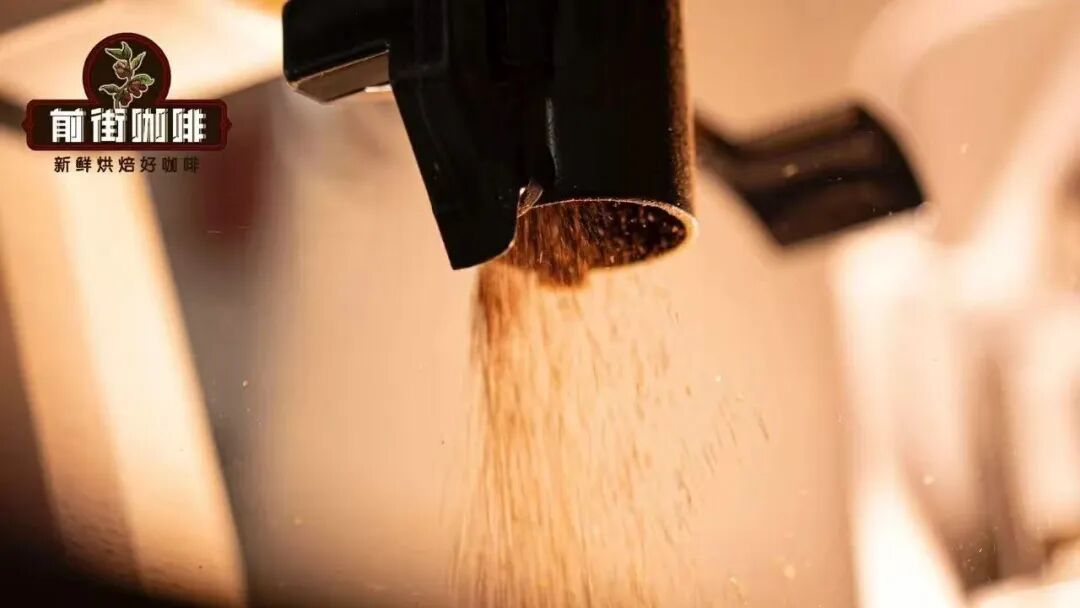
In summary, if your espresso beans are roasted on the darker side, it’s advisable to use a coarser grind and set the water temperature between 86–88°C to prevent over-extraction caused by high efficiency, which could negatively impact overall flavor expression. With the right parameter adjustments, whether it’s Huakui SOE or Strawberry Sugar Espresso, you can experience aroma and taste profiles distinct from traditional espresso — offering you a whole new coffee experience through pour over.
The above content is compiled by CoffeeHunters, a coffee news website.


