








Introduction:To enjoy a high-quality pour over coffee, choosing the right coffee beans is key. This article selects premium coffee beans from ten renowned global regions—from Brazil to Kenya—each with unique flavor profiles and brewing recommendations. Not only does it provide detailed flavor descriptions, but also includes practical extraction parameters and tips for beginners, so you can easily brew professional-level pour over coffee at home.

A good cup of coffee starts with selecting high-quality beans. For pour over coffee enthusiasts, understanding the characteristics of beans from different regions and the appropriate brewing methods is an important step toward enhancing your coffee experience. Below, we’ll introduce ten famous coffee regions from around the world along with their representative beans, helping you find the pour over coffee that best suits your taste.
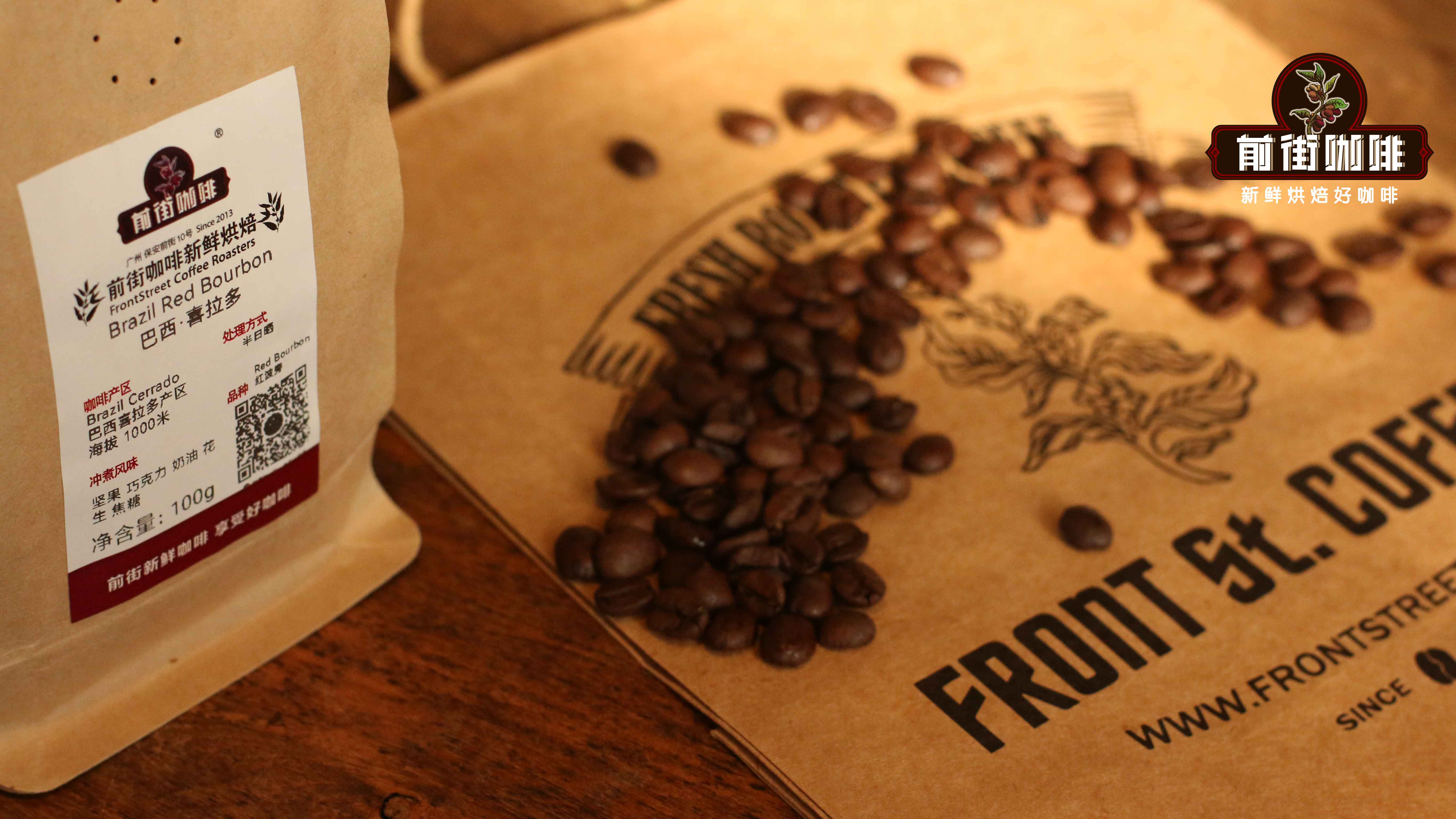
First, let’s visitBrazil, one of the top coffee-producing countries in the world. The Cerrado Red Bourbon variety here is known for its consistent quality. Although Brazilian coffee is generally not known for strong acidity, its chocolatey, nutty, and creamy flavors make it an ideal base for espresso. This Brazilian Cerrado Red Bourbon features prominent notes of chocolate, cream, cookies, and peanuts, making it perfect for those who enjoy a rich and bold taste.
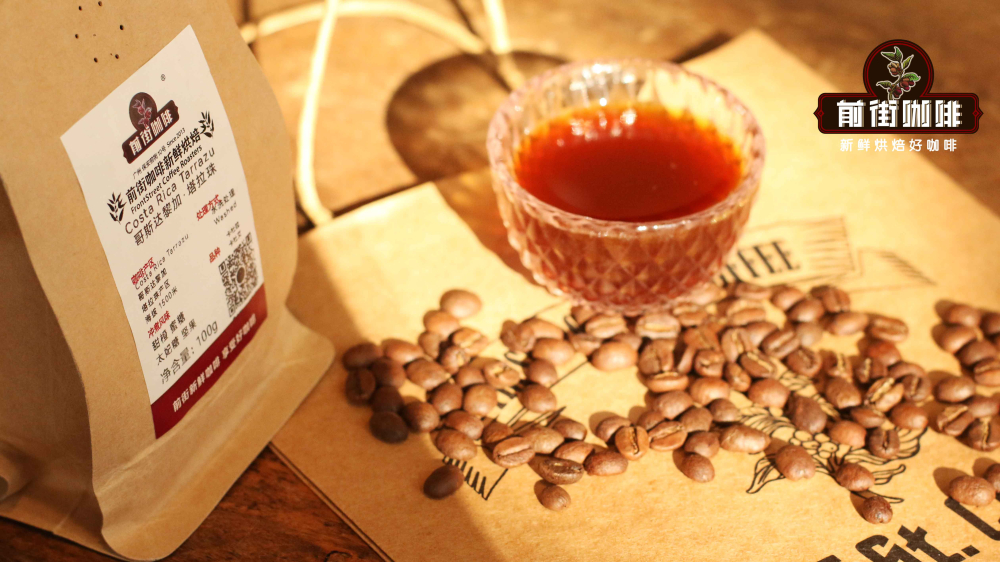
Next isCosta Rica, blessed with volcanic soil, particularly in the Tarrazú region. Coffee beans from this area are primarily Arabica, offering bright acidity with sweet orange and citrus tones, paired with nutty and maple-like sweetness for excellent balance. These Costa Rican Tarrazú beans are great for single-origin tasting and also an excellent choice for blends.
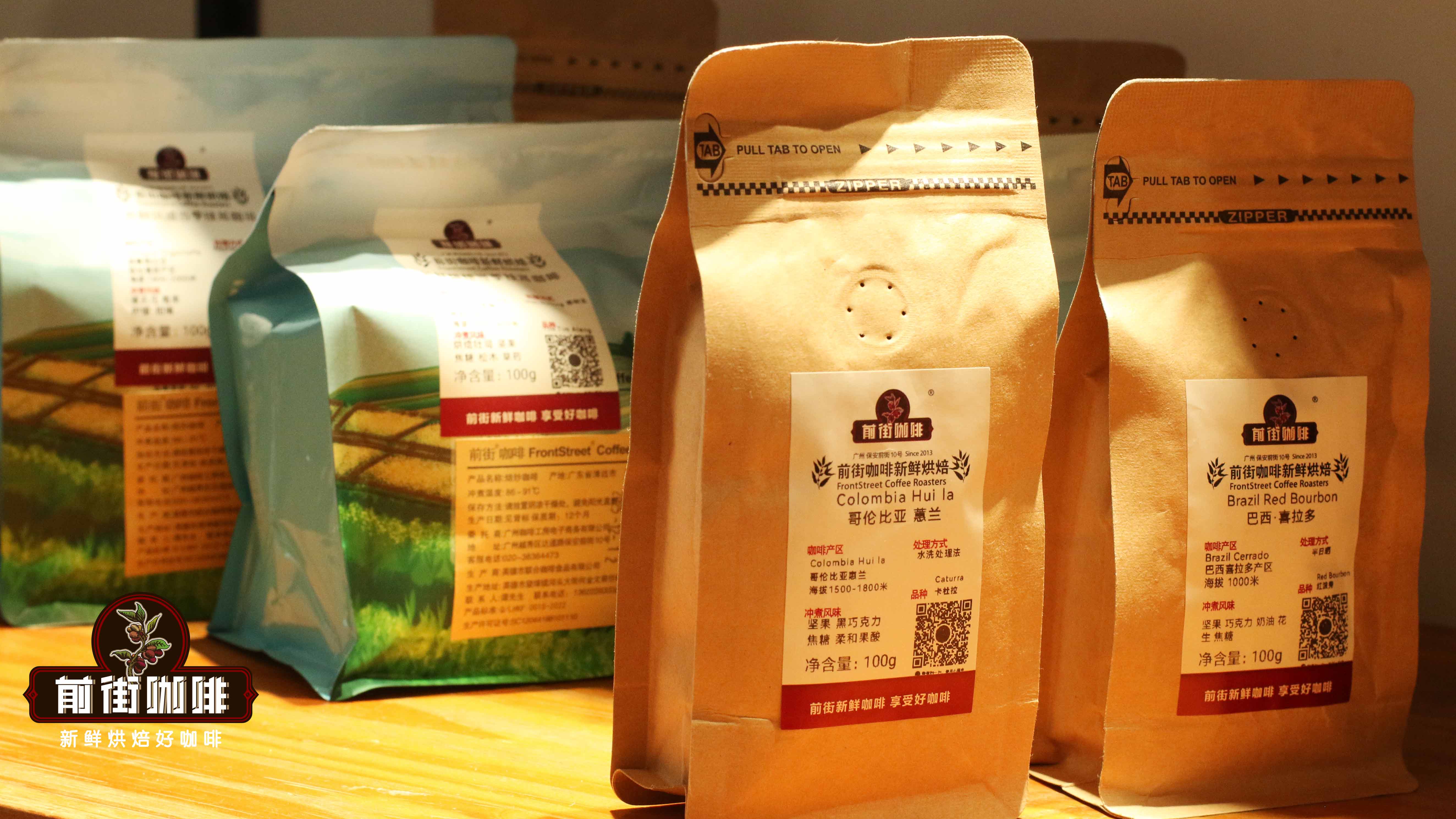
Colombia’s Huila region is famed for its deep and complex flavor profile. Coffee from here often carries aromas of dark chocolate, cream, and almond biscuit, with a hint of caramel sweetness on the finish. Colombian coffee has a wine-like body with rich layers, making it ideal for coffee lovers who enjoy complex flavors.
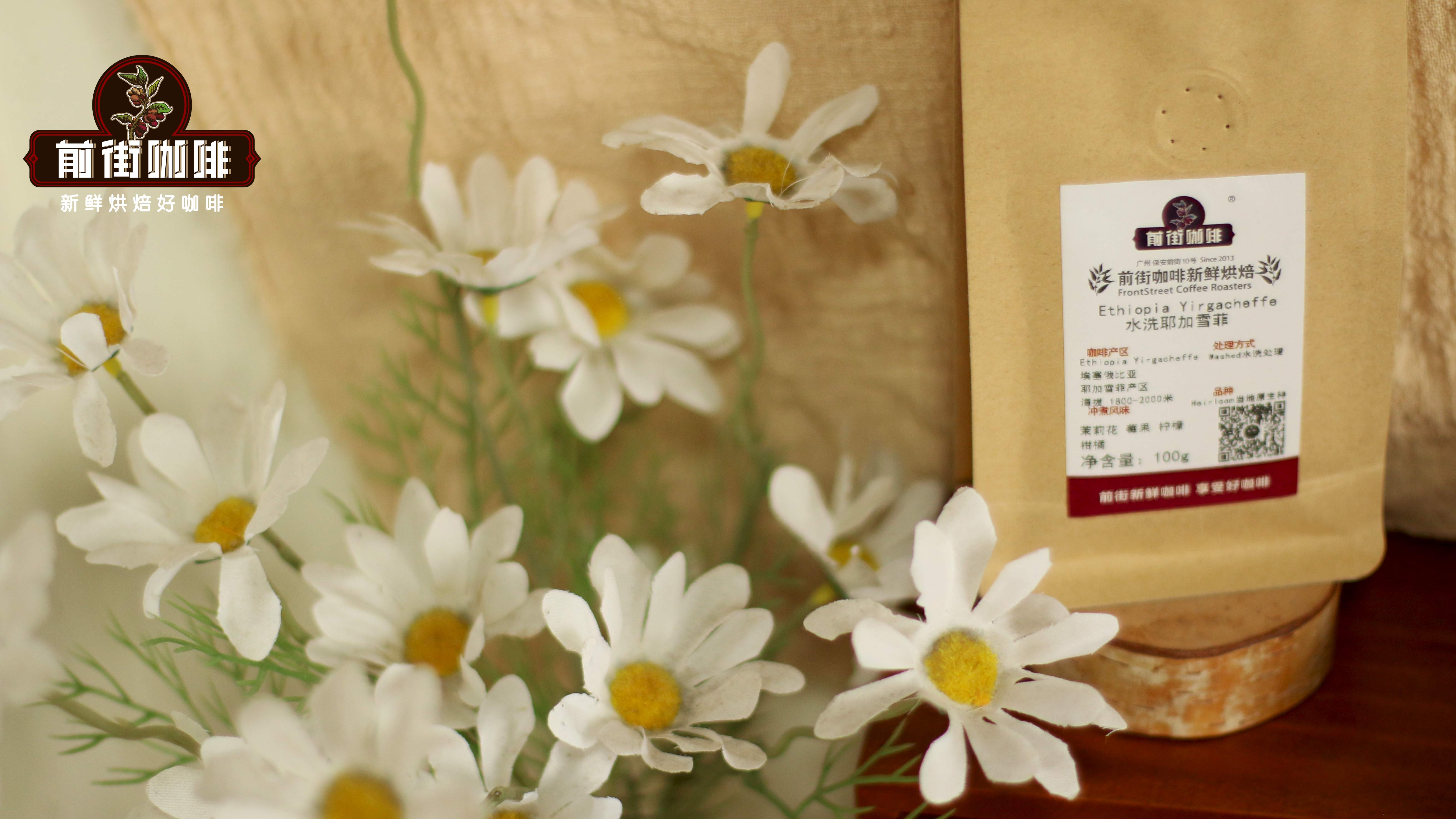
Now to the birthplace of coffee,Ethiopia, where Yirgacheffe is undoubtedly one of the most representative varieties. Ethiopian coffee is well-known for its tea-like and floral notes, often accompanied by light citrus and lemon tones, giving a refreshing spring-like sensation. This Ethiopian Yirgacheffe showcases layered flavors of white flowers, citrus, lemon, honey, and green tea.
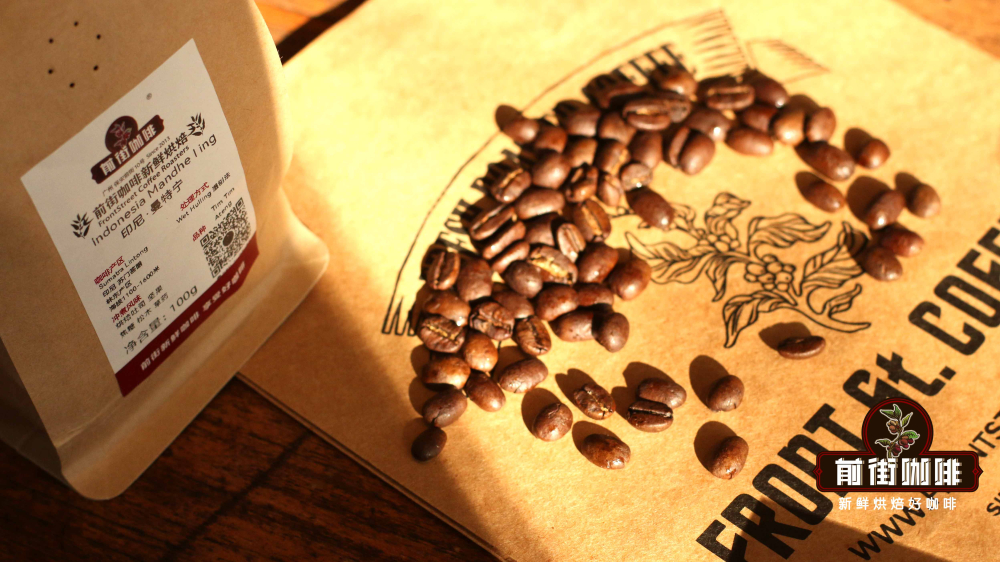
Moving to Southeast Asia,Indonesia, where Mandheling coffee is beloved by enthusiasts for its unique herbal and spicy characteristics. Mainly grown in the Lintong region of Sumatra, this coffee combines notes of nuts, spices, and dark chocolate, with a hint of caramel sweetness on the finish. Indonesian coffee tends to be full-bodied with a long aftertaste, making it a favorite for those who enjoy darker roasts.
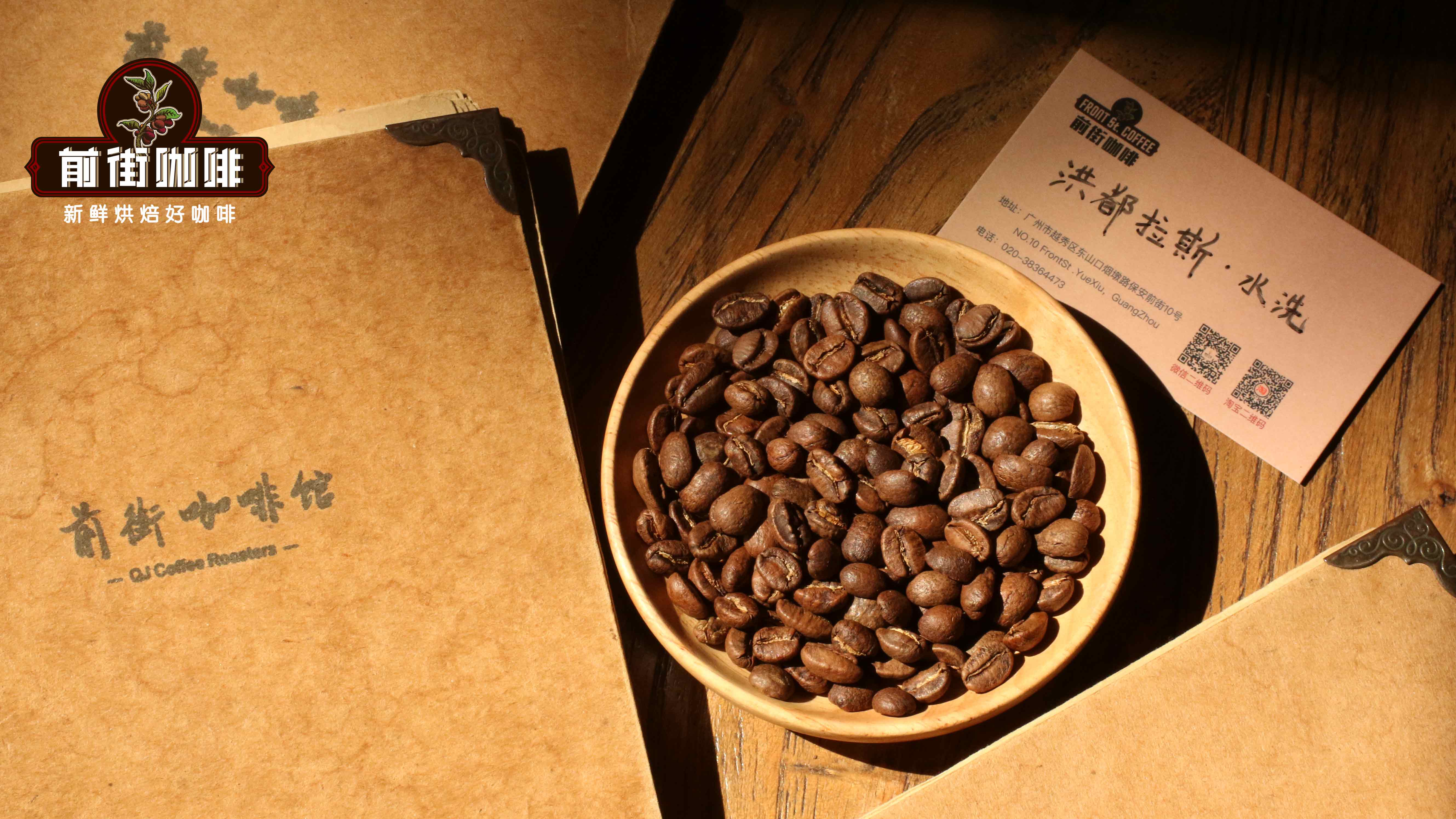
In Central America,Honduras, washed-process Catuai beans perform exceptionally well. The coffee here is dominated by nutty and cocoa notes, with a touch of maltose sweetness. Honduran coffee beans offer great value, making them ideal for everyday drinking or for office and commuting use.

Next isYunnan, China, where small-bean coffee mainly consists of the Typica variety—earning the name “small bean” due to its smaller size. Yunnan coffee typically offers flavors of nuts, brown sugar, and chocolate, with a subtle tea-like quality. For readers looking to try Asian-region coffee, Yunnan small bean is a must-try.

Panama’s Emerald Estate Diamond Mountain series comes from high-altitude regions between 1400 and 1700 meters. This coffee is known for its citrus, nut, and black tea aromas, standing out as a top-tier product in the specialty coffee market. The estate’s strict quality control ensures the high quality of every batch of beans.
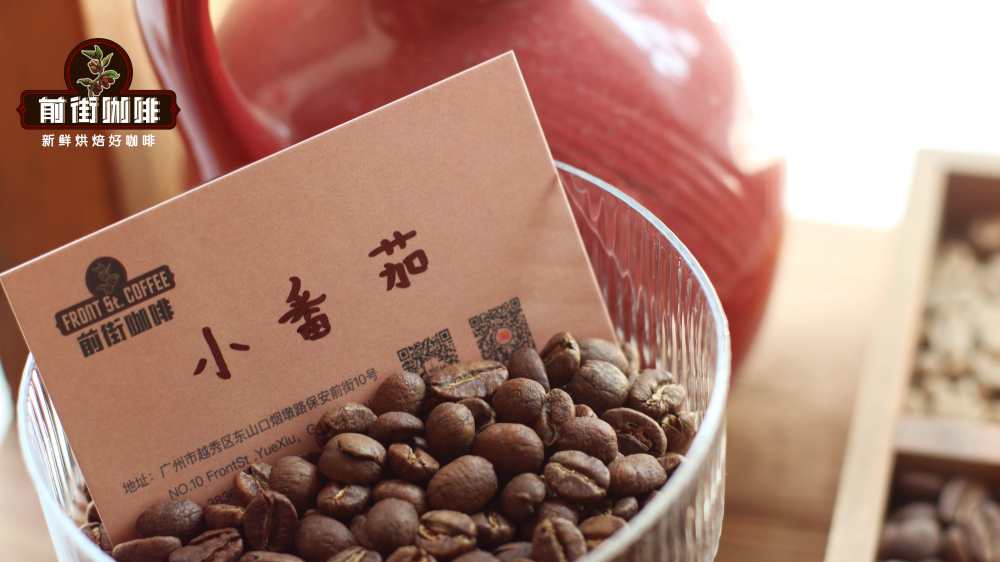
Next up isKenya, whose coffee is famed for its bright acidity and rich fruitiness. Kenyan beans often feature fruit notes like cherry tomato, black plum, and pear, along with distinct dark plum acidity. Using the double washed process, Kenyan coffee achieves both body and clarity, making it a must-try for fruit acid lovers.
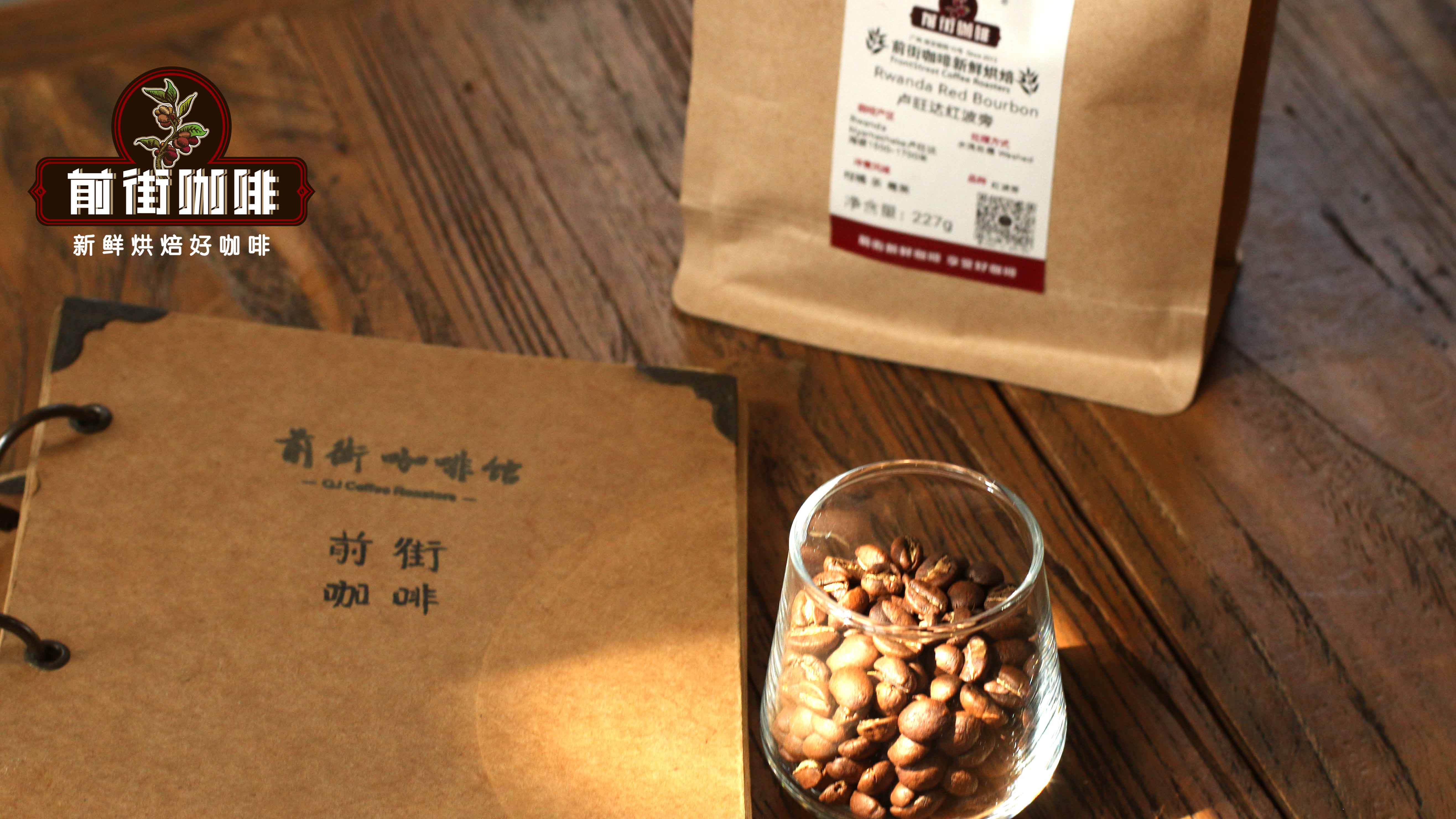
Finally, we introduceRwanda’s Red Bourbon variety. Farmers here pay meticulous attention to washed processing, using only fully red cherries to ensure bean quality. Rwandan Red Bourbon exhibits fresh aromas of apple and green tea, with fruity and tart notes of berries and plums on the palate, finishing with delicate floral and green tea tones.
The above content is compiled by CoffeeHunters, a coffee news website.


