







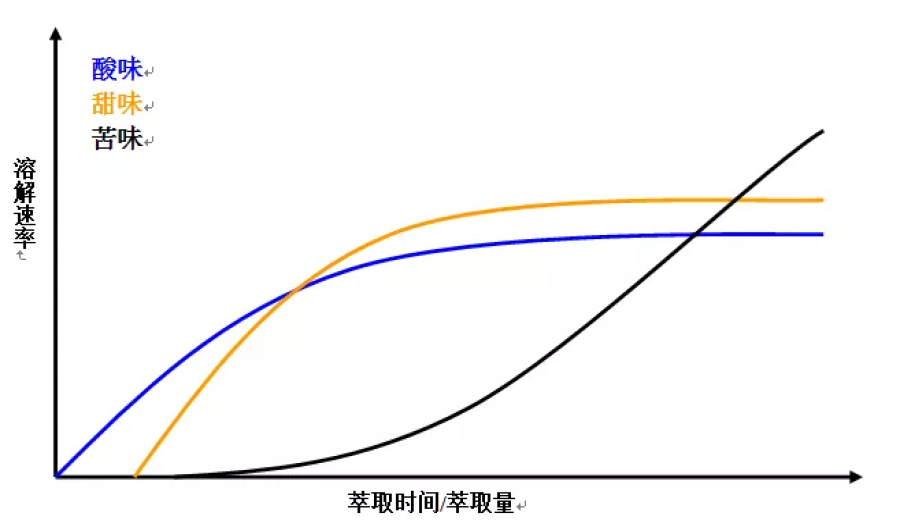
Introduction:Want your pour over coffee to taste sweeter and smoother? Actually, sweetness comes from the balance of acidity and bitterness, not a single flavor. This article selects four single-origin beans with distinct sweetness, and breaks down different extraction strategies for light-to-medium and dark roasts — from water temperature and grind size to pouring techniques, it’ll show you how to draw out captivating sweetness using scientific methods. Even beginners can get the hang of it quickly.
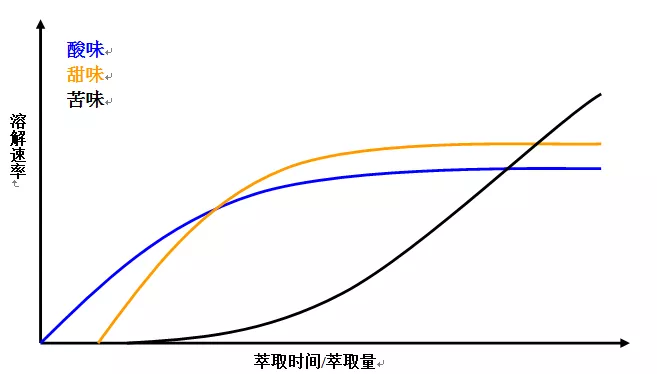
Why do we always pursue sweetness in coffee? Because sweetness stimulates dopamine release, bringing a pleasurable drinking experience. But coffee’s sweetness never exists alone — it emerges through the delicate balance of acidity and bitterness. Light roast beans often pair sweetness with bright fruit acidity, such as peach or citrus notes; dark roast beans transform it into the rich, sweet-bitter profile of caramel and maple. Master this principle, and you can adjust extraction parameters to make your cup of coffee even sweeter.

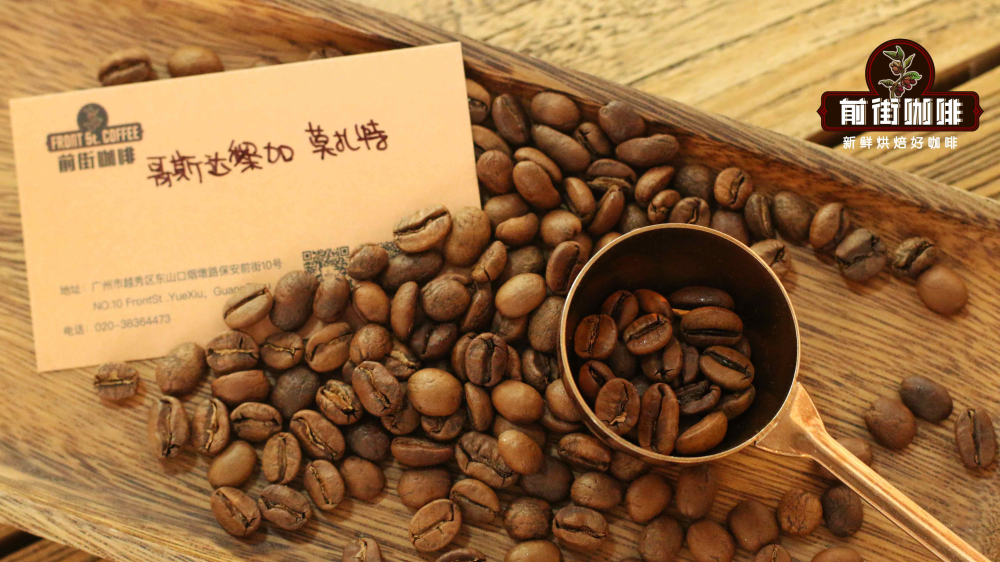
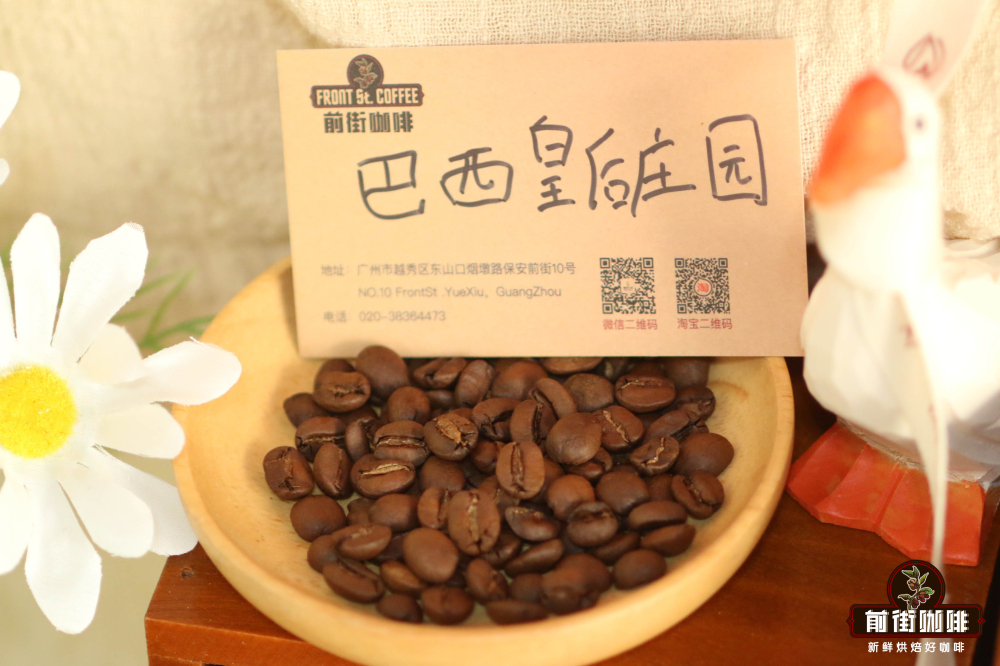
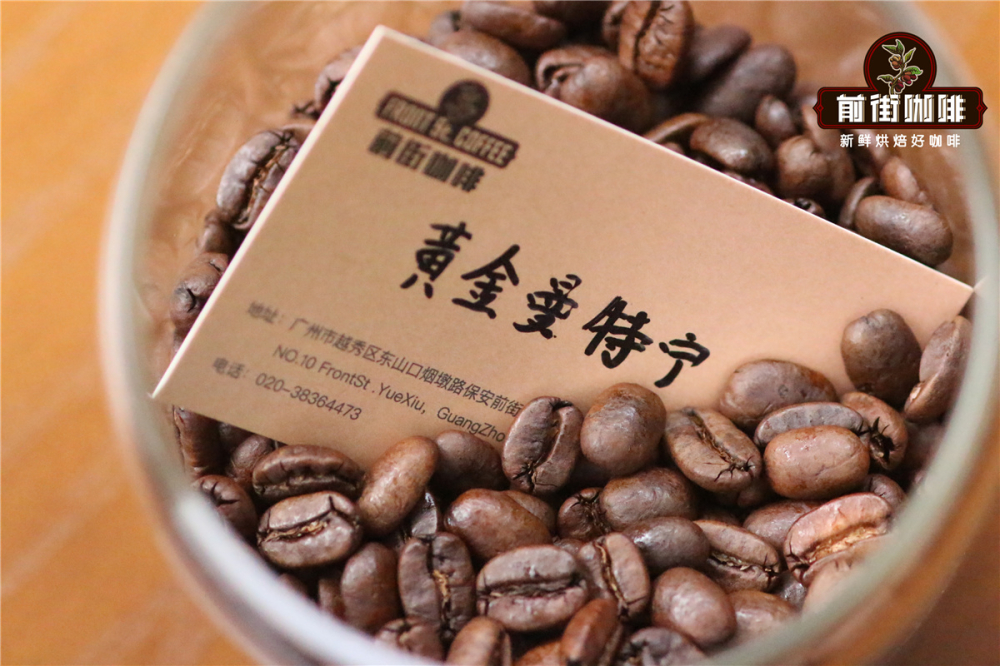
Here are four recommended beans that excel in sweetness expression:A Panamanian Boquete GeishaExhibits jasmine, honey, and citrus aromas, with a clean and honey-sweet mouthfeel;A Mozart coffee beanFeatures raisin and osmanthus fermentation scents, with noticeable ripe fruit sweetness;A Queen Estate coffee beanFocuses on chocolate and creamy peanut notes, with a clean sugarcane-like aftertaste;A Golden MandhelingPresents rich caramel and spice tones, with a pine-like aroma in the aftertaste. These beans are suitable for enthusiasts of different roast levels to explore the potential of sweetness.
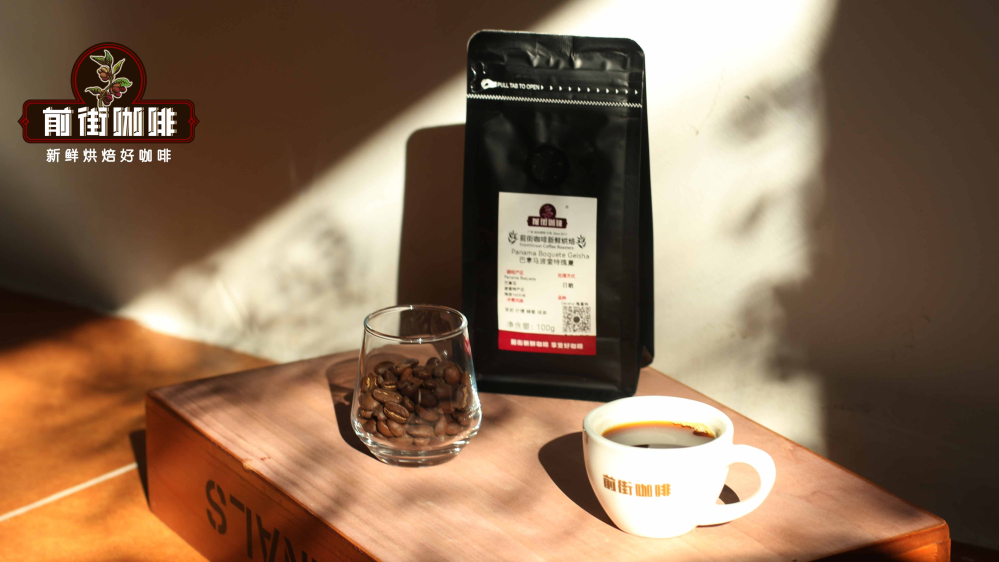
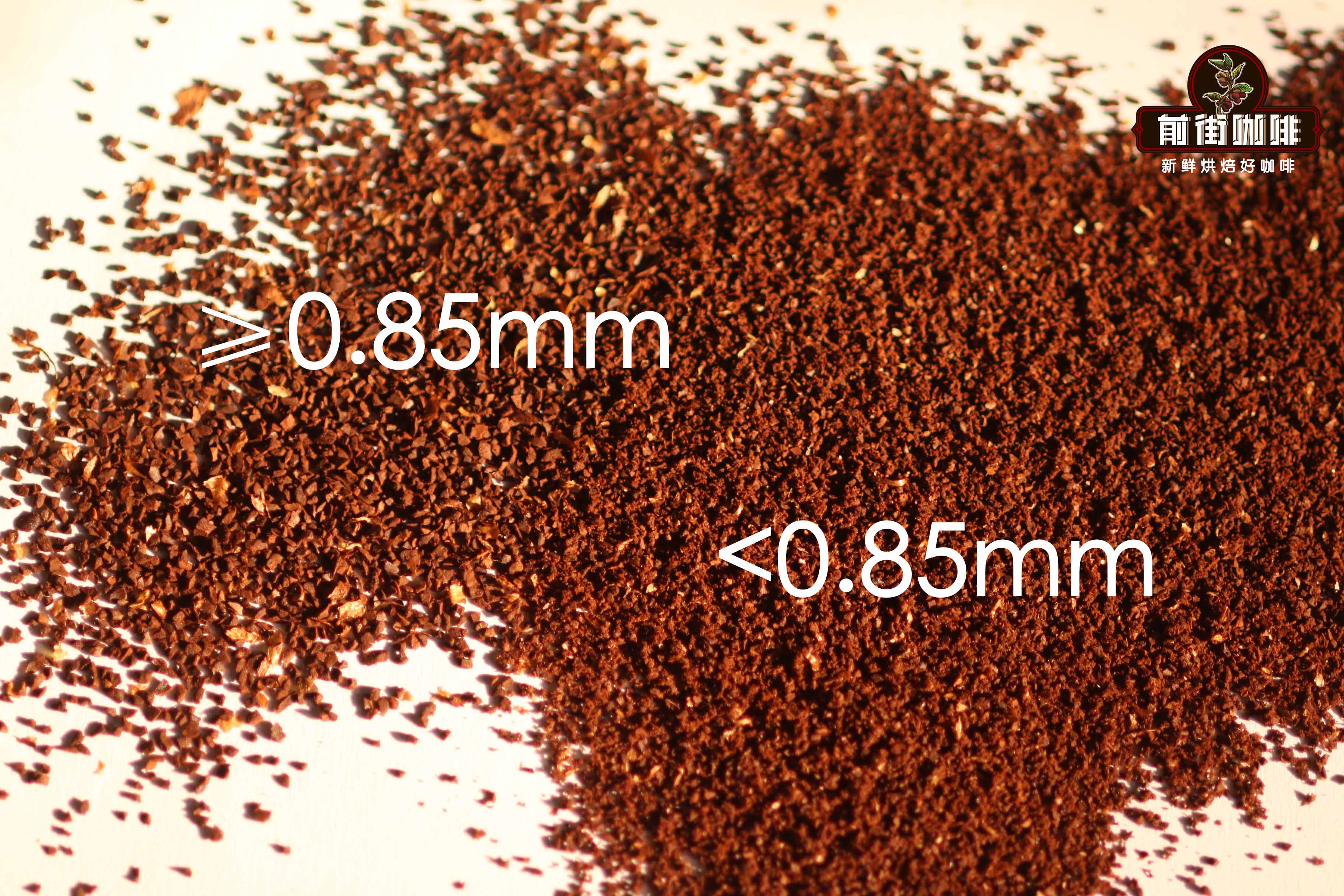
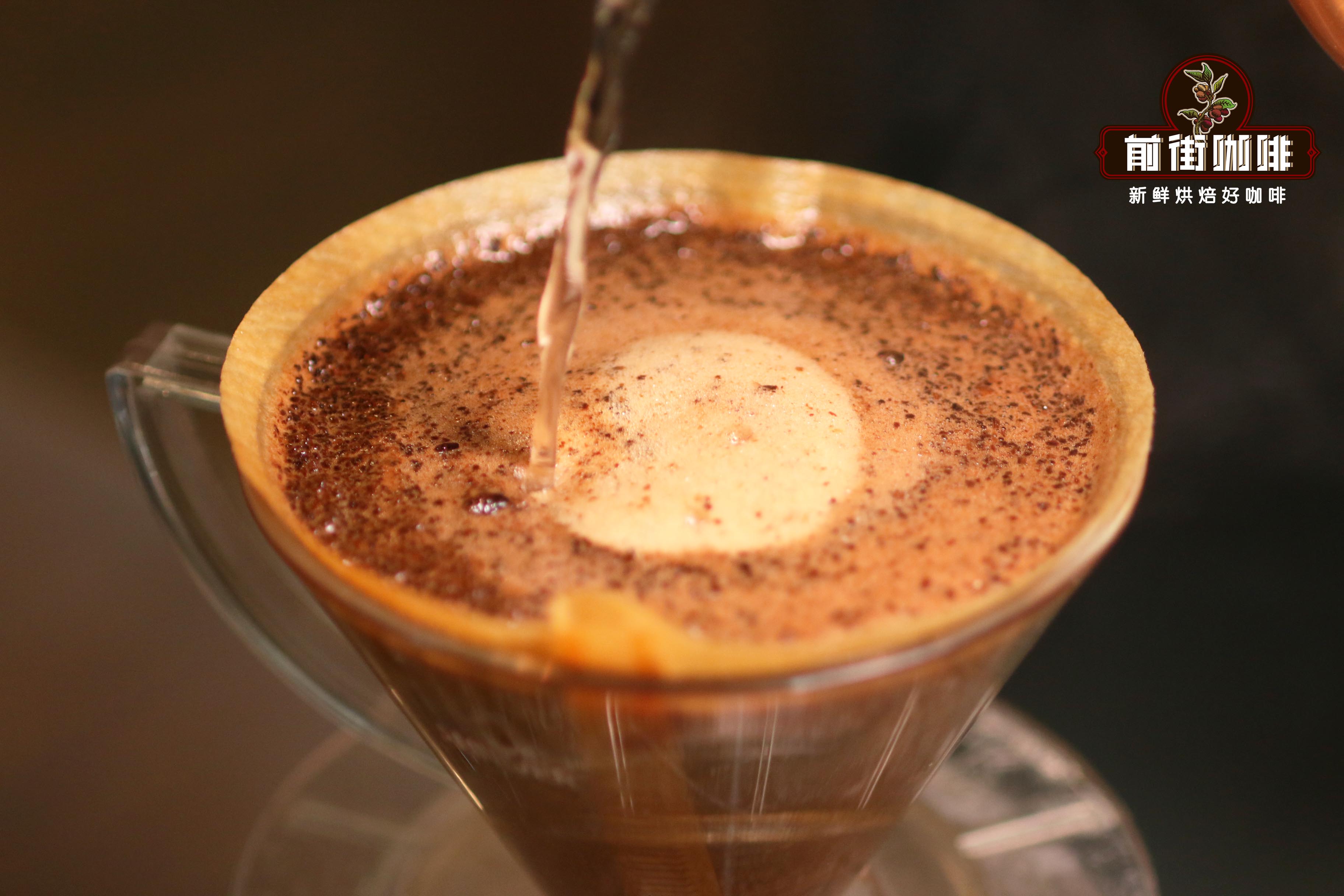
For light-to-medium roasted coffee beans (usually with vibrant acidity), the primary principle for enhancing sweetness isto avoid interference from bitterness in the later stages. A common approach is to reduce extraction intensity, but if you want to further boost sweetness, you can try three directions:① Slightly increase the water temperature by 2°C(for example, from 90°C to 92°C), which can enhance the release rate of sweet compounds per unit time;② Filter out overly coarse coffee grounds(it’s recommended to use a 0.85mm sieve to filter, retaining medium-fine grounds with an 80% pass-through rate), as coarse grounds release slowly and may lead to insufficient sweetness;③ Optimize your pouring techniqueby dividing 15g of coffee grounds into three pours (bloom 25ml → main extraction 125ml → finish 90ml), keeping the water flow stable and circling evenly. This helps balance the overall flavor.
Medium-to-dark roasted beans (like common Mandheling or Sumatra beans) have a deeper roast level and naturally carry nutty and dark chocolate profiles, with sweetness often transformed into caramel or maple tones. But if extracted improperly, they can easily turn bitter and monotonous. It’s recommended to adopta “high concentration, low extraction” strategy: choose a Kono filter with slower flow rate, paired with a grind size of 68% pass-through rate using a 0.85mm sieve, at a 1:13 coffee-to-water ratio, and control water temperature at 88°C. The specific steps are to first pour 30ml of water for a 30-second bloom, then slowly increase to a total of 195ml by gently pouring in small circles, drawing out sweetness through extended steeping time while avoiding excessive extraction that leads to astringent bitterness in the throat.
No matter which roast level you choose,understanding the triangular balance of acidity, sweetness, and bitterness is key. For light roasts, sweetness relies on high acidity to shine, so it's important to preserve fruity and fresh notes; for dark roasts, gentle extraction is needed to awaken the sweet compounds produced by caramelization. In practice, start with basic parameters (such as 90–92°C water temperature, 1:15–1:16 coffee-to-water ratio), then gradually fine-tune according to actual flavor performance to find your own “optimal sweetness point.”
Additionally,grind size and filter choice also affect sweetness expression. Too fine a grind may cause over-extraction and bitterness, while too coarse won’t fully release sweet compounds. Fast-flow filters (like V60) are great for highlighting bright acidity, while slow-flow filters (like Kono or Kalita Wave) help extend extraction time, enhancing sweetness and body. Remember, the charm of pour over coffee lies in fine-tuning details to bring out a unique flavor profile in every cup.
In summary, enhancing sweetness in pour over coffee isn’t about a single formula, but rather a comprehensive consideration of bean characteristics, roast level, water temperature, grind size, and pouring techniques. Through the four sweet-profile single-origin beans and practical extraction parameters introduced in this article, even beginners can gradually master the trick of “sweetness tuning,” and enjoy the balance and pleasure of their own brews.
Extended thought: If your brew still tastes too acidic or bitter, check whether the water temperature is too high (which can cause early release of bitterness) or the grind is too fine (leading to over-extraction). Adjusting just 1–2 variables can significantly improve flavor. Continuously experimenting and recording each set of parameters and your tasting notes will help you find your ideal sweet formula more quickly.

Lastly, remember that coffee sweetness is also closely related to freshness — it’s recommended to choose beans roasted within 1–2 weeks and store them properly in a light-proof, airtight container to ensure flavor compounds remain at their best. Paired with proper extraction techniques, you can easily brew a professionally sweet pour over coffee.
The above content is compiled by CoffeeHunters, a coffee news website.

