







Introduction:Finding the right coffee beans for pour over can be overwhelming? This article breaks down the key factors—extraction method, roast freshness, and regional flavor profiles—to help you avoid common pitfalls. We highlight several single-origin beans with gentle acidity and sweet aftertastes, along with practical tips on resting periods and grind size to guide you toward your perfect cup.
Faced with an extensive menu at a café or dozens of options online, many coffee enthusiasts feel lost when choosing beans for pour over. How do you pick the right ones? In truth, mastering a few core principles will quickly narrow down choices that suit your taste preferences.
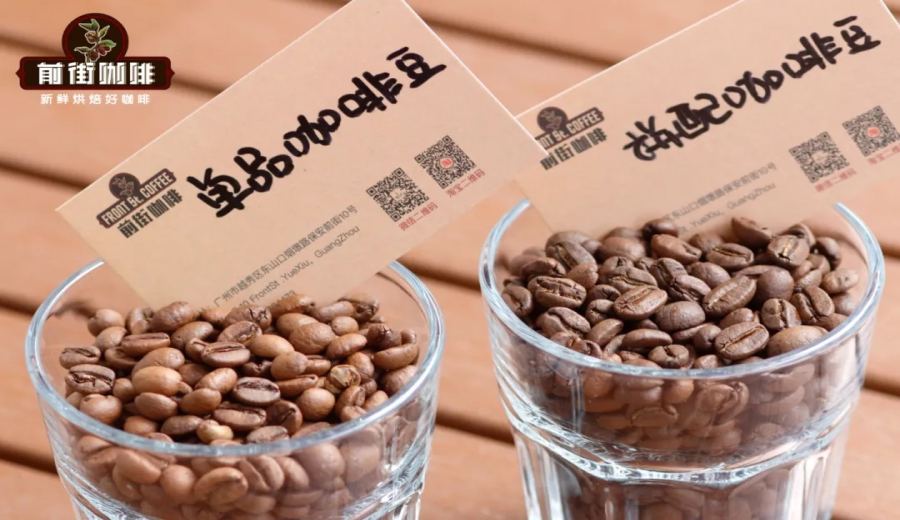
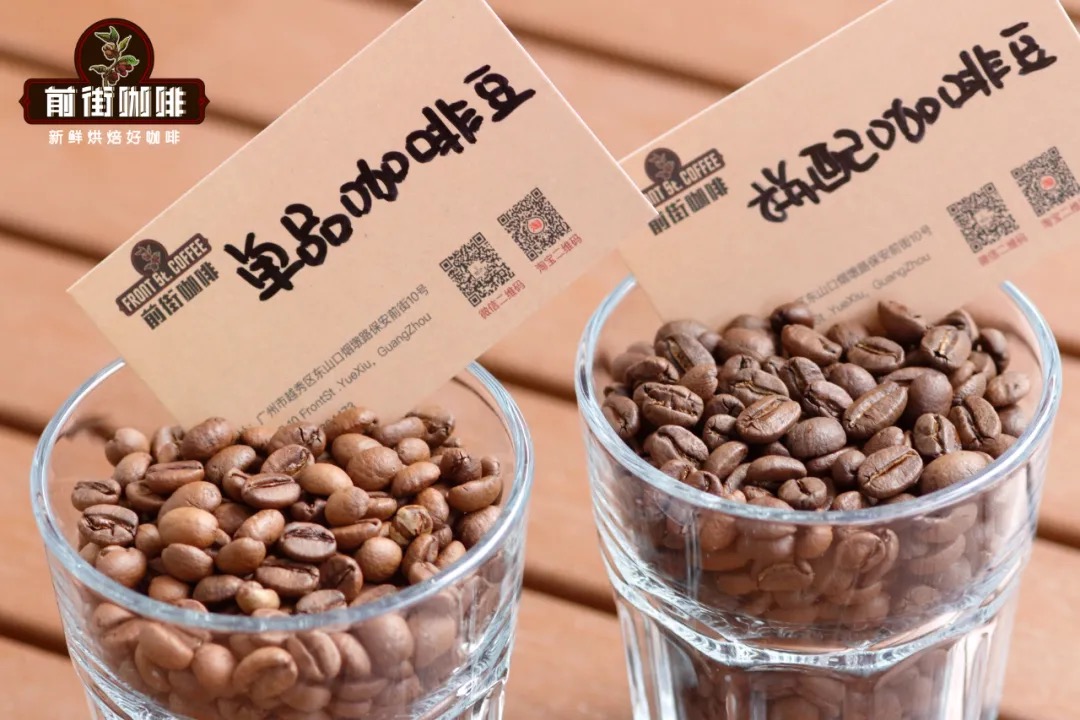
First, determine the bean type based on your brewing method.Espresso blends(such as the common 3:7 Colombia-Brazil mix) are roasted specifically for pressure extraction, yielding rich crema and bold flavors ideal for moka pots or espresso machines. Meanwhile,single-origin beans(sourced from a single region or farm) offer cleaner, more distinct profiles that shine through methods like pour over or French press. Note: this isn’t a hard rule—skilled roasters often adjust roast profiles to adapt specific beans to different brewing styles.
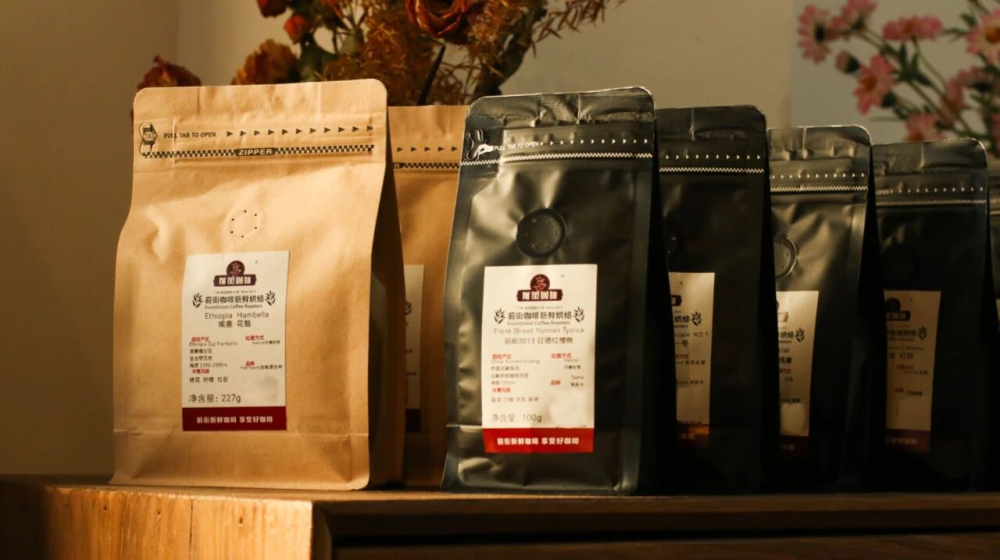
Freshness directly impacts flavor. Prioritize beans inone-way valve bags, using the roast date to gauge prime drinking windows: single-origin beans peak at 15–20 days post-roast, with the optimal window being within 30 days; espresso blends perform best between 30–45 days. Freshly roasted beans contain excess CO₂ and smokiness, requiring a "resting period" (3–4 days for light/medium roasts, 5–6 for medium/dark, and 7–10 for espresso blends) to allow gas release. This process minimizes extraction interference, resulting in purer flavors.
For those preferring low-acid, sweet-aftertaste profiles, focus on origin and roast level. African beans (e.g., Ethiopia, Kenya) typically exhibit bright fruity acidity—opt for light/medium roasts to preserve their vibrancy. Central/South American beans (e.g., Brazil, Guatemala) lean toward nutty-chocolatey notes, balanced by medium roasts. Asian beans (e.g., Indonesia Mandheling, India monsoon coffee), naturally low in acidity, develop mild bitterness and lingering finishes when medium/dark roasted. Additionally, specialty processes (e.g., honey, anaerobic fermentation) often yield wine-like or intense fruity notes, appealing to adventurous palates seeking complexity.
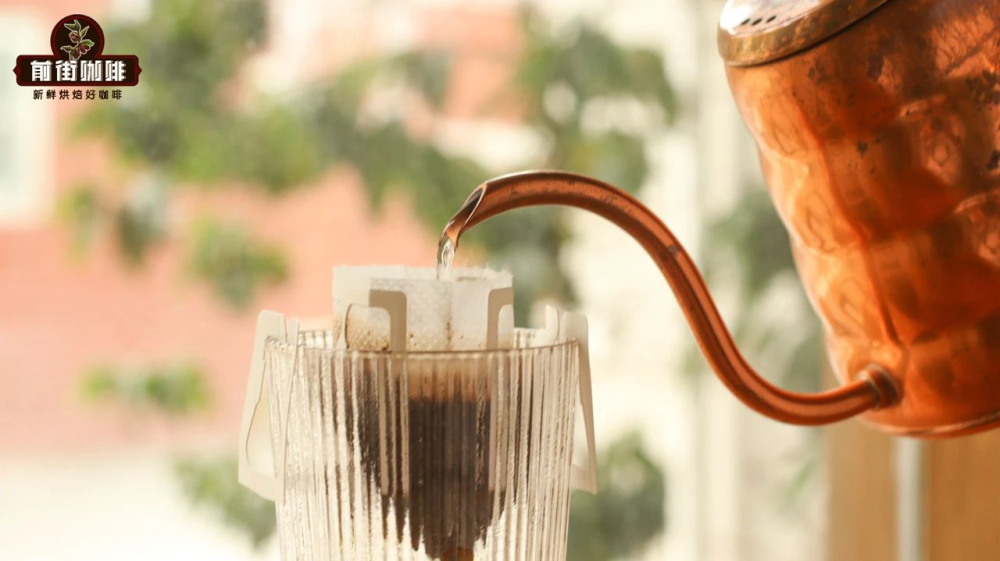
While some shops offer grinding services,whole beans preserve aromatic compounds better. Ground coffee exposes far more surface area to air, accelerating flavor loss up to three times faster than whole beans. If budget allows, invest in a hand grinder (≥¥200, flat or conical burr recommended) for freshly ground brews that significantly enhance taste. For emergencies, single-serve drip bags—pre-packaged 10g fresh grounds steeped with ~150ml water at 90°C—replicate pour over experiences, but note shelf lives rarely exceed 30 days.
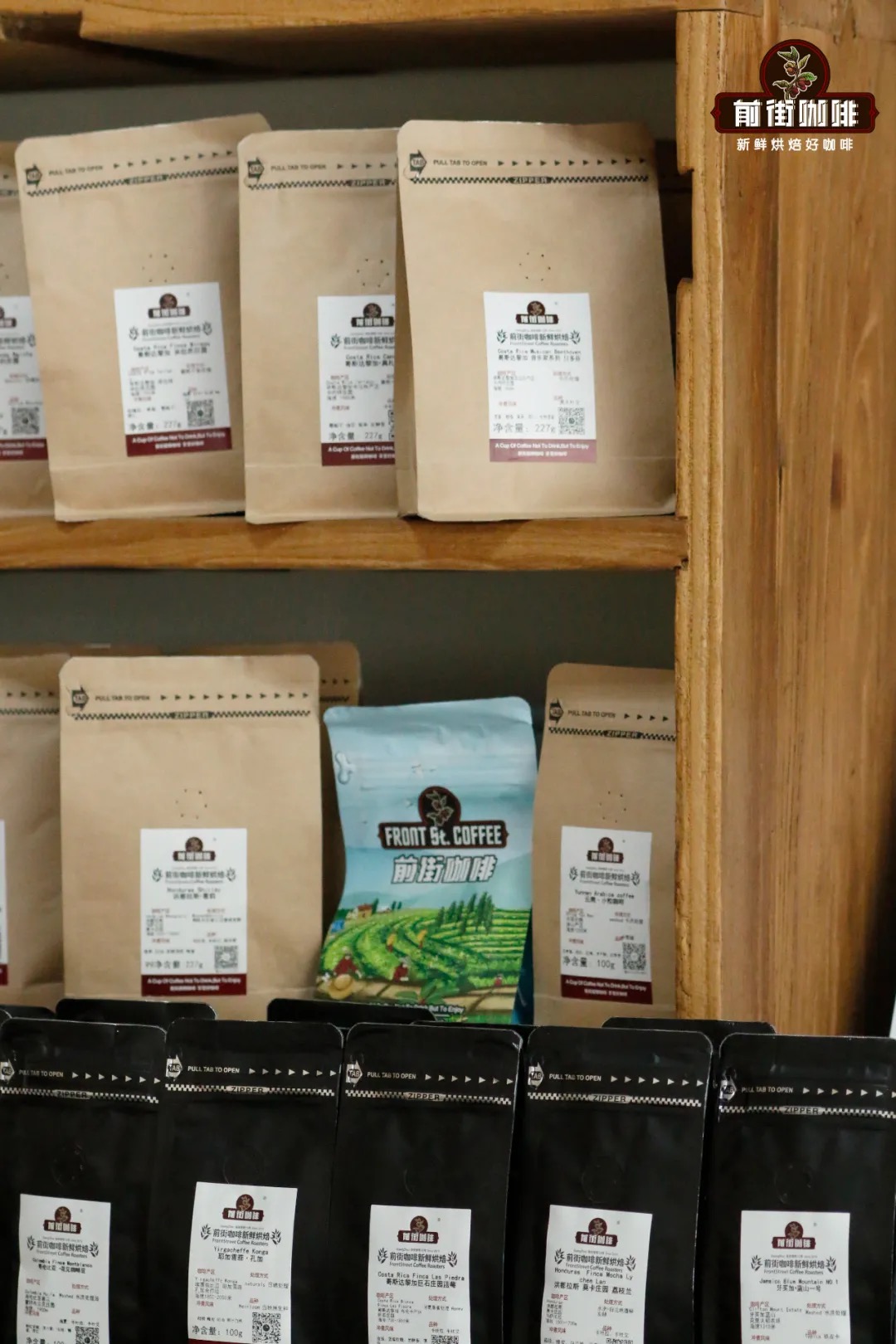
When selecting, use flavor descriptions as secondary guides. Beans labeled with citrus, berries, or black tea suggest light/medium roasts with prominent acidity-sweetness; nutty, dark chocolate, or creamy notes usually indicate medium/dark roasts with fuller bodies. Intense descriptors like wine or tropical fruit may signal specialty beans with unique processing. Regardless of choice, start with small packs to compare batches before committing to bulk purchases.
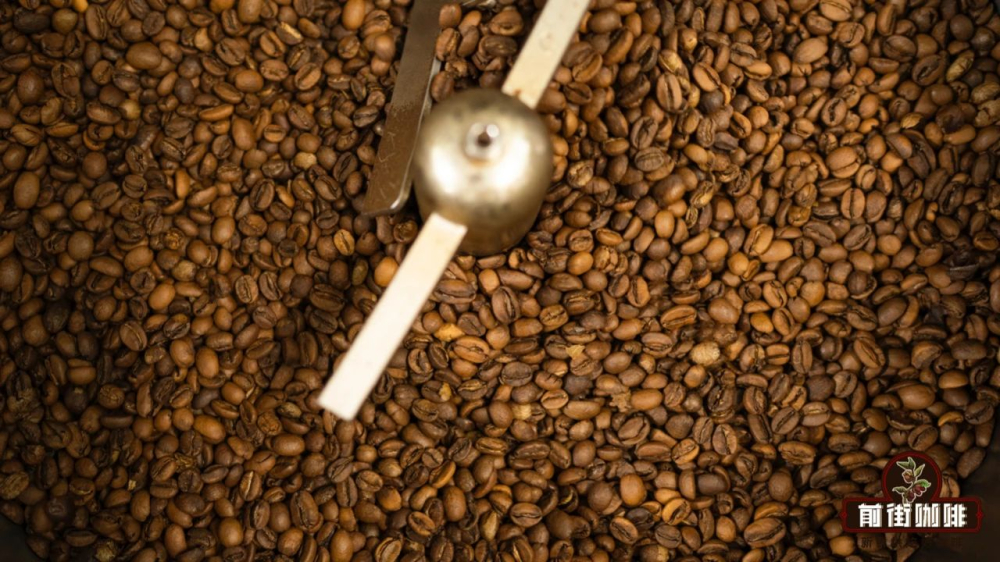
Resting is often overlooked by beginners but critical to final flavor. Light/medium roasts (high in CO₂) need 3–4 days in cool, dark places (shake bags daily to aid gas escape); medium/dark roasts require 5–6 days; espresso blends need 7–10 days for balanced intensity. Note: resting times vary with humidity—damp conditions may extend waits. Resting completion is marked by reduced grinding dust and stable aroma, with no astringency post-brewing.
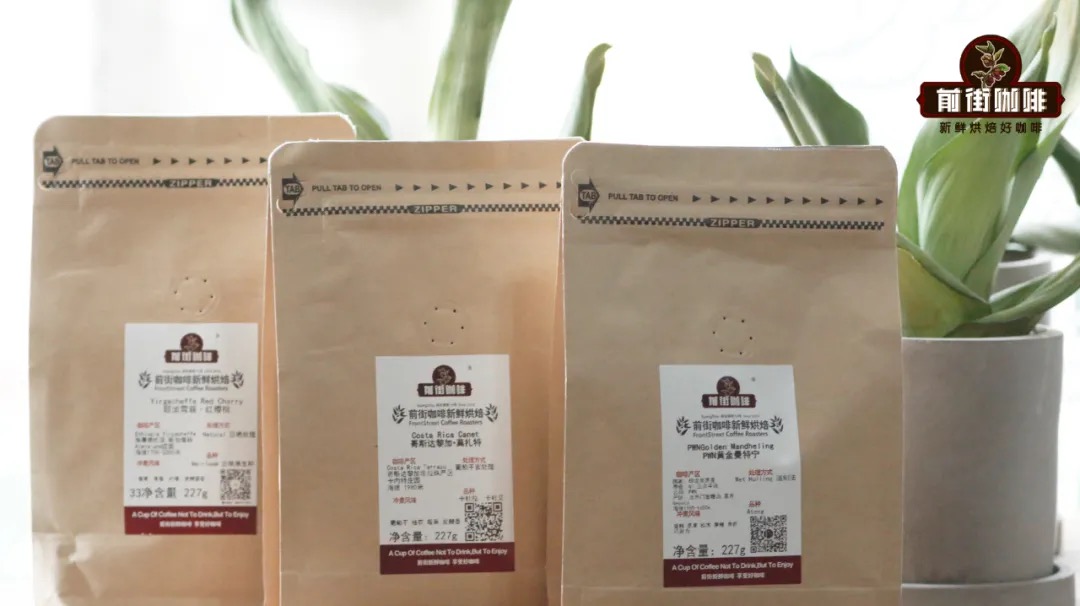
Grind size also affects extraction efficiency. Pour over thrives withmedium-fine grinds(akin to table salt texture)—too coarse leads to under-extraction, too fine to over-extracted bitterness. Standard parameters: 88–92°C water, 1:15–1:16 coffee-to-water ratio, center-pour techniques for even saturation. Low-acid seekers may slightly lower water temp to ~90°C and extend bloom time to 40s to enhance sweetness.
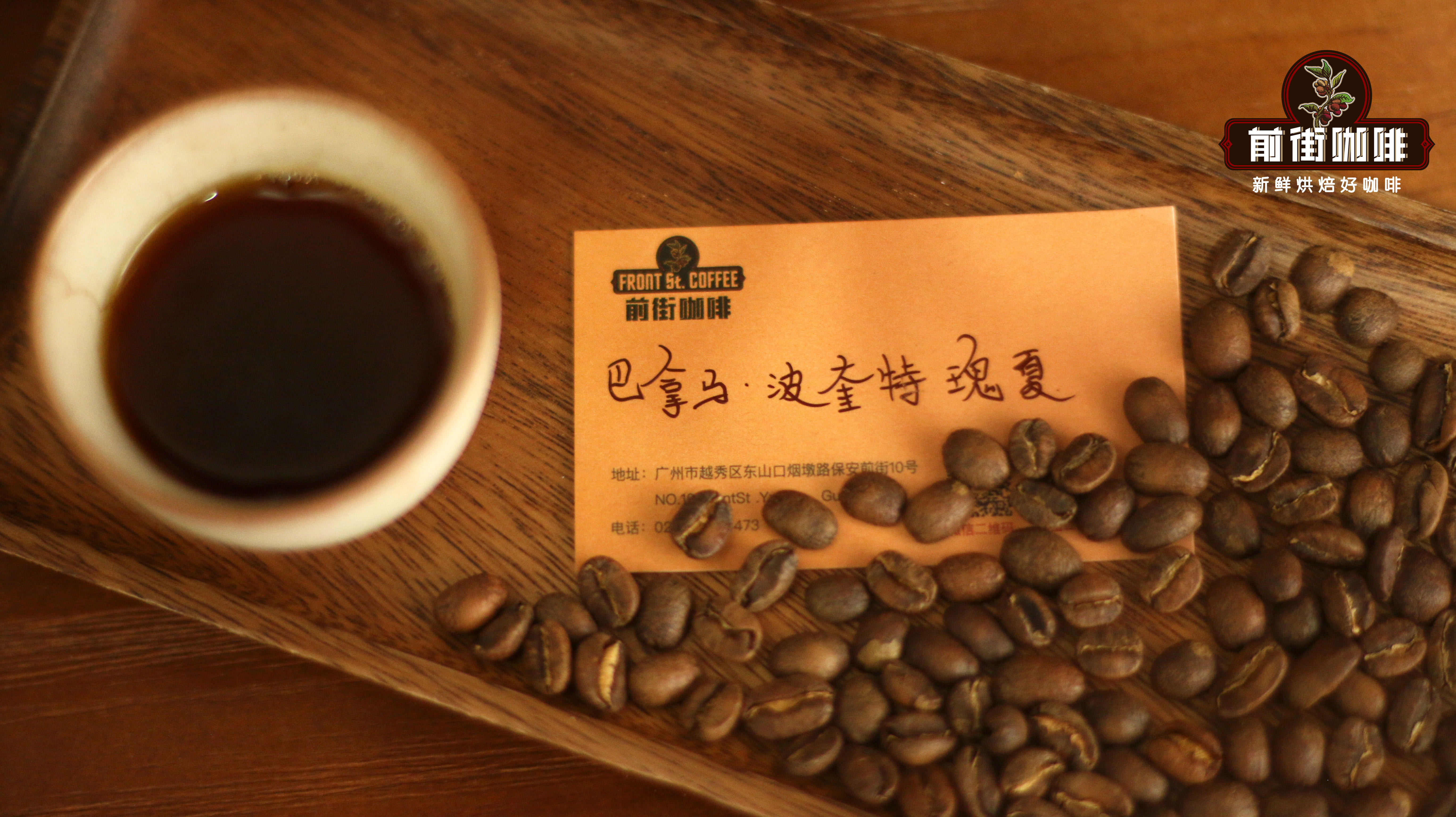
The above content is compiled by CoffeeHunters, a coffee news website.

