







Introduction:Choosing the right coffee beans is key to brewing a great cup of coffee. This article will delve into how to determine the freshness of coffee beans, select bean varieties that suit your taste, and explore flavors from different regions in a cost-effective way. Whether you're new to pour over or looking to enhance your tasting skills, you'll gain practical tips on selecting beans and brewing methods to find your ideal flavor combination.
Key Indicators for Judging Coffee Bean Freshness
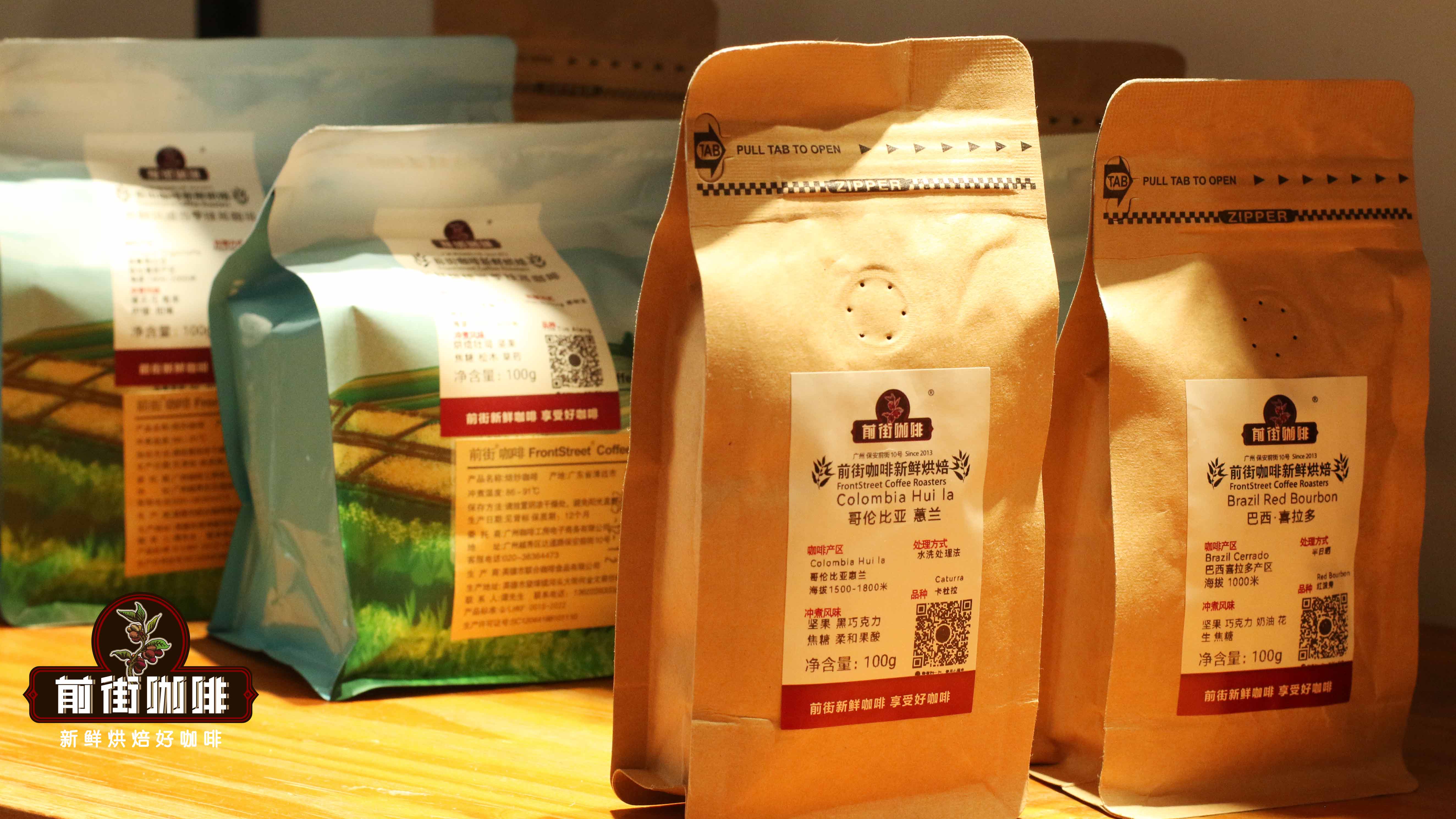
When purchasing coffee beans, the first thing to look at is the roast date, not the expiration date. Truly fresh coffee beans will clearly display the roast date on the packaging, and it's recommended to choose beans roasted within the last 5 days.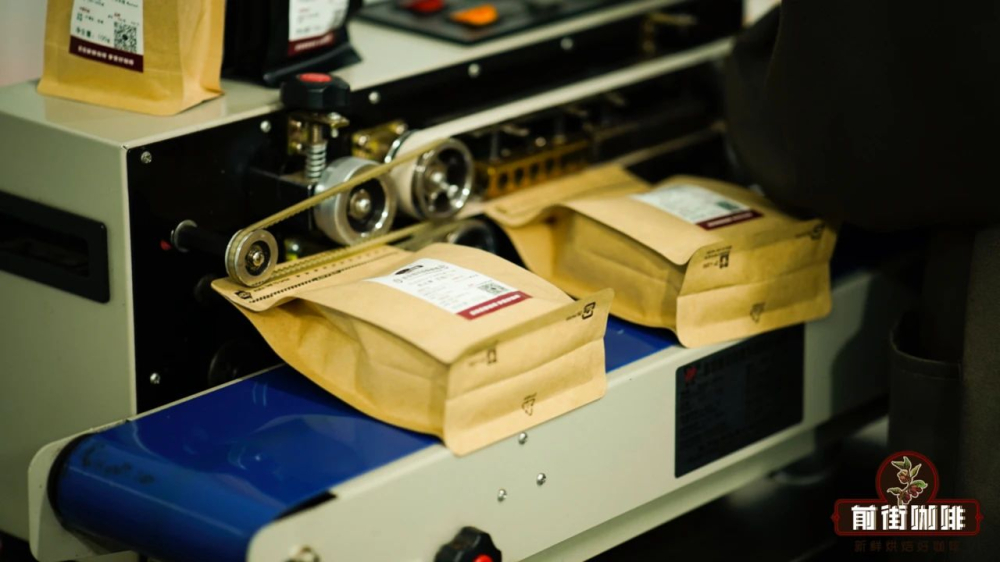 High-quality coffee packaging usually comes with a one-way degassing valve. This valve allows the beans to release carbon dioxide during the aging process while preventing oxygen from entering, thereby slowing down aroma loss. Professional roasters often emphasize the importance of freshly roasted beans, because after 50 days post-roast, the aroma and flavor of the beans will significantly deteriorate—even expensive varieties may fail to deliver their best performance. It’s worth noting that during the first two days after roasting, the beans are still in the degassing phase and the aroma has not yet stabilized. It's advisable to let them rest for 2–3 days before brewing to achieve a more balanced flavor.
Selecting Roast Levels Based on Taste Preferences
The acidity and bitterness of coffee largely depend on the roast level. Lightly roasted beans typically have bright fruity acidity and floral notes, making them suitable for those who enjoy a refreshing taste; whereas dark roasted beans offer rich caramel, chocolate, and spice profiles, catering to those who prefer a bold flavor.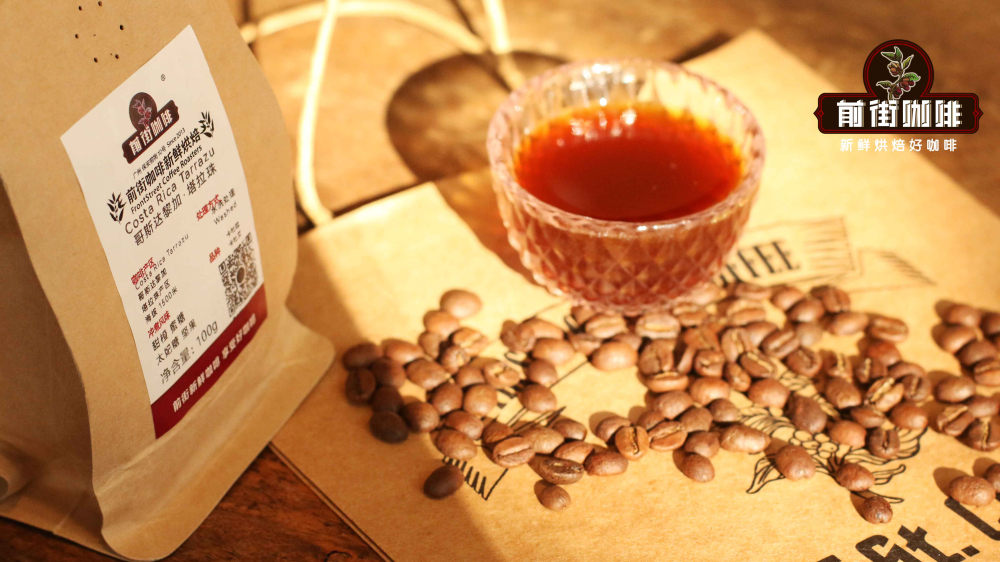 If you prefer coffee with pronounced acidity, go for lightly roasted beans with prominent fruitiness—such as those with lemon and citrus notes. For those who enjoy strong, bitter-sweet richness, dark roasted coffee can bring layers of cocoa, chocolate, and caramel. For drinkers who want to avoid excessive acidity or bitterness, there are also balanced blends with noticeable sweetness available on the market, such as those with rose and grape aromas, offering a gentler tasting experience.

Beginner-Friendly: High-Value Pour Over Single-Origin Beans Recommended
For those just starting out with pour over coffee, it's recommended to prioritize investing in essential tools like a grinder, while choosing high-value single-origin beans. You can start with half-pound bags to explore different regions and flavor profiles.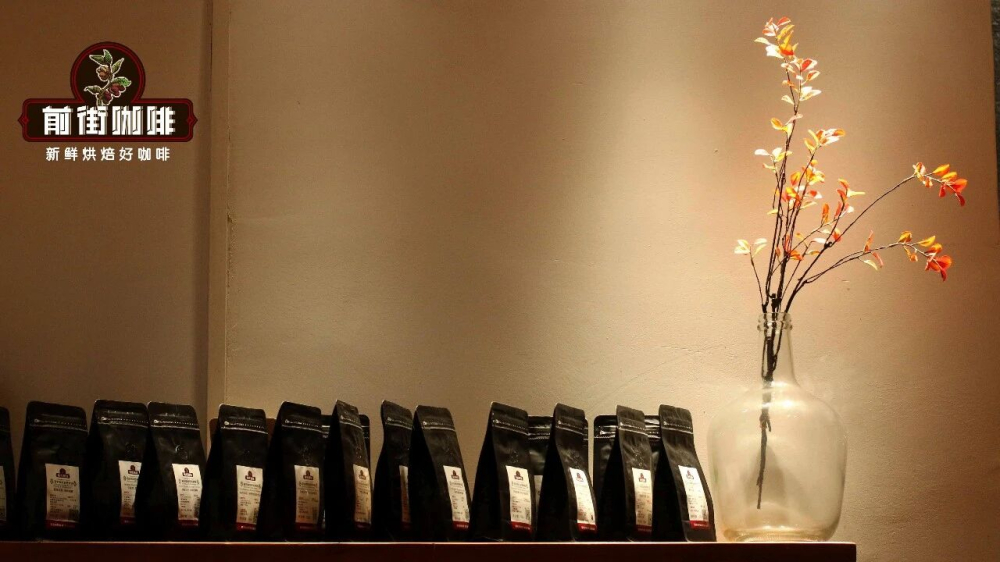 Single-origin coffee beans come from specific locations, and their flavors are influenced by variety, altitude, processing method, and roast level—making them a great starting point for exploring the world of coffee. Beginners can choose beginner-friendly and approachable bean varieties based on personal taste, gradually building the ability to discern flavors from various regions. For example, if you enjoy pronounced acidity, you can start with Ethiopian Yirgacheffe to experience its citrus and floral notes; if you prefer mild, sweet acidity, Costa Rican Tarrazu or Rwandan Red Bourbon are excellent choices. For those who dislike acidity and lean more toward nutty and chocolatey flavors, Brazilian Cerrado or Colombian Huila can offer a full-bodied and balanced taste; if you crave something rich and bold, Indonesian Mandheling is a must-try dark roast option.
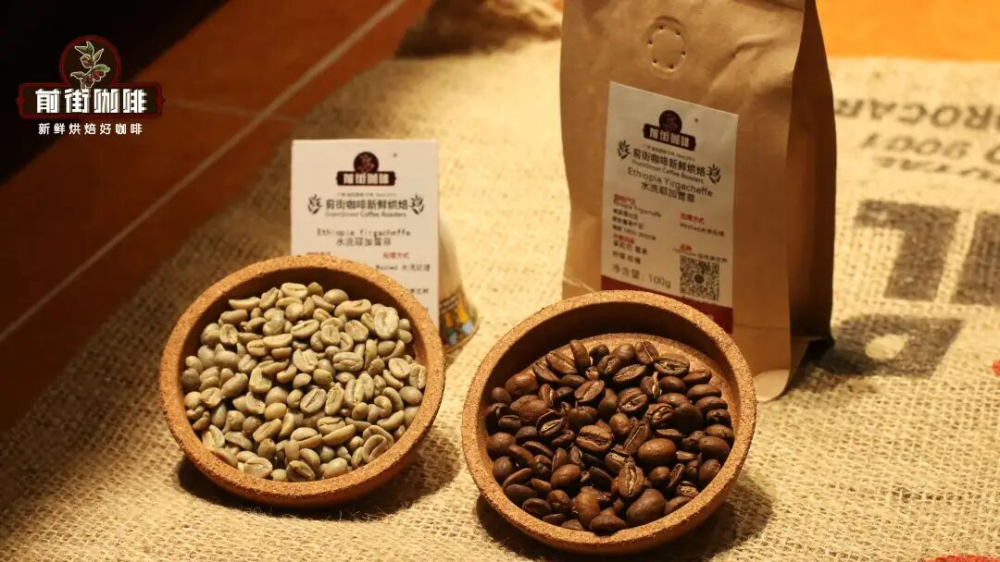
Start Exploring Flavor Profiles with Everyday Beans
For beginners selecting coffee beans, it's recommended to start with "everyday beans." These varieties are typically reasonably priced and have distinct flavors, making them ideal for daily brewing practice. By trying beans from different regions, you can gradually understand the unique flavor characteristics of each area—for example, African beans often exhibit bright fruity acidity, beans from Central and South America tend to show nutty and chocolatey tones, while Southeast Asian beans are known for their full body and herbal aromas. Once you’re familiar with the basic flavor profiles, you can further explore specific regions in depth by selecting more detailed estate-grown beans, processing methods, or micro-lot varieties to enhance your sensitivity and appreciation for coffee flavors. No matter which path you choose, remember to adjust your brewing parameters according to your personal taste preferences to fully bring out the potential of each bean.
The above content is compiled by CoffeeHunters, a coffee news website.


