







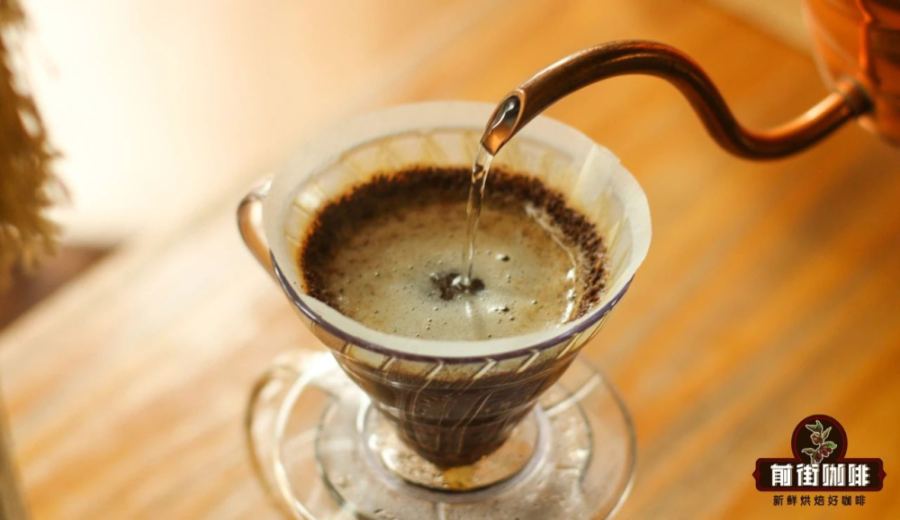
Introduction:From Ethiopia to Indonesia, coffee beans from different regions showcase unique flavor profiles due to variations in processing methods and varieties. This article details the characteristics of 7 classic coffee beans, including the bright fruity acidity of the day-lot Hua Kui, the prominent honey-like sweetness of Costa Rica Blackberry, and the cold brew-friendly Shu fermentation bean. It also provides practical advice based on acidity, body, and brewing methods to help readers quickly choose the right beans according to their taste preferences.
For those new to specialty coffee, facing a wide array of regions and processing methods can make it difficult to select beans that match personal tastes. In fact, by understanding the typical flavor profiles of each region, it becomes easier to find your ideal coffee. Below, we introduce 7 representative coffee beans based on flavor characteristics, ranging from fresh fruity notes to rich and bold profiles, along with brewing recommendations suitable for methods like pour over and cold brew.
[Ethiopian Natural Bean]Represented by Hua Kui, natural-processed beans exhibit intense tropical fruit characteristics.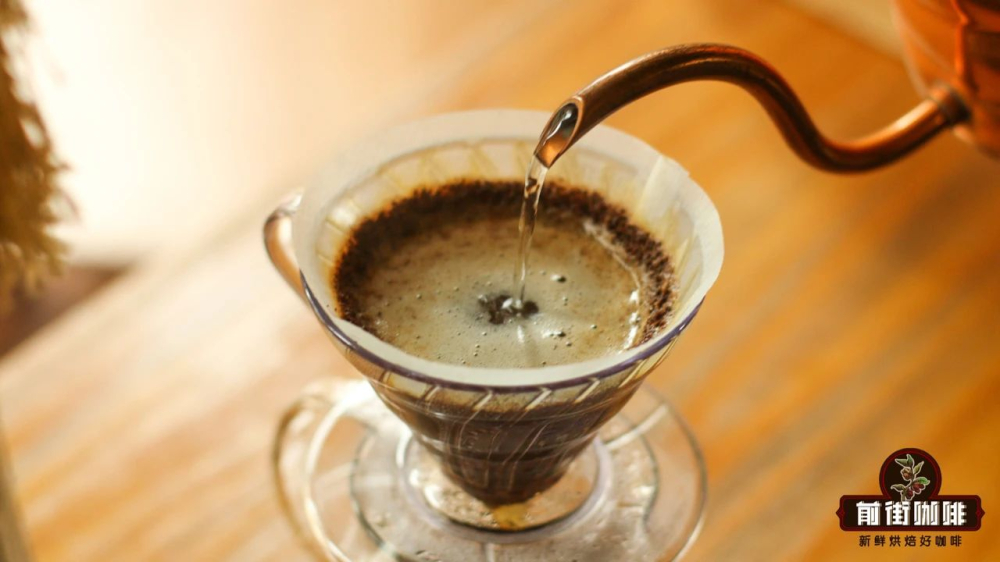 These beans typically carry pronounced rose floral notes and sweet strawberry acidity, with even brandy-like winey tones emerging in the aftertaste. The acidity is vibrant and layered, making them highly suitable for pour over drinkers who prefer bright fruity flavors and a clean mouthfeel. Note that natural beans are generally not ideal for espresso, as their high acidity may clash with milk.
[Costa Rica Black Honey Process]The blackberry-flavored bean uses the black honey process,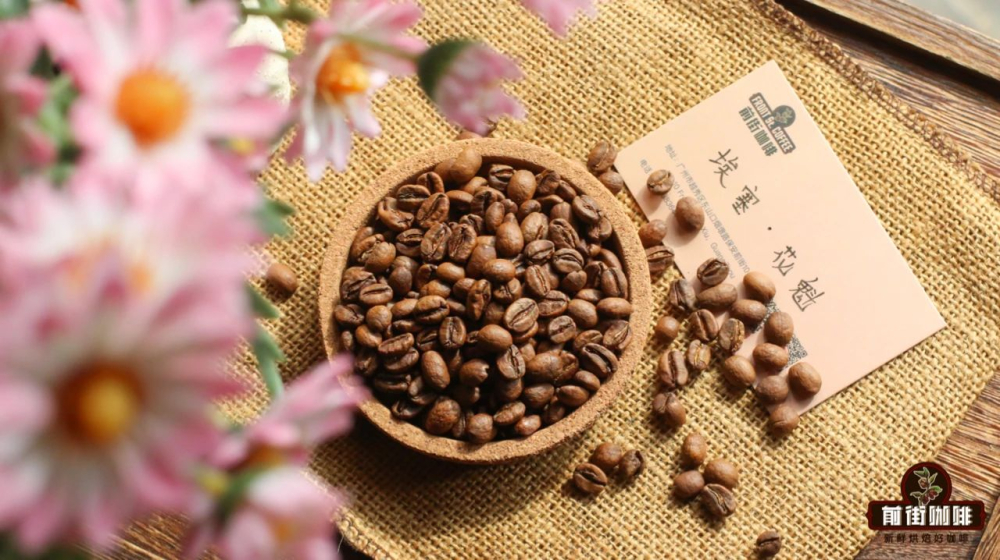 where the coffee mucilage is retained during drying, imparting a distinctly sweet profile of honey, longan, and grape notes. These beans have a good body and smoothness, with a strong yet non-sharp aftertaste. They are well-suited for cold brew or pour over enthusiasts seeking balanced flavors and long-lasting aftertaste. A medium-light roast is recommended, with water temperature controlled at 90-92°C to highlight the sweetness.
[Brazil Semi-Washed Red Bourbon]The Red Bourbon variety from the Cerrado region,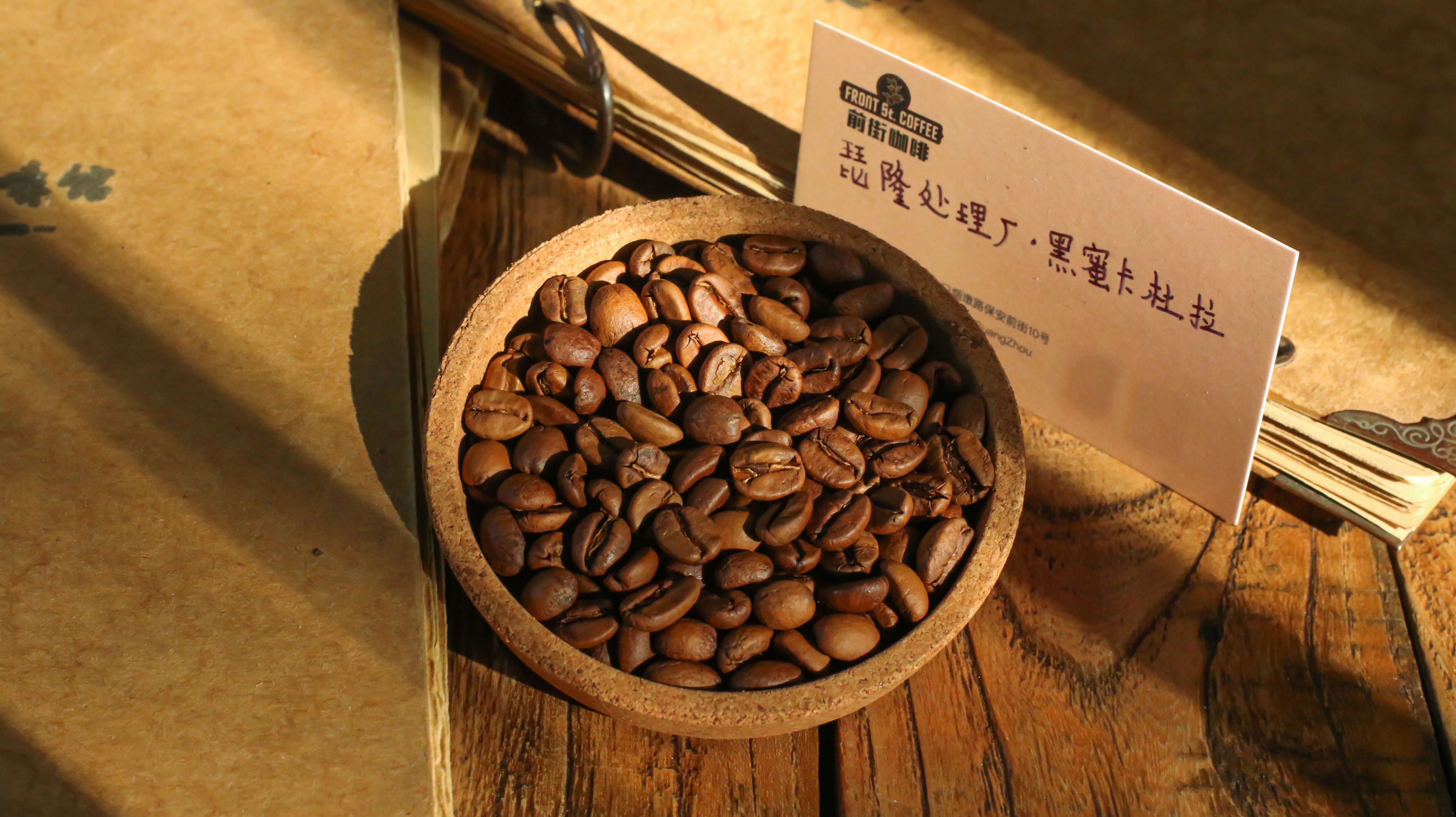 features chocolate and nut aromas as its main profile, belonging to a low-acidity, full-bodied bean. Its sweetness comes from ample caramelization, making it suitable for adding milk to make lattes or as a base for dessert coffees. The semi-washed process leaves some mucilage on the bean surface, resulting in a milder flavor compared to natural processing. For pour over, a medium-dark roast is advised, with a slightly coarser grind to extend extraction time.
[Indonesian Wet-Hulled Mandheling]Golden Mandheling, processed via the wet-hulled method,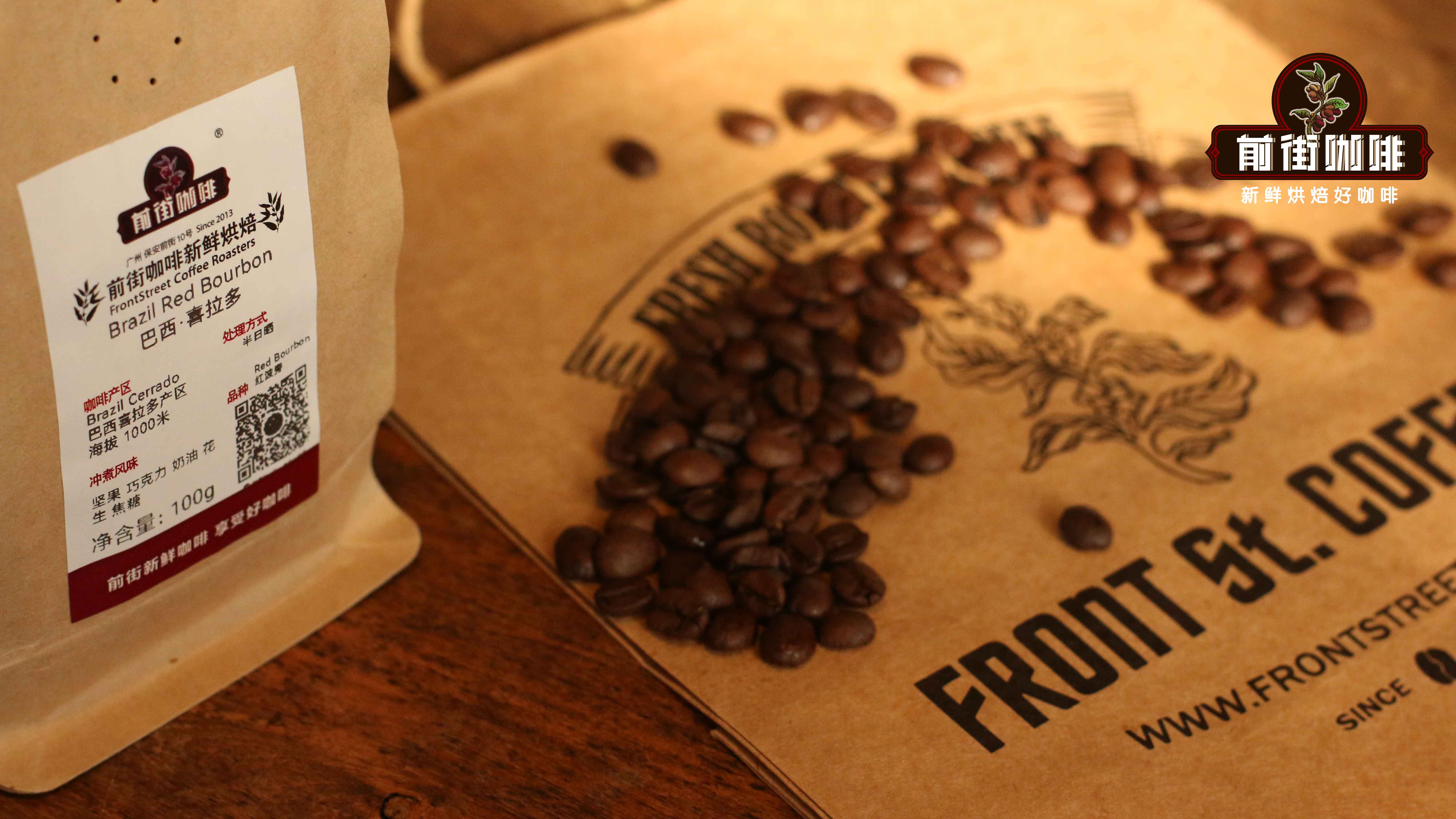 significantly reduces the herbal and earthy off-notes commonly found in traditional Mandheling, while enhancing the sweetness of dark chocolate and caramel. This bean has a high body and long aftertaste, and is one of the very few dark roasted beans that lacks acidity yet retains complexity. It’s especially suitable for those who prefer to enjoy black coffee. The wet-hulled method results in lower bean density, so attention should be paid to not using too high a powder-to-water ratio when pour over brewing. A water temperature of 93°C with a fine grind is recommended.
[Fruity Espresso Blend]The strawberry-sugar flavored espresso bean,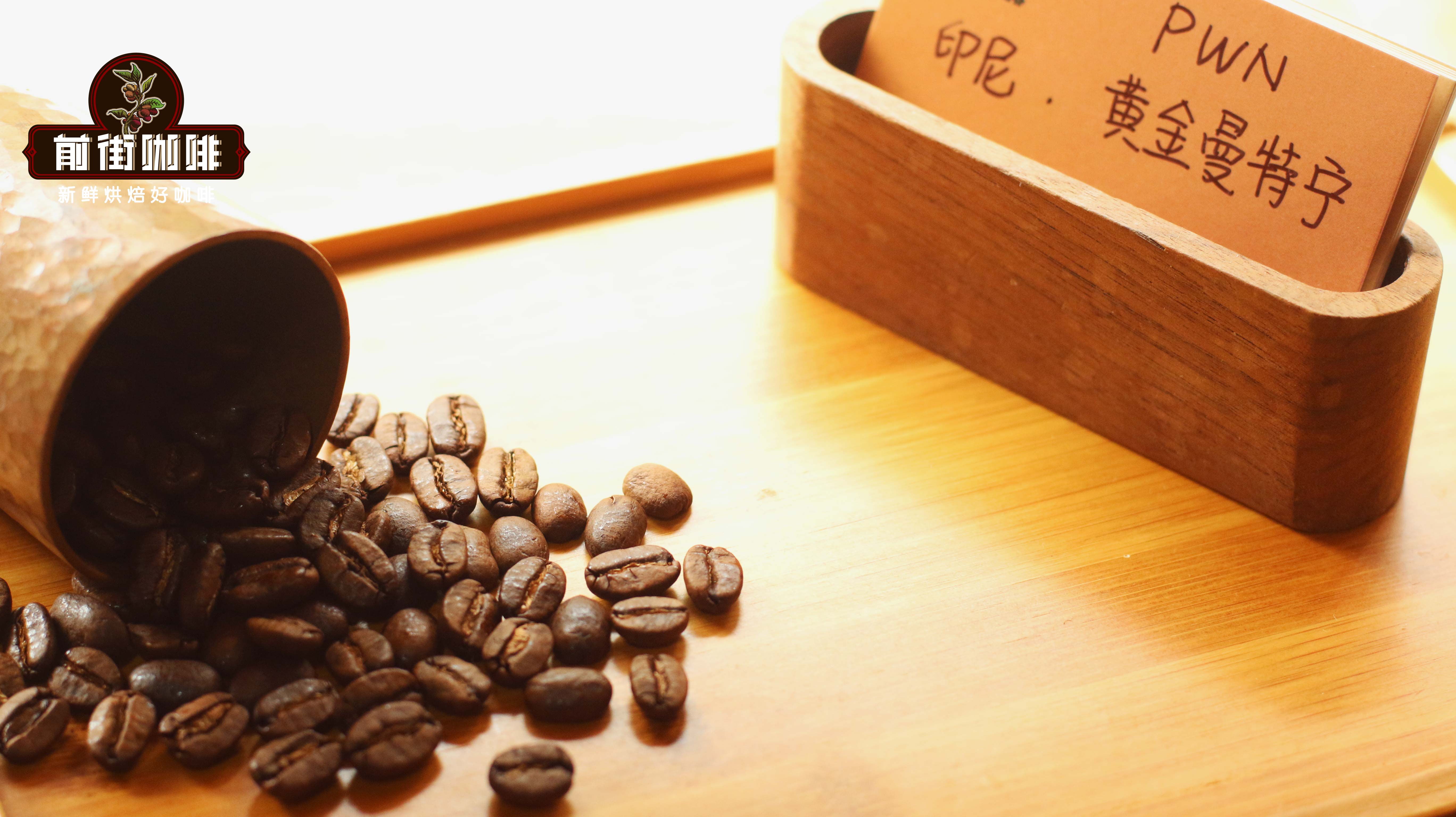 is designed specifically for espresso, combining nutty and chocolatey notes with extremely low acidity and high intensity. This type of blend blends perfectly with milk and is recommended for use with a moka pot or semi-automatic espresso machine. Suggest using 7-9 grams of coffee per shot, with an extraction time maintained at 25-30 seconds to achieve balanced crema. Avoid over-extraction which can lead to burnt bitterness.
[Classic Balanced Blend]A basic option that both beginners and connoisseurs can easily enjoy,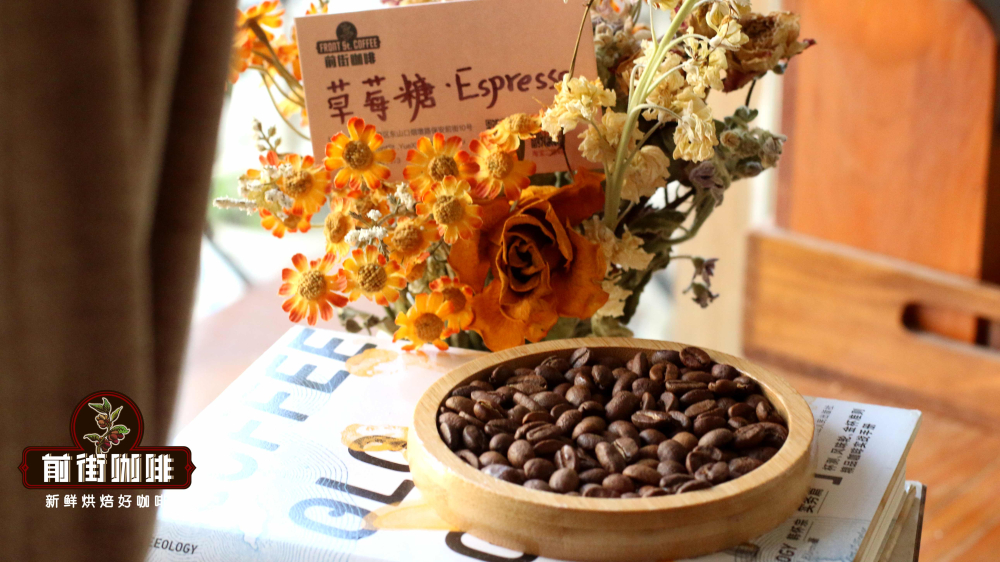 it blends nutty and chocolatey notes with a soft mouthfeel and no obvious acidity or bitterness. This type of bean is highly versatile, suitable for pour over, French press, or cold brew. It is especially recommended for drinkers who haven’t yet settled on a preferred flavor profile. For pour over, a medium roast is suggested, with water temperature at 88-90°C and a slow extraction of around 2 minutes to bring out the full range of flavors.
[Fermented Fruity Specialty Blend]The Shu coffee bean is known for its tropical fruit aromas such as passionfruit, grape, and apricot,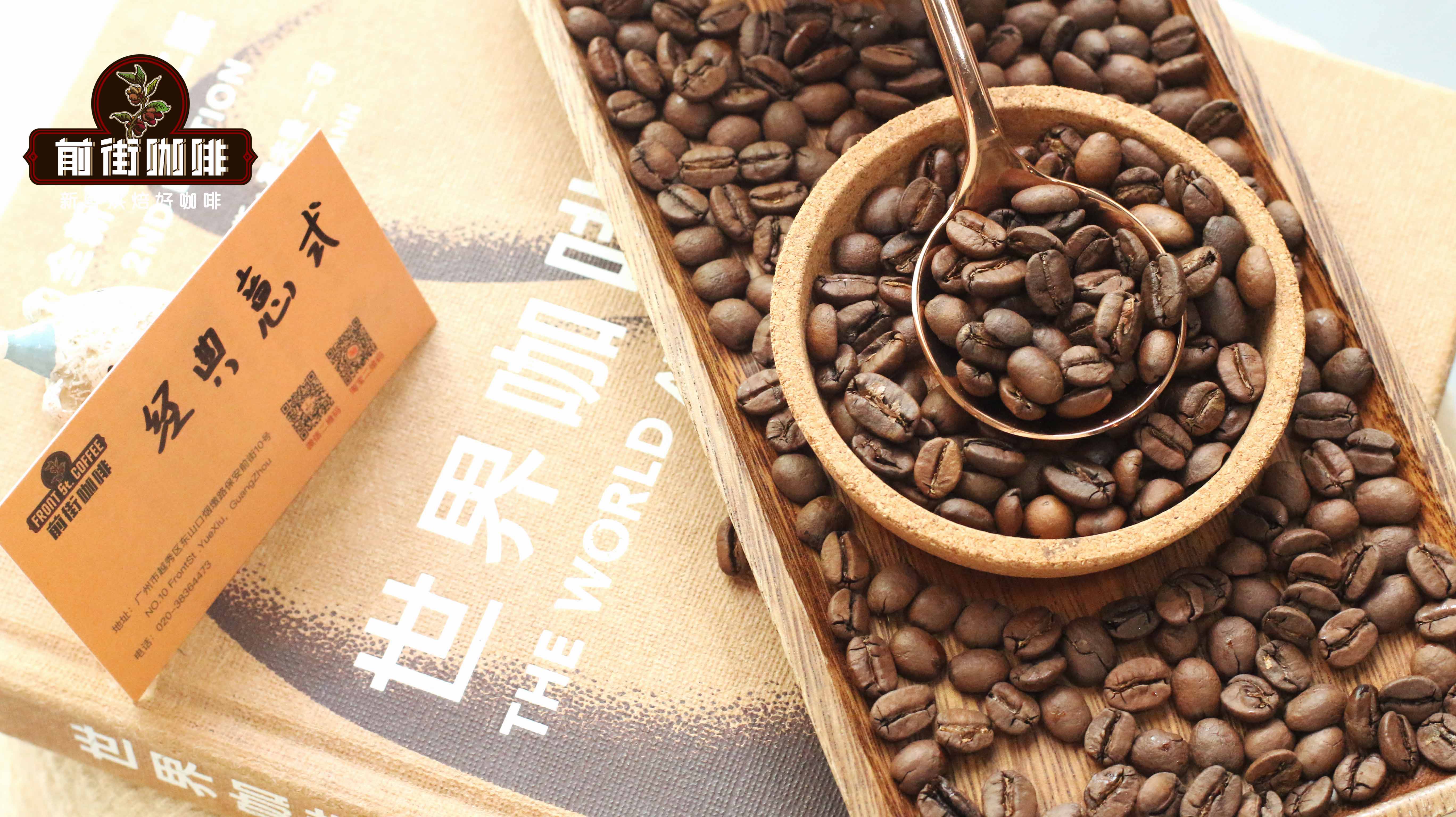 paired with citrus notes and a chocolatey finish, making it particularly suitable for low-temperature, long-duration brewing methods like cold brew or ice drip. The fermentation process enhances the fruity winey character. For cold brew, a coarse grind is recommended, with a 1:15 powder-to-water ratio and an extended extraction time of 18-24 hours to fully develop the complex layers. Store in a cool place to avoid over-oxidation.
The above content is compiled by CoffeeHunters, a coffee news website.


