








Introduction:Do you know that after coffee cherries are harvested, they actually go through a crucial step called "processing" before entering the roasting phase? Sun-drying, washed, and honey processing are the three most common methods. These not only influence the flavor of the coffee but are also closely related to environmental conditions and technical capabilities at the origin. This article delves into the operational procedures, technical details of these three processing methods, and compares their differences in flavor expression, helping you find the type of coffee bean processing that best suits your taste.
The coffee cherries picked from the tree cannot be directly roasted or brewed. They must go through a series of processing steps to extract the green coffee beans inside. Many people assume that coffee flavors mainly come from the variety and growing environment, but in fact, the "processing method" also plays a key role. It is an important process that connects the fruit to the green bean and deeply affects the final flavor profile.
Simply put, processing is the transformation of ripe coffee cherries into dried and storable green coffee beans. This process involves removing the outer skin, pulp, mucilage, and silver skin, leaving only the core seed. Depending on the processing method used, the resulting coffee can exhibit vastly different aromas, acidity, and sweetness.
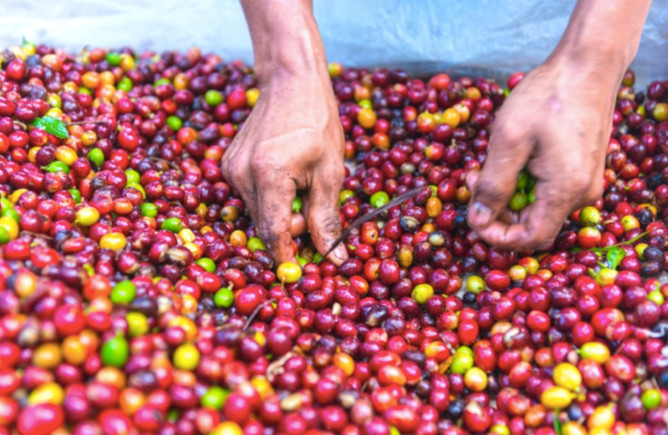
The earliest coffee processing methods can be categorized into two main types: wet processing (Wet Process) and dry processing (Dry Process). The former is what we commonly know as the washed method, which emphasizes using water and fermentation to remove the mucilage. The latter is the sun-drying method, where the entire coffee cherry is dried directly under the sun. These two methods remain the most widespread forms of processing around the world, though they are adapted based on regional characteristics and technical conditions.
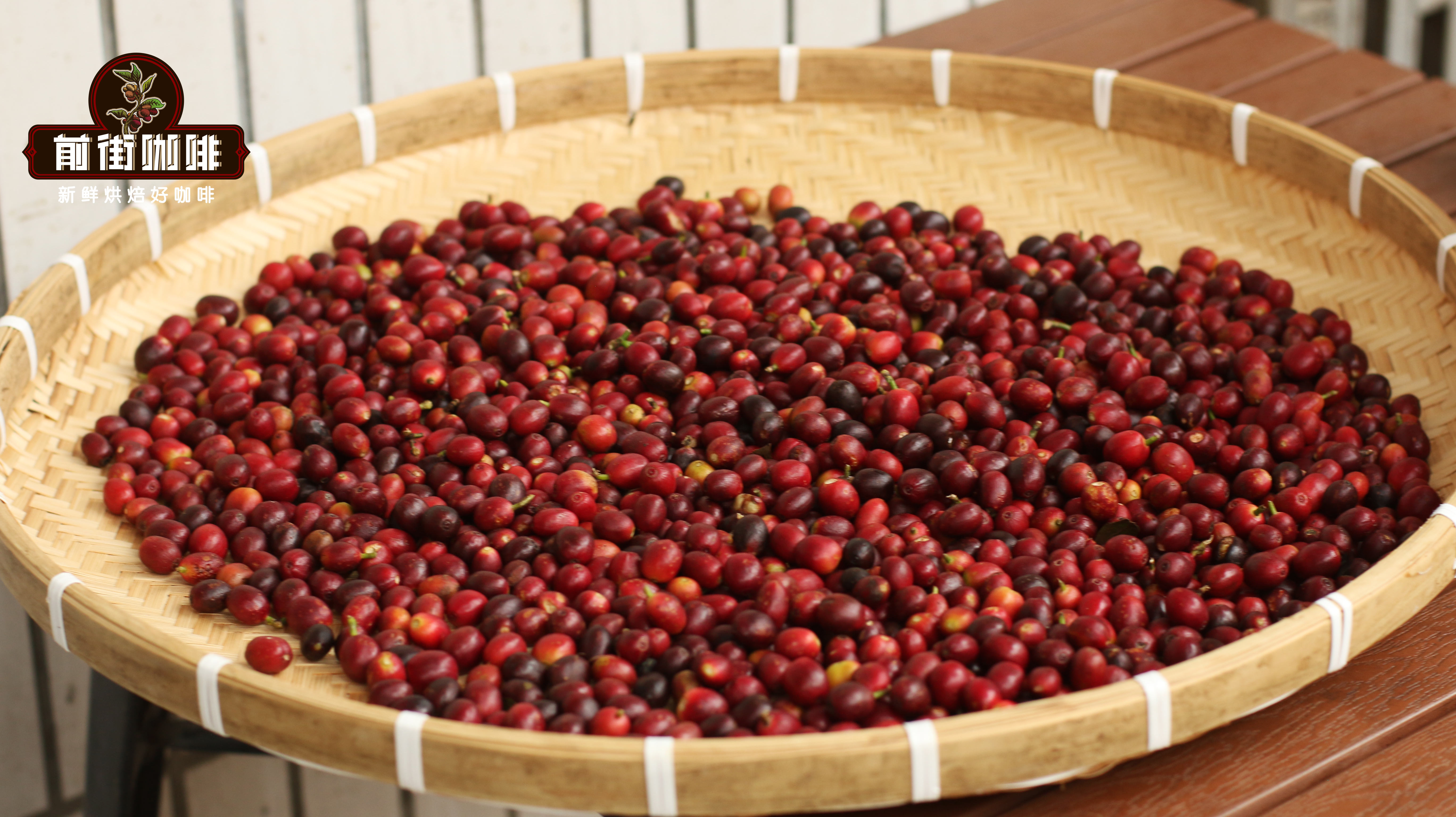
The so-called sun-drying process is the most traditional and direct method. Freshly harvested coffee cherries are placed directly under the sun to dry, allowing the moisture in the pulp to gradually evaporate until the entire fruit reaches a safe moisture content level (usually about 11%). The seeds are then extracted using mechanical hulling. This method does not require complex equipment, making it particularly suitable for smallholder farmers and regions with limited resources.

To improve the quality of sun-dried coffee, many regions first float the coffee cherries to remove unripe ones or impurities, then place them on raised drying beds. This not only helps avoid ground contamination and pest infestation but also promotes more even drying. During the sun-drying process, workers need to regularly turn the cherries and remove any that are moldy, cracked, or infested by insects to ensure the final quality.
Since the entire fruit remains covered in pulp during drying, the fermentation process is more thorough, resulting in sun-dried coffee often exhibiting intense tropical fruit aromas, prominent sweetness, and a rich overall flavor profile. Representative sun-dried beans include Panama’s Geisha Red Label from Hacienda La Esmeralda, Ethiopia’s Yirgacheffe Hambela, and Brazil’s Fazenda Rainha, all known for their sweet, full-bodied, and fruity profiles.
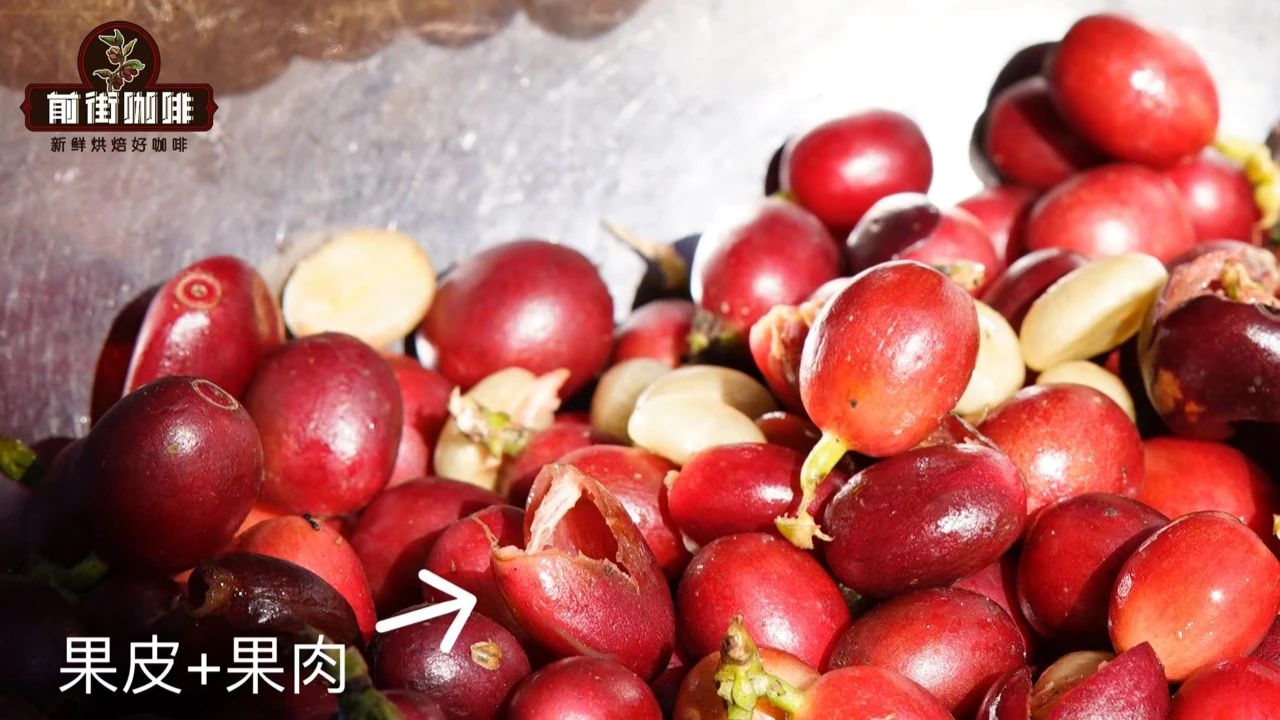
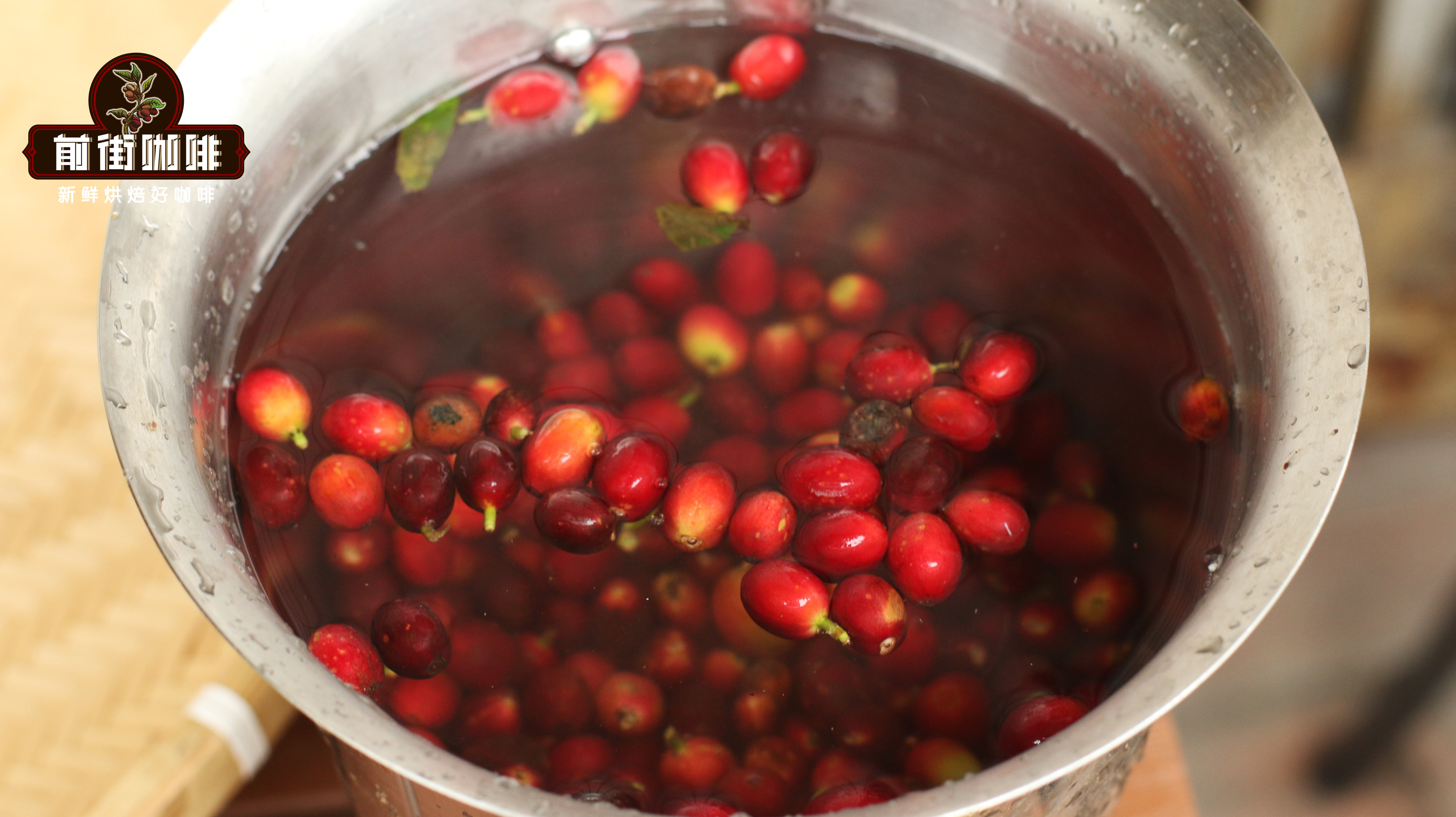
Compared to the “naturalist” approach of sun-drying, the washed method is a more “clean” style of processing. First, the harvested coffee cherries undergo flotation to remove impurities and unripe fruits, followed by machine removal of the outer skin and part of the pulp. At this stage, the coffee beans still have a slippery layer of mucilage on their surface.
Next, these mucilage-covered beans are placed in fermentation tanks, where microorganisms break down the residual mucilage. This stage can last anywhere from a few hours to several days, depending on the fermentation method (with or without water) and ambient temperature. After fermentation, the beans are thoroughly washed with clean water to remove all mucilage residues. Finally, the clean parchment beans are dried until their moisture content is reduced to a safe range of 11% to 13%.
The advantage of the washed method is shorter drying time and lower dependence on climate, enabling more stable quality control and making it suitable for large-scale production. However, it requires a stable water supply and significant equipment investment, resulting in higher initial costs. That said, the processed coffee typically exhibits clarity and bright acidity, making it highly favored by consumers who enjoy fruity acidity and clear flavor profiles.
Common flavor profiles of washed beans include citrus, berries, and green tea-like brightness, especially when roasted lightly to medium. Examples such as Ethiopia’s Yirgacheffe Gedeb, Kenya’s AA, and Panama’s Boquete Geisha are classic representatives of washed processing.
The honey process (Honey Process) is often misunderstood as involving the addition of honey, but in reality, the “honey” refers to the natural sugars in the coffee mucilage. This method originated from Brazil’s “pulped natural” technique and was later widely improved and popularized across Central and South America, with Costa Rica being the most representative.
The basic steps of the honey process are: first, the coffee cherries are floated to remove defects, then the skin is removed by machine, but part or all of the mucilage layer is intentionally retained. The mucilage-covered beans then undergo a short dry fermentation before being placed on the drying patio. The retained mucilage gradually thickens under the sun, taking on a sticky, honey-like texture — hence the name.
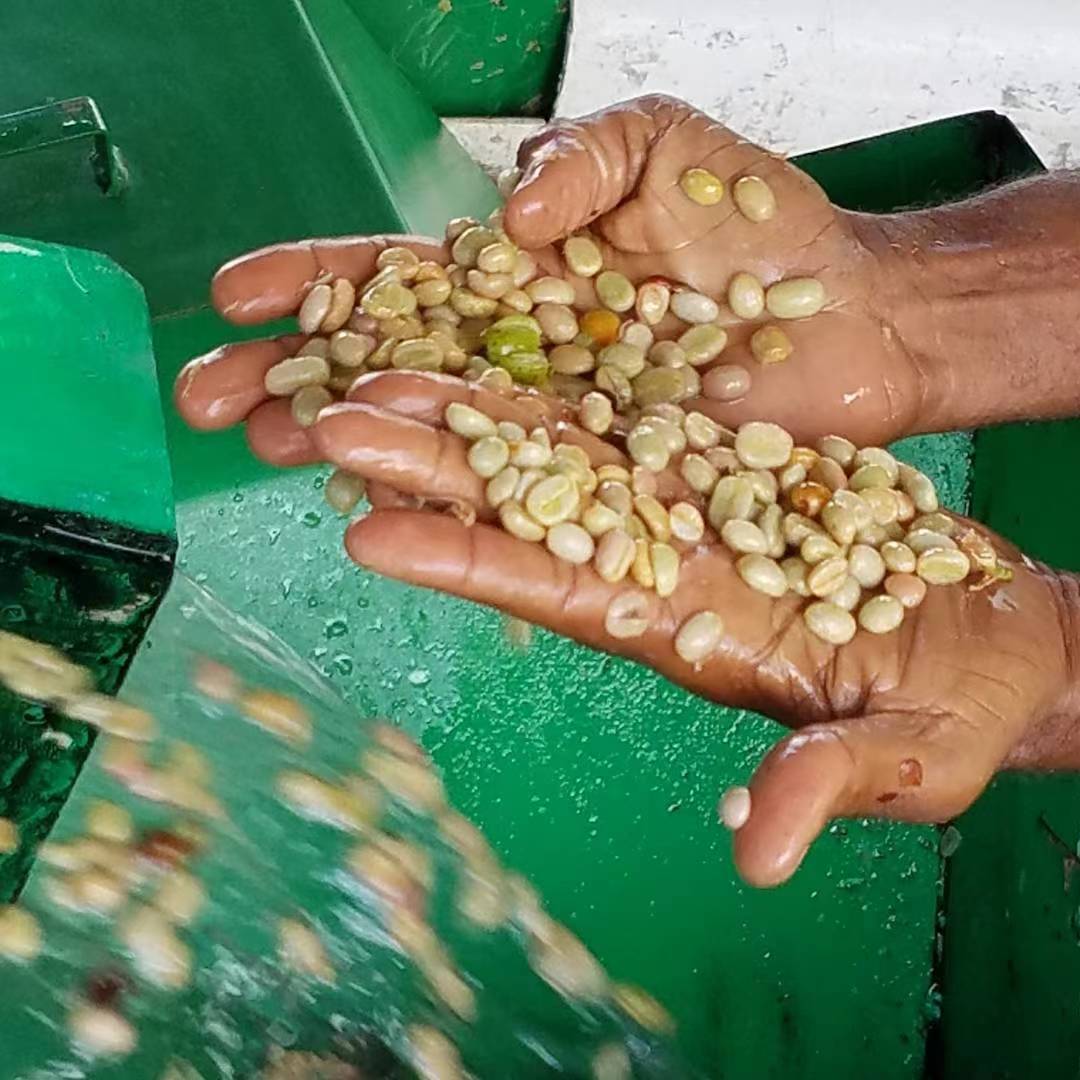
Depending on how much mucilage is retained, the honey process is further divided into white honey (least retained), yellow honey, red honey, and black honey (most retained). The more mucilage that is kept, the longer the drying time and the more intense the resulting flavors — usually with more pronounced sweetness and body.
The benefit of the honey process is that it combines the sweetness of sun-drying with the cleanliness of washing, while significantly reducing water usage (by about 40%) and avoiding the defective flavors that can arise from overexposure to the sun. Brewed cups often display rounded fruit sweetness, delicate floral notes, balanced mouthfeel, and distinct layers, making it very popular in the specialty coffee market.
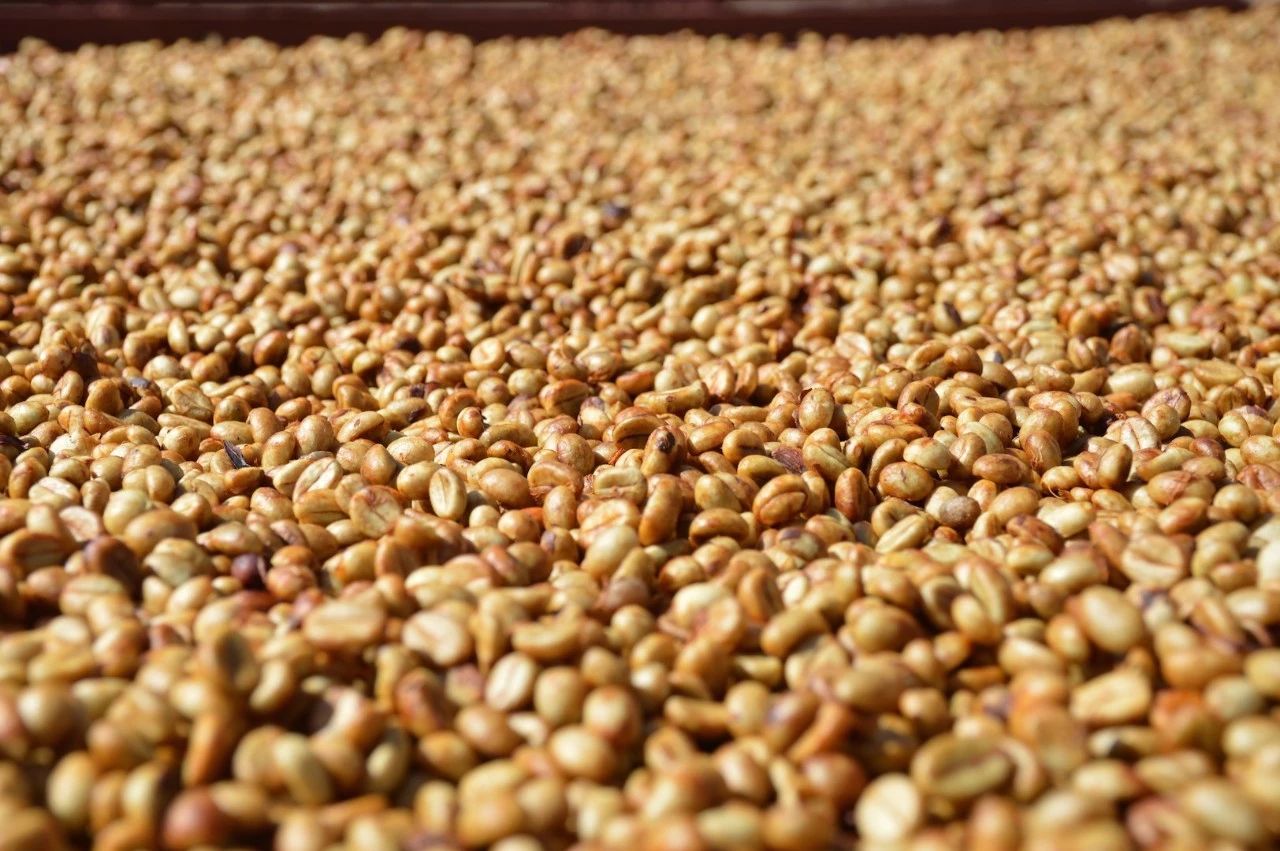
A classic example of honey processing is Guatemala’s Nueva Oriental Geisha. After roasting, it shows intense fruity sweetness and a toffee-like aftertaste, with rich yet layered flavors — considered by many coffee enthusiasts as a flagship representation of honey-processed coffee.
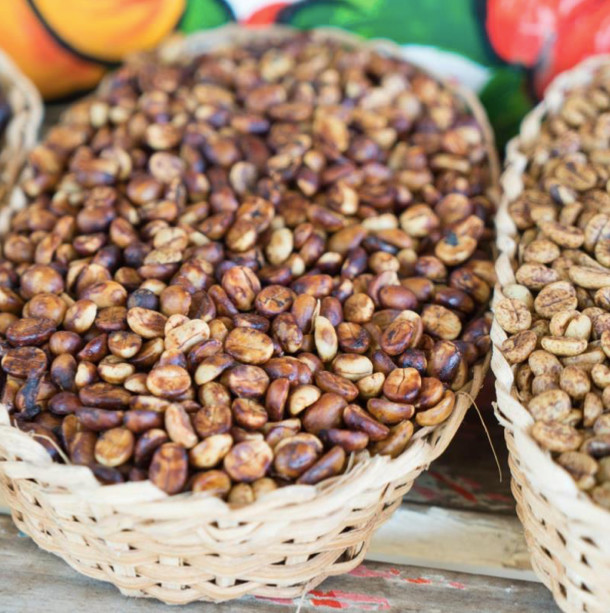
In summary, sun-drying, washed, and honey processing each have unique craftsmanship characteristics and flavor directions. Sun-drying emphasizes fruitiness and sweetness with bold and vibrant profiles; the washed method offers clean and bright acidity with fruity notes, suitable for those who prefer a refreshing taste; honey processing blends the strengths of both, featuring sweetness and clarity with added environmental and water-saving benefits. Understanding the differences among these processing methods can help you choose the coffee beans that best match your personal taste preferences.

The above content is compiled by CoffeeHunters, a coffee news website.


