







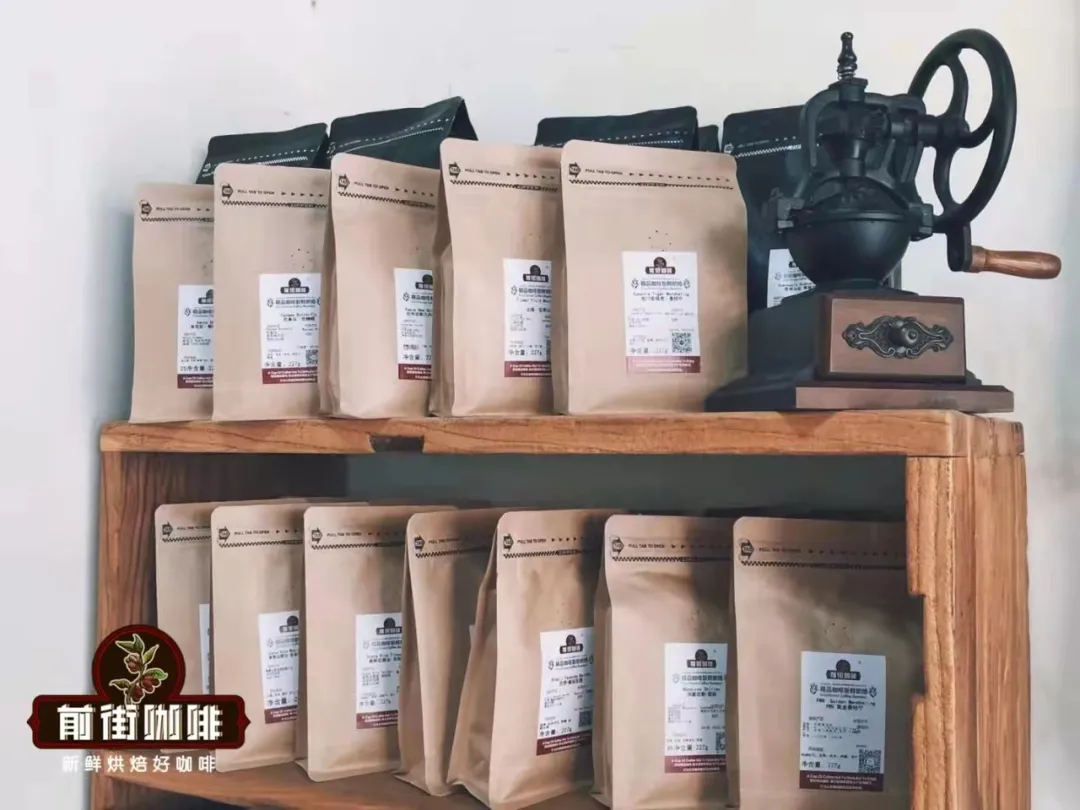
Introduction:Coffee enthusiasts often face the challenge of preserving coffee beans, especially as the Lunar New Year approaches—maintaining their freshness and flavor becomes even more crucial. This article delves into three key taboos in coffee bean storage: high temperatures, humidity, and oxidation. It also offers practical storage advice, from keeping beans in their original packaging to knowing when to use airtight containers, as well as precautions for refrigerator storage, helping you effectively extend the drinking window of your pour over coffee beans.
With the Lunar New Year just around the corner, many courier services are about to suspend operations, prompting many coffee lovers to stock up on beans in advance. However, ensuring the beans remain fresh and flavorful during the festive season has become an important issue. There are three major taboos in coffee bean storage that absolutely must not be overlooked: high temperature, humidity, and oxidation.
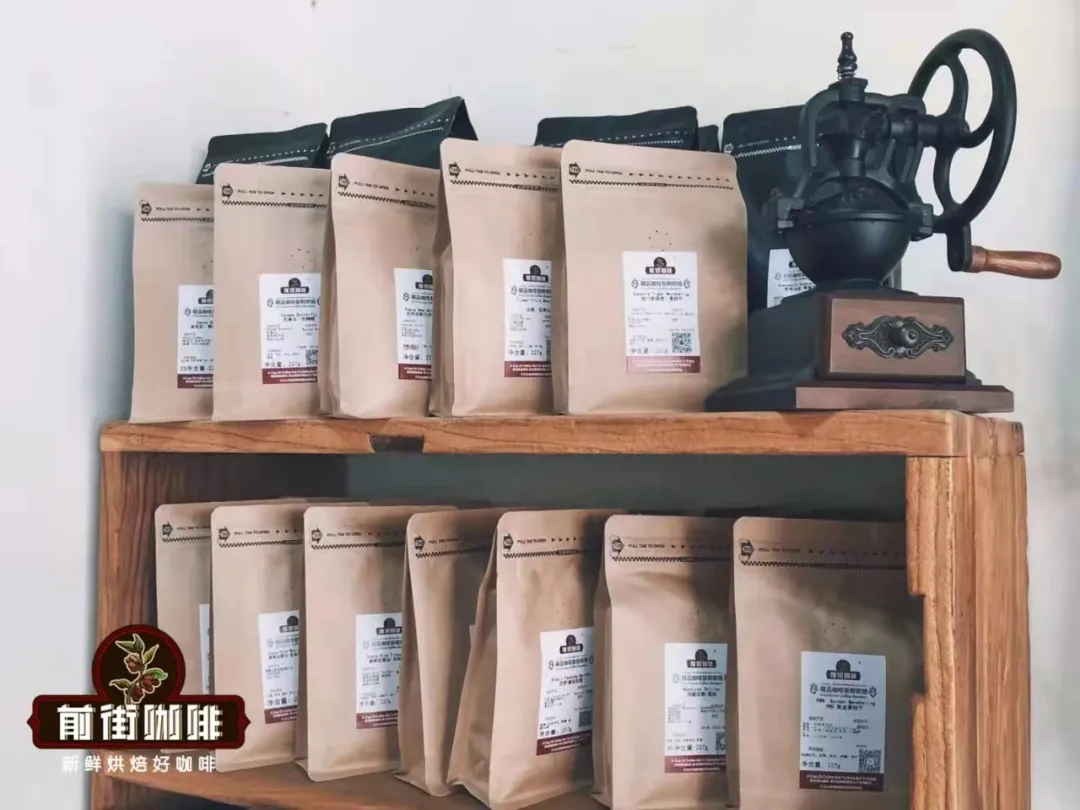
First, a high-temperature environment accelerates the evaporation of aromatic compounds in coffee beans. Particularly when the temperature exceeds room temperature, the loss of aroma noticeably speeds up. If coffee beans are exposed to direct sunlight for extended periods, not only will the aroma dissipate, but the excessive heat may also encourage the growth of mold or bacteria, significantly increasing the risk of spoilage.
Secondly, humidity is another major enemy. Take the frequent "returning humidity" days in southern China as an example—moisture can easily cause items to grow mold, and coffee beans are no exception. Once beans become damp, they are highly susceptible to mold, which not only affects flavor but may also pose health risks. Therefore, it’s essential to keep the storage environment dry and avoid exposing the beans to excess moisture.
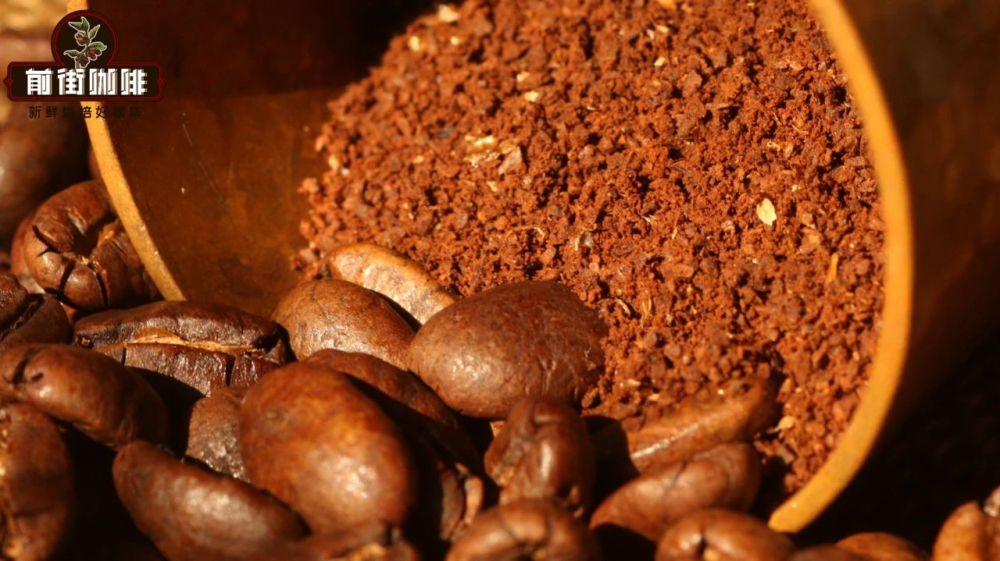
Lastly, while oxidation may not be as visibly obvious as a peeled apple turning brown, it is nonetheless a silent culprit that gradually erodes coffee flavor. When coffee beans are continuously exposed to oxygen, their freshness and flavor gradually decline, and the optimal drinking period is significantly shortened. With these three taboos in mind, let’s now explore practical storage methods.
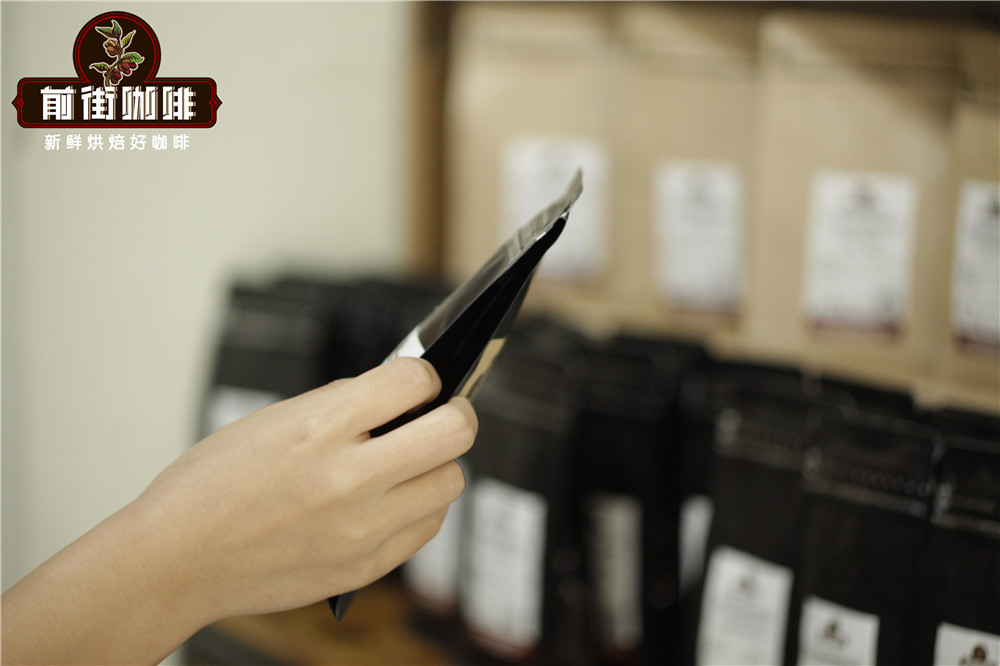
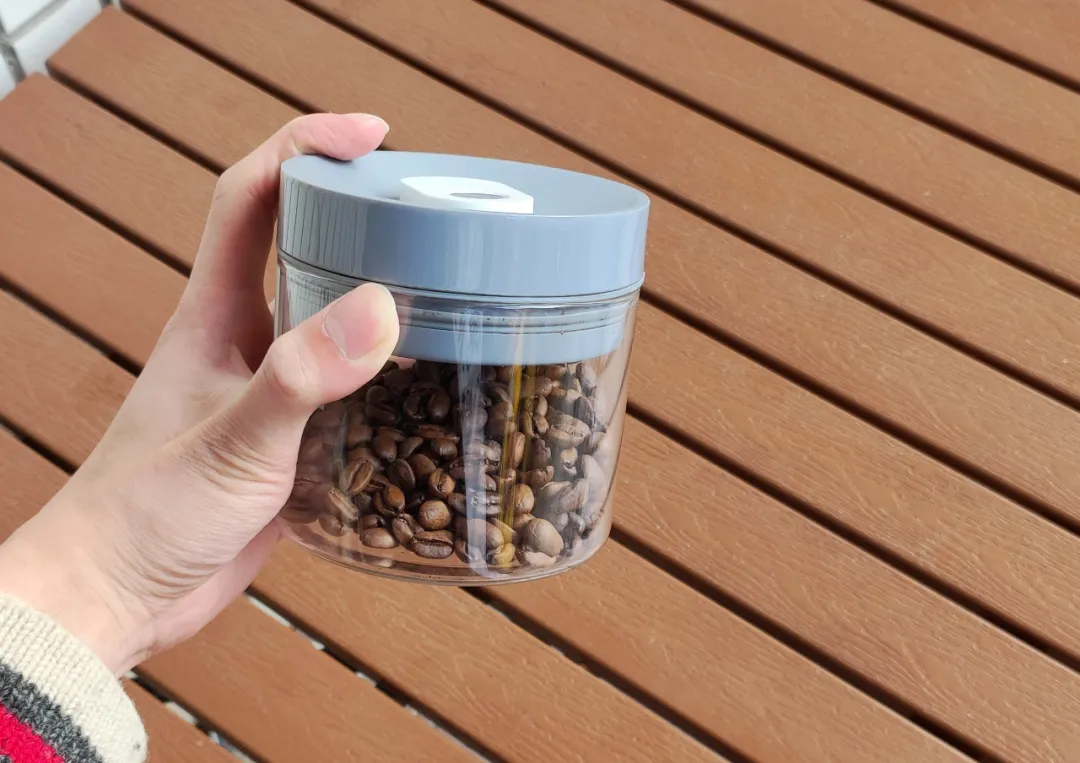
A common question is: should you open the bag and transfer the beans to a sealed container as soon as you receive them? If the coffee beans have already been opened, using an airtight container is indeed a better choice to help preserve the remaining beans’ flavor. But if the beans are still unopened, it’s recommended to keep them in their original packaging and store them in a cool, dry place. The original packaging is usually designed with a one-way degassing valve that releases internal gases when pressure builds up, whereas a sealed container lacks this feature. Additionally, transferring unopened beans into a sealed container actually exposes them to air sooner, negating the protective benefits of the original packaging.
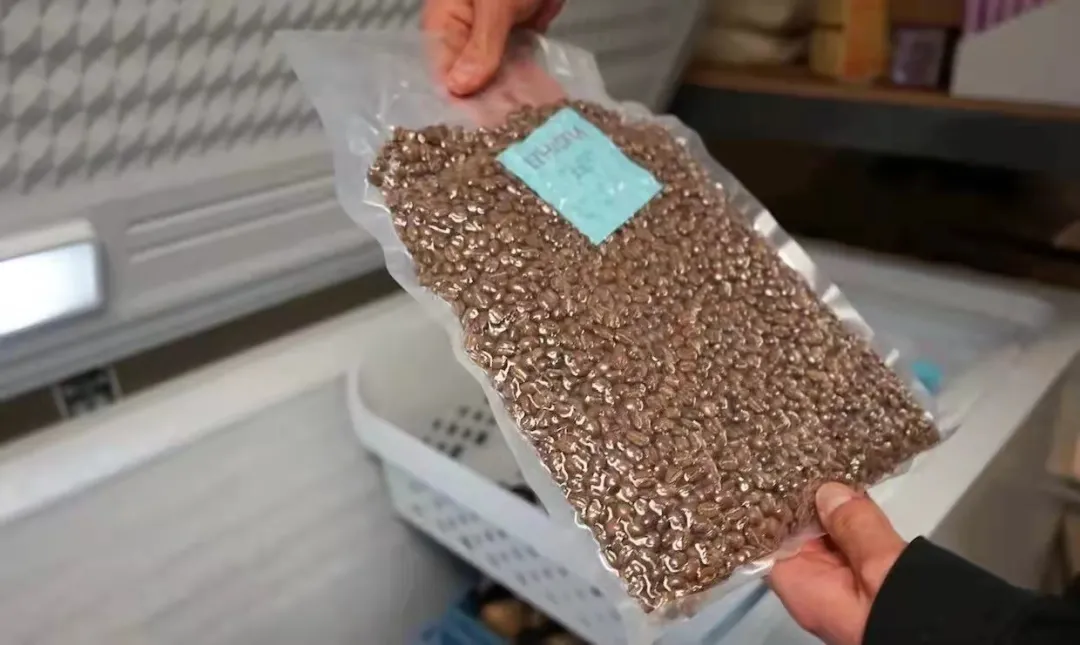
Another common question is: does refrigerating or freezing coffee beans help extend their shelf life? A low-temperature environment can indeed slow down oxidation. According to experiments, storing coffee beans at 5–15°C in the refrigerator’s fresh food compartment or at –20°C in the freezer can both delay flavor loss. However, household refrigerators typically store a variety of foods—including fruits, leftovers, and beverages—resulting in an environment filled with various odors. Coffee beans readily absorb these smells, which can negatively affect their original flavor, or even make the coffee taste off.
Moreover, after taking the beans out of the fridge, there’s also the issue of thawing. If the beans were stored in the fresh food compartment, although the temperature isn’t extremely low, brewing them immediately without letting them come to room temperature could result in under-extraction due to their cooler temperature, negatively impacting aroma and taste. If the beans come from the freezer, they’ll need to be thawed—but this process can generate condensation as water vapor in the air cools and forms droplets, increasing the risk of the beans becoming damp.
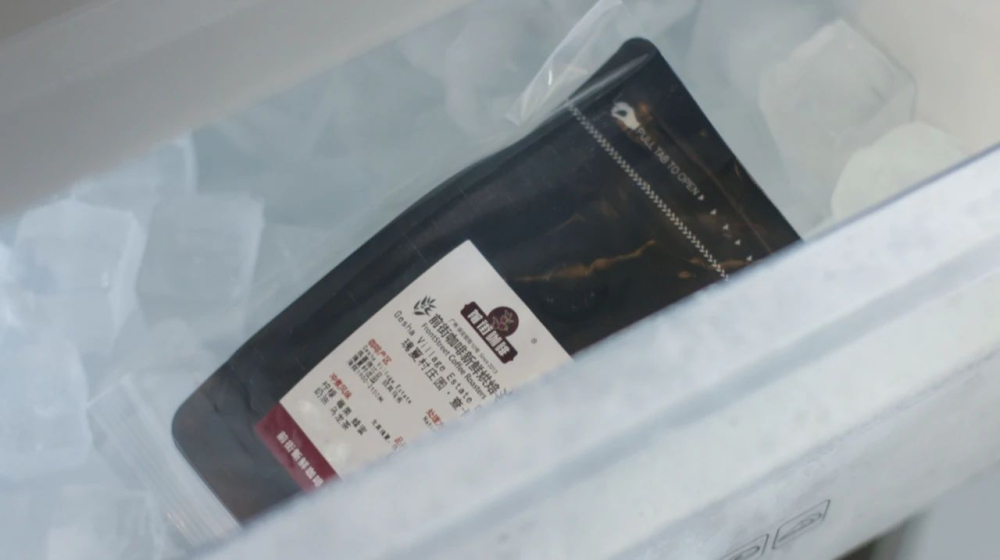
If you can completely eliminate exposure to odors and strictly control the thawing and grinding processes, refrigerator storage can still be an option. But for most households, if these conditions can’t be met, it’s better to store the beans in a cool, dry, and sealed environment to avoid unnecessary flavor loss.
In summary, the key to preserving coffee beans lies in controlling environmental factors—avoiding high temperatures, humidity, and excessive oxidation. Unopened beans can be kept in their original packaging in a shaded, well-ventilated spot; once opened, beans can be stored in an airtight container, though you should minimize their exposure to air. If considering refrigerator storage, carefully evaluate the environmental conditions to avoid any drawbacks. By following these principles, you can continue to enjoy fresh, aromatic pour over coffee throughout the Lunar New Year season.
The above content is compiled by CoffeeHunters, a coffee news website.

