








Introduction:Freshly roasted coffee beans are full of carbon dioxide, and brewing them directly can affect flavor extraction. Understanding the science of resting beans and the optimal waiting times for different roast levels can help you capture the peak flavor of your coffee. This article explains the scientific principles behind bean resting, the differences in resting days for light, medium, and dark roasts, and offers practical methods to judge readiness—so every brew delivers the best possible cup.

Many coffee enthusiasts who enjoy brewing pour over may already be familiar with the term “bean resting.” But why is it necessary, and how long should you rest the beans? In fact, it’s closely related to the release of gases and the development of flavors after roasting. The moment hot water touches the coffee grounds, if the beans haven’t rested enough, a large and chaotic release of gases not only affects the blooming process but can also lead to uneven extraction.

While many people seek freshness in their ingredients, freshly roasted coffee beans are actually not ideal for immediate brewing. At this stage, the beans carry strong roasting aromas but lack nuanced flavor layers, and they’re filled with highly active carbon dioxide—as restless as an energetic child. Brewing in this state prevents gases in the coffee bed from escaping smoothly, which disrupts the contact between water and grounds, ultimately affecting overall extraction performance.
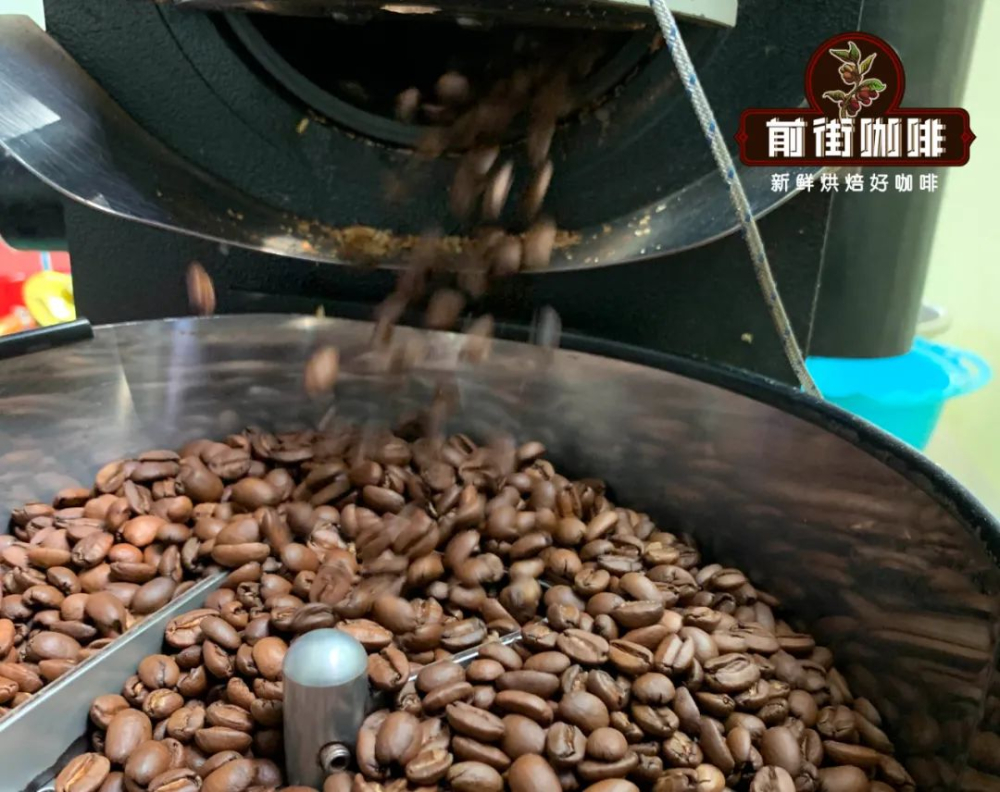
Generally speaking, within about four days after roasting, coffee beans will release around 60–70% of their carbon dioxide. As time goes on, the rate of gas release gradually slows down, and the beans become more stable—much like the transition from unripe to mature. When beans reach this stage, their flavors gradually approach their optimal state, known as the “peak flavor period.” After that, as residual gases continue to be released slowly, the flavors will gradually diminish.

The swelling of a coffee bag is a clear sign that carbon dioxide is still being actively released from inside the beans. It’s important to note that once the beans have completely stopped off-gassing, not only will the flavor drop significantly, but the beans’ freshness will have noticeably declined. Therefore, the core purpose of resting beans is to allow their flavor profile to reach the best possible balance through appropriate waiting time. However, the peak timing varies for each type of bean, and even with the roaster’s recommendations, personal experience may differ.
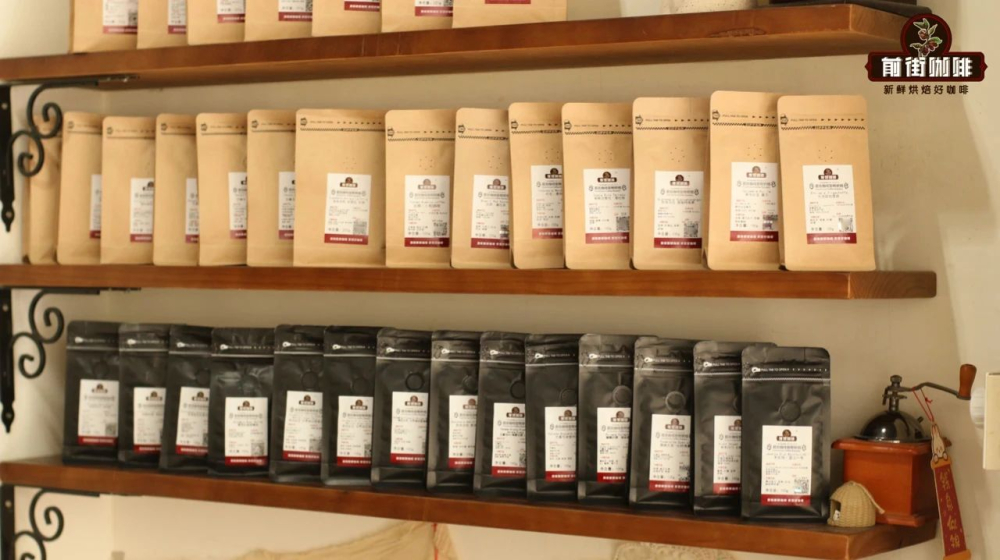
The key factors influencing how long coffee beans need to rest include the roast level, the roasting style, and the method of heat transfer used. Among common heat transfer methods—direct flame, semi-direct flame, and hot air roasting—beans roasted with direct flame typically require a longer resting period, followed by semi-direct flame, while hot air roasted beans generally need less time. As for roast levels, light roasts have shorter roasting times and usually retain more carbon dioxide internally, so their resting period is generally shorter than that of dark roasts. For medium-light roasts, the resting period is roughly 4–7 days; for medium-dark roasts, it’s recommended to wait 7–10 days to achieve a more stable flavor expression.

It’s worth noting that differences in roasting style can also impact resting requirements. Even with the same coffee beans, the roasting pace and techniques used by different roasters may result in variations in flavor characteristics and resting behavior. Some roasters prefer a fast-rising temperature curve, while others opt for a slower and steadier approach—these subtle differences can be reflected in the required resting time. Therefore, even for beans of the same roast level, the actual resting time needed may vary.
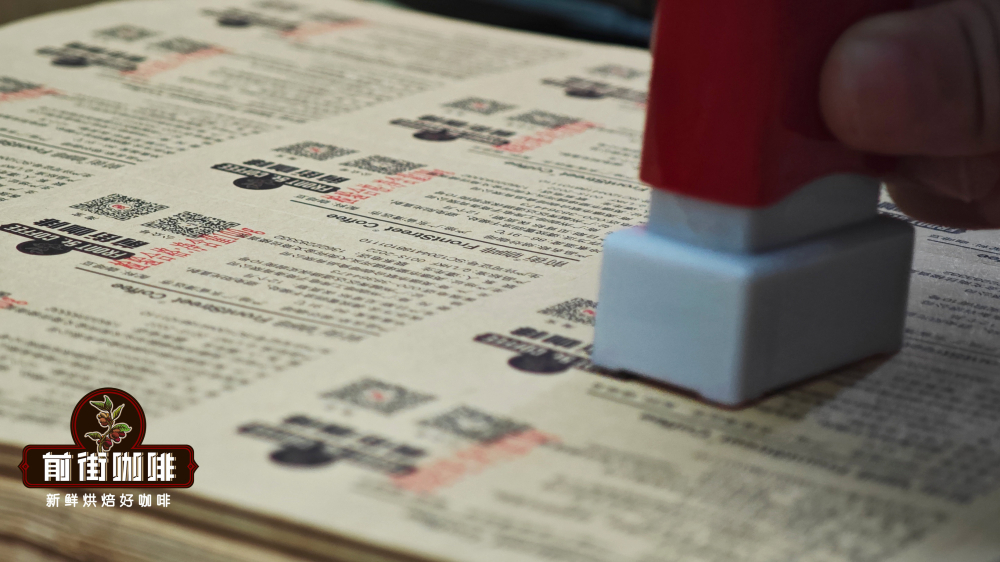
For consumers, how can you determine the resting period for a bag of coffee beans? The primary rule is to avoid blindly applying resting advice from different roasters, as each may have distinct roasting styles and techniques. The most reliable way to judge is to know the exact roast date of each bag. Beginners are advised to rely on actual tasting to observe flavor changes: brew the same beans daily and carefully compare their flavor performance over consecutive days. When you notice the coffee’s aroma and taste gradually improving and reaching a peak balance before starting to slightly decline, that turning point marks the resting limit for those beans. Mastering this trick allows you to more accurately estimate the resting needs of similar beans in the future, while also reducing unnecessary bag openings that could compromise the beans’ storage condition.

The above content is compiled by CoffeeHunters, a coffee news website.

