







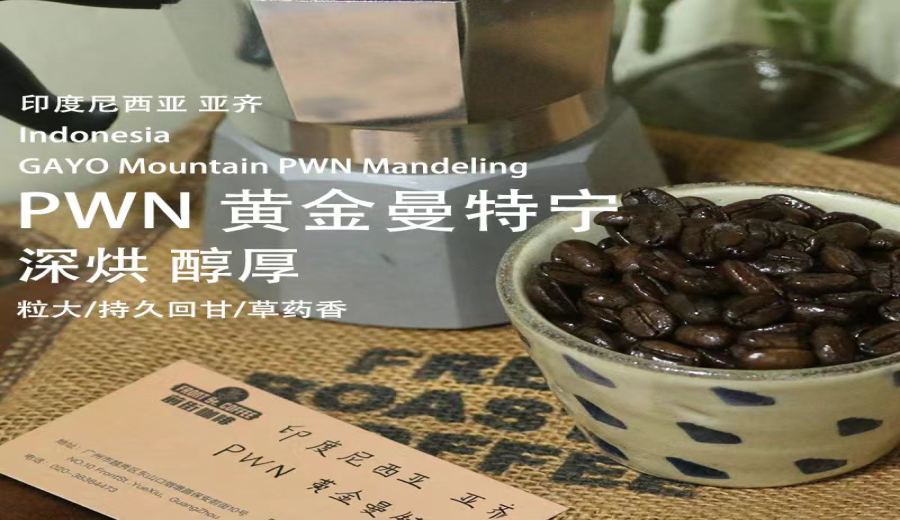
Introduction:Indonesian Mandheling coffee is renowned for its rich, bold flavors intertwined with spices and chocolate, making it a top choice for many coffee beginners stepping into the world of dark roasts. This article delves into whether Golden Mandheling truly stands as the best pour over Mandheling bean, and provides selection tips for medium-dark roasted Mandheling beans suitable for both moka pot and pour over brewing. We’ll cover everything from origin, processing method, roast level to actual flavor performance, helping you find your perfectly matched cup.
When it comes to Indonesian coffee, “Mandheling” is almost synonymous with quality and flavor. Originating from Sumatra, this coffee is known for its intense black chocolate, nutty, spicy notes, and subtle herbal undertones. With low acidity and a full body, it’s especially well-suited for drinkers who enjoy a rich mouthfeel and dark roast characteristics. Whether you’re a pour over newbie or just starting out with a moka pot, Mandheling is a very approachable single-origin bean that showcases its unique traits easily.
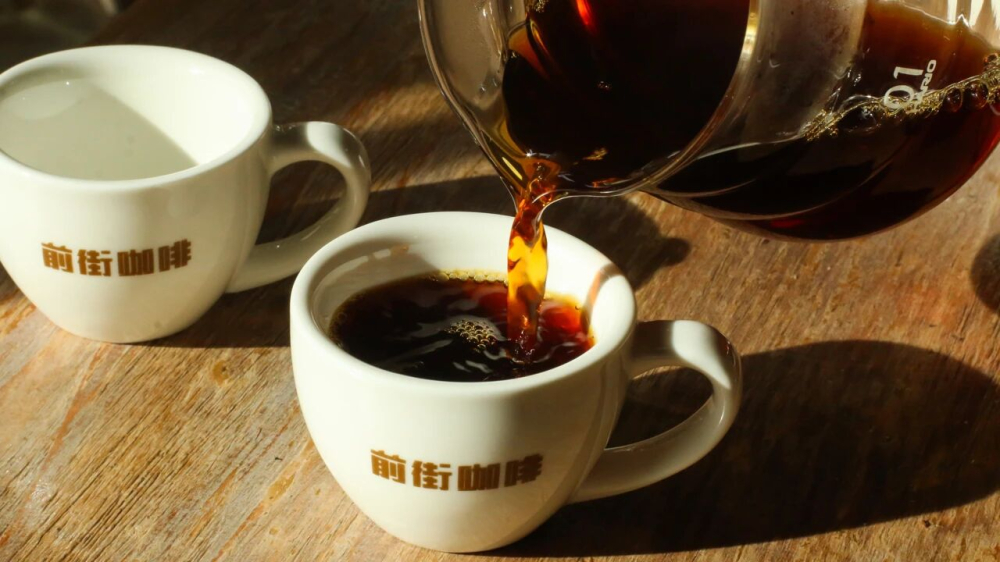
If you’re looking to try high-quality Mandheling, selecting beans with clear information on origin, grade, and processing method is key. For instance, G1 grade Mandheling from Sumatra, Indonesia, not only represents top-tier selected beans but is also often processed using the wet-hulled method, bringing out a rich character with earthy and spicy notes — perfect for coffee lovers who appreciate complex layers.
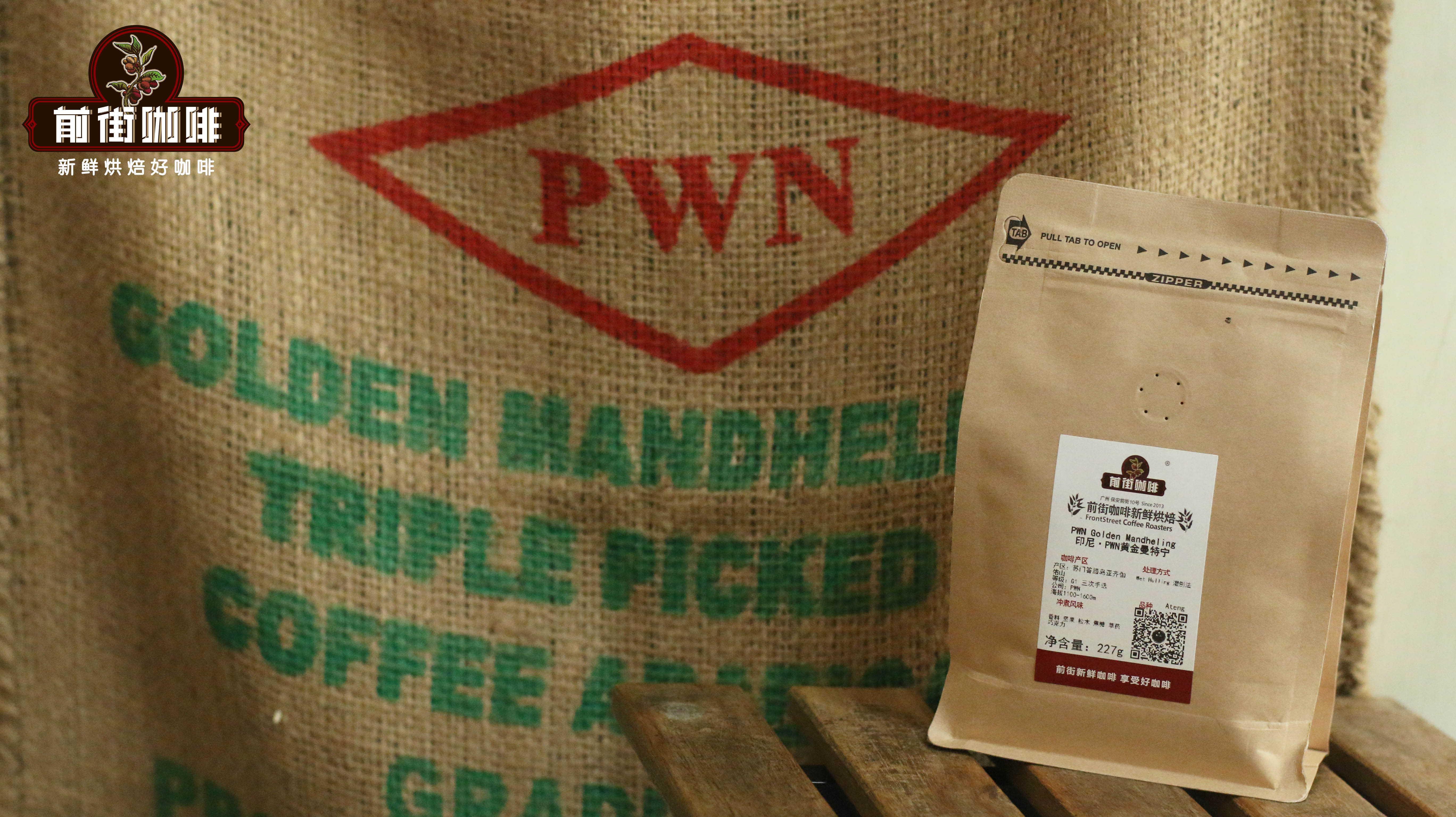
Among the many Mandheling beans, “Golden Mandheling” is often regarded as the premium representative. This bean variety, meticulously selected by the Indonesian green coffee trading company PWN (Pawani), undergoes a high-standard screening process from origin harvest to export: first sorted by machine for density and color, then hand-picked four times to ensure each bean’s integrity, size, and appearance are uniform. This rigorous selection system gives Golden Mandheling exceptional visual consistency and quality stability.
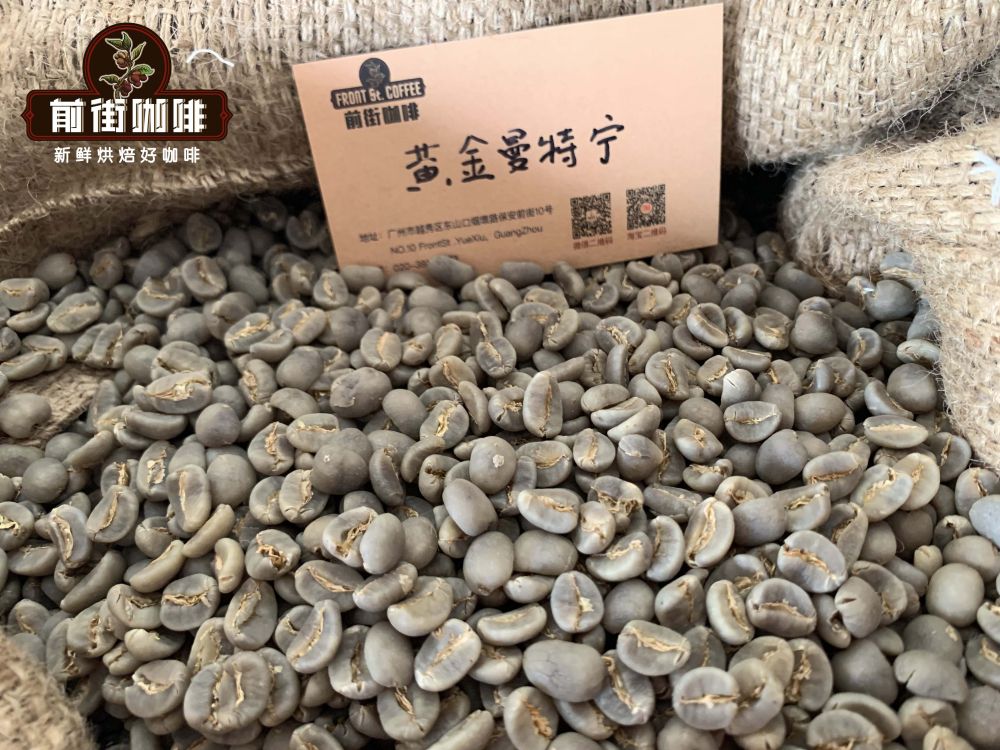
The history of Golden Mandheling is quite fascinating. In 1957, a Japanese coffee merchant recognized the potential of Sumatran Mandheling and established PWN, focusing on purchasing and carefully selecting high-quality local green beans. Due to the stringent quality demands of early Japanese buyers, PWN gradually developed a more meticulous screening system than the local standards, including strict checks on bean density, size, color, and defect rate — eventually giving birth to this classic bean that shines with a golden luster in the sunlight, hence named “Golden Mandheling.”
It is understood that PWN is the first brand to register “Golden Mandheling” as a trademark, meaning only PWN-produced Mandheling can legitimately bear this name. Other products on the market that claim titles such as “Ding Shang Mandheling,” while possibly similar in flavor, are not genuine Golden Mandheling. When purchasing, look for the official PWN logo and origin certification on the packaging to ensure you’re getting the authentic product.
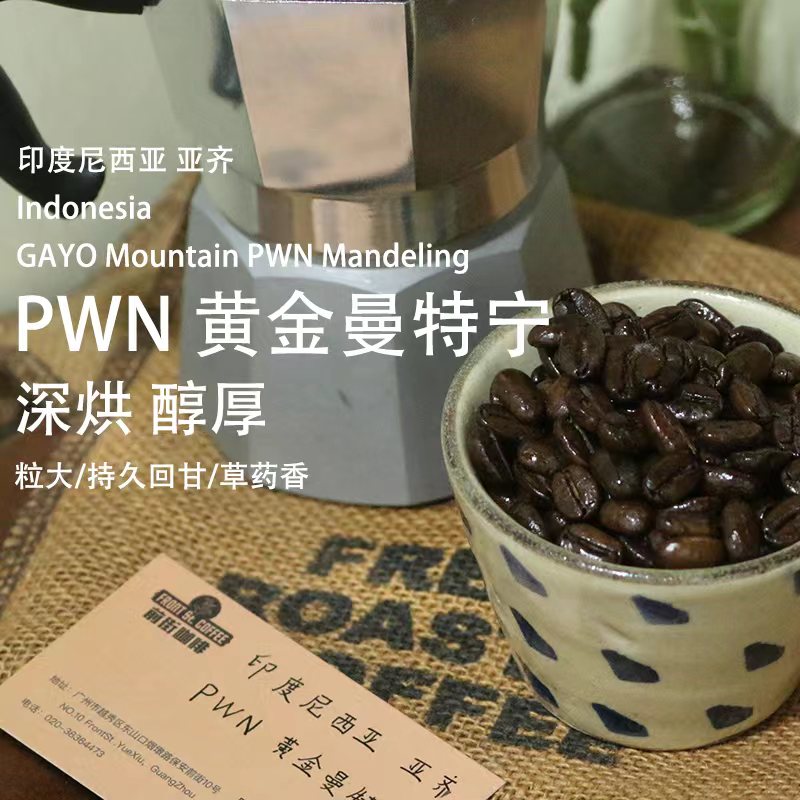
The provided PWN Golden Mandheling is grown at high altitudes of 1100 to 1600 meters in Sumatra, with the Ateng variety, and is processed using the traditional wet-hulled method. The wet-hulled method helps preserve more flavor compounds within a shorter drying time, while also imparting a heavier body and deep, bass-tone richness to the coffee. This bean has a clear flavor profile, often described as featuring nuts, black chocolate, spices, herbs, and caramel. It offers a smooth, bold taste with a long finish, making it a versatile medium-dark roast suitable for multiple brewing methods.
For moka pot users, medium-dark roasted Mandheling is particularly user-friendly due to its dense flavor release and stable extraction performance — even beginners can easily get the hang of it. It’s recommended to adjust the grind to medium-fine (close to caster sugar), use about 18-20 grams of coffee, and control the water temperature between 90-92°C. This setup better highlights its spicy and chocolatey main notes while avoiding over-extraction that could lead to bitterness.
If you opt for pour over, it is recommended to use a V60 or Kalita Wave with stable flow rate, grinding to a medium-fine to medium level (like fine white sugar), and maintaining a water temperature of 90-92°C. Employing a staged extraction method, such as a 2:6:2 or 3:4:3 ratio, can effectively balance the bold mouthfeel with clear layers. The consistent performance of Golden Mandheling allows it to showcase the classic charm of Sumatran coffee no matter which equipment you use.
In summary, if you’re searching for a coffee bean that represents the spirit of Indonesian Mandheling, offers stable quality, and is suitable for various brewing methods, Golden Mandheling is undoubtedly an outstanding choice. Whether you’re just starting with pour over or are already familiar with moka pot operation, this classic medium-dark roast will deliver a rich, aromatic, and layered coffee experience.
The above content is compiled by CoffeeHunters, a coffee news website.

