







Introduction:Want to try single-origin coffee but don’t know where to start? This article features 10 popular coffee beans from different regions, covering multiple brewing methods such as pour over and cold brew. It details altitude, variety, processing method, and flavor profiles, along with practical advice on acidity, aftertaste, and body to help beginners find an entry-level bean that suits their taste and offers good value.
[Panama Geisha Blend] Diverse flavors ideal for pour over and cold brew
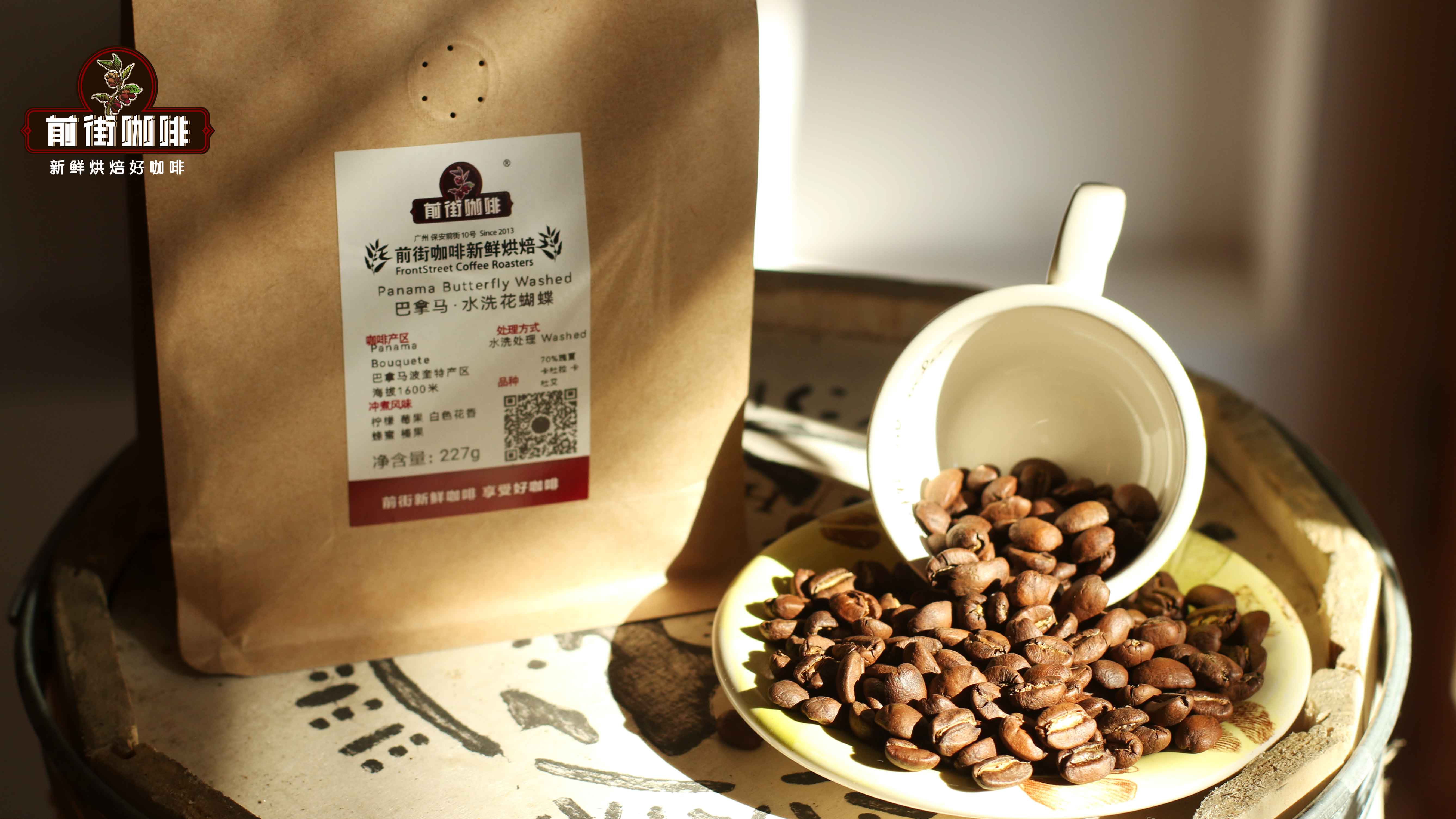
This hybrid bean from Boquete, Panama, combines Geisha, Catuai, and Caturra varieties, processed using the washed method and grown at around 1600 meters above sea level. The flavor is dominated by white floral notes, citrus, and berries, with a tea-like finish, delivering an overall refreshing and pleasant cup. Recommended for pour over, cold brew, or iced coffee, it offers a balanced sweet and sour profile with layers, making it a daily favorite for many coffee enthusiasts.
[Indonesian Golden Mandheling] Full-bodied and low-acid, ideal for espresso lovers

Produced in Aceh, Sumatra, Indonesia, this Golden Mandheling is carefully selected by PWN, grown at altitudes between 1100 and 1600 meters, classified as G1 grade and hand-sorted three times, processed using the traditional wet-hulled method. The main variety is Ateng, with herbal and spicy notes, accompanied by undertones of dark chocolate, caramel, and nuts. The mouthfeel is rich and almost completely devoid of acidity, making it perfect for fans of dark roast and bold coffee, as well as a classic choice for gifting.
[Ethiopian Guji G1 Fruit Ding Ding] Refreshing sweet and sour, suitable for various brewing methods
Produced by the Fruit Ding Ding cooperative in the Guji region of Ethiopia, these beans are grown at altitudes of 2000 to 2100 meters, processed using the washed method, and are of local heirloom variety. The flavor highlights bright citrus acidity, sweet and tangy berry notes, along with honey-like sweetness and green tea aftertaste, offering a refreshing yet not thin cup. Suitable for extraction via pour over, cold brew, or clever dripper, it's a popular first choice for beginners exploring pour over coffee.
[Ethiopian Huika] Rich floral and fruity fermentation aroma
These Huika coffee beans from the Guji region of Ethiopia’s Sidamo zone, processed by Buku Able, are grown at altitudes of 2250 to 2350 meters, processed using the natural (sun-dried) method, and are of Ethiopian heirloom variety. The flavor profile is rich, featuring complex berry juice, fruit fermentation aromas, along with strawberry sweetness and jackfruit notes. Ideal for those who love intense fruity flavors, they are also often chosen as a gift.
[Kenyan Little Tomato] Unique fruity acidity and sugary sweetness
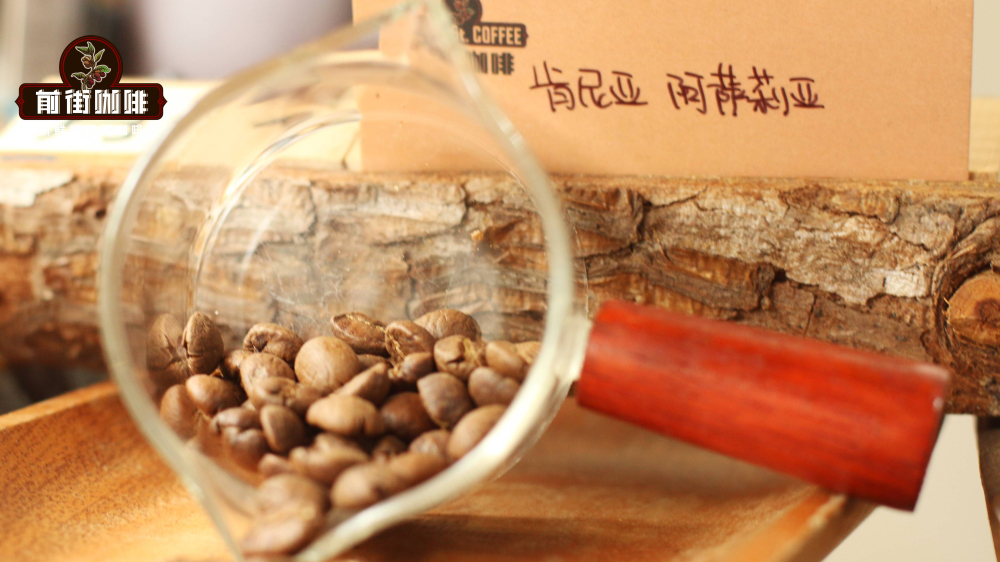
Produced by the Assalia factory in Thika, Kenya, grown at 1550 to 1750 meters, using a 72-hour washed process, with SL28 and SL34 varieties. These beans are known for their unique tomato-like aroma, coupled with plum and dark plum acidity, along with brown sugar sweetness, making them ideal for coffee lovers who enjoy a pronounced juice-like character and clear acidity. They also serve as a creative gifting option.
[Costa Rica Strawberry Candy] Aromatic and vibrant, suitable for various brewers

Combining beans from Costa Rica and Panama, the Strawberry Candy coffee uses a composite processing method of raisin honey and washed, grown at about 1700 meters, with a diverse range of varieties including Geisha, SL28, ET47, and Maico. The flavor features strawberry hard candy, fermented grape raisin aromas, paired with strawberry tartness and rose floral notes, delivering a richly layered aromatic profile. Suitable for brewing with moka pot, SOE, pour over, or American drip, it's a great choice for those who love floral and fruity notes.
[Yunnan Small Bean Typica] A balanced local option

These beans from Baoshan, Yunnan, are grown at 1450 to 1550 meters, processed using full red fruit sun-dried method, and are of the Catimor variety. The flavor combines the tartness and sweetness of red berries, the richness of dark chocolate, roasted nut aromas, and caramel sweetness, resulting in a balanced and layered cup. Ideal as a gift for those who enjoy mild and balanced flavors, it's also a great choice for exploring domestic specialty beans.
[Brazilian Queen Estate] Classic choice with nutty and creamy flavors
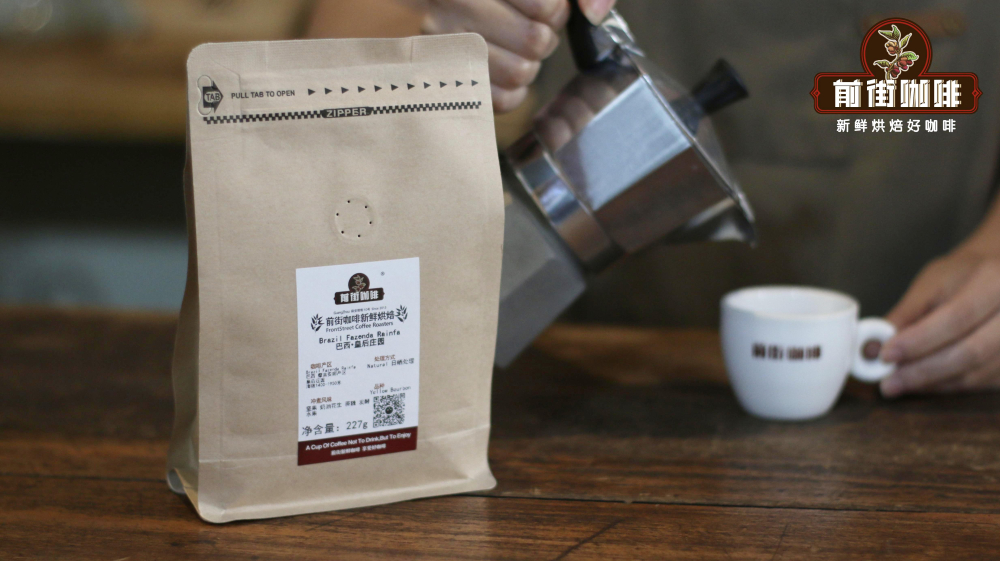
From the Queen Estate in Minas Gerais, Brazil, grown at altitudes between 1400 and 1950 meters, processed using the semi-washed (pulped natural) method, with the Yellow Bourbon variety. The flavor features roasted nut aromas, a creamy smooth mouthfeel, and hints of fermented fruit. Suitable for pour over, moka pot, or espresso SOE brewing, it's an ideal choice for those who enjoy nutty notes and a gentle mouthfeel.
[Papua New Guinea Bird of Paradise] Balanced and fragrant, suitable for beginners
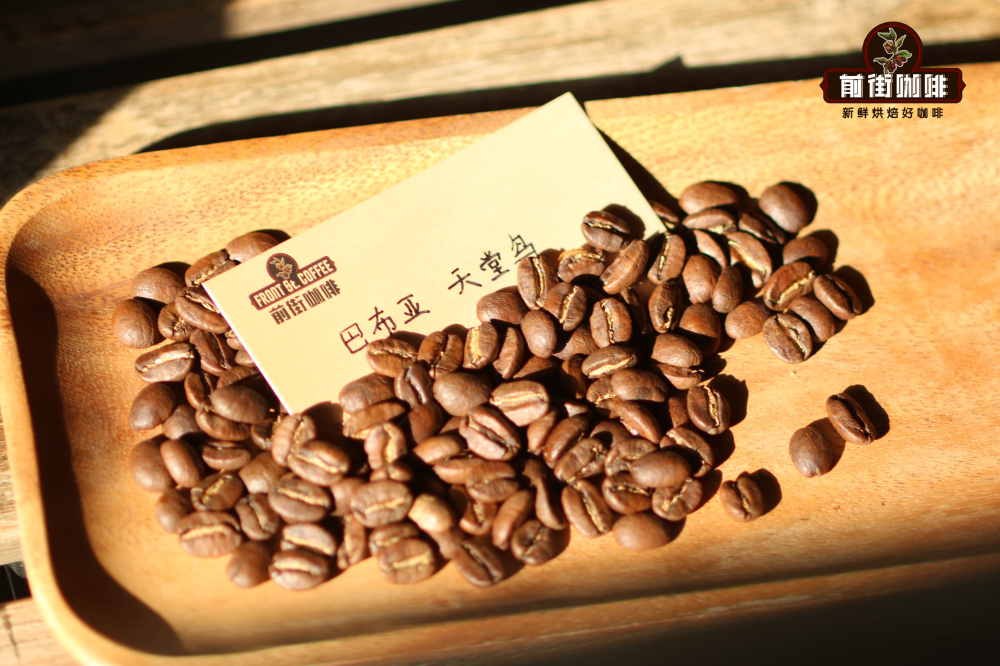
Produced at the Bird of Paradise estate in Papua New Guinea, grown at 1500 meters, processed using the washed method, and of the Typica variety. The flavor is dominated by citrus acidity, paired with toasted bread aroma, cane sugar sweetness, and white tea aftertaste, presenting an overall balanced and fresh profile. Suitable for extraction via pour over or drip bag, it's a good choice for beginners or everyday drinking.
[Jamaican Blue Mountain No.1] Classic balanced flavor, top-tier choice
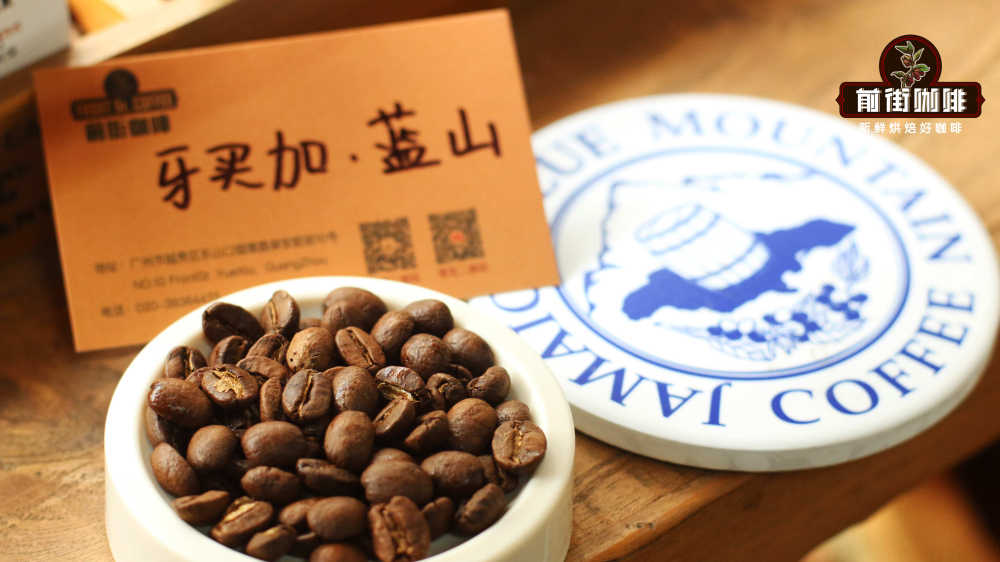
These Blue Mountain No.1 beans from the Clifton Estate in Jamaica’s Blue Mountains, grown at approximately 1310 meters (note: the original 13100m is likely a typo), are processed using the washed method and are of the Typica variety. The flavor presents a balanced interplay of sweet, sour, and bitter, featuring soft citrus acidity, rich dark chocolate aroma, and a creamy smooth mouthfeel akin to nuts. As a representative of classic Blue Mountain coffee, it’s highly suitable as a gift for seasoned enthusiasts with high coffee quality expectations.
The above content is compiled by CoffeeHunters, a coffee news website.

