







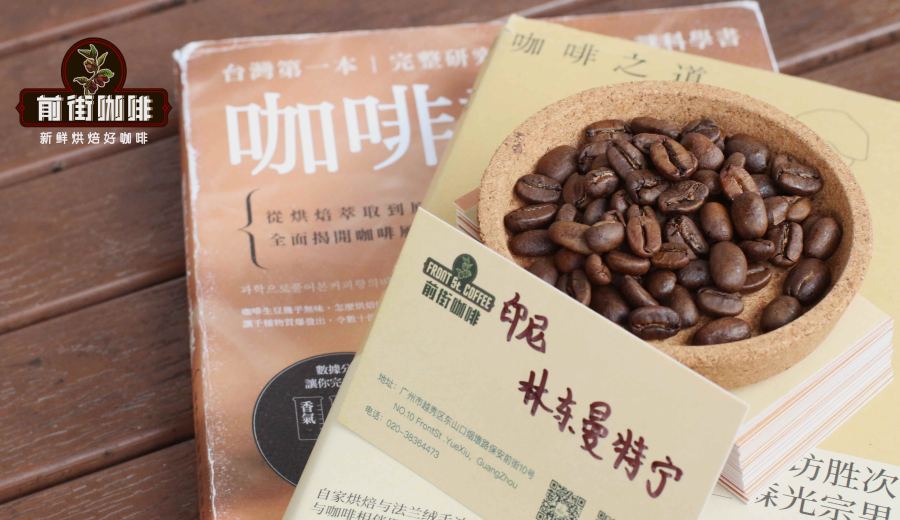
Introduction:Mandheling coffee originates from Sumatra, Indonesia, and is renowned for its rich flavor and distinctive smoky, herbal aroma. It is a classic choice for fans of dark roast. This article delves into the authentic flavor profile, grade classifications, and purchasing tips for genuine Mandheling, and provides practical guidance on various brewing methods such as pour over, moka pot, and siphon, helping you find the most suitable Mandheling coffee beans and brewing approach.
Mandheling coffee comes from the Indonesian island of Sumatra, also often referred to as "Sumatran coffee." It is characterized by a bold, full-bodied mouthfeel, combining aroma, mild bitterness, sweetness, and richness, with a hint of unique smoky finish. It is beloved by coffee enthusiasts around the world. Compared to other Indonesian coffee regions, Mandheling is often recommended to be enjoyed as black coffee—without sugar or milk—due to its pure flavor, which places higher demands on both the quality and freshness of the beans.
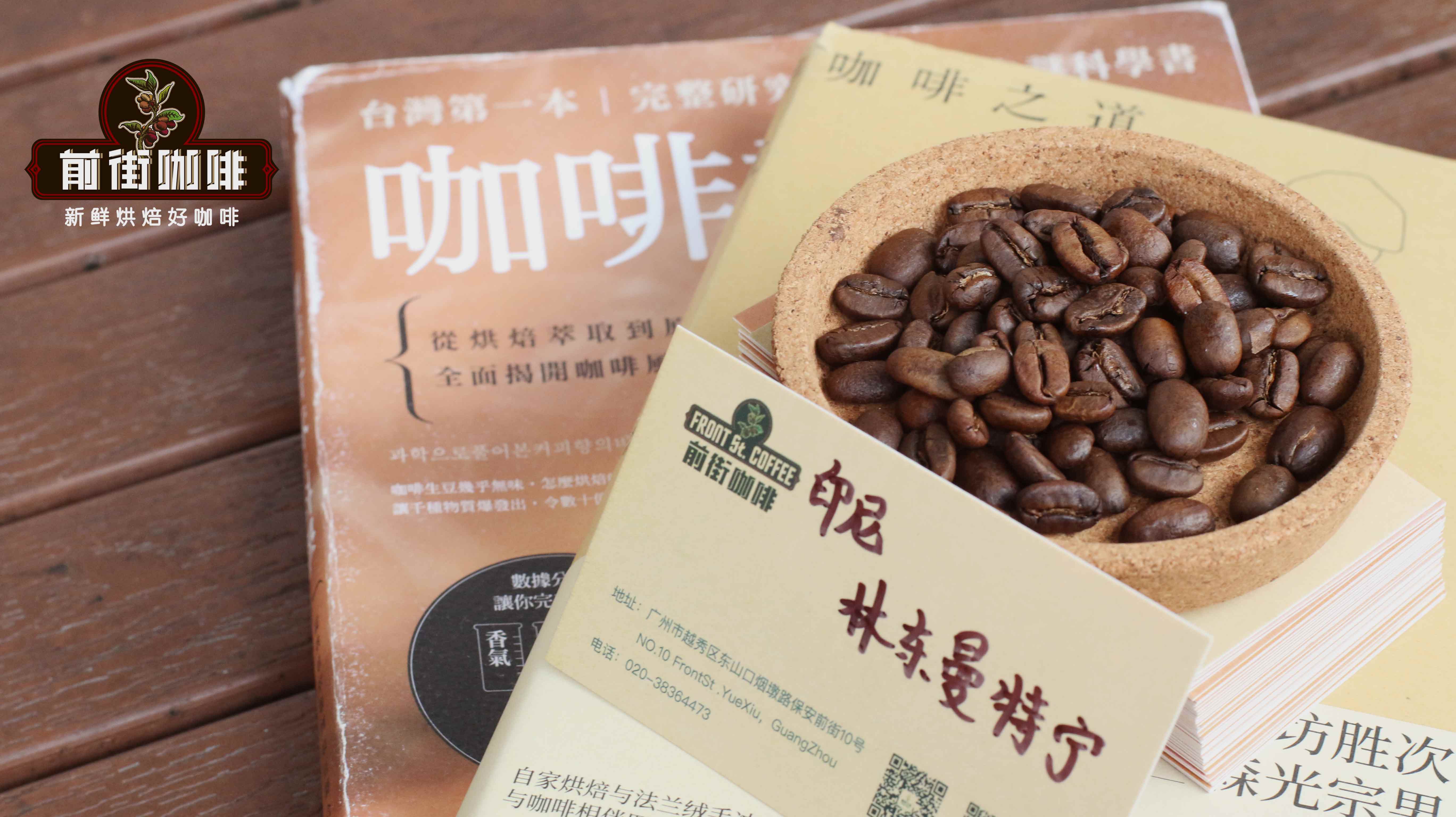
When selecting high-quality Mandheling, the first thing to consider isroast freshness. It is advisable to check the roasted-on date marked on the packaging rather than the expiration date. Generally, the optimal tasting period for coffee beans is within 40 to 50 days after roasting, but choosing beans roasted within 10 days allows you to experience their full aroma and vibrant flavors. Coffee that has passed its prime, even if expensive, may have lost its fragrance and might even develop unpleasant woody or cardboard-like notes.
The grading of coffee is also one of the key factors influencing flavor. Indonesian coffee is graded based on the number of defective beans per 300 grams of green beans, divided into six grades from G1 to G6, with G1 being the highest grade and having fewer than 11 defective beans. This grading system directly affects the purity and overall flavor performance of the coffee. Higher-grade Mandheling typically exhibits a clearer, richer aroma profile and can withstand deeper roasting without becoming overly charred.
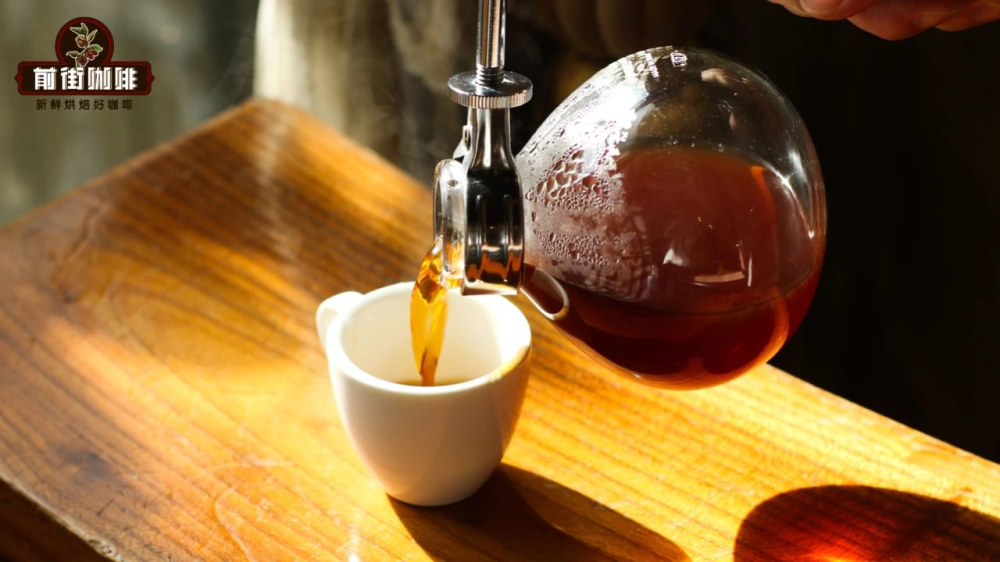
In the Sumatra region, the "wet-hulled" processing method is commonly used for coffee beans. This technique enhances the body of the beans and brings out unique herbal, spicy, and woody notes. After dark roasting, Mandheling often showcases intense layers of dark chocolate, caramel, nuts, and licorice, with low acidity but a long finish. It is suitable for brewing with a variety of devices such as pour over, moka pot, French press, and siphon, each of which can highlight different flavor aspects.
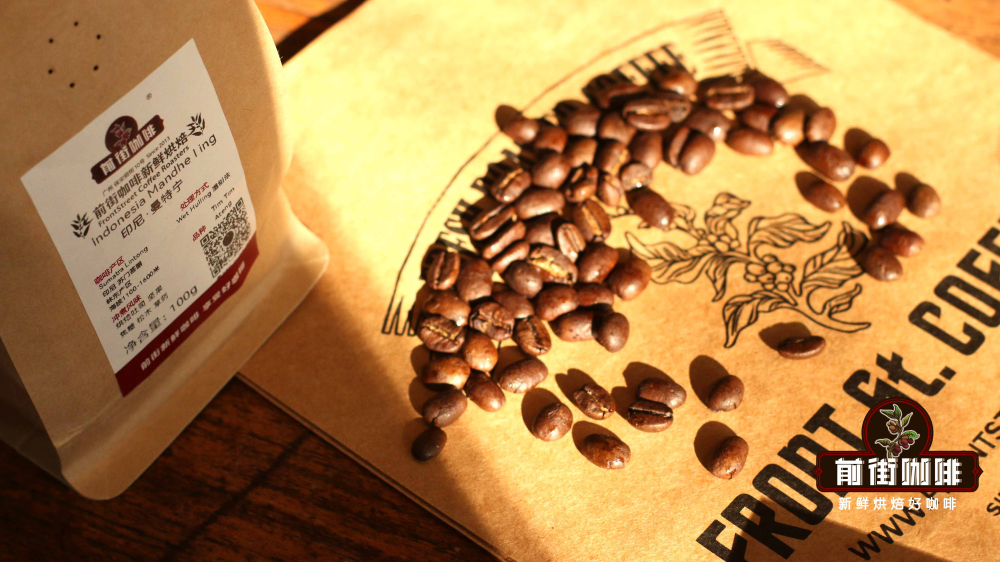
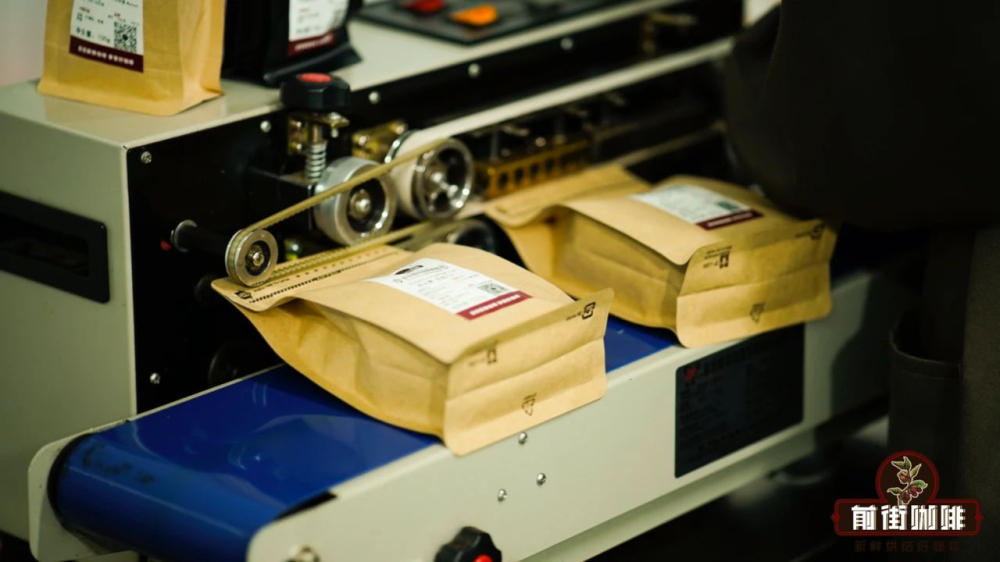
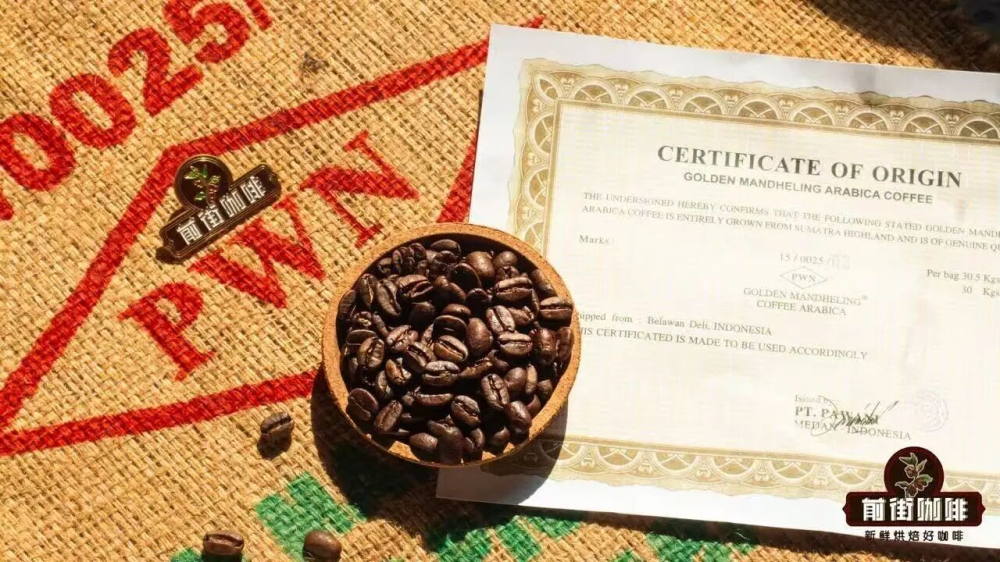
In terms of price, commonly available Indonesian Mandheling coffee beans, such as entry-level options, are priced at around 25 RMB per 100 grams. These are highly cost-effective and perfect for beginners to practice pour over techniques or enjoy as daily drinks, making them an ideal choice for everyday beans. Meanwhile, premium-grade Golden Mandheling is usually hand-picked multiple times and mechanically sorted, resulting in an extremely low defect rate. This not only reduces off-flavors but also results in a cleaner, more layered flavor. High-quality Mandheling of this caliber is sold at about 89 RMB for 227 grams, suitable for daily enjoyment or as a gift.
When purchasing Mandheling, it is recommended to carefully check the roasted-on date and grade labeling, and choose an appropriate roast level based on your preferred brewing method. Although dark roast can highlight the bold characteristics of Sumatran beans, it can also mask subtle flavors. Therefore, if you prefer fruity notes or acidity, you might also try a medium-dark roast version. Regardless of the type you choose, freshness and grade remain the core elements determining the final flavor performance.
The above content is compiled by CoffeeHunters, a coffee news website.

